Andrew D. Maynard - Böcker
Visar alla böcker från författaren Andrew D. Maynard. Handla med fri frakt och snabb leverans.
5 produkter
5 produkter
789 kr
Skickas inom 7-10 vardagar
As scientists and technologists discover how to engineer matter at the nanoscale in increasingly sophisticated ways, conventional approaches to ensuring safe use are being brought into question. Nanotechnologies are challenging traditional regulatory regimes; but they are also prompting new thinking on developing and using emerging technologies safely. In this Handbook, leading international authors from industry, government, non-governmental organisations and academia examine the complex and often controversial regulatory challenges presented by nanotechnologies. Across several disciplinary boundaries, they explore how the future regulatory landscape may evolve. From the Europe Union to the United States, workplaces to personal products, and statutory instruments through to softer approaches, it is clear that considerable vigilance will be needed in governing these powerful and novel technologies. To succeed, society will need new thinking, new partnerships and new mechanisms to balance the benefits of these technologies against their possible downsides. Anything less will prompt cries of illegitimacy and potentially compromise a promising new realm of technology innovation.This Handbook draws on contributions from leading nanotechnology regulation scholars around the globe. It goes beyond articulating how certain nanotechnologies are currently regulated and the significance of existing regulatory gaps, to assessing how the future regulatory landscape may evolve. As well as considering potential legislative responses that could be employed by governments, the Handbook examines a range of other options available to stakeholders. The Handbook employs new and innovative lenses through which to view these regulatory challenges and by adopting an in-depth, systematic and whole-of-life-approach, synergistically combines contributions from many countries, many fields and many disciplines. Informative and insightful, it presents thought-provoking and stimulating perspectives on the coming nano-age and on how we as citizens will govern its future.
1 062 kr
Skickas inom 10-15 vardagar
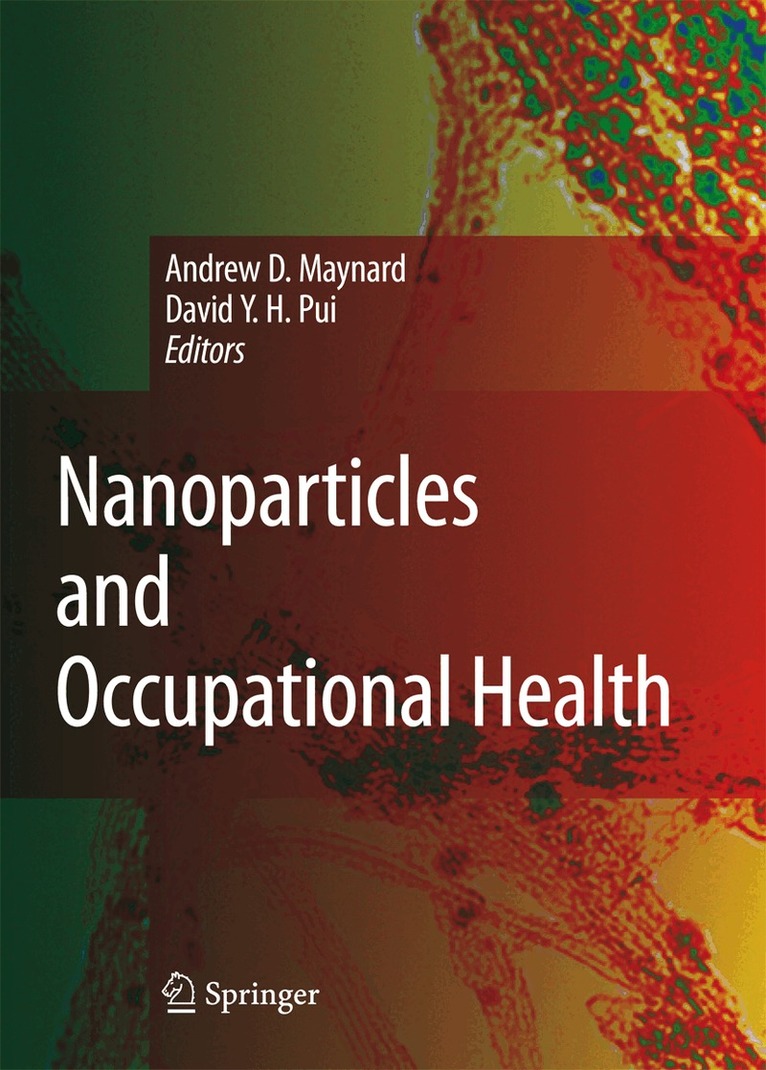
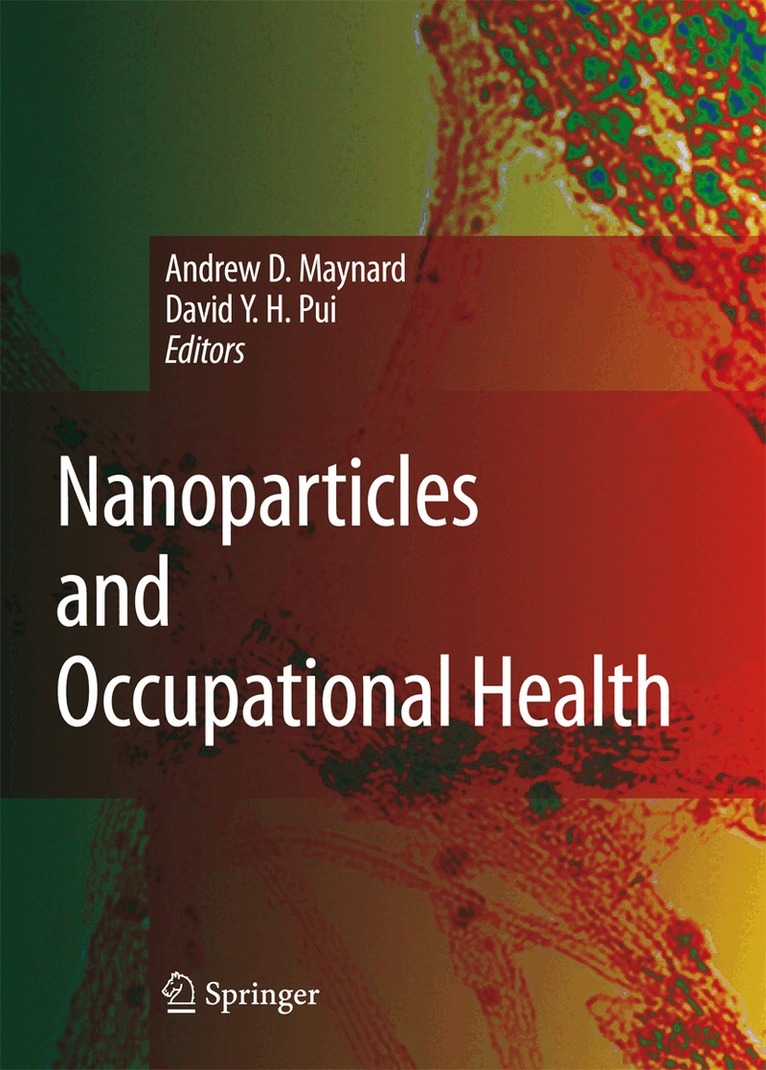
Nanotechnology is rapidly invading many aspects of modern society - from science, research and engineering to industrial and commercial applications and, inevitably, to man and his environment. One of the biggest challenges, therefore, is managing environmental, health and safety risks of nanomaterials. Yet, the information necessary to assess their long term effects is scarce. Systematic research into what potentially makes engineered nanomaterials hazardous, how this translates into risk, and how these can be managed will be vital and involves interdisciplinary collaboration. The first International Symposium on Nanotechnology and Occupational Health, in 2004, brought together hygienists, manufacturers, toxicologists, materials scientists, regulators and researchers. It pointed the way to what needs to be done.The second International Symposium, 2005, Minneapolis, Minnesota, demonstrated the power and potential where there is a will: with nearly three times as many attendants, and with contributions from academics, industry, policymakers, non-government organizations and even lawyers, this second symposium established that, while there is international concern over how to ensure safe nanotech-workplaces, there is also progress being made in developing the required knowledge.This volume, a reprint from a special issue of the Journal of Nanoparticle Research, mainly draws from work presented at the 2005 symposium, diverse but united by the need for a holistic view of nanotechnology and risk.
3 768 kr
Skickas inom 7-10 vardagar
As scientists and technologists discover how to engineer matter at the nanoscale in increasingly sophisticated ways, conventional approaches to ensuring safe use are being brought into question. Nanotechnologies are challenging traditional regulatory regimes; but they are also prompting new thinking on developing and using emerging technologies safely. In this Handbook, leading international authors from industry, government, non-governmental organisations and academia examine the complex and often controversial regulatory challenges presented by nanotechnologies. Across several disciplinary boundaries, they explore how the future regulatory landscape may evolve. From the Europe Union to the United States, workplaces to personal products, and statutory instruments through to softer approaches, it is clear that considerable vigilance will be needed in governing these powerful and novel technologies. To succeed, society will need new thinking, new partnerships and new mechanisms to balance the benefits of these technologies against their possible downsides. Anything less will prompt cries of illegitimacy and potentially compromise a promising new realm of technology innovation.This Handbook draws on contributions from leading nanotechnology regulation scholars around the globe. It goes beyond articulating how certain nanotechnologies are currently regulated and the significance of existing regulatory gaps, to assessing how the future regulatory landscape may evolve. As well as considering potential legislative responses that could be employed by governments, the Handbook examines a range of other options available to stakeholders. The Handbook employs new and innovative lenses through which to view these regulatory challenges and by adopting an in-depth, systematic and whole-of-life-approach, synergistically combines contributions from many countries, many fields and many disciplines. Informative and insightful, it presents thought-provoking and stimulating perspectives on the coming nano-age and on how we as citizens will govern its future.
2 162 kr
Tillfälligt slut
Following the recognition that airborne particulate matter, even at quite modest concentrations, has an adverse effect on human health, there has been an intense research effort to understand the mechanisms and quantify the effects. One feature that has shone through is the important role of ultrafine particles as a contributor to the adverse effects of airborne particles. In this volume, many of the most distinguished researchers in the field provide a state-of-the-art overview of the scientific and medical research on ultrafine particles.
1 094 kr
Skickas inom 10-15 vardagar
Nanotechnology is rapidly invading many aspects of modern society - from science, research and engineering to industrial and commercial applications and, inevitably, to man and his environment. One of the biggest challenges, therefore, is managing environmental, health and safety risks of nanomaterials. Yet, the information necessary to assess their long term effects is scarce. Systematic research into what potentially makes engineered nanomaterials hazardous, how this translates into risk, and how these can be managed will be vital and involves interdisciplinary collaboration.The first International Symposium on Nanotechnology and Occupational Health, in 2004, brought together hygienists, manufacturers, toxicologists, materials scientists, regulators and researchers. It pointed the way to what needs to be done. The second International Symposium, 2005, Minneapolis, Minnesota, demonstrated the power and potential where there is a will: with nearly three times as many attendants, and with contributions from academics, industry, policymakers, non-government organizations and even lawyers, this second symposium established that, while there is international concern over how to ensure safe nanotech-workplaces, there is also progress being made in developing the required knowledge.This volume, a reprint from a special issue of the Journal of Nanoparticle Research, mainly draws from work presented at the 2005 symposium, diverse but united by the need for a holistic view of nanotechnology and risk.