Anna Lydia Svalastog – författare
Visar alla böcker från författaren Anna Lydia Svalastog. Handla med fri frakt och snabb leverans.
6 produkter
6 produkter
Inbunden, Engelska, 2022
1 486 kr
Skickas
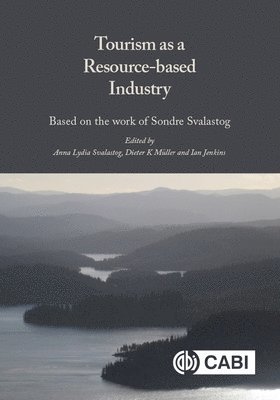
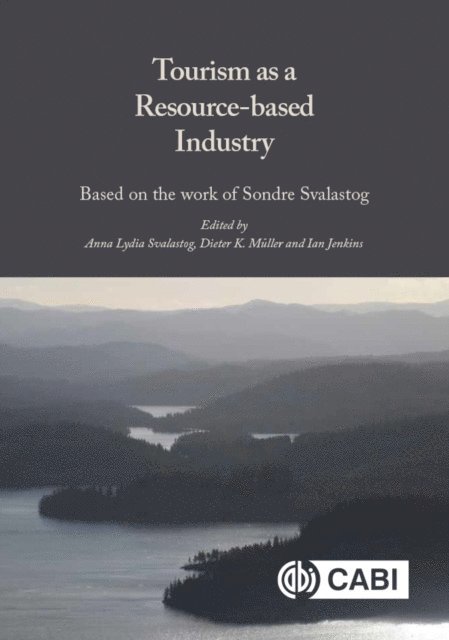
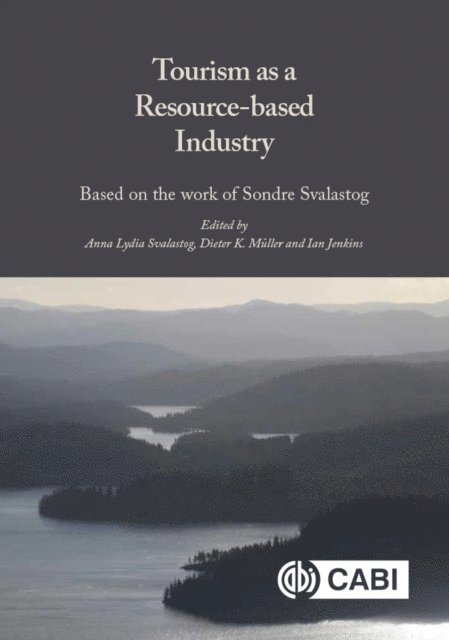
Tourism as a Resource-based Industry presents the conceptual framework of the Norwegian economic geographer Sondre Svalastog and functions as a practical tool for analyzing and identifying resources when working towards a more sustainable tourism industry. Tourism resources and their sustainability are analysed through the lens of a multidisciplinary approach which includes social, economic, cultural and natural dimensions. Contextual awareness is achieved by combining research-based knowledge with local know-how and information on local conditions. The book facilitates a way forward that examines both productivity and sustainability. The usefulness and value of Svalastog's conceptual work is demonstrated by a selection of new case studies by experts in the field, from different countries including Sweden, Norway, Slovenia, and the UK. This book: - Identifies local conditions and resources, climate change concerns, different types of tourists and a variety of challenges in high-cost and low-cost countries. - Considers how best to maximise potential and production, ensuring that both the host community and tourist benefits. - Provides a wide-ranging selection of case studies covering topics such as urban heritage, national parks, niche tourism and location-specific tourism products. - Presents ideas on how to secure sound planning within the industry, using conceptual and methodological tools. Tourism researchers and students will find this book helpful for understanding the development of tourism and how it can contribute to the UN Agenda 2030 which reflects the urgency for change, to secure cultural and natural resources, health and social resilience, and the stability of a socially constructed economy. Thus, tourism research needs to include a constant review and if required, renewal of processes that manage how society, culture and natural resources are used to achieve a balanced sustainable tourism process.
E-bok
PDF, Engelska, 20221 585 kr
Läs direkt efter köp
Tourism as a Resource-based Industry presents the conceptual framework of the Norwegian economic geographer Sondre Svalastog and functions as a practical tool for analyzing and identifying resources when working towards a more sustainable tourism industry. Tourism resources and their sustainability are analysed through the lens of a multidisciplinary approach which includes social, economic, cultural and natural dimensions. Contextual awareness is achieved by combining research-based knowledge with local know-how and information on local conditions. The book facilitates a way forward that examines both productivity and sustainability. The usefulness and value of Svalastog's conceptual work is demonstrated by a selection of new case studies by experts in the field, from different countries including Sweden, Norway, Slovenia, and the UK. This book: - Identifies local conditions and resources, climate change concerns, different types of tourists and a variety of challenges in high-cost and low-cost countries. - Considers how best to maximise potential and production, ensuring that both the host community and tourist benefits. - Provides a wide-ranging selection of case studies covering topics such as urban heritage, national parks, niche tourism and location-specific tourism products. - Presents ideas on how to secure sound planning within the industry, using conceptual and methodological tools. Tourism researchers and students will find this book helpful for understanding the development of tourism and how it can contribute to the UN Agenda 2030 which reflects the urgency for change, to secure cultural and natural resources, health and social resilience, and the stability of a socially constructed economy. Thus, tourism research needs to include a constant review and if required, renewal of processes that manage how society, culture and natural resources are used to achieve a balanced sustainable tourism process.
E-bok
Engelska, 20221 585 kr
Läs direkt efter köp
Tourism as a Resource-based Industry presents the conceptual framework of the Norwegian economic geographer Sondre Svalastog and functions as a practical tool for analyzing and identifying resources when working towards a more sustainable tourism industry. Tourism resources and their sustainability are analysed through the lens of a multidisciplinary approach which includes social, economic, cultural and natural dimensions. Contextual awareness is achieved by combining research-based knowledge with local know-how and information on local conditions. The book facilitates a way forward that examines both productivity and sustainability. The usefulness and value of Svalastog's conceptual work is demonstrated by a selection of new case studies by experts in the field, from different countries including Sweden, Norway, Slovenia, and the UK. This book: - Identifies local conditions and resources, climate change concerns, different types of tourists and a variety of challenges in high-cost and low-cost countries. - Considers how best to maximise potential and production, ensuring that both the host community and tourist benefits. - Provides a wide-ranging selection of case studies covering topics such as urban heritage, national parks, niche tourism and location-specific tourism products. - Presents ideas on how to secure sound planning within the industry, using conceptual and methodological tools. Tourism researchers and students will find this book helpful for understanding the development of tourism and how it can contribute to the UN Agenda 2030 which reflects the urgency for change, to secure cultural and natural resources, health and social resilience, and the stability of a socially constructed economy. Thus, tourism research needs to include a constant review and if required, renewal of processes that manage how society, culture and natural resources are used to achieve a balanced sustainable tourism process.
Inbunden, Engelska, 2020
1 116 kr
Skickas inom 10-15 vardagar
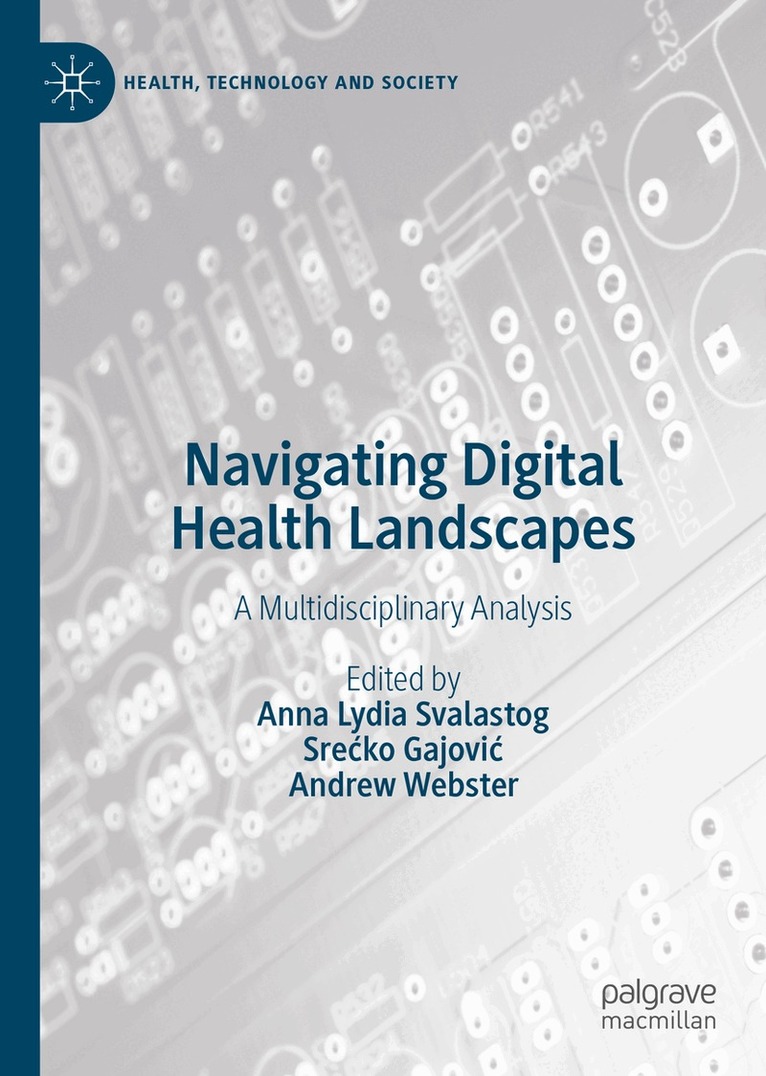
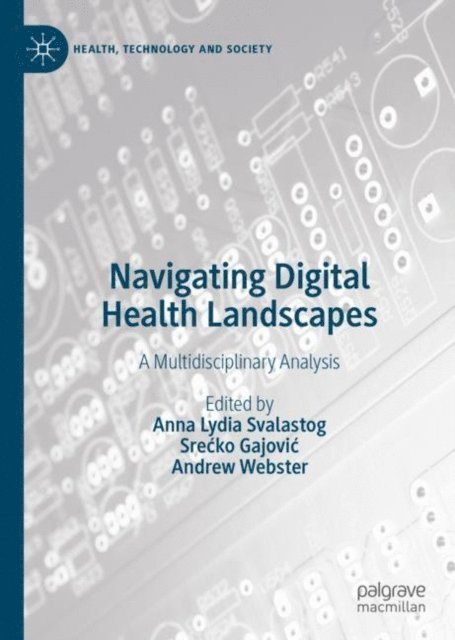
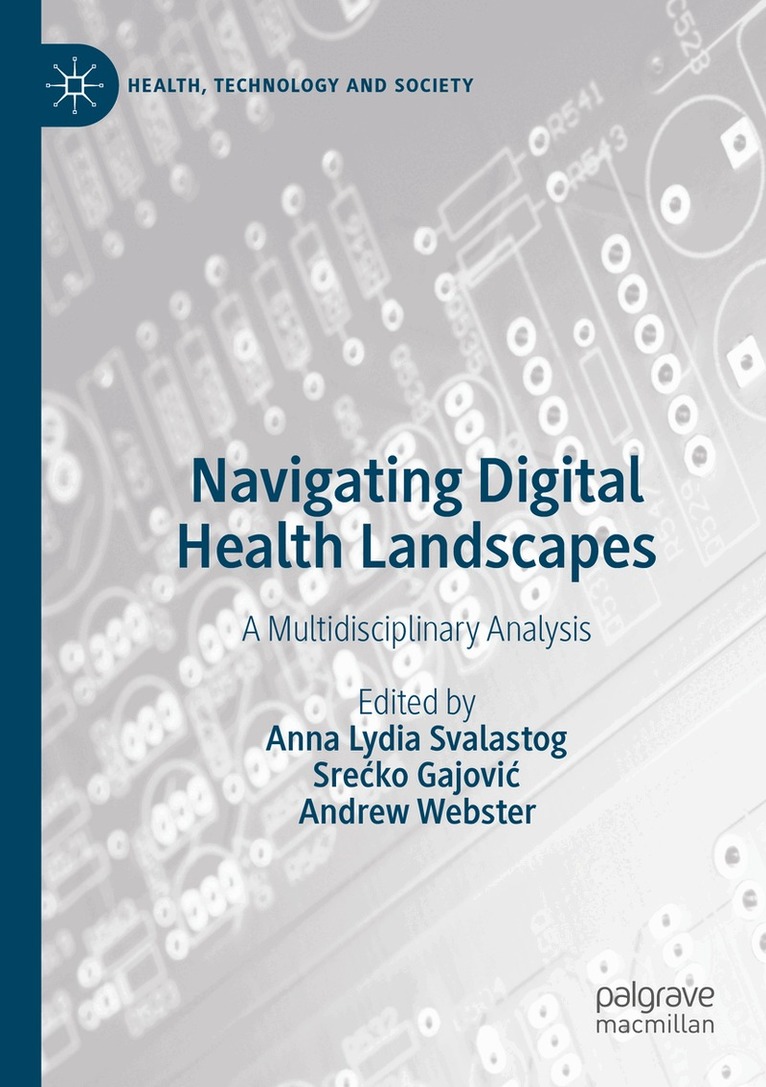
Navigating Digital Health Landscapes explores how users navigate the internet when searching for health information. It is the first book to conceptualise the internet as a landscape and the ways in which people navigate this digital world, including the complex entanglements between on and offline domains. It does so through a range of disciplinary perspectives from expert contributors across STS (science and technology studies), social anthropology, biomedicine, ethics and law, linguistics, social policy and computer scientists working in more technical aspects of tracking and visualising data and information on the internet. The book provides a unique and valuable contribution for those wishing to understand how digital technologies are affecting the design, implementation and use of digital systems to manage health information in different contexts.
E-bok
Engelska, 20201 459 kr
Läs direkt efter köp
Navigating Digital Health Landscapes explores how users navigate the internet when searching for health information. It is the first book to conceptualise the internet as a landscape and the ways in which people navigate this digital world, including the complex entanglements between on and offline domains. It does so through a range of disciplinary perspectives from expert contributors across STS (science and technology studies), social anthropology, biomedicine, ethics and law, linguistics, social policy and computer scientists working in more technical aspects of tracking and visualising data and information on the internet. The book provides a unique and valuable contribution for those wishing to understand how digital technologies are affecting the design, implementation and use of digital systems to manage health information in different contexts.
Häftad, Engelska, 2021
1 116 kr
Skickas inom 10-15 vardagar
Navigating Digital Health Landscapes explores how users navigate the internet when searching for health information. It is the first book to conceptualise the internet as a landscape and the ways in which people navigate this digital world, including the complex entanglements between on and offline domains. It does so through a range of disciplinary perspectives from expert contributors across STS (science and technology studies), social anthropology, biomedicine, ethics and law, linguistics, social policy and computer scientists working in more technical aspects of tracking and visualising data and information on the internet. The book provides a unique and valuable contribution for those wishing to understand how digital technologies are affecting the design, implementation and use of digital systems to manage health information in different contexts.