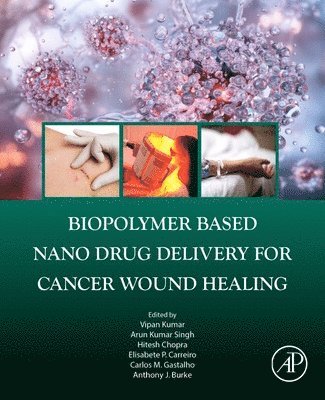
Biopolymer Based Nano Drug Delivery for Cancer Wound Healing explores groundbreaking advancements in nanomedicine's role in treating cancer and promoting wound healing. The book delves into the pathophysiology of cancerous wounds, introduces biopolymer-based nanomedicine, and examines drug delivery systems using biopolymer-based nanoparticles. It concludes with future prospects of biopolymers in antitumor drug delivery systems. This resource is invaluable for researchers, advanced students, and R&D personnel across various fields, including cancer research, polymer science, biomaterials, biomedicine, pharmaceutics, biotechnology, and chemistry. Each chapter bridges theoretical concepts with practical applications, providing examples to illustrate key points.The book covers the pathophysiology of cancer and wounds, biopolymer-based nanomedicine for cancerous wounds, and drug delivery systems for healing. This is an essential reference for scientists and students focusing on pharmacy, drug delivery, and biomedicine.Provides an analysis of the potential and problems that biopolymer-based nanocarriers bring in the field of pharmaceutical and biomedical researchExplores the practical use of natural biopolymers in cancer therapy, including their advantages, disadvantages, and potential obstaclesFocuses on using functionalized biopolymers for effective cancer wound-dressing applicationsCovers their antibacterial and antimicrobial properties
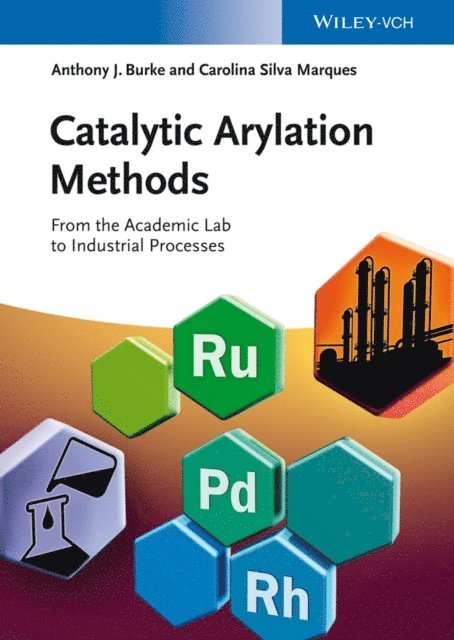
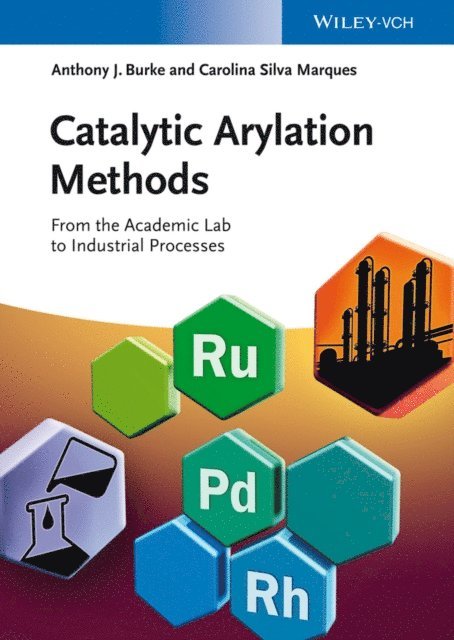
This "hands-on" approach to the topic of arylation consolidates the body of key research over the last ten years (and up to around 2014) on various catalytic methods which involve an arylation process. Clearly structured, the chapters in this one-stop resource are arranged according to the reaction type, and focus on novel, efficient and sustainable processes, rather than the well-known and established cross-coupling methods. The entire contents are written by two authors with academic and industrial expertise to ensure consistent coverage of the latest developments in the field, as well as industrial applications, such as C-H activation, iron and gold-catalyzed coupling reactions, cycloadditions or novel methodologies using arylboron reagents. A cross-section of relevant tried-and-tested experimental protocols is included at the end of each chapter for putting into immediate practice, along with patent literature. Due to its emphasis on efficient, "green" methods and industrial applications of the products concerned, this interdisciplinary text will be essential reading for synthetic chemists in both academia and industry, especially in medicinal and process chemistry.
Presents the most effective catalytic reactions in use today, with a special focus on process intensification, sustainability, waste reduction, and innovative methods This book demonstrates the importance of efficient catalytic transformations for producing pharmaceutically active molecules. It presents the key catalytic reactions and the most efficient catalytic processes, including their significant advantages over compared previous methods. It also places a strong emphasis on asymmetric catalytic reactions, process intensification (PI), sustainability and waste mitigation, continuous manufacturing processes as enshrined by continuous flow catalysis, and supported catalysis. Active Pharmaceutical Ingredients in Synthesis: Catalytic Processes in Research and Development offers chapters covering: Catalysis and Prerequisites for the Modern Pharmaceutial Industry Landscape; Catalytic Process Design - The Industrial Perspective; Hydrogenation, Hydroformylation and Other Reductions; Oxidation; ; Catalytic Addition Reactions; Catalytic Cross-Coupling Reactions; Catalytic Metathesis Reactions; Catalytic Cycloaddition Reactions: Coming Full-Circle; Catalytic Cyclopropanation Reactions; Catalytic C-H insertion Reactions; Phase Transfer Catalysis; and Biocatalysis. -Provides the reader with an updated clear view of the current state of the challenging field of catalysis for API production -Focuses on the application of catalytic methods for the synthesis of known APIs -Presents every key reaction, including Diels-Alder, CH Insertions, Metal-catalytic coupling-reactions, and many more -Includes recent patent literature for completeness Covering a topic of great interest for synthetic chemists and R&D researchers in the pharmaceutical industry, Active Pharmaceutical Ingredients in Synthesis: Catalytic Processes in Research and Development is a must-read for every synthetic chemist working with APIs.