Anthony R. Reibel – författare
372 kr
Läs direkt efter köp
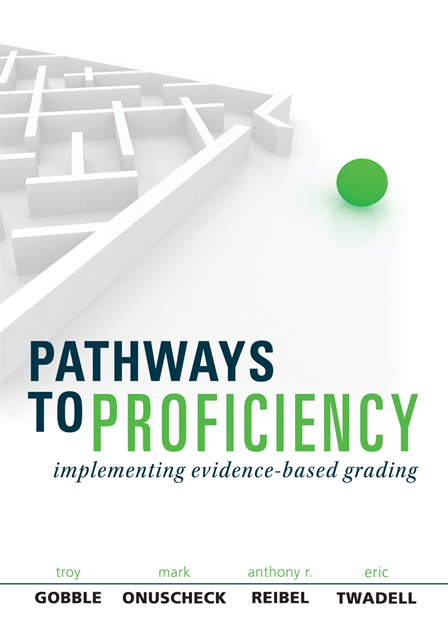
Challenge traditional grading practices and adopt a new, more effective grading model for students that will close the gaps in student achievement and content mastery. This book provides the pathway for implementing evidence-based grading practices in schools through a straightforward, five-phase creative model: (1) preparation, (2) incubation, (3) insight, (4) evaluation, and (5) elaboration. Readers will follow a hypothetical curriculum team’s journey through each phase of this process.
Benefits
Confront ineffective grading practices and then overcome traditional biases to apply better grading practices.Reflect on the effectiveness of revisions and improve newly revised grading methods.Give students meaningful information about their progress toward learning targets and expectations.Identify the concepts and perspectives to which curriculum team members must commit to successfully adopt evidence-based grading practices.Discover the important relationships between learning targets and grading, feedback and instruction, assessment and grading, and gradebooks and learning.Contents
About the Author
Introduction
1 Preparation
2 Incubation
3 Insight
4 Evaluation
5 Elaboration
Epilogue
References and Resources
Index
434 kr
Läs direkt efter köp
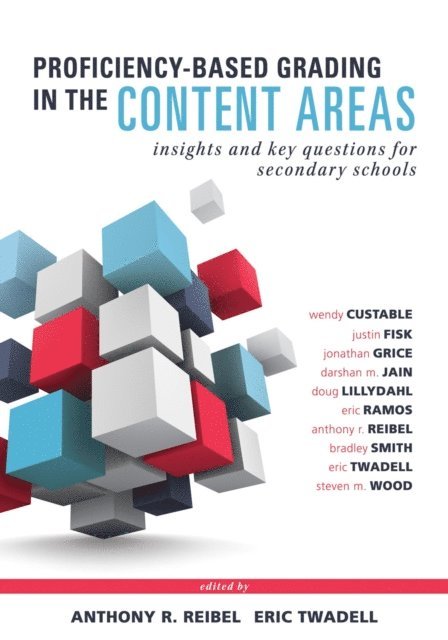
No matter the content area, evidence-based grading puts student growth at the heart of the classroom. Designed for teachers and administrators of grades 6-12, Proficiency-Based Grading in the Content Areas details a five-step approach for implementing evidence-based grading and maintaining its effectiveness over time. This book equips any educator -- from technical to fine arts -- with the tools and support to make this important shift.
Use proficiency-based grading (also known as evidence-based grading) to drive student success:
Become familiar with the basic concepts and essential decisions of evidence-based grading that apply to all content areas.Learn the five phases of implementing proficiency-based grading -- (1) preparation, (2) incubation, (3) insight, (4) evaluation, and (5) elaboration.Explore the steps, paradigm shifts, and pedagogy necessary to implement proficiency-based grading in a particular content area.Study individual-level and institutional-level grading decisions and how they differ from each other.Understand how proficiency-based grading differs from content area to content area and the unique benefits it offers to each.Contents:IntroductionChapter 1: Implementing Proficiency-Based Grading With Core Belief FidelityChapter 2: Implementing Evidence-Based Reporting in Career and Technical EducationChapter 3: Implementing Evidence-Based Grading in English Language ArtsChapter 4: Implementing Evidence-Based Grading in Fine ArtsChapter 5: Implementing Evidence-Based Grading in MathematicsChapter 6: Implementing Evidence-Based Grading in Physical Education and HealthChapter 7: Implementing Evidence-Based Grading in SciencesChapter 8: Implementing Evidence-Based Grading in Social SciencesChapter 9: Implementing Evidence-Based Grading in World LanguagesEpilogue: Creating Self-Reliant LearnersReferences and ResourcesIndex
365 kr
Läs direkt efter köp
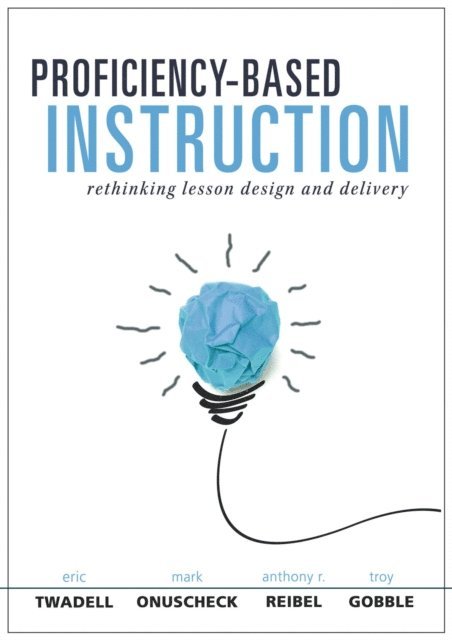
Only by shifting away from a one-size-fits-all approach to teaching and learning can every student achieve true success in the classroom. In this resource, authors Eric Twadell, Mark Onuscheck, Anthony R. Reibel, and Troy Gobble provide educators with a comprehensive strategy implementation process for proficiency-based instruction. Readers will gain a clear five-step process for seamlessly transitioning to a new, improved model of instruction in which individual student self-efficacy and growth come first.
Transition to a proficiency-based instruction model for student success:
Learn the benefits of switching from traditional instruction to proficiency-based instruction (also known as evidence-based grading).Explore the process, concepts, and supporting pedagogy of proficiency-based instruction and curriculum planning.Acquire a five-step implementation strategy: (1) preparation, (2) incubation, (3) insight, (4) evaluation, and (5) elaboration.Gain change-management tools for carrying out each of the five steps as a collaborative team and onboarding all stakeholders in curriculum implementation.Discover how one collaborative team successfully worked together to implement proficiency-based instruction.Access free online reproducibles that will support your shift to proficiency-based instruction and lesson planning.Contents:About the AuthorsIntroductionChapter 1: The Foundation of Proficiency-Based Instruction: Five Stages of the Creative ProcessChapter 2: PreparationChapter 3: IncubationChapter 4: InsightChapter 5: EvaluationChapter 6: ElaborationChapter 7: Examples of the Proficiency-Based Instructional DiamondChapter 8: Tools for Proficiency-Based Instruction
365 kr
Läs direkt efter köp
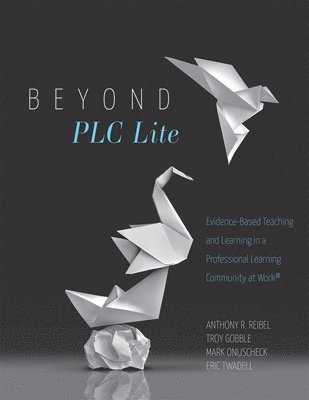
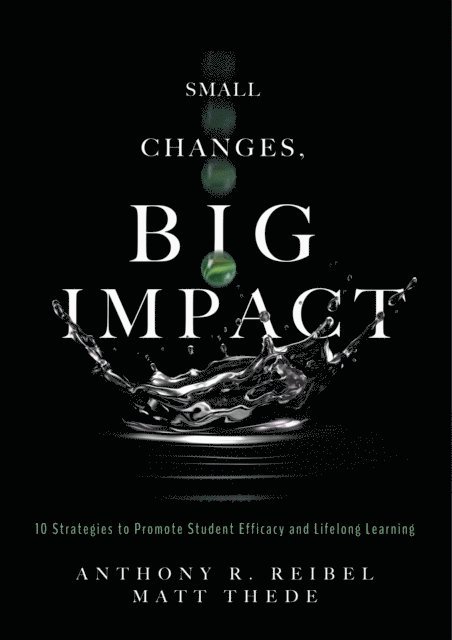
Discover a pathway to improvement that is simple and field tested. Designed as a practical guide to school reform, this resource outlines a series of ten small-scale changes powerful enough to make a lasting impact in schools and districts. Within each chapter, you will find easy-to-implement strategies for strengthening culture, building relationships, and promoting student growth at every K-12 grade level.
Use this resource to leverage student reflection and reperformance to ensure high levels of learning:
Understand how to redefine student success as efficacy and ownership of learning.Gain research-based instructional strategies and teaching methods for creating student-centered mission statements that promote student success, self-reliance, and social-emotional learning (SEL).Explore how to use performance-based assessments as a process for learning.Examine the qualities of growth-based feedback to promote a future pathway for achievement.Obtain tools for developing dynamic reporting structures that communicate stories of learning and promote self-evaluation.Contents:Chapter 1: Redefine Student SuccessChapter 2: Create Student-Centered Mission StatementsChapter 3: Organize the Curriculum Around Skills, Not ContentChapter 4: Develop Student-Centered RubricsChapter 5: Use Assessment as a Process for LearningChapter 6: Implement a Generative Learning Model of InstructionChapter 7: Provide Critical Growth-Based FeedbackChapter 8: Leverage Reflection and ReperformanceChapter 9: Use Evidence-Based Grading PracticesChapter 10: Establish Dynamic Reporting Structures
386 kr
Läs direkt efter köp