Eric Twadell – författare
Visar alla böcker från författaren Eric Twadell. Handla med fri frakt och snabb leverans.
6 produkter
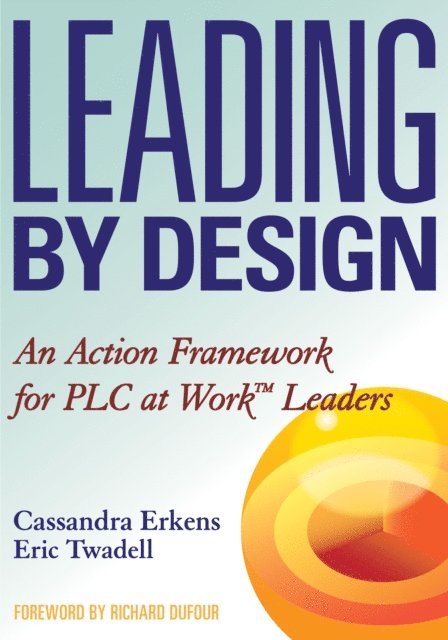
Leading by Design
An Action Framework for PLC at Work Leaders
Av Eric Twadell, Cassandra Erkens
E-bok, 2012
382 kr
Lägg i varukorg
By focusing on what students learn rather than what they are taught, schools can redefine their mission and begin the transition to a professional learning community. After interviewing and observing principals, administrators, and teachers, the authors identify seven leadership practices that …
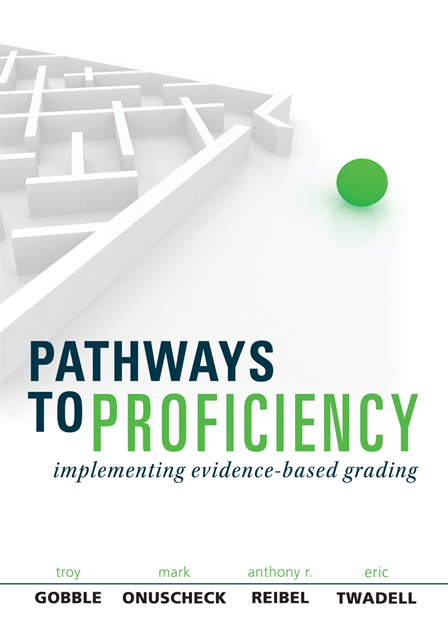
Pathways to Proficiency
Implementing Evidence-Based Grading
Av Eric Twadell, Anthony R. Reibel m. fl.
E-bok, 2017
385 kr
Lägg i varukorg
Challenge traditional grading practices and adopt a new, more effective grading model for students that will close the gaps in student achievement and content mastery. This book provides the pathway for implementing evidence-based grading practices in schools through a straightforward, five-phase …
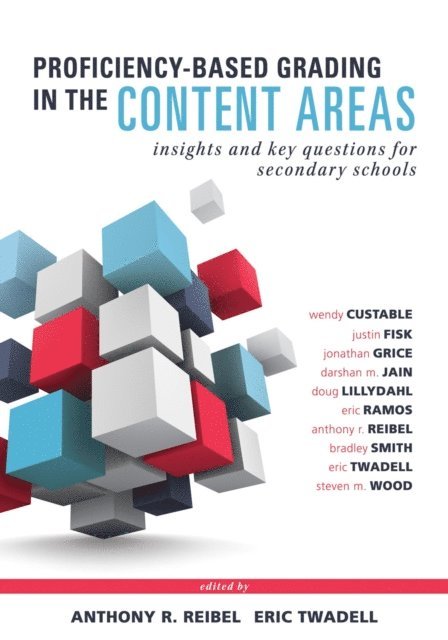
Proficiency-Based Grading in the Content Areas
Insights and Key Questions for Secondary Schools (Adapting Evidence-Based Grading for Content Area Teachers)
Av Steven M. Wood, Eric Twadell m. fl.
E-bok, 2019
463 kr
Lägg i varukorg
No matter the content area, evidence-based grading puts student growth at the heart of the classroom. Designed for teachers and administrators of grades 6-12, Proficiency-Based Grading in the Content Areas details a five-step approach for implementing evidence-based grading and maintaining its …
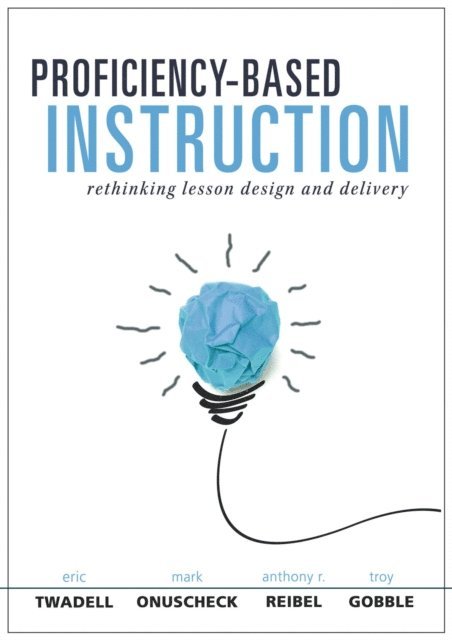
Proficiency-Based Instruction
Rethinking Lesson Design and Delivery (Your Implementation Strategy for Proficiency-Based Instruction)
Av Troy Gobble, Anthony R. Reibel m. fl.
E-bok, 2019
382 kr
Lägg i varukorg
Only by shifting away from a one-size-fits-all approach to teaching and learning can every student achieve true success in the classroom. In this resource, authors Eric Twadell, Mark Onuscheck, Anthony R. Reibel, and Troy Gobble provide educators with a comprehensive strategy implementation process …
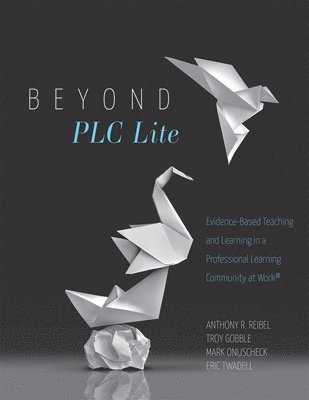
Beyond PLC Lite
Evidence-Based Teaching and Learning in a Professional Learning Community at Work(R) (Move beyond PLC Lite with a focus on student and teacher agency and efficacy)
Av Anthony R. Reibel, Troy Gobble m. fl.
Häftad, 2024
666 kr
Lägg i varukorg
Becoming a PLC is no small feat—it requires years of collaboration and commitment. In this powerful guide, discover ten evidence-based actions to help move your school teams beyond “PLC Lite,” and center student agency and efficacy in curriculum, assessment, instruction, and intervention practices. …
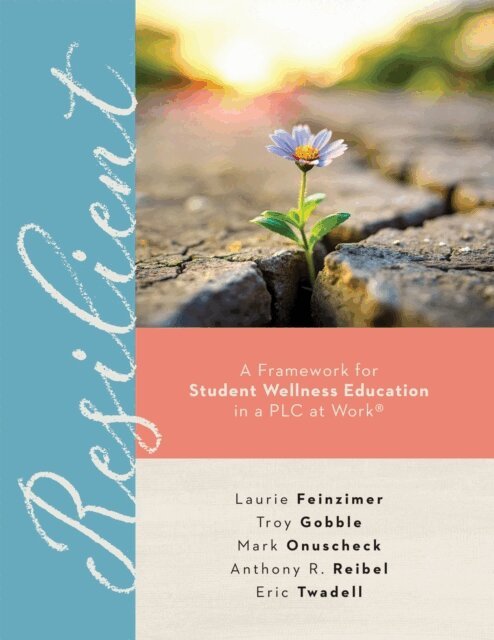
Resilient
A Framework for Student Wellness Education in a PLC at Work(R) (Encourage student wellness in the classroom.)
Av Eric Twadell, Anthony R. Reibel m. fl.
E-bok, 2025
403 kr
Lägg i varukorg
If balancing academic demands with student wellness feels overwhelming, Resilient offers a path forward. Grounded in six key components, this guide provides a framework to help educators embed social-emotional growth into daily instruction. With practical tools and real-world strategies, it …