Anwar Nasution - Böcker
Visar alla böcker från författaren Anwar Nasution. Handla med fri frakt och snabb leverans.
3 produkter
3 produkter
1 313 kr
Skickas inom 3-6 vardagar
The currency crises that engulfed East Asian economies in 1997 and Mexico in 1994 - and their high development costs - raise a serious concern about the net benefits for developing countries of large flows of potentially reversible short-term international capital. Written by senior policy-makers and academics, the contributions to this volume examine in depth the macroeconomic and other policy dilemmas confronting public authorities in the emerging economies as they deal with short-term capital movements, especially in the period before the outbreak of these crises. The studies are based on comparative case studies of key emerging economies. Valuable insights are also derived from contrasts between the East Asian, Latin American, African, and European experiences, between the financial and real effects of financial flows, and between private and public responsibilities in managing financial markets. The great value of the chapters in this volume is that they analytically identify the weaknesses in both domestic and international capital market regimes. The recommendations derived from this analysis apply to the development of financial markets in developing countries, the monitoring and regulation of mutual funds in source countries, and the future development of international capital markets. They will make an important contribution both to the discussion of national policies and of a new international financial architechture.
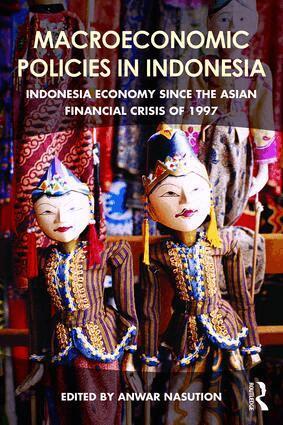
Macroeconomic Policies in Indonesia
Indonesia economy since the Asian financial crisis of 1997
Häftad, Engelska, 2015
693 kr
Skickas inom 10-15 vardagar
This book gives insight on the dynamics and route of economic policies that have been taken and implemented since the point of institutional reforms in 1998 that were triggered from the context of the financial crisis in 1997/1998. The condition brought a different paradigm on the landscape of economic and development policies, especially in the case of the monetary and financial structure, the international trade sector, the manufacturing sector, the taxes administration policy and the evolved context of decentralization and development of public sector policies in general.Given state of current economic development, this book offers suggestions to address economic issues that require improvements. This book is unique as: 1) it is about Indonesia, a country mostly affected by 1997/1998 financial crisis, which also lead to a change in regime; 2) it covers a broad range of thematic topics on sectors development and institutional changes from major policies that have been taken; and 3) it posits both existing and future challenges on monetary and financial sectors, trade, manufacturing and competitiveness, as well as on development of decentralization policies.
Macroeconomic Policies in Indonesia
Indonesia economy since the Asian financial crisis of 1997
Inbunden, Engelska, 2014
2 666 kr
Skickas inom 10-15 vardagar
This book gives insight on the dynamics and route of economic policies that have been taken and implemented since the point of institutional reforms in 1998 that were triggered from the context of the financial crisis in 1997/1998. The condition brought a different paradigm on the landscape of economic and development policies, especially in the case of the monetary and financial structure, the international trade sector, the manufacturing sector, the taxes administration policy and the evolved context of decentralization and development of public sector policies in general.Given state of current economic development, this book offers suggestions to address economic issues that require improvements. This book is unique as: 1) it is about Indonesia, a country mostly affected by 1997/1998 financial crisis, which also lead to a change in regime; 2) it covers a broad range of thematic topics on sectors development and institutional changes from major policies that have been taken; and 3) it posits both existing and future challenges on monetary and financial sectors, trade, manufacturing and competitiveness, as well as on development of decentralization policies.