A.P. Martinich – författare
Visar alla böcker från författaren A.P. Martinich. Handla med fri frakt och snabb leverans.
12 produkter
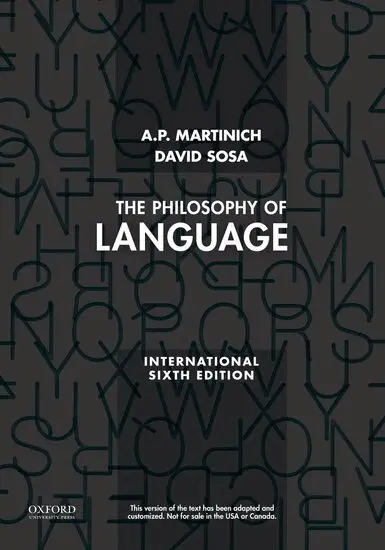
The Philosophy of Language
Häftad, 2013
2056 kr
Lägg i varukorg
What is meaning? How is linguistic communication possible? What is the nature of language? What is the relationship between language and the world? How do metaphors work? The Philosophy of Language, considered the essential text in its field, is an excellent introduction to such fundamental …
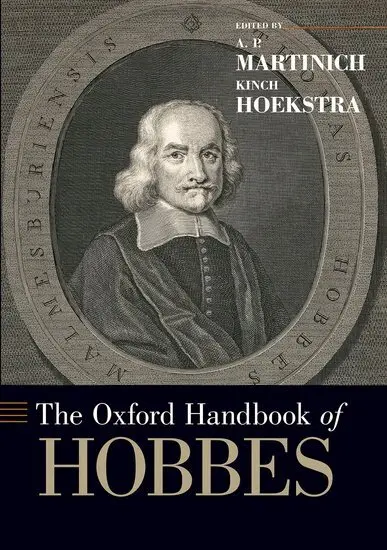
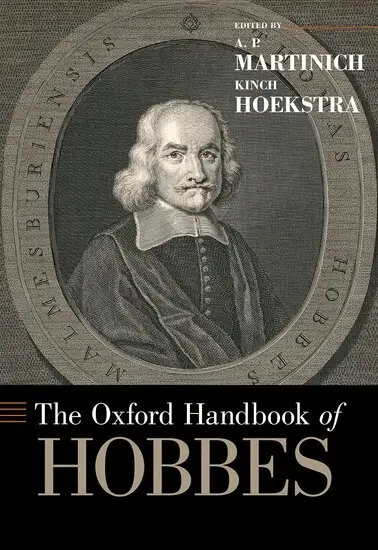
The Oxford Handbook of Hobbes
Av A.P. Martinich, Kinch Hoekstra
Häftad, 2019
858 kr
Lägg i varukorg
The Oxford Handbook of Hobbes collects twenty-six newly commissioned, original chapters on the philosophy of the English thinker Thomas Hobbes (1588-1679). Best known today for his important influence on political philosophy, Hobbes was in fact a wide and deep thinker on a diverse range of issues. …
Oxford Handbook of Hobbes
Av Kinch Hoekstra, A.P. Martinich
E-bok, 2016
587 kr
Lägg i varukorg
The Oxford Handbook of Hobbes collects twenty-six newly commissioned, original chapters on the philosophy of the English thinker Thomas Hobbes (1588-1679). Best known today for his important influence on political philosophy, Hobbes was in fact a wide and deep thinker on a diverse range of issues. …
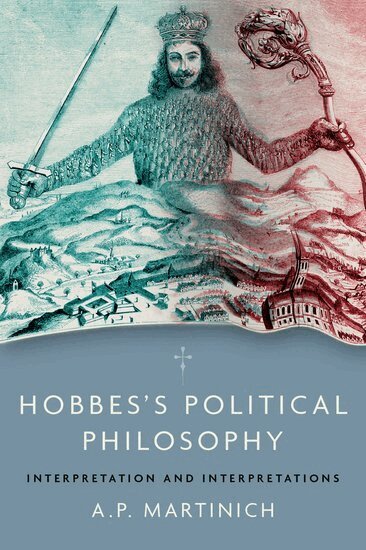
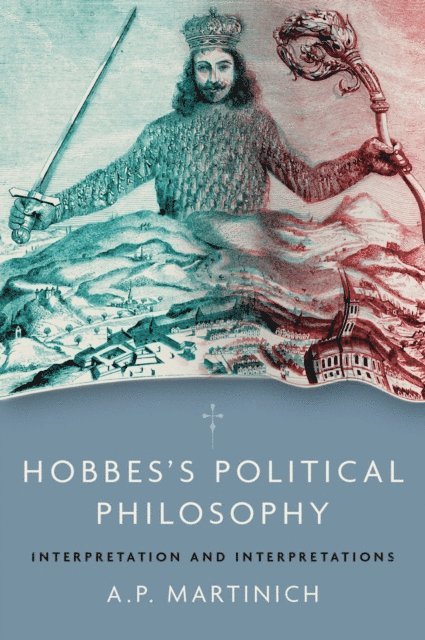
Hobbes's Political Philosophy
Interpretation and Interpretations
Inbunden, 2021
1333 kr
Lägg i varukorg
Thomas Hobbes, the greatest English political philosopher, argued that human beings needed government in order to save their lives from being "solitary, poor, nasty, brutish, and short." They form governments by making a contract with each other to support a sovereign, to whom they give their right …
Hobbes's Political Philosophy
Interpretation and Interpretations
E-bok, 2021
1229 kr
Lägg i varukorg
Thomas Hobbes, the greatest English political philosopher, argued that human beings needed government in order to save their lives from being "solitary, poor, nasty, brutish, and short." They form governments by making a contract with each other to support a sovereign, to whom they give their right …
Hobbes's Political Philosophy
Interpretation and Interpretations
E-bok, 2021
1229 kr
Lägg i varukorg
Thomas Hobbes, the greatest English political philosopher, argued that human beings needed government in order to save their lives from being "solitary, poor, nasty, brutish, and short." They form governments by making a contract with each other to support a sovereign, to whom they give their right …
The Oxford Handbook of Hobbes
Av A.P. Martinich, Kinch Hoekstra
Inbunden, 2016
2902 kr
Lägg i varukorg
The Oxford Handbook of Hobbes collects twenty-six newly commissioned, original chapters on the philosophy of the English thinker Thomas Hobbes (1588-1679). Best known today for his important influence on political philosophy, Hobbes was in fact a wide and deep thinker on a diverse range of issues. …
Oxford Handbook of Hobbes
Av Kinch Hoekstra, A.P. Martinich
E-bok, 2016
587 kr
Lägg i varukorg
The Oxford Handbook of Hobbes collects twenty-six newly commissioned, original chapters on the philosophy of the English thinker Thomas Hobbes (1588-1679). Best known today for his important influence on political philosophy, Hobbes was in fact a wide and deep thinker on a diverse range of issues. …
Hobbes
Inbunden, 2005
2510 kr
Lägg i varukorg
Thomas Hobbes (1588-1679) was the first great English philosopher and one of the most important theorists of human nature and politics in the history of Western thought. This superlative introduction presents Hobbes' main doctrines and arguments, covering all of Hobbes' philosophy. A.P. Martinich …
Hobbes
Häftad, 2005
385 kr
Lägg i varukorg
Thomas Hobbes (1588-1679) was the first great English philosopher and one of the most important theorists of human nature and politics in the history of Western thought. This superlative introduction presents Hobbes' main doctrines and arguments, covering all of Hobbes' philosophy. A.P. Martinich …
Hobbes
E-bok, 2013
399 kr
Lägg i varukorg
Thomas Hobbes (1588-1679) was the first great English philosopher and one of the most important theorists of human nature and politics in the history of Western thought. This superlative introduction presents Hobbes' main doctrines and arguments, covering all of Hobbes' philosophy. A.P. Martinich …
Hobbes
E-bok, 2013
399 kr
Lägg i varukorg
Thomas Hobbes (1588-1679) was the first great English philosopher and one of the most important theorists of human nature and politics in the history of Western thought. This superlative introduction presents Hobbes' main doctrines and arguments, covering all of Hobbes' philosophy. A.P. Martinich …