Ara Monadjem - Böcker
Visar alla böcker från författaren Ara Monadjem. Handla med fri frakt och snabb leverans.
5 produkter
5 produkter
631 kr
Skickas
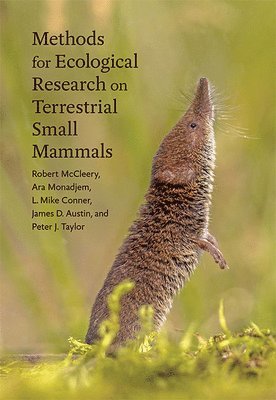
All the information researchers, students, and practitioners need to conducted innovative, state-of-the-art research on small mammals.Rodents and insectivores constitute the vast majority of mammals on our planet, yet we often overlook the importance of this group. As seed dispersers, prey species, and disease regulators, these animals are critical to the functioning of our ecological systems. While considerable material exists that describes these species, there has been no dedicated guide explaining how to effectively research them—until now. Methods for Ecological Research on Terrestrial Small Mammals is a one-stop resource compiling all the information readers need to conduct state-of-the-art research on small terrestrial mammals across the globe. The authors cover the full spectrum of issues, from capture, handling, identification, reproduction, demography, and taxonomy to behavior, diet, evolution, diseases, movements, morphometrics, and more. They also:• highlight the latest techniques while carefully explaining the tried-and-tested methods needed to conduct rigorous scientific inquiries; • provide step-by-step examples and case studies, demonstrating how the methods discussed can be used in actual research projects; • compare and contrast methodologies, analytical techniques, and software packages, helping researchers determine which pathways and tools will yield the best results for their studies. A comprehensive and invaluable resource, Methods for Ecological Research on Terrestrial Small Mammals is a must-have for any ecologist working on small mammals.
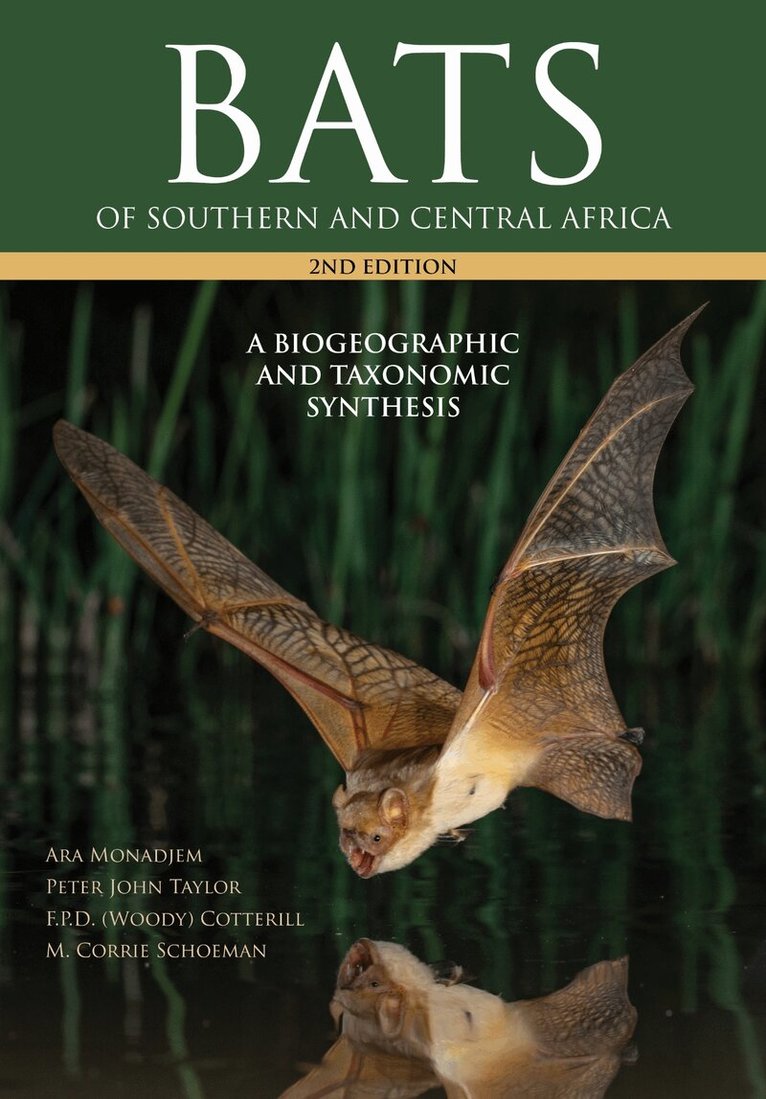
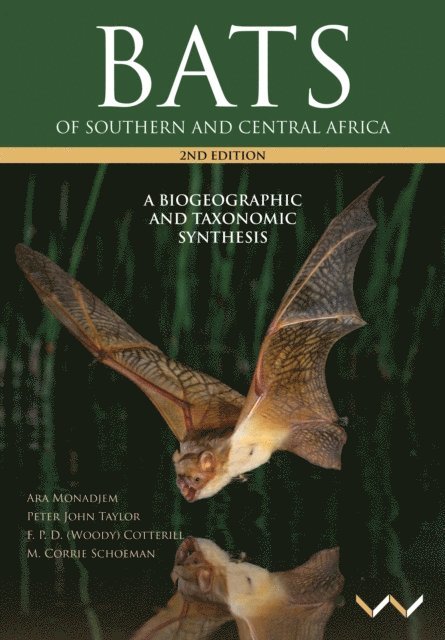
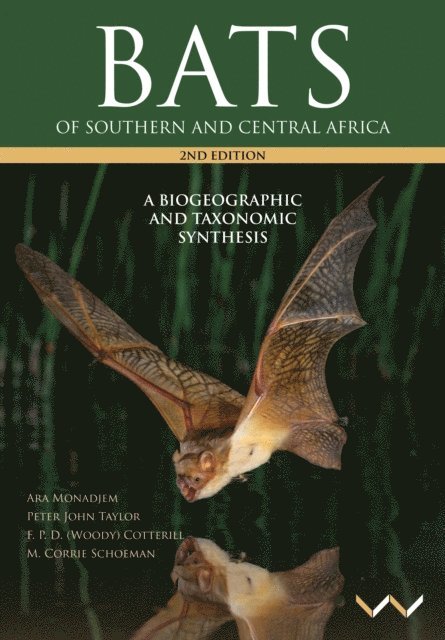
Bats of Southern and Central Africa
A Biogeographic and Taxonomic Synthesis, Second Edition
Inbunden, Engelska, 2020
961 kr
Skickas inom 7-10 vardagar
This revised edition of a book first published in 2010 supplements the original account of the 116 bat species then known to be found in Southern and Central Africa with an additional eight newly described species.The chapters on evolution, biogeography, ecology and echolocation have been updated, citing dozens of recently published papers. The book covers the latest systematic and taxonomic studies, ensuring that the names and relationships of bats in this new edition reflect current scientific knowledge. The species accounts provide descriptions, measurements and diagnostic characters as well as detailed information about the distribution, habitat, roosting habits, foraging ecology and reproduction of each species. The updated species distribution maps are based on 116 recorded localities. A special feature of the 2010 publication was the mode of identification of families, genera and species by way of character matrices rather than the more generally used dichotomous keys. Since then these matrices have been tested in the field and, where necessary, slightly altered for this edition. New photographs fill in gaps and updated sonograms aid with bat identification in acoustic surveys. The bibliography, which now contains more than 700 entries, will be an invaluable aid to students and scientists wishing to track down original research.
448 kr
Skickas inom 5-8 vardagar
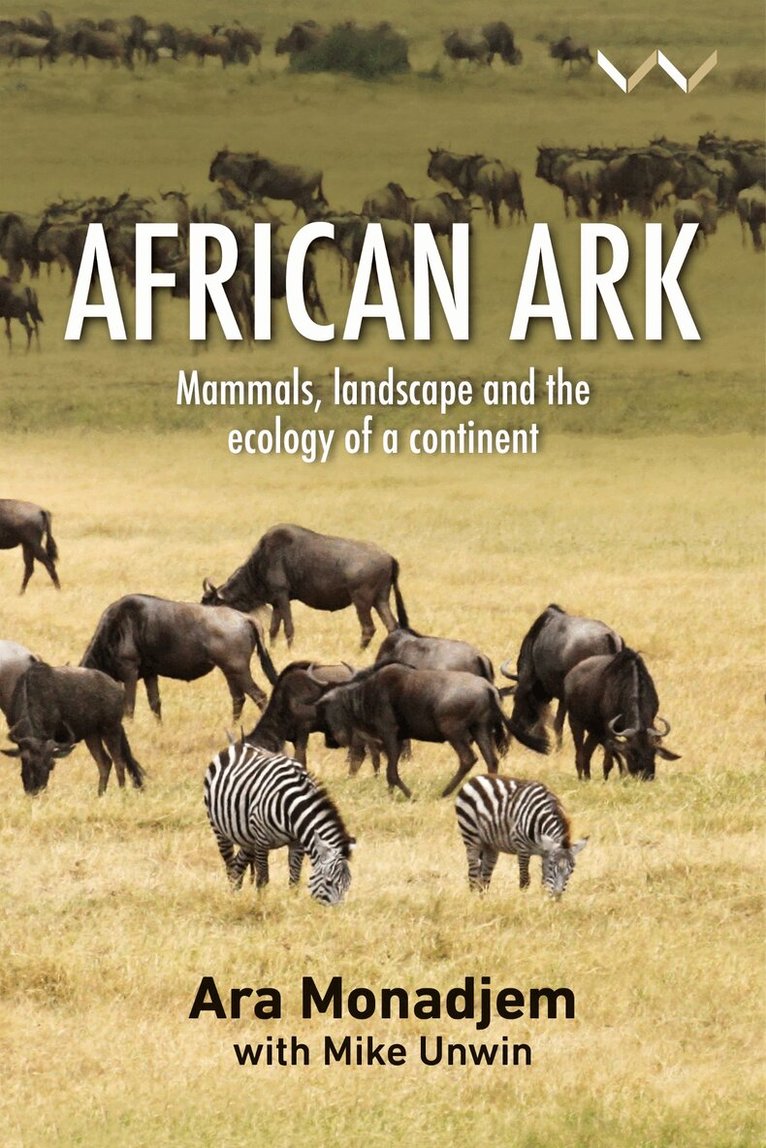
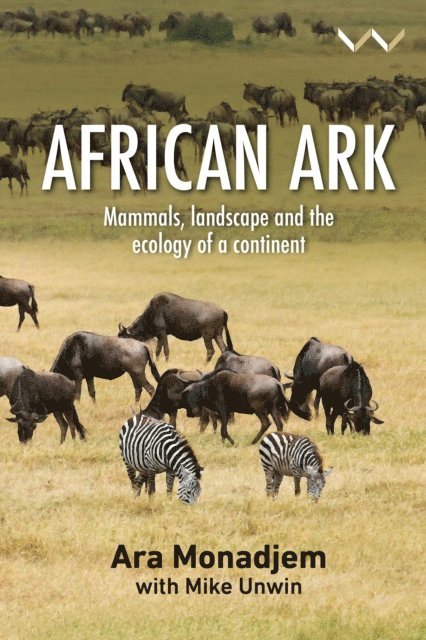
The story of how Africa's mammals have helped shape the continent's landscapes over time to support an amazing diversity of lifeAfrica is home to an amazing array of animals, including the world's most diverse assortment of large mammals. These include the world's largest terrestrial mammal, the African elephant, which still roams great swathes of the continent alongside a host of other well-known large mammals with hooves such as hippopotamuses, giraffes, rhinoceroses, and zebras. African Ark: Mammals, Landscape and the Ecology of a Continent tells the story of where these mammals have come from and how they have interacted to create the richly varied landscape that makes up Africa as we know it today. It gives an equal airing to small mammals, such as rodents and bats, which are often overlooked by both naturalists and zoologists in favor of their larger cousins. African Ark not only describes the diversity of African mammals and the habitats in which they live; it also explains the processes by which species and population groups are formed and how these fluctuate over time. A book on mammals would not be complete without attention placed on the impact of megafauna on the environment and the important roles they play in shaping the landscape. In this way, mammals such as elephants and rhinoceros support countless plant communities and the habitats of many smaller animals. The book brings in a human perspective as well as a conservation angle in its assessment of the interaction of African mammals with the people who live alongside them. African Ark is at once scientifically rigorous and accessible for the layperson and student alike, while drawing on the contributions of numerous zoologists, ecologists and conservationists dedicated to the understanding of Africa and its wildlife.
1 161 kr
Skickas inom 5-8 vardagar
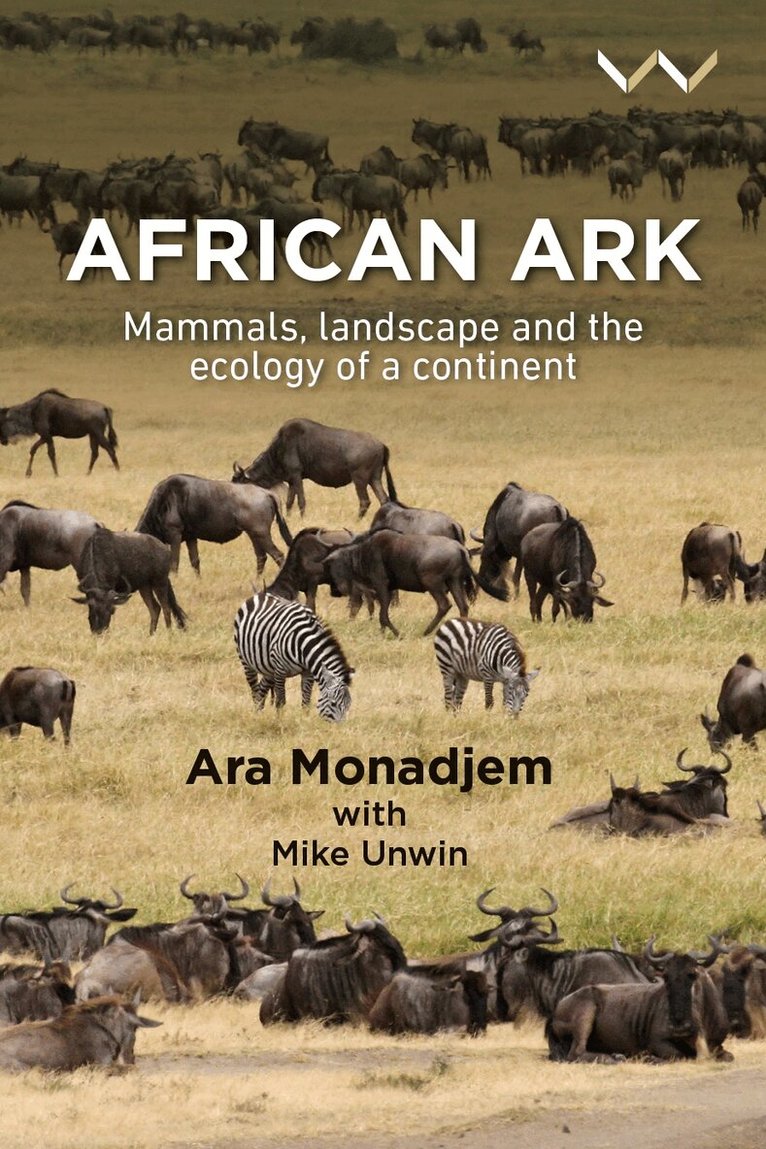
The story of how Africa's mammals have helped shape the continent's landscapes over time to support an amazing diversity of lifeAfrica is home to an amazing array of animals, including the world's most diverse assortment of large mammals. These include the world's largest terrestrial mammal, the African elephant, which still roams great swathes of the continent alongside a host of other well-known large mammals with hooves such as hippopotamuses, giraffes, rhinoceroses, and zebras. African Ark: Mammals, Landscape and the Ecology of a Continent tells the story of where these mammals have come from and how they have interacted to create the richly varied landscape that makes up Africa as we know it today. It gives an equal airing to small mammals, such as rodents and bats, which are often overlooked by both naturalists and zoologists in favor of their larger cousins. African Ark not only describes the diversity of African mammals and the habitats in which they live; it also explains the processes by which species and population groups are formed and how these fluctuate over time. A book on mammals would not be complete without attention placed on the impact of megafauna on the environment and the important roles they play in shaping the landscape. In this way, mammals such as elephants and rhinoceros support countless plant communities and the habitats of many smaller animals. The book brings in a human perspective as well as a conservation angle in its assessment of the interaction of African mammals with the people who live alongside them. African Ark is at once scientifically rigorous and accessible for the layperson and student alike, while drawing on the contributions of numerous zoologists, ecologists and conservationists dedicated to the understanding of Africa and its wildlife.
3 205 kr
Skickas inom 5-8 vardagar
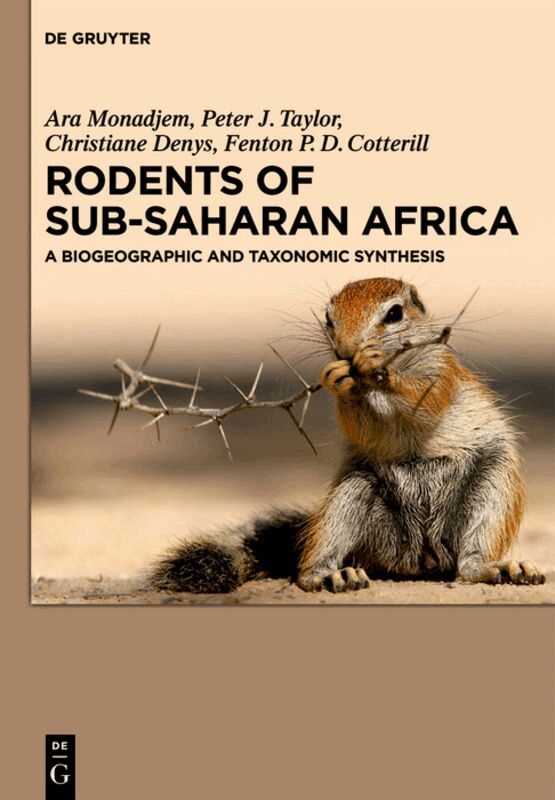
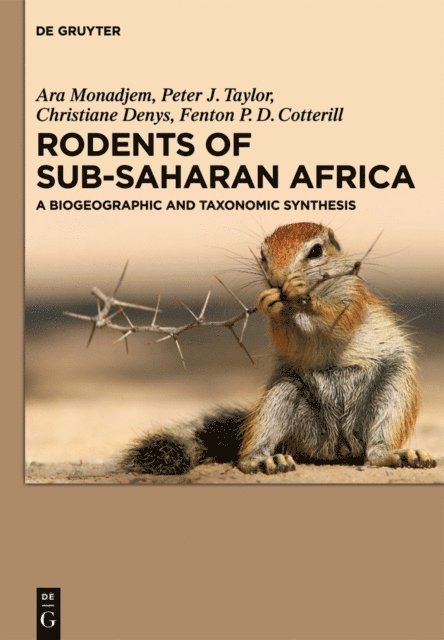
This comprehensive handbook covers all the rodents occurring in Southern, Central, East and West Africa, south of the Sahara. Genus and species accounts include diagnostic descriptions, systematics and taxonomy, biogeographical environment, fossil species, photographs of skull and mandible, illustrations of molar dentition, photographs of live animals, distribution maps and tables of standard museum measurements.