Arlene Astell – författare
Visar alla böcker från författaren Arlene Astell. Handla med fri frakt och snabb leverans.
9 produkter
9 produkter
E-bok
Engelska, 2017422 kr
Läs direkt efter köp
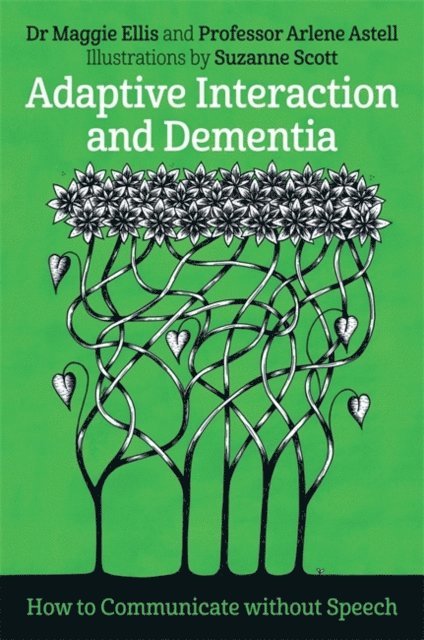
This guide to Adaptive Interaction explains how to assess the communication repertoires of people with dementia who can no longer speak, and offers practical interventions for those who wish to interact with them.Outlining the challenges faced by people living with advanced dementia, this book shows how to relieve the strain on relationships between them, their families, and professional caregivers through better, person-centred communication. It includes communication assessment tools and guidance on how to build on the communication repertoire of the individual with dementia using nonverbal means including imitation, facial expressions, sounds, movement, eye gaze and touch. With accessible evidence and case studies based on the authors' research, Adaptive Interaction can be used as the basis for developing interactions without words with people living with dementia.
E-bok
Engelska, 2019474 kr
Läs direkt efter köp
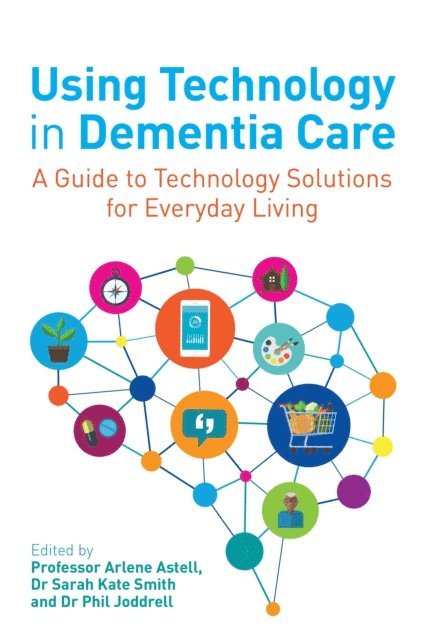
Many new pieces of technology can be beneficial to individuals living with dementia, including both hardware and software. This straightforward guide summarises the current research on this growing topic, and gives practical advice on how available technology can be used to improve the everyday lives of people with dementia.Looking at a range of available products, such as off-the-shelf computers and smartphones, to dementia specific applications and programs, it also addresses some common obstacles and barriers faced when introducing technology in dementia care. The past twenty years have seen an array of technologies developed to improve the day-to-day lives of people with dementia; this guide shows how they can be effectively used.
Häftad, Engelska, 2017
383 kr
Skickas
This guide to Adaptive Interaction explains how to assess the communication repertoires of people with dementia who can no longer speak, and offers practical interventions for those who wish to interact with them.Outlining the challenges faced by people living with advanced dementia, this book shows how to relieve the strain on relationships between them, their families, and professional caregivers through better, person-centred communication. It includes communication assessment tools and guidance on how to build on the communication repertoire of the individual with dementia using nonverbal means including imitation, facial expressions, sounds, movement, eye gaze and touch. With accessible evidence and case studies based on the authors' research, Adaptive Interaction can be used as the basis for developing interactions without words with people living with dementia.
Häftad, Engelska, 2019
525 kr
Skickas inom 5-8 vardagar
Many new pieces of technology can be beneficial to individuals living with dementia, including both hardware and software. This straightforward guide summarises the current research on this growing topic, and gives practical advice on how available technology can be used to improve the everyday lives of people with dementia.Looking at a range of available products, such as off-the-shelf computers and smartphones, to dementia specific applications and programs, it also addresses some common obstacles and barriers faced when introducing technology in dementia care. The past twenty years have seen an array of technologies developed to improve the day-to-day lives of people with dementia; this guide shows how they can be effectively used.
Inbunden, Engelska, 2025
437 kr
Skickas inom 10-15 vardagar
While not intended to be exhaustive, this book covers basic information on common obstacles and barriers to technology development and adoption, things to keep in mind when using technology, and making the most of what is available to support older adults in staying connected.
E-bok
Engelska, 2025535 kr
Läs direkt efter köp
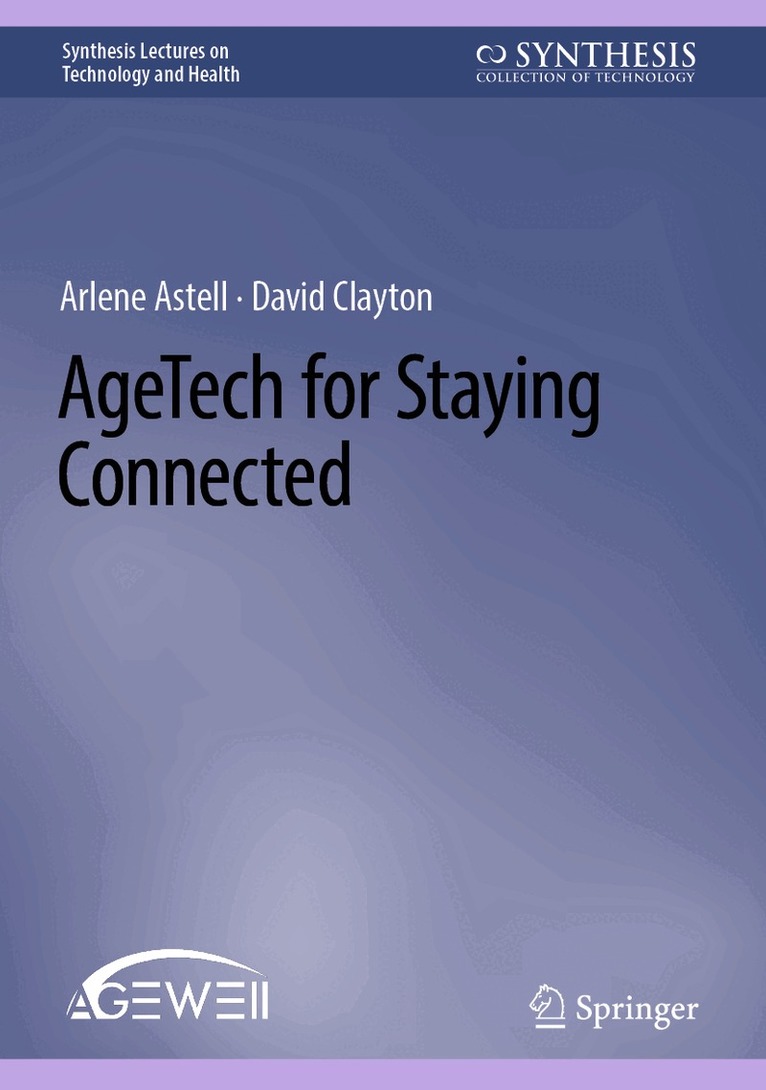
This book is a brief introductory guide to the role AgeTech plays in staying connected in later life. It offers insight into current AgeTech research on staying connected and illustrates entry points for deploying such technologies through a range of personas and scenarios capturing the common circumstances that lead older people to become disconnected, lonely, and isolated. The book provides readers with an accessible resource for understanding what sorts of AgeTech are available, what developments have been made and are currently underway, and what evidence exists for current technologies. The rapid pace of development in AgeTech, particularly in the commercial sphere, along with the competing claims being made for the benefits of many items, makes this practical guidebook essential for researchers and developers, policymakers, service providers and caregivers, and older adults themselves. While not intended to be exhaustive, this book covers basic information on common obstacles and barriers to technology development and adoption, things to keep in mind when using technology, and making the most of what is available to support older adults in staying connected.
E-bok
Tyska, 2019283 kr
Läs direkt efter köp
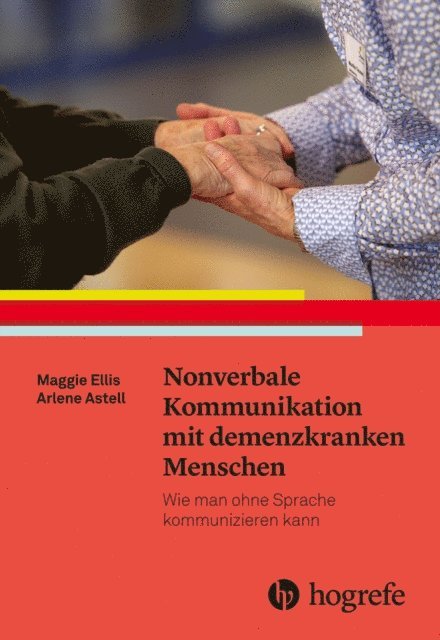
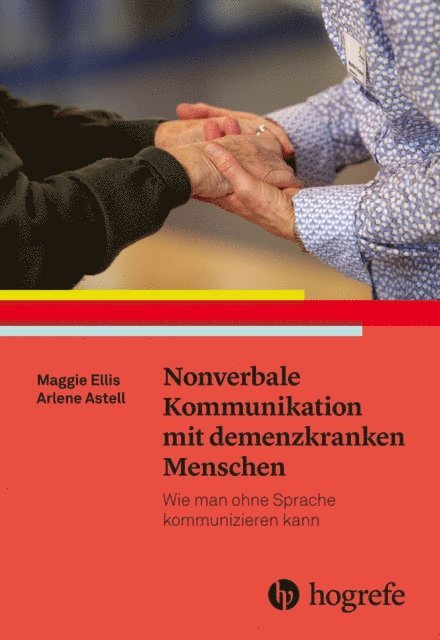
Sprache ist die Voraussetzung, mit anderen Menschen in Kontakt zu treten und zu interagieren. Im Rahmen schwerer Demenzformen und im 3. Verlaufsstadium einer Demenz gehen die verbalen Kommunikationsfähigkeiten häufig zu großen Teilen oder gänzlich verloren. Das stellt Pflegende und Angehörige vor die Herausforderung: "Wie kommuniziere ich mit meinem Angehörigen oder Bewohner?" Der von den Autorinnen dieses Praxisbuches entwickelte Ansatz der "Adaptiven Interaktion" ermöglicht es, nonverbal mit Menschen mit Demenz, die nicht mehr sprechen können, zu kommunizieren. Er baut auf dem individuellen "Kommunikationsrepertoire" auf, welches aus den Grundelementen der Kommunikation wie Blickkontakt, Gesichtsausdruck oder Bewegungen ermittelt wird. Mithilfe dieses Repertoires kann die jeweilige "Sprache" der Person mit Demenz erlernt und damit Kontakt zu ihr aufgenommen werden. Neben den theoretischen und wissenschaftlichen Aspekten der Adaptiven Interaktion veranschaulichen die Autorinnen durch verschiedene Fallbeispiele die vielseitigen Möglichkeiten der Kommunikation mit Demenzkranken. Sie zeigen auf, welchen Herausforderungen Menschen mit einer fortschreitenden Demenz gegenüberstehen und wie Pflegende und Angehörige die durch mangelnde kommunikative Fähigkeiten belasteten Beziehungen entspannen und neu mit Interaktion füllen können. Die Autorinnen stellen dazu Assessment-Tools zur kommunikativen Einschätzung bereit, die für die Kommunikation ohne Worte genutzt werden können.
Häftad, Tyska, 2019
373 kr
Skickas inom 3-6 vardagar
E-bok
PDF, Tyska, 2019283 kr
Läs direkt efter köp
Sprache ist die Voraussetzung, mit anderen Menschen in Kontakt zu treten und zu interagieren. Im Rahmen schwerer Demenzformen und im 3. Verlaufsstadium einer Demenz gehen die verbalen Kommunikationsfähigkeiten häufig zu großen Teilen oder gänzlich verloren. Das stellt Pflegende und Angehörige vor die Herausforderung: "Wie kommuniziere ich mit meinem Angehörigen oder Bewohner?" Der von den Autorinnen dieses Praxisbuches entwickelte Ansatz der "Adaptiven Interaktion" ermöglicht es, nonverbal mit Menschen mit Demenz, die nicht mehr sprechen können, zu kommunizieren. Er baut auf dem individuellen "Kommunikationsrepertoire" auf, welches aus den Grundelementen der Kommunikation wie Blickkontakt, Gesichtsausdruck oder Bewegungen ermittelt wird. Mithilfe dieses Repertoires kann die jeweilige "Sprache" der Person mit Demenz erlernt und damit Kontakt zu ihr aufgenommen werden. Neben den theoretischen und wissenschaftlichen Aspekten der Adaptiven Interaktion veranschaulichen die Autorinnen durch verschiedene Fallbeispiele die vielseitigen Möglichkeiten der Kommunikation mit Demenzkranken. Sie zeigen auf, welchen Herausforderungen Menschen mit einer fortschreitenden Demenz gegenüberstehen und wie Pflegende und Angehörige die durch mangelnde kommunikative Fähigkeiten belasteten Beziehungen entspannen und neu mit Interaktion füllen können. Die Autorinnen stellen dazu Assessment-Tools zur kommunikativen Einschätzung bereit, die für die Kommunikation ohne Worte genutzt werden können.