Arwa Mashat – författare
1 431 kr
Skickas inom 10-15 vardagar
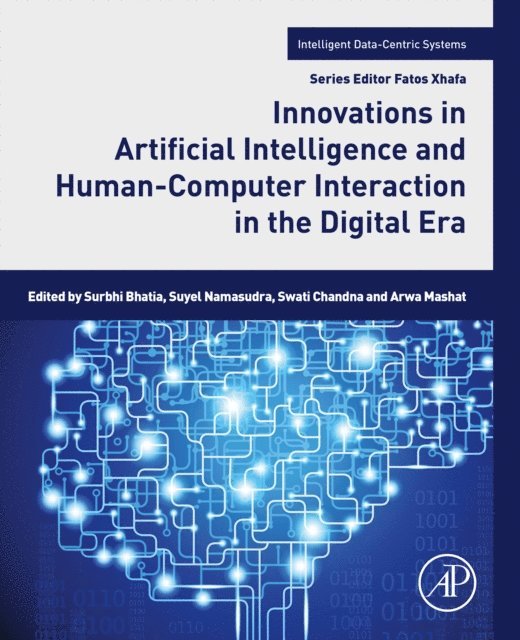
Innovations in Artificial Intelligence and Human Computer Interaction in the Digital Era investigates the interaction and growing interdependency of the HCI and AI fields, which are not usually addressed in traditional approaches. Chapters explore how well AI can interact with users based on linguistics and user-centered design processes, especially with the advances of AI and the hype around many applications. Other sections investigate how HCI and AI can mutually benefit from a closer association and the how the AI community can improve their usage of HCI methods like "Wizard of Oz� prototyping and "Thinking aloud� protocols.
Moreover, HCI can further augment human capabilities using new technologies. This book demonstrates how an interdisciplinary team of HCI and AI researchers can develop extraordinary applications, such as improved education systems, smart homes, smart healthcare and map Human Computer Interaction (HCI) for a multidisciplinary field that focuses on the design of computer technology and the interaction between users and computers in different domains.
Presents fundamental concepts of both HCI and AI, addressing a multidisciplinary audience of researchers and engineers working on User Centered Design (UCD), User Interface (UI) design, and User Experience (UX) designExplores a broad range of case studies from across healthcare, industry, and educationInvestigates multiple strategies for designing and developing intelligent user interfaces to solve real-world problemsOutlines research challenges and future directions for the intersection of AI and HCI2 034 kr
Läs direkt efter köp
1 941 kr
Skickas inom 5-8 vardagar
2 201 kr
Läs direkt efter köp
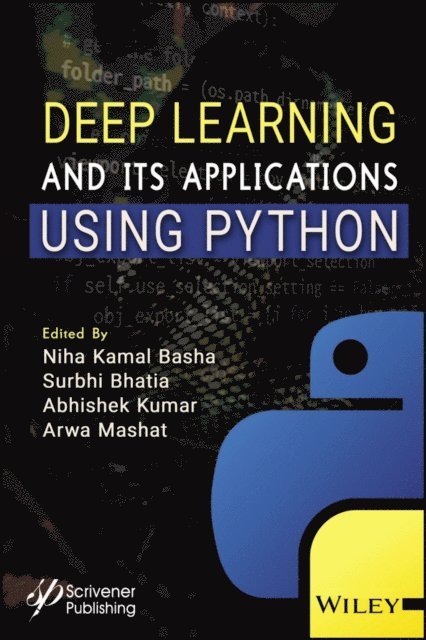
This practical book gives a detailed description of deep learning models and their implementation using Python programming relating to computer vision, natural language processing, and other applications.
This book thoroughly explains deep learning models and how to use Python programming to implement them in applications such as NLP, face detection, face recognition, face analysis, and virtual assistance (chatbot, machine translation, etc.). It provides hands-on guidance in using Python for implementing deep learning application models. It also identifies future research directions for deep learning. Readers/users will discover
A precise description of deep learning history, fundamental concepts, and background information relating to deep learning; A detailed introduction to several concepts including tensorflow and keras, starting from the fundamentals to the application-based concept implementation using Python; Explanations of multilayer perceptron, convolutional neural network, recurrent neural network, and long short-term memory in terms of applications like chatbot, face detection and recognition; Advanced deep learning concepts along with their future research advancements; Assist in building the reader’s understanding through intuitive explanations and practical examples by exploring challenging concepts in the related applications of computer vision, natural language processing, and other models.Audience
The book is ideal for computer science researchers, industry professionals, as well as postgraduate and undergraduate students who want to learn how to program deep learning models using Python.
2 201 kr
Läs direkt efter köp
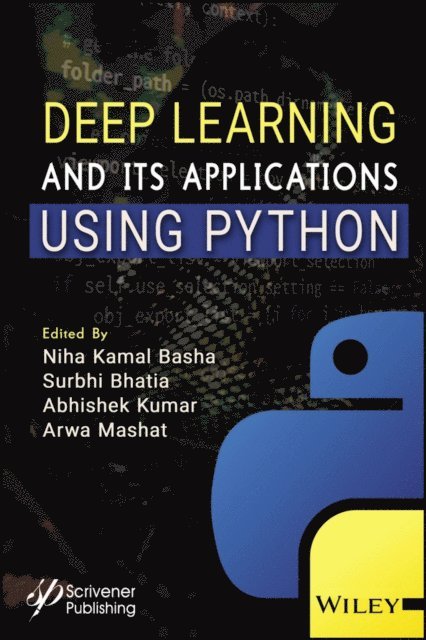
This practical book gives a detailed description of deep learning models and their implementation using Python programming relating to computer vision, natural language processing, and other applications.
This book thoroughly explains deep learning models and how to use Python programming to implement them in applications such as NLP, face detection, face recognition, face analysis, and virtual assistance (chatbot, machine translation, etc.). It provides hands-on guidance in using Python for implementing deep learning application models. It also identifies future research directions for deep learning. Readers/users will discover
A precise description of deep learning history, fundamental concepts, and background information relating to deep learning; A detailed introduction to several concepts including tensorflow and keras, starting from the fundamentals to the application-based concept implementation using Python; Explanations of multilayer perceptron, convolutional neural network, recurrent neural network, and long short-term memory in terms of applications like chatbot, face detection and recognition; Advanced deep learning concepts along with their future research advancements; Assist in building the reader’s understanding through intuitive explanations and practical examples by exploring challenging concepts in the related applications of computer vision, natural language processing, and other models.Audience
The book is ideal for computer science researchers, industry professionals, as well as postgraduate and undergraduate students who want to learn how to program deep learning models using Python.
2 480 kr
Skickas inom 5-8 vardagar
2 748 kr
Läs direkt efter köp
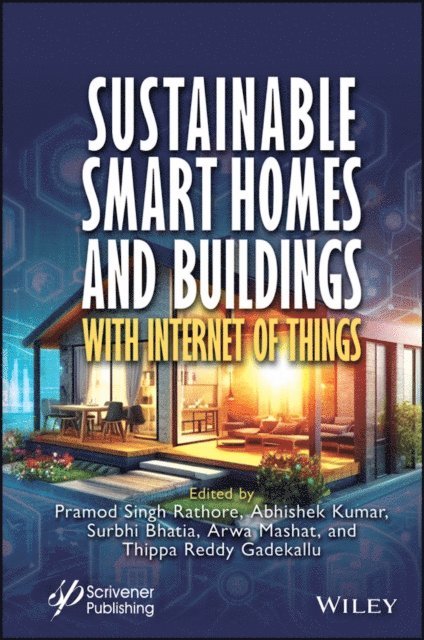
Written and edited by a team of experts in the field, this exciting new volume explores the real-world applications and methods for using Internet of Things (IoT) to make homes and buildings smart and sustainable and to continue working toward a “greener” world.
Sustainable Smart Homes and Buildings with Internet of Things (IoT) is a book that explores the integration of renewable energy sources and IoT technology in the design and management of smart homes and buildings. The book covers various topics related to the subject, including energy efficiency, real-time monitoring, control and optimization of renewable energy sources, smart grid integration, energy storage systems, and microgrids.
The book explains how IoT technology can be used to collect data from various sensors and devices installed in smart homes and buildings to create a real-time monitoring and control system for renewable energy sources, which can help optimize energy usage and reduce waste. It also discusses the challenges and opportunities associated with the integration of renewable energy sources in smart homes and buildings, and how these challenges can be addressed through the use of IoT technology.
The book is intended for architects, engineers, building managers, energy professionals, and researchers interested in the design and management of sustainable smart homes and buildings. It provides practical insights, case studies, and examples that illustrate the benefits of using renewable energy sources and IoT technology to create energy-efficient, environmentally friendly, and comfortable living spaces.
2 748 kr
Läs direkt efter köp
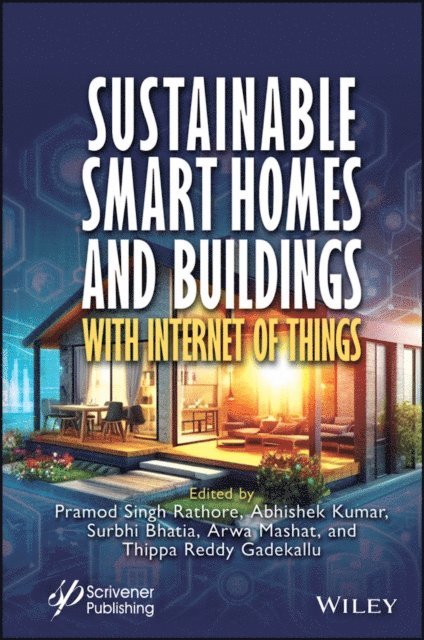
Written and edited by a team of experts in the field, this exciting new volume explores the real-world applications and methods for using Internet of Things (IoT) to make homes and buildings smart and sustainable and to continue working toward a “greener” world.
Sustainable Smart Homes and Buildings with Internet of Things (IoT) is a book that explores the integration of renewable energy sources and IoT technology in the design and management of smart homes and buildings. The book covers various topics related to the subject, including energy efficiency, real-time monitoring, control and optimization of renewable energy sources, smart grid integration, energy storage systems, and microgrids.
The book explains how IoT technology can be used to collect data from various sensors and devices installed in smart homes and buildings to create a real-time monitoring and control system for renewable energy sources, which can help optimize energy usage and reduce waste. It also discusses the challenges and opportunities associated with the integration of renewable energy sources in smart homes and buildings, and how these challenges can be addressed through the use of IoT technology.
The book is intended for architects, engineers, building managers, energy professionals, and researchers interested in the design and management of sustainable smart homes and buildings. It provides practical insights, case studies, and examples that illustrate the benefits of using renewable energy sources and IoT technology to create energy-efficient, environmentally friendly, and comfortable living spaces.