735 kr
Skickas inom 10-15 vardagar
735 kr
Skickas inom 10-15 vardagar
830 kr
Läs direkt efter köp
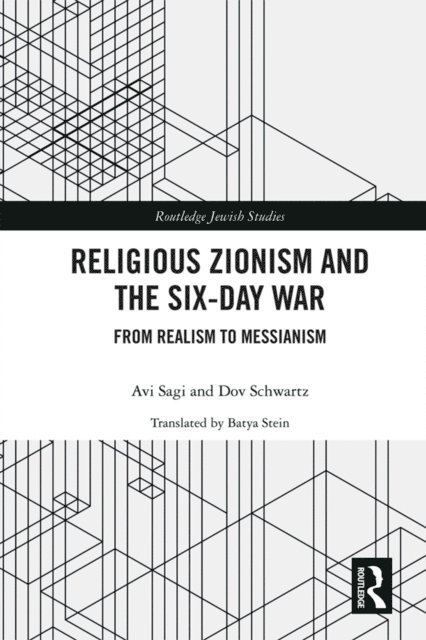
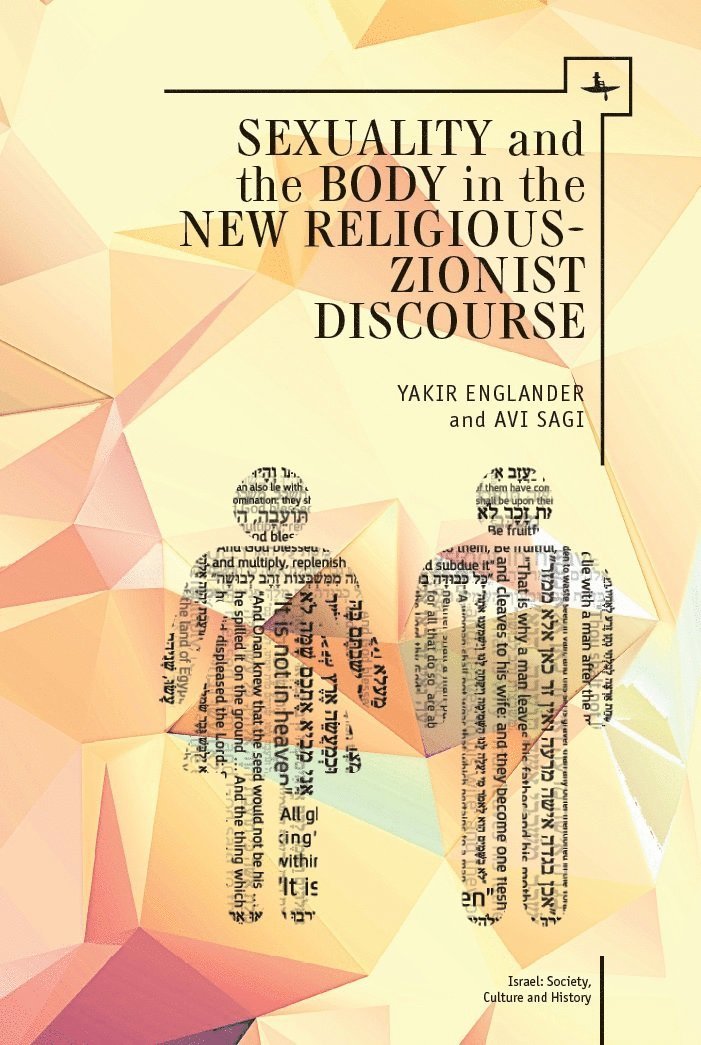
This book offers a new insight into the political, social, and religious conduct of religious-Zionism, whose consequences are evident in Israeli society today. Before the Six-Day War, religious-Zionism had limited its concern to the protection of specific religious interests, with its representatives having little share in the determination of Israel’s national agenda. Fifty years after it, religious-Zionism has turned into one of Israeli society’s dominant elements. The presence of this group in all aspects of Israel’s life and its members’ determination to set Israel’s social, cultural, and international agenda is indisputable.
Delving into this dramatic transformation, the book depicts the Six-Day War as a constitutive event that indelibly changed the political and religious consciousness of religious-Zionists. The perception of real history that had guided this movement from its dawn was replaced by a "sacred history" approach that became an actual program of political activity. As part of a process that has unfolded over the last thirty years, the body and sexuality have also become a central concern in the movement’s practice, reflection, and discourse. The how and why of this shift in religious-Zionism – from passivity and a consciousness of marginality to the front lines of public life – is this book’s central concern.
The book will be of interest to readers and scholars concerned with changing dynamic societies and with the study of religion and particularly with the relationship between religion and politics.
822 kr
Läs direkt efter köp
This book offers a new insight into the political, social, and religious conduct of religious-Zionism, whose consequences are evident in Israeli society today. Before the Six-Day War, religious-Zionism had limited its concern to the protection of specific religious interests, with its representatives having little share in the determination of Israel’s national agenda. Fifty years after it, religious-Zionism has turned into one of Israeli society’s dominant elements. The presence of this group in all aspects of Israel’s life and its members’ determination to set Israel’s social, cultural, and international agenda is indisputable.
Delving into this dramatic transformation, the book depicts the Six-Day War as a constitutive event that indelibly changed the political and religious consciousness of religious-Zionists. The perception of real history that had guided this movement from its dawn was replaced by a "sacred history" approach that became an actual program of political activity. As part of a process that has unfolded over the last thirty years, the body and sexuality have also become a central concern in the movement’s practice, reflection, and discourse. The how and why of this shift in religious-Zionism – from passivity and a consciousness of marginality to the front lines of public life – is this book’s central concern.
The book will be of interest to readers and scholars concerned with changing dynamic societies and with the study of religion and particularly with the relationship between religion and politics.
589 kr
Läs direkt efter köp
2 115 kr
Skickas inom 10-15 vardagar
569 kr
Skickas inom 10-15 vardagar
2 256 kr
Skickas inom 10-15 vardagar
1 061 kr
Skickas inom 10-15 vardagar
2 561 kr
Skickas inom 10-15 vardagar
1 144 kr
Läs direkt efter köp
610 kr
Läs direkt efter köp
555 kr
Skickas inom 10-15 vardagar
1 975 kr
Skickas inom 10-15 vardagar
2 541 kr
Läs direkt efter köp
1 561 kr
Skickas
2 541 kr
Läs direkt efter köp
460 kr
Skickas
1 108 kr
Skickas
1 170 kr
Skickas
2 522 kr
Läs direkt efter köp
1 017 kr
Skickas
2 541 kr
Läs direkt efter köp
1 356 kr
Skickas inom 5-8 vardagar
1 466 kr
Skickas inom 5-8 vardagar
409 kr
Skickas inom 5-8 vardagar
1 568 kr
Skickas inom 10-15 vardagar
1 906 kr
Läs direkt efter köp
1 568 kr
Skickas inom 10-15 vardagar
1 345 kr
Skickas inom 10-15 vardagar
1 736 kr
Läs direkt efter köp
An epidemic such as COVID-19 challenges life’s very order and meaning, interferes in our relations with others, and breaks apart our routine. It raises many questions in the realms of ethics, politics, theology, psychology, and beyond. Perhaps more than anything else, it prompts us to ponder: what does this encounter with widespread anguish and distress imply about the human self-perception as sovereign rulers of Earthly life?
In this book, renowned thinker Avi Sagi explores the existential matters brought to the philosophical fore by the pandemic. He shows how we, when thrown into the terror of a crisis, carry the traditions, values, ideals, hopes, failures, and habits that constitute our lives, all shaping the way we grapple with questions seemingly resolved. We may then find that the crack that opens up at times of sorrow can also be a moment of discovery. Sagi analyzes various ways of confronting the crack now at the heart of our existence. What emerges is a clear normative statement: We are not only what we were but also what we can be, and we can create a world of meaning by standing together with others.