B. Fraser – författare
Visar alla böcker från författaren B. Fraser. Handla med fri frakt och snabb leverans.
5 produkter
5 produkter
6 349 kr
Skickas inom 10-15 vardagar
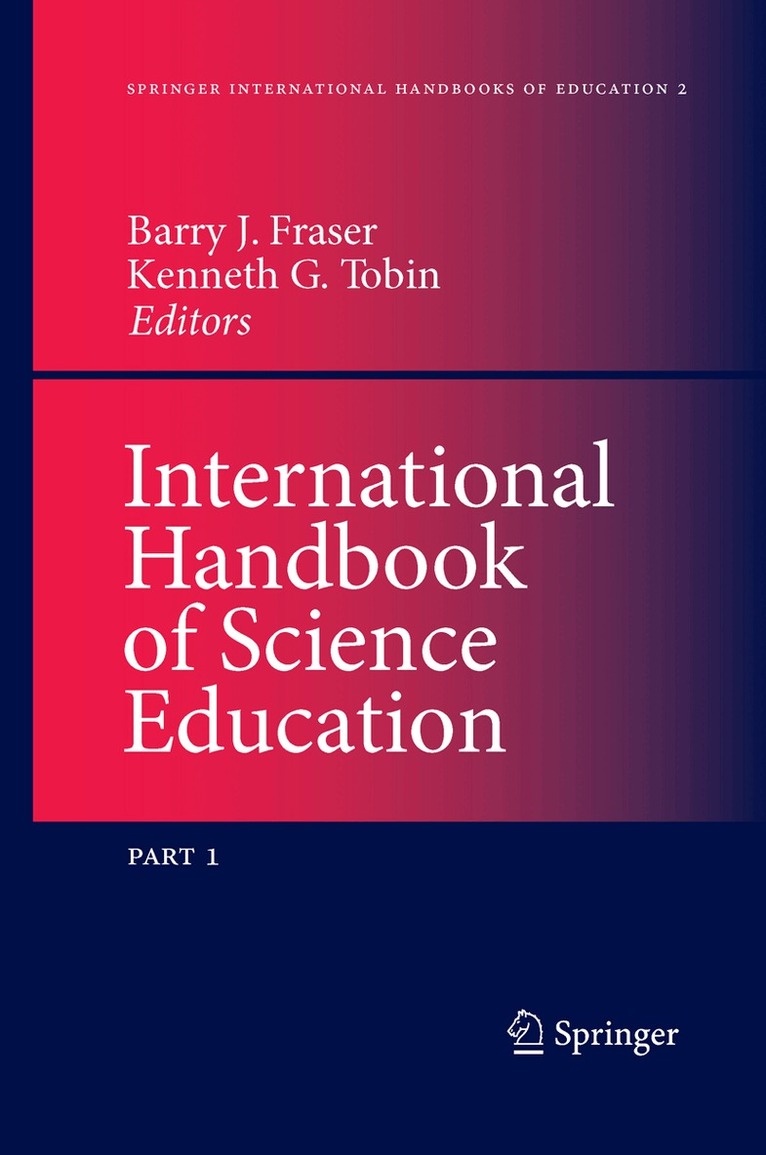
The International Handbook of Science Education is a two volume edition consisting of 77 chapters arranged into 10 sections pertaining to the most significant issues in science education. Current research and thinking and associated implications for practice are presented for learning, teaching, learning environments, teacher education, curriculum, educational technology, research methods, assessments and evaluation, equity, and history and philosophy of science. Each section contains a lead chapter that provides an overview and synthesis of the field and 5-8 related chapters that provide a narrower focus on research and current thinking on the key issues in that field. Researchers from around the world have participated as authors and consultants to produce a resource that is comprehensive, detailed and up to date for the late 1990s.
Inbunden, Engelska, 1995
1 620 kr
Skickas inom 10-15 vardagar
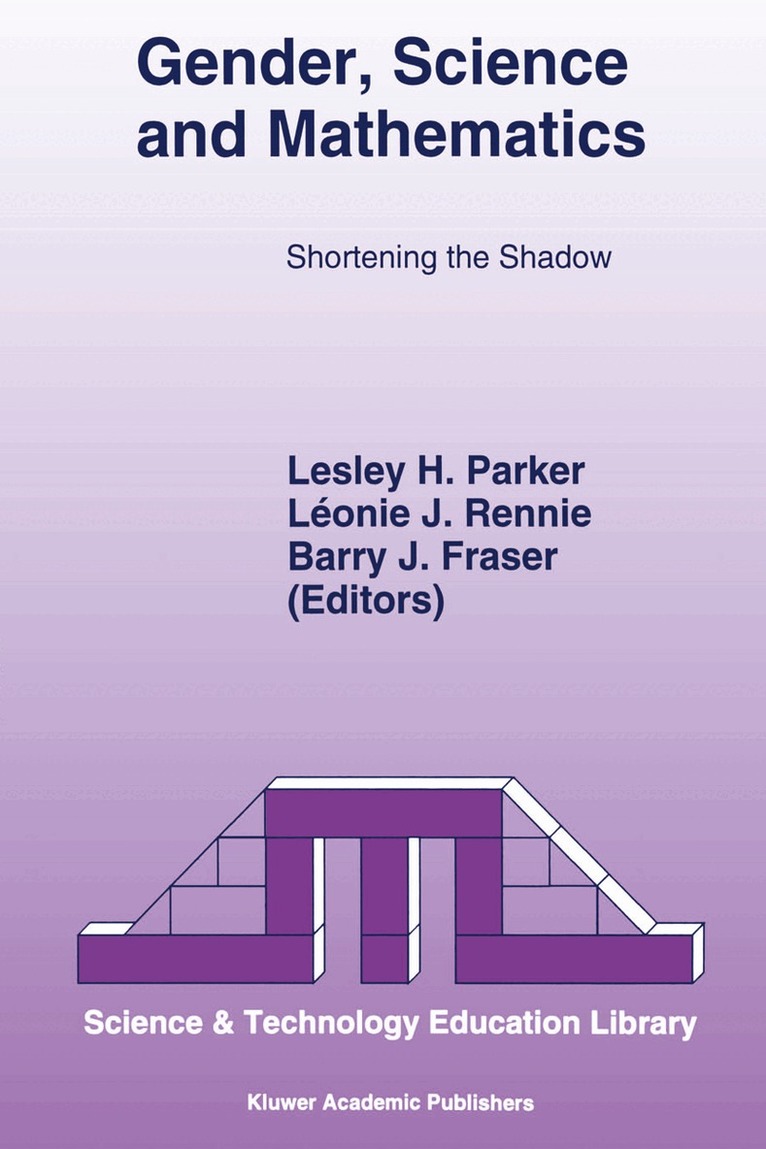
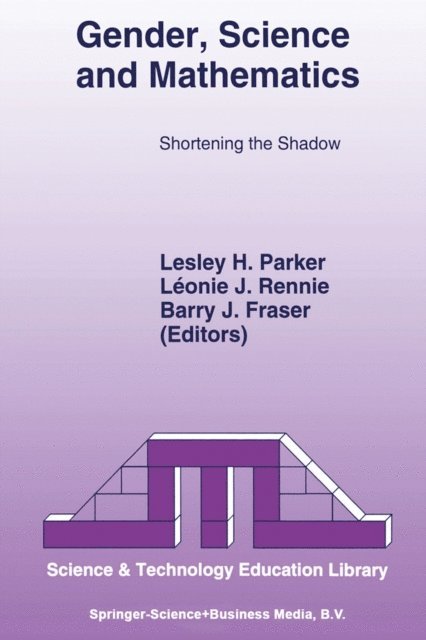
The theme of this work is that change agents, such as teachers and curriculum writers, have a key role in the translation of gender equity policy into gender equitable practices in science and mathematics education. The first section emphasizes that a necessary prerequisite for successful action is for scientists, students, teachers, teacher trainees, curriculum writers and researchers to confront the many different and often conflicting perspectives on the relationship between gender, science and mathematics. The second section presents a number of analyses of the reality of schools, classrooms, curriculum and assessment. Finally, the third section describes a variety of projects that have achieved some success in bringing about more equitable science and mathematics education. Ways are suggested in which future research and action can build on these expectations. The book provides examples and adopts a practical approach. The research and thinking presented has a wide and general applicability. The book is designed for use throughout the world in university and college courses and by policy makers concerned with the gender/science/mathematics relationship.
Häftad, Engelska, 1995
1 574 kr
Skickas inom 10-15 vardagar
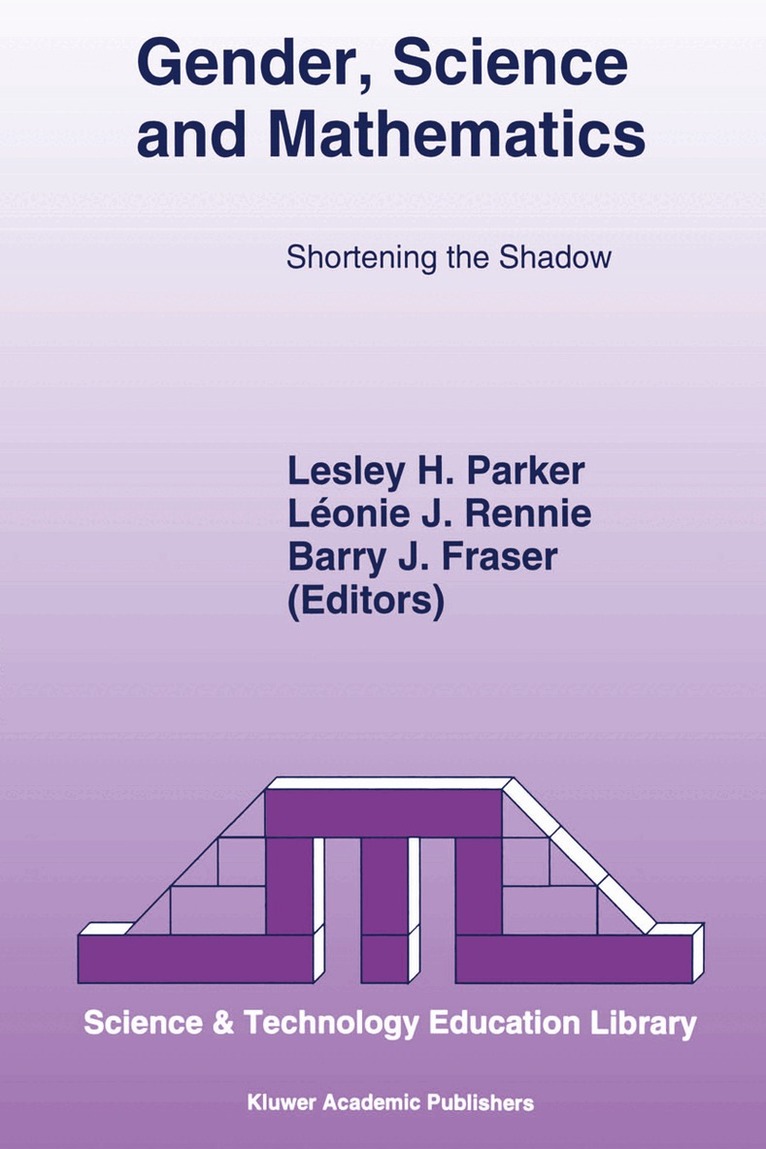
Throughout the Western world, the relationship between gender, science and math ematics has emerged as critical in a variety of contexts. In tertiary institutions, the study of "gender issues", frequently with reference to science and mathematics, is of central significance to many disciplines. Gender studies are being offered as sepa rate courses or parts of existing courses in preservice and postgraduate teacher edu cation, women's studies, technology studies and policy studies. In addition, in the broader context of education at all levels from primary/elementary through to higher, concerned policy-makers and practitioners frequently focus on the interaction of gender, science and mathematics in their attempts to reform and improve education for all students. In all of these contexts, there is an urgent need for suitable texts, both to provide resources for teachers and students and to inform policy-makers and practitioners. This book has been developed specifically to meet this need. It is designed to be used throughout the world in a variety of tertiary courses and by policy-makers concerned with activities which interface with the gender/science/mathematics rela tionship. It provides examples which illustrate vividly the rich field from which practitioners and policy-makers in this area now can draw. Its particular appeal will stem from its practical approach and creative future perspective, the international renown of the authors and the generalisability of the recent research and thinking presented in each of the chapters.
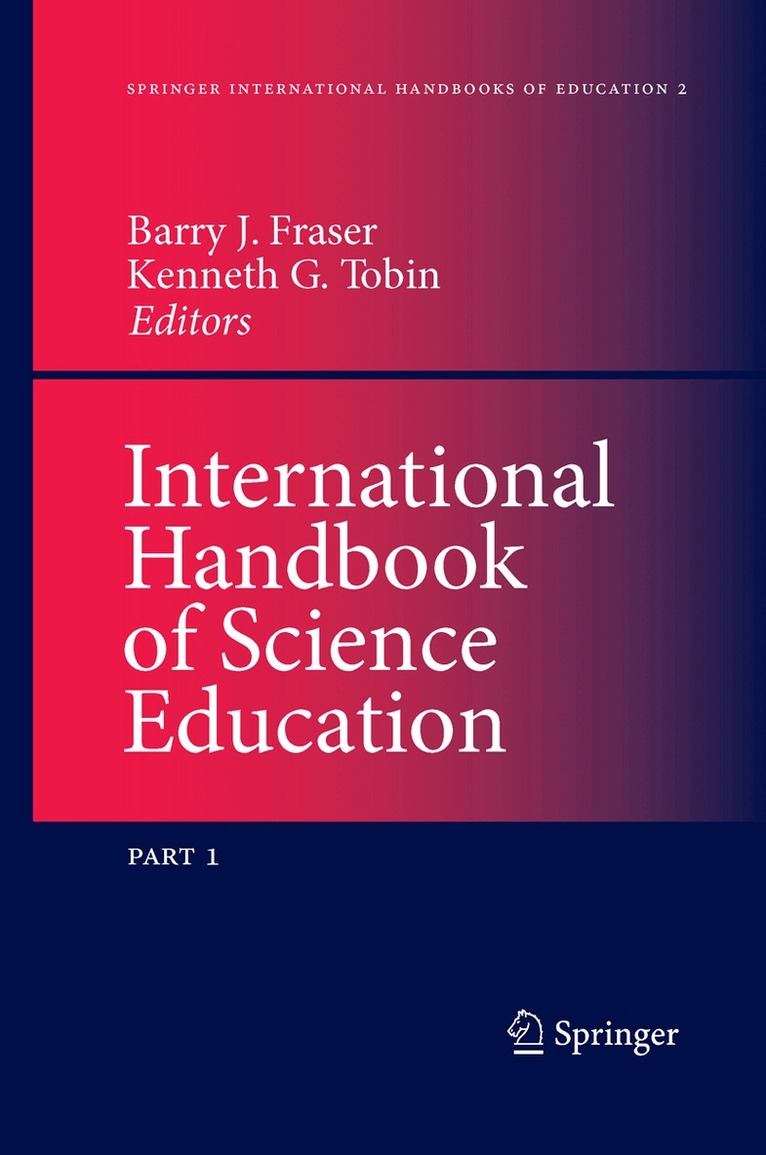
Del 2 - Springer International Handbooks of Education
International Handbook of Science Education
6 983 kr
Skickas inom 10-15 vardagar
The field of science education has been developing for over half a century and has flourished especially during the previous few decades. It is timely and fitting now that the International Handbook of Science Education should be assembled to synthesise and reconceptualise past research and theorising in science education, provide practical implications for improving science education, and suggest desir able ways to advance the field in the future. This Handbook provides a detailed and up-to-date overview of advanced international scholarship in science education. This two-volume, 72-chapter, 1,200+-page work is the largest and most comprehensive resource ever produced in science education for use by researchers, teacher educators, policy-makers, advis ers, teachers and graduate students. In structuring the Handbook, we divided the field of science education into the following ten significant areas: • Learning • Teaching • Educational Technology • Curriculum • Learning Environments • Teacher Education • Assessment and Evaluation • Equity • History and Philosophy of Science • Research Methods To each section, we appointed a 'section coordinator', who is a leading international scholar in that particular area and who assisted us in identifying authors and top ics for a section and in evaluating drafts of chapters and suggesting improve ments.
E-bok
PDF, Engelska, 20122 049 kr
Läs direkt efter köp
Throughout the Western world, the relationship between gender, science and math ematics has emerged as critical in a variety of contexts. In tertiary institutions, the study of "gender issues", frequently with reference to science and mathematics, is of central significance to many disciplines. Gender studies are being offered as sepa rate courses or parts of existing courses in preservice and postgraduate teacher edu cation, women''s studies, technology studies and policy studies. In addition, in the broader context of education at all levels from primary/elementary through to higher, concerned policy-makers and practitioners frequently focus on the interaction of gender, science and mathematics in their attempts to reform and improve education for all students. In all of these contexts, there is an urgent need for suitable texts, both to provide resources for teachers and students and to inform policy-makers and practitioners. This book has been developed specifically to meet this need. It is designed to be used throughout the world in a variety of tertiary courses and by policy-makers concerned with activities which interface with the gender/science/mathematics rela tionship. It provides examples which illustrate vividly the rich field from which practitioners and policy-makers in this area now can draw. Its particular appeal will stem from its practical approach and creative future perspective, the international renown of the authors and the generalisability of the recent research and thinking presented in each of the chapters.