B. Vlaardingerbroek – författare
Visar alla böcker från författaren B. Vlaardingerbroek. Handla med fri frakt och snabb leverans.
5 produkter
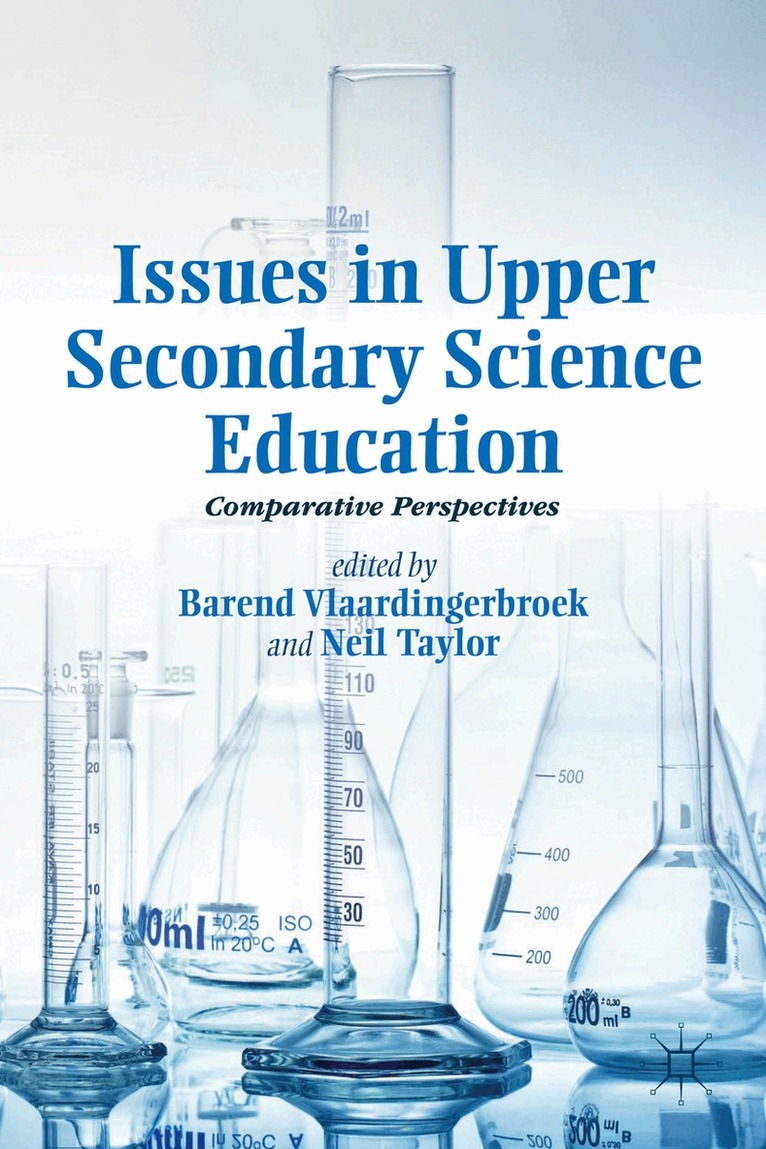
Issues in Upper Secondary Science Education
Comparative Perspectives
Av Neil Taylor, B. Vlaardingerbroek
Inbunden, 2014
492 kr
Lägg i varukorg
This book provides a comparative look at key issues that characterize and contextualize upper secondary science education in sixteen countries in Oceania, South America, Asia, Europe, North America, Africa, and the Middle East, incluing links with elementary and early science, final assessment, and …
Issues in Upper Secondary Science Education
Comparative Perspectives
Av Neil Taylor, B. Vlaardingerbroek
E-bok, 2014
741 kr
Lägg i varukorg
This book provides a comparative look at key issues that characterize and contextualize upper secondary science education in sixteen countries in Oceania, South America, Asia, Europe, North America, Africa, and the Middle East, incluing links with elementary and early science, final assessment, and …
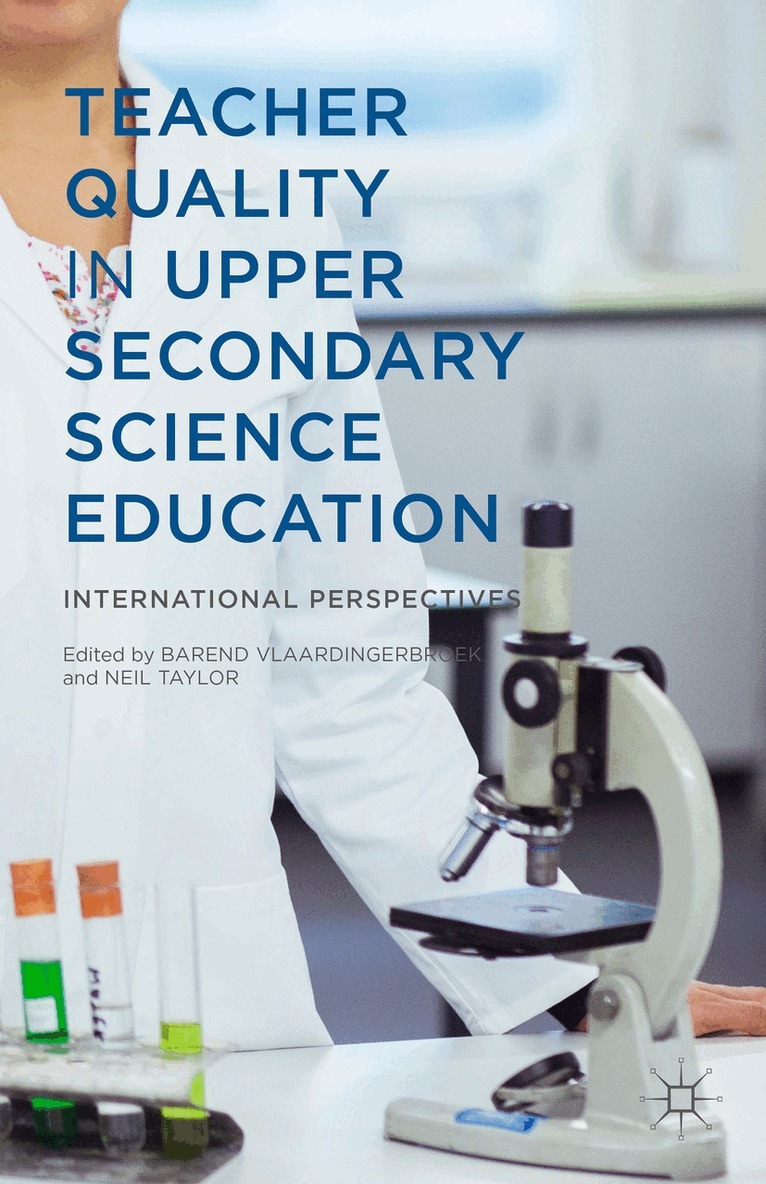
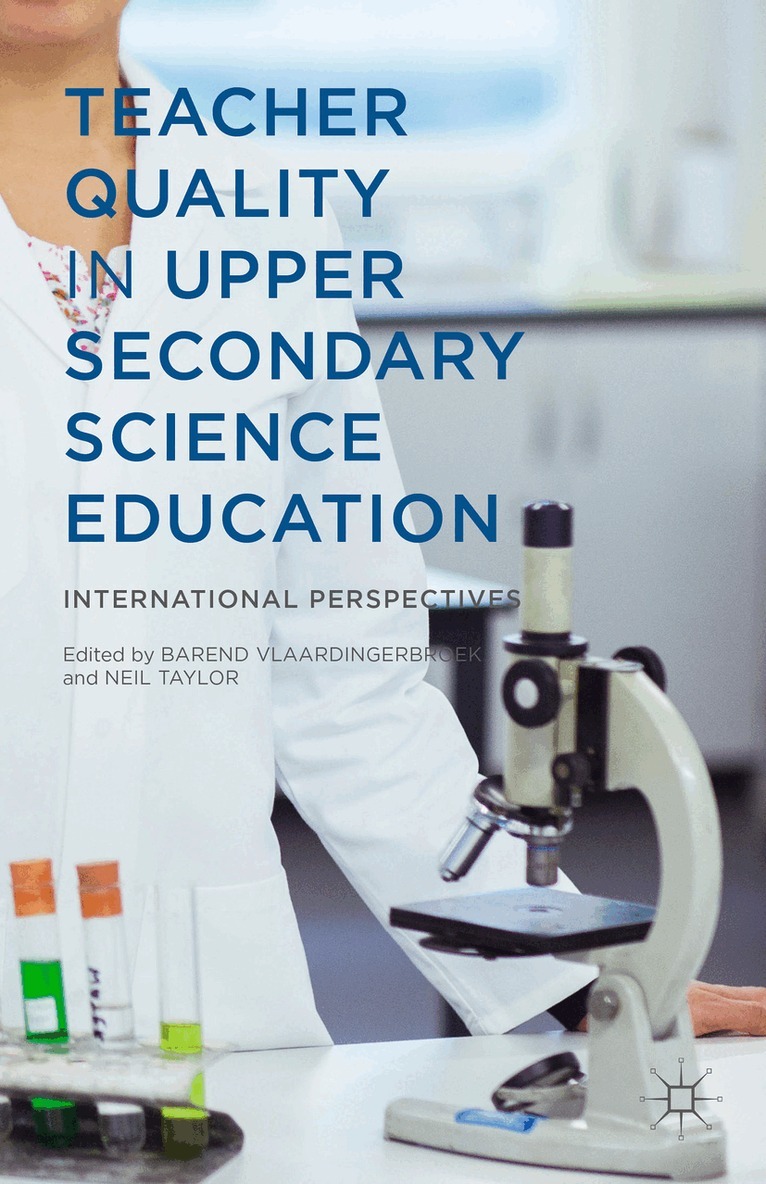
Teacher Quality in Upper Secondary Science Education
International Perspectives
Av B. Vlaardingerbroek, N. Taylor
Inbunden, 2016
536 kr
Lägg i varukorg
Upper secondary science is the bridge to science-related careers and thereby to human capital formation in science and technology. Quality rather than quantity is what counts at this level and teacher quality is a major determinant. This book looks at upper secondary science teacher quality in …
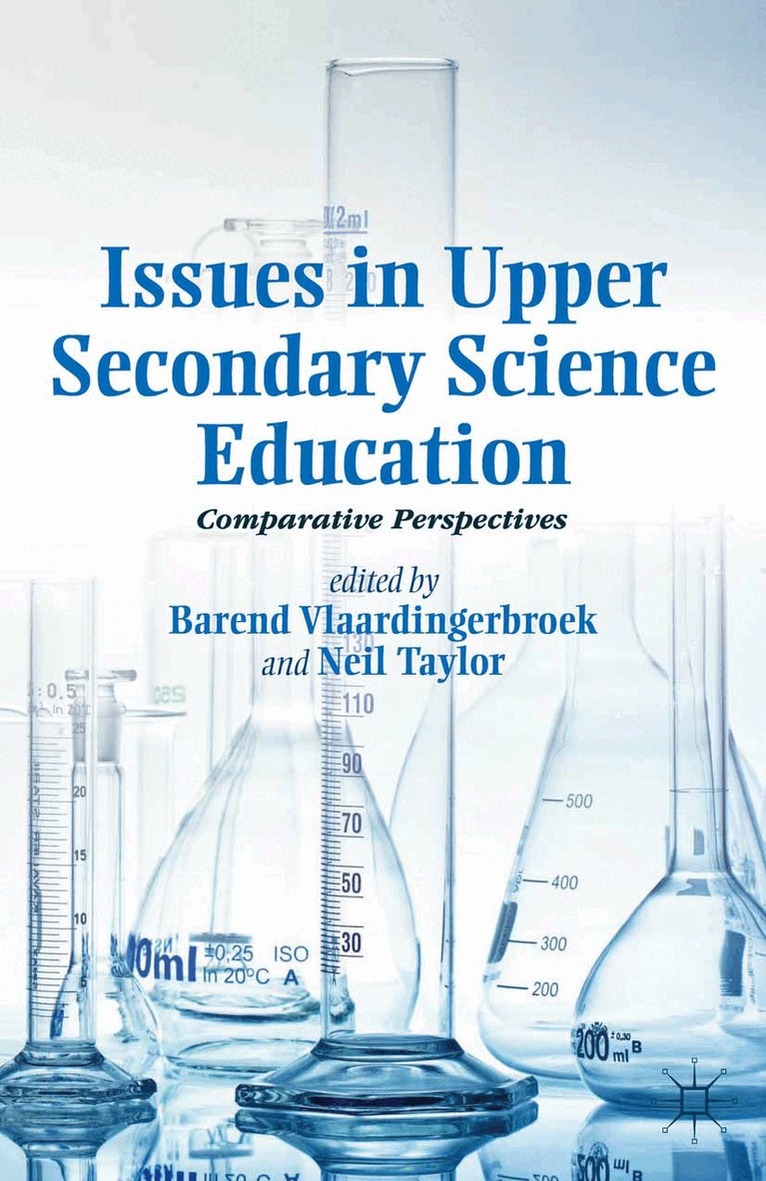
Issues in Upper Secondary Science Education
Comparative Perspectives
Av Neil Taylor, B. Vlaardingerbroek
Häftad, 2014
491 kr
Lägg i varukorg
This book provides a comparative look at key issues that characterize and contextualize upper secondary science education in sixteen countries in Oceania, South America, Asia, Europe, North America, Africa, and the Middle East, incluing links with elementary and early science, final assessment, and …
Teacher Quality in Upper Secondary Science Education
International Perspectives
Av B. Vlaardingerbroek, N. Taylor
Häftad, 2016
585 kr
Lägg i varukorg
Upper secondary science is the bridge to science-related careers and thereby to human capital formation in science and technology. Quality rather than quantity is what counts at this level and teacher quality is a major determinant. This book looks at upper secondary science teacher quality in …