N. Taylor – författare
Visar alla böcker från författaren N. Taylor. Handla med fri frakt och snabb leverans.
4 produkter
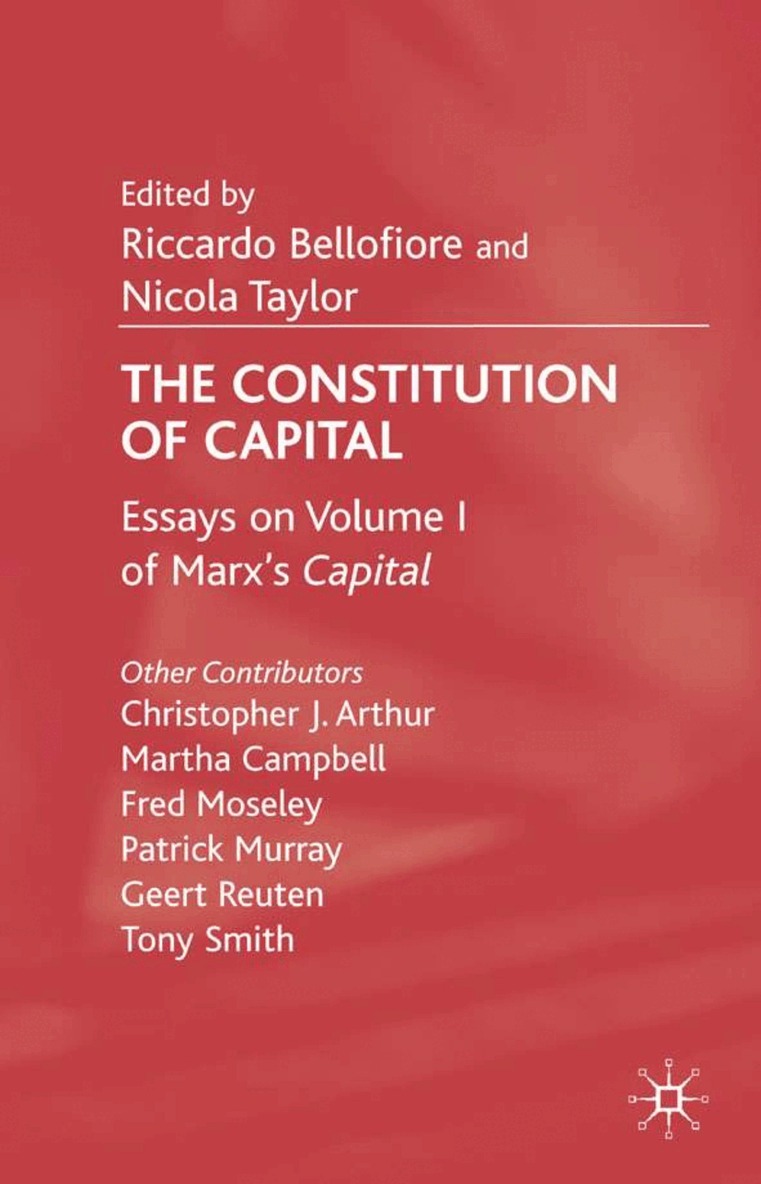
Constitution of Capital
Essays on Volume 1 of Marx's Capital
Inbunden, 2004
1202 kr
Lägg i varukorg
The essays in this collection address specific themes in Volume I of Marx's Capital . Although the essays can be read independently, they present complementary perspectives on issues at the cutting edge of recent scholarship on Marx's work. Although all Parts of Capital I are discussed, the book is …
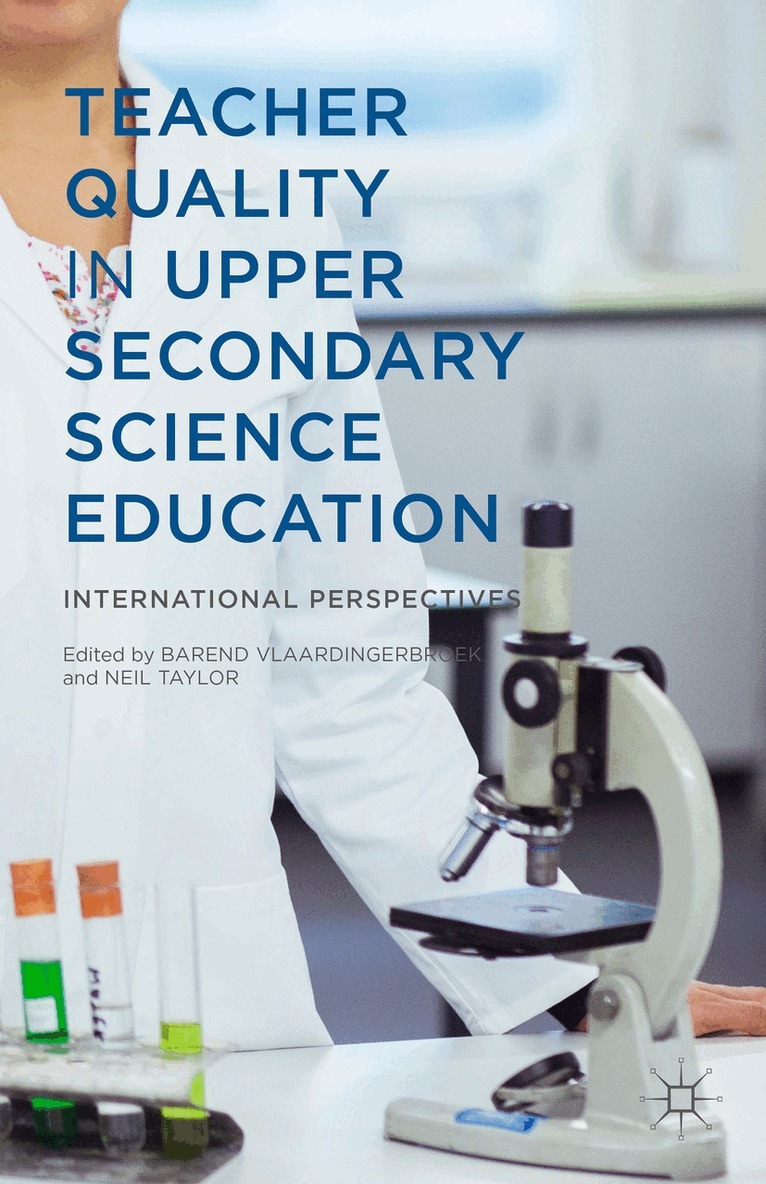
Teacher Quality in Upper Secondary Science Education
International Perspectives
Av B. Vlaardingerbroek, N. Taylor
Inbunden, 2016
536 kr
Lägg i varukorg
Upper secondary science is the bridge to science-related careers and thereby to human capital formation in science and technology. Quality rather than quantity is what counts at this level and teacher quality is a major determinant. This book looks at upper secondary science teacher quality in …
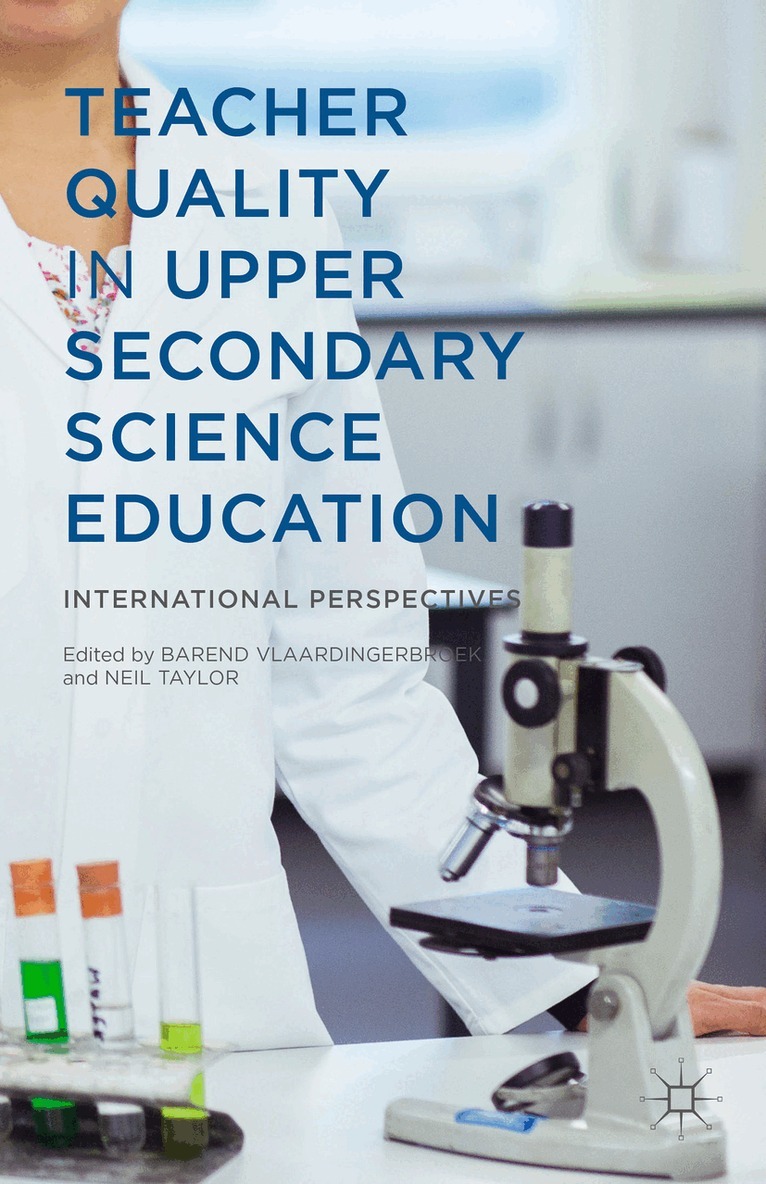
Teacher Quality in Upper Secondary Science Education
International Perspectives
Av B. Vlaardingerbroek, N. Taylor
Häftad, 2016
585 kr
Lägg i varukorg
Upper secondary science is the bridge to science-related careers and thereby to human capital formation in science and technology. Quality rather than quantity is what counts at this level and teacher quality is a major determinant. This book looks at upper secondary science teacher quality in …
Constitution of Capital
Essays on Volume 1 of Marx''s Capital
E-bok, 2004
1684 kr
Lägg i varukorg
The essays in this collection address specific themes in Volume I of Marx''s Capital . Although the essays can be read independently, they present complementary perspectives on issues at the cutting edge of recent scholarship on Marx''s work. Although all Parts of Capital I are discussed, the book …