Barbara G. Wheeler - Böcker
Visar alla böcker från författaren Barbara G. Wheeler. Handla med fri frakt och snabb leverans.
3 produkter
3 produkter
1 008 kr
Skickas inom 5-8 vardagar
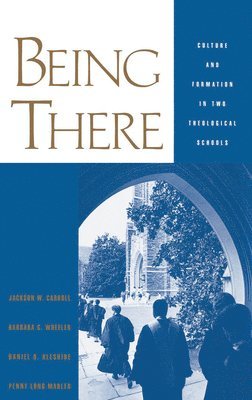
This book offers a close-up look at theological education in the USA today. The authors' goal is to understand the way in which institutional culture affects the outcome of the educational process. To that end, they undertake ethnographic studies of two seminaries -- one evangelical and one mainline Protestant. These studies, written in a lively journalistic style, make up the first part of the book and offer fascinating portraits of two very different intellectual, religious, and social worlds.The authors go on to analyse these disparate environments, and suggest how in each case corporate culture acts as an agent of educational change. They find two major consequences stemming from the culture of each school. First, each culture gives expression to a normative goal that aims at shaping the way students understand themselves and from issues of ministry practice. Second, each provides a "cultural tool kit" of knowledge, practices, and skills that students use to construct strategies of action for the various problems and issues that will confront them as pastors or in other forms of ministry. In the concluding chapters, the authors explore the implications of their findings for theories of institutional culture and professional socialization and for interpreting the state of religion in America. They identify some of the practical dilemmas that theological and other professional schools currently face, and reflect on how their findings might contribute to their solution. This accessible, thought-provoking study will not only illuminate the structure and process by which culture educates and forms, but also provide invaluable insights into important dynamics of American religious life.
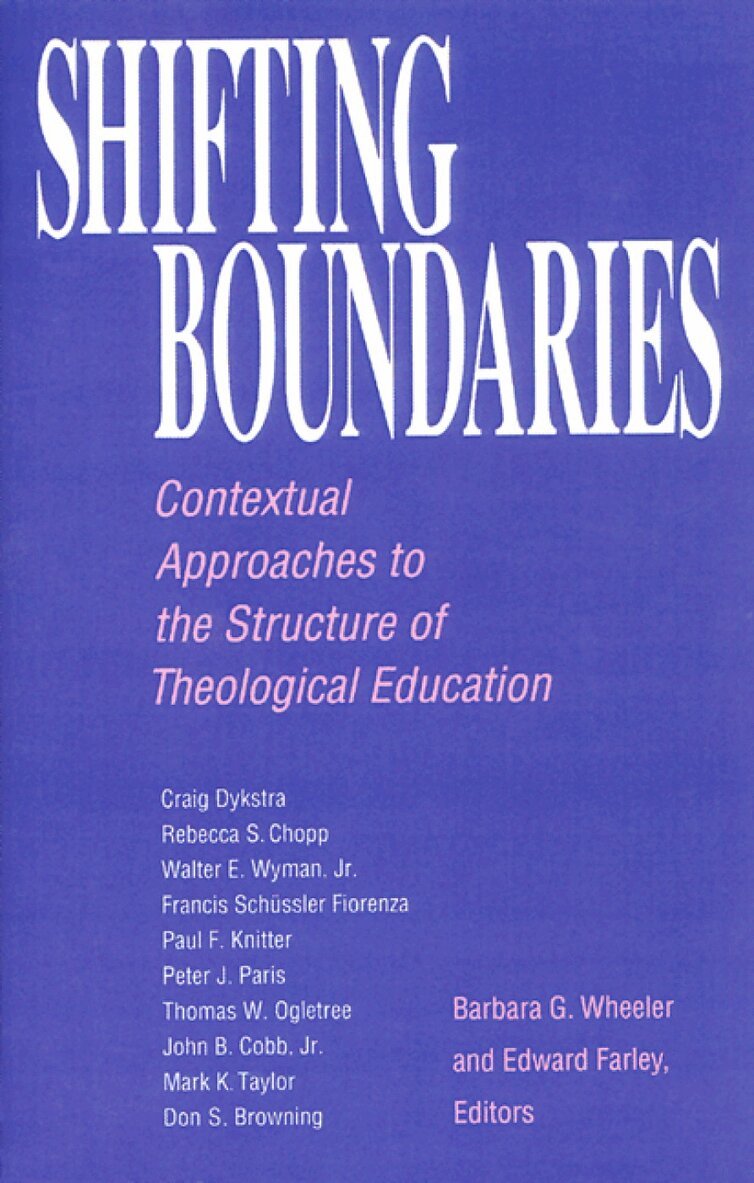
Shifting Boundaries
Contextual Approaches to the Structure of Theological Education
Häftad, Engelska, 1991
589 kr
Skickas inom 3-6 vardagar
An outstanding group of authors address the structure of theological education using different avenues of approach. Each writer describes and frames a theological response to a major feature of the contemporary scene. The contributors look at events and movements that shape the organization of theological studies, including a review of black religion, feminism, practical theology, and liberation movements. They explore interrelating issues such as social ethics, seminary and university education, and historical consciousness.
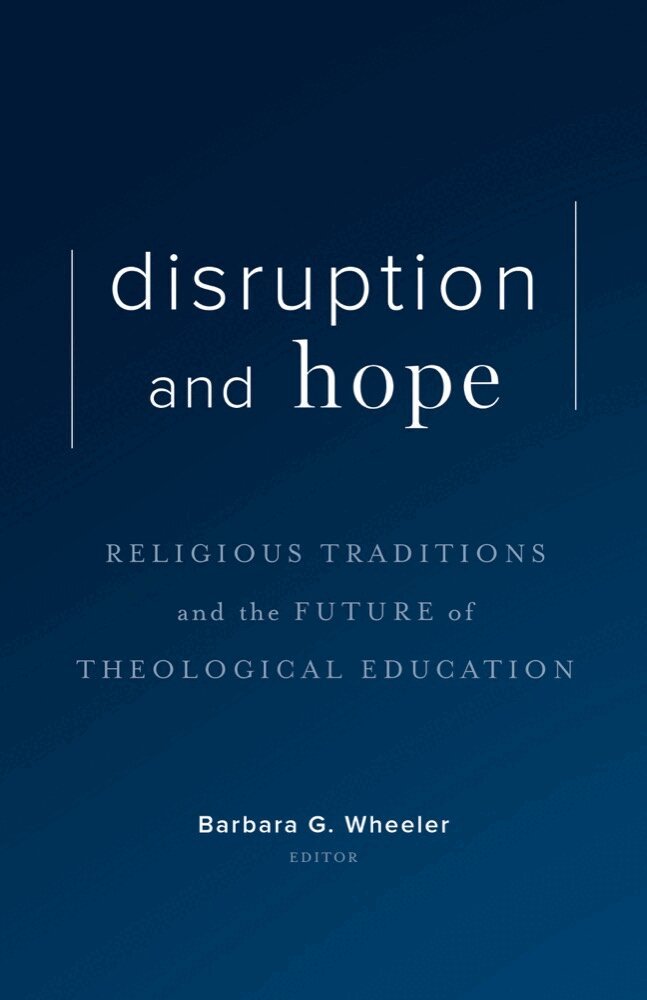
Disruption and Hope
Religious Traditions and the Future of Theological Education
Inbunden, Engelska, 2019
380 kr
Skickas inom 10-15 vardagar
During times of rapid social and religious change, leadership rooted in tradition and committed to the future is the foundation upon which theological schools stand. Theological education owes itself to countless predecessors who paved the way for a thriving academic culture that holds together faith and learning. Daniel O. Aleshire is one of these forerunners who devoted his career to educating future generations through institutional reforms. In honor of Aleshire's decades of leadership over the Association of Theological Schools, the essays in this book propose methods for schools of various denominational backgrounds to restructure the form and content of their programs by resourcing their own distinctive Christian heritages. Four essayists, former seminary presidents, explore the ideas, doctrines, and ways of life in their schools' traditions to identify the essential characteristics that will carry their institutions into the future. Additionally, two academic leaders focus on the contributions and challenges for Christian schools presented by non-Christian traditions in a rapidly pluralizing landscape. Together, these six essays offer a pattern of authentic, innovative movement for theological institutions to take toward revitalization as they face new trials and possibilities with faithfulness and hope. This volume concludes with closing words by the honoree himself, offering ways to learn from and grow through Aleshire's legacy. Contributors: Barbara G. Wheeler, Richard J. Mouw, Martha J. Horne, Donald Senior, David L. Tiede, Judith A. Berling, Daniel O. Aleshire