Barry Lord – författare
Visar alla böcker från författaren Barry Lord. Handla med fri frakt och snabb leverans.
5 produkter
5 produkter
875 kr
Skickas inom 10-15 vardagar
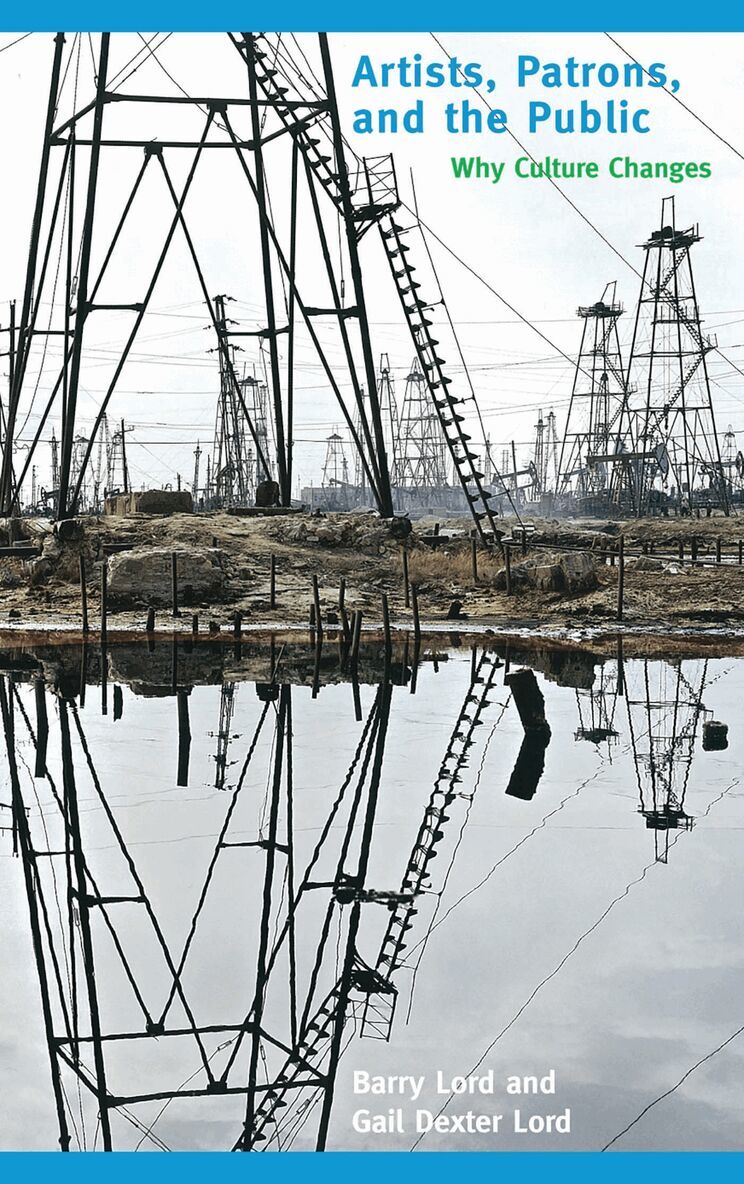
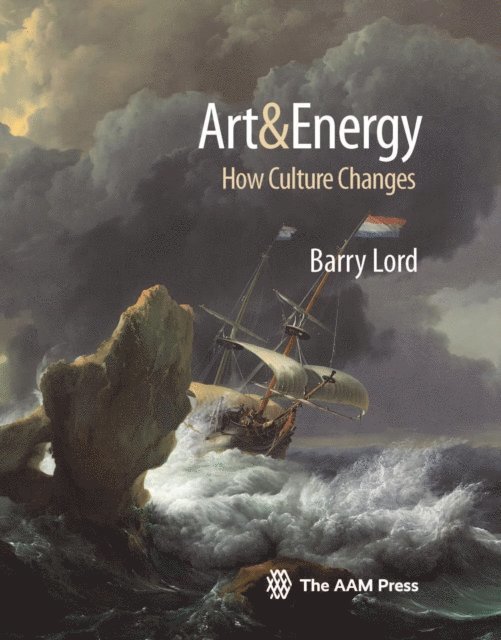
In this book, Barry and Gail Lord focus their two lifetimes of international experience working in the cultural sector on the challenging questions of why and how culture changes. They situate their discourse on aesthetic culture within a broad and inclusive definition of culture in relation to material, physical and socio-political cultures. Here at last is a dynamic understanding of the work of art, in all aspects, media and disciplines, illuminating both the primary role of the artist in initiating cultural change, and the crucial role of patronage in sustaining the artist. Drawing on their worldwide experience, they demonstrate the interdependence of artistic production, patronage, and audience and the remarkable transformations that we have witnessed through the millennia of the history of the arts, from our ancient past to the knowledge economy of the twenty-first century. Questions of cultural identity, migration, and our growing environmental consciousness are just a few examples of the contexts in which the Lords show how and why our cultural values are formed and transformed. This book is intended for artists, students, and teachers of art history, museum studies, cultural studies, and philosophy, and for cultural workers in all media and disciplines. It is above all intended for those who think of themselves first as audience because we are all participants in cultural change.
2 627 kr
Skickas inom 10-15 vardagar
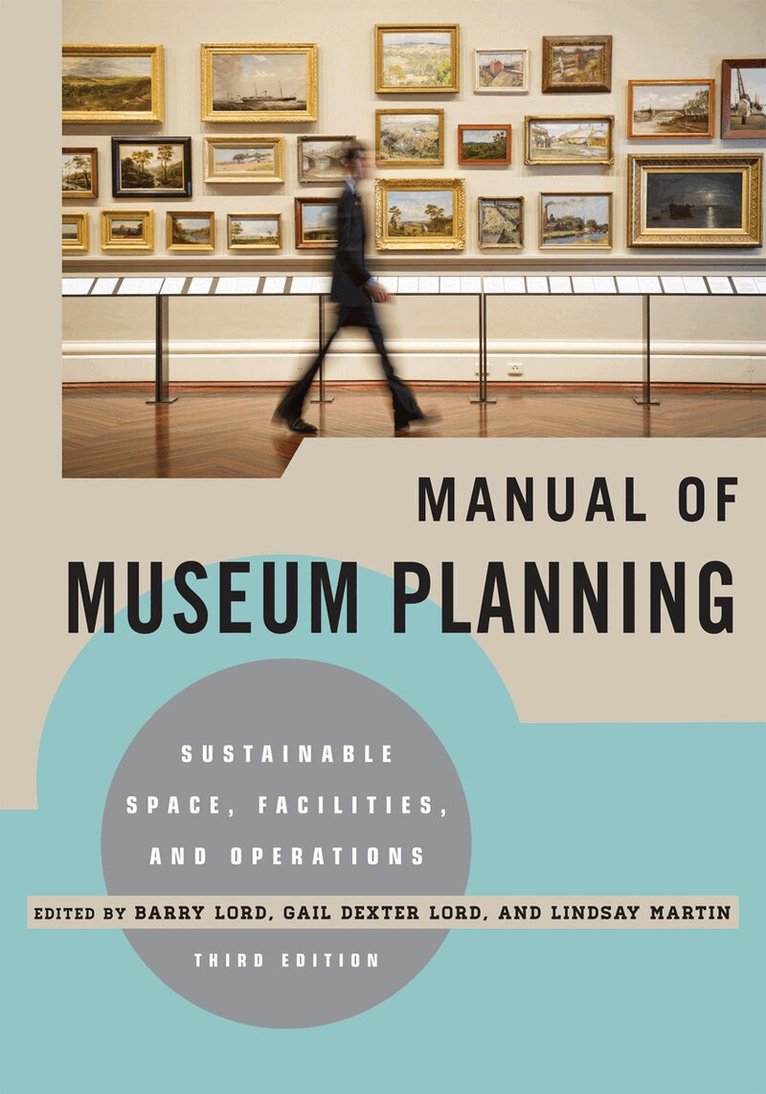
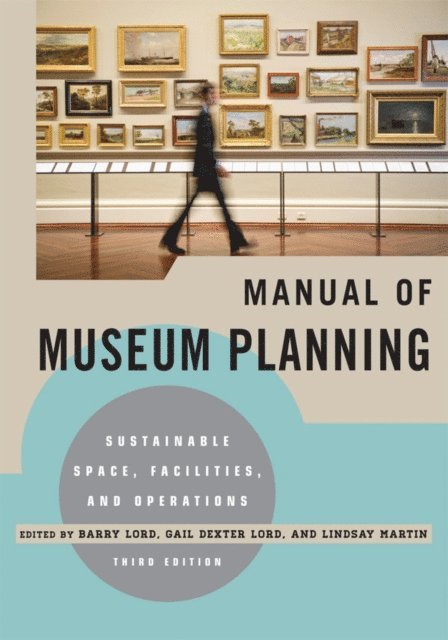
As museums have taken on more complex roles in their communities and the number of museum stakeholders has increased to include a greater array of people, effective museum planning is more important than ever. The Manual of Museum Planning has become the definitive text for museum professionals, trustees, architects, and others who are concerned with the planning, design, construction, renovation, or expansion of a public gallery or museum.Rewritten and reorganized, the third edition features revised sections on planning for visitors, collections, and the building itself, and new sections on operations and implementation, which have become an essential part of the planning process. This new edition of the Manual of Museum Planning has been updated to meet the needs of professional museum practice in the 21st century and includes contributions by leading museum professionals.This manual is intended to be used as a guide for museum professionals, board members or trustees, government agencies, architects, designers, engineers, cost consultants, or other specialist consultants embarking on a capital project—expansion, renovation, or new construction of museum space.
1 520 kr
Skickas inom 10-15 vardagar
As museums have taken on more complex roles in their communities and the number of museum stakeholders has increased to include a greater array of people, effective museum planning is more important than ever. The Manual of Museum Planning has become the definitive text for museum professionals, trustees, architects, and others who are concerned with the planning, design, construction, renovation, or expansion of a public gallery or museum.Rewritten and reorganized, the third edition features revised sections on planning for visitors, collections, and the building itself, and new sections on operations and implementation, which have become an essential part of the planning process. This new edition of the Manual of Museum Planning has been updated to meet the needs of professional museum practice in the 21st century and includes contributions by leading museum professionals.This manual is intended to be used as a guide for museum professionals, board members or trustees, government agencies, architects, designers, engineers, cost consultants, or other specialist consultants embarking on a capital project—expansion, renovation, or new construction of museum space.
1 619 kr
Skickas inom 10-15 vardagar
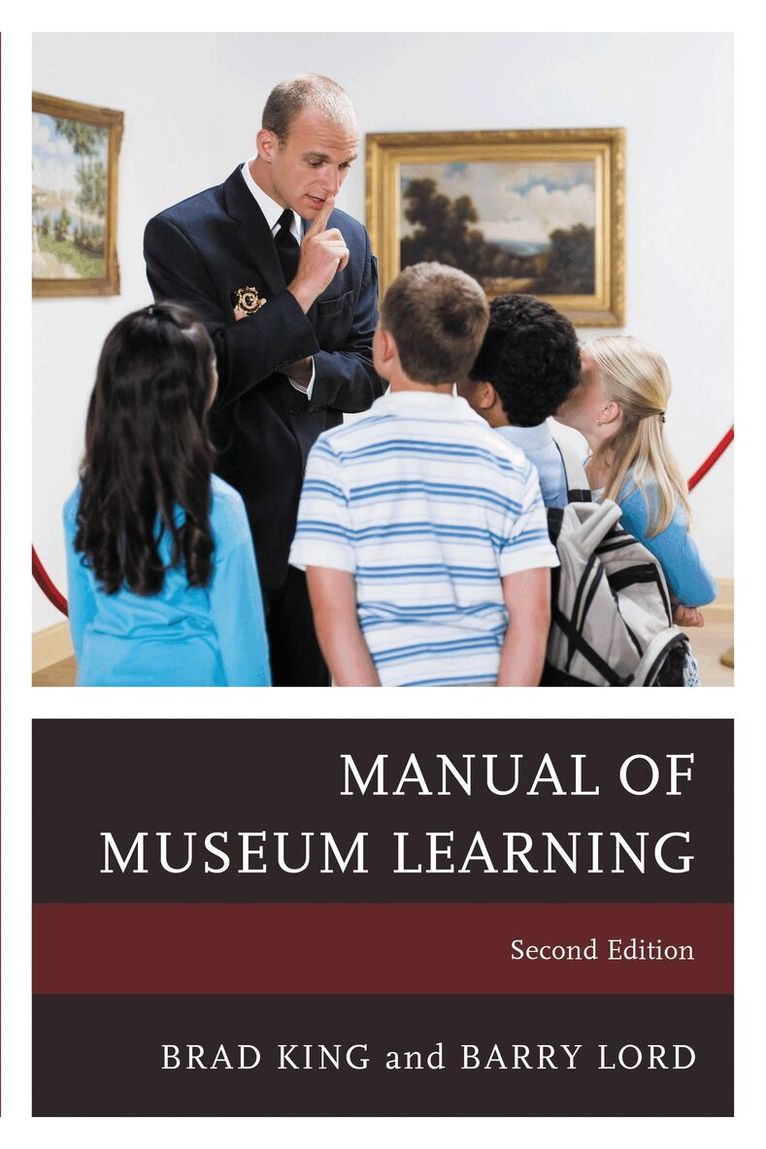
Museum learning is a vital component of the lifelong-learning process.In this new edition of The Manual of Museum Learning, leading museum education professionals offer practical advice for creating successful learning experiences in museums and related institutions (such as galleries, zoos, and botanic gardens) that can attract and intrigue diverse audiences.The original Manual of Museum Learning was published in 2007. The editors have totally rethought this new edition. This second edition focuses on the ways museum staffs (and the departments for which they work) can facilitate the experience in a way that capitalizes on their individual institutional strengths. The goal of this new edition is to provide museums with guidance in developing a strategic approach to their learning programs. There is a close connection between institution-wide strategic planning – where an institution decides what course and direction it will take for a five to seven-year period – and its approach to museum learning. One size does not fit all, and what each museum is (or aspires to be) will affect its individual approach.Thus there are many routes for museums to take, many alternative ways for them to play this role. No one museum can be all things to all prospective learners; they will be better suited to some approaches than to others. This new edition identifies these approaches and enables museums to find the paths for which they are individually best suited, to help them identify their own unique approaches to facilitating museum learning. Each one’s mission and vision, its relationships with institutional and public stakeholders, local cultural and market factors, its individual collection and programmatic strengths, its financial position – all of these things matter. This second edition aims to help each museum find the right approach to learning for its unique situation by showing them the range of museum “personalities” in terms of their being learning institutions, what constitutes each type, and what the implications are of choosing one or another approach for a particular museum.A major theme of the 2nd edition of The Manual of Museum Learning is museum as connector; the ways in which museums are facilitating self-directed learning by connecting people with resources. Not all will connect audiences with learning vehicles in the same way. If museum learning is affective learning, then it is the role of the museum to connect its visitors, program participants and others who benefit from its knowledge to the learning resources that best suit the institution’s strengths and matches them to the learning needs of the museum’s audiences. By connecting users to the resources they are most interested in, or which best suit each individual’s particular learning styles, museums are at their best when they empower individuals to design their own learning experience in ways that resonate best with each individual.
833 kr
Skickas inom 10-15 vardagar
Museum learning is a vital component of the lifelong-learning process.In this new edition of The Manual of Museum Learning, leading museum education professionals offer practical advice for creating successful learning experiences in museums and related institutions (such as galleries, zoos, and botanic gardens) that can attract and intrigue diverse audiences.The original Manual of Museum Learning was published in 2007. The editors have totally rethought this new edition. This second edition focuses on the ways museum staffs (and the departments for which they work) can facilitate the experience in a way that capitalizes on their individual institutional strengths. The goal of this new edition is to provide museums with guidance in developing a strategic approach to their learning programs. There is a close connection between institution-wide strategic planning – where an institution decides what course and direction it will take for a five to seven-year period – and its approach to museum learning. One size does not fit all, and what each museum is (or aspires to be) will affect its individual approach.Thus there are many routes for museums to take, many alternative ways for them to play this role. No one museum can be all things to all prospective learners; they will be better suited to some approaches than to others. This new edition identifies these approaches and enables museums to find the paths for which they are individually best suited, to help them identify their own unique approaches to facilitating museum learning. Each one’s mission and vision, its relationships with institutional and public stakeholders, local cultural and market factors, its individual collection and programmatic strengths, its financial position – all of these things matter. This second edition aims to help each museum find the right approach to learning for its unique situation by showing them the range of museum “personalities” in terms of their being learning institutions, what constitutes each type, and what the implications are of choosing one or another approach for a particular museum.A major theme of the 2nd edition of The Manual of Museum Learning is museum as connector; the ways in which museums are facilitating self-directed learning by connecting people with resources. Not all will connect audiences with learning vehicles in the same way. If museum learning is affective learning, then it is the role of the museum to connect its visitors, program participants and others who benefit from its knowledge to the learning resources that best suit the institution’s strengths and matches them to the learning needs of the museum’s audiences. By connecting users to the resources they are most interested in, or which best suit each individual’s particular learning styles, museums are at their best when they empower individuals to design their own learning experience in ways that resonate best with each individual.