Ben Wubs – författare
Visar alla böcker från författaren Ben Wubs. Handla med fri frakt och snabb leverans.
24 produkter
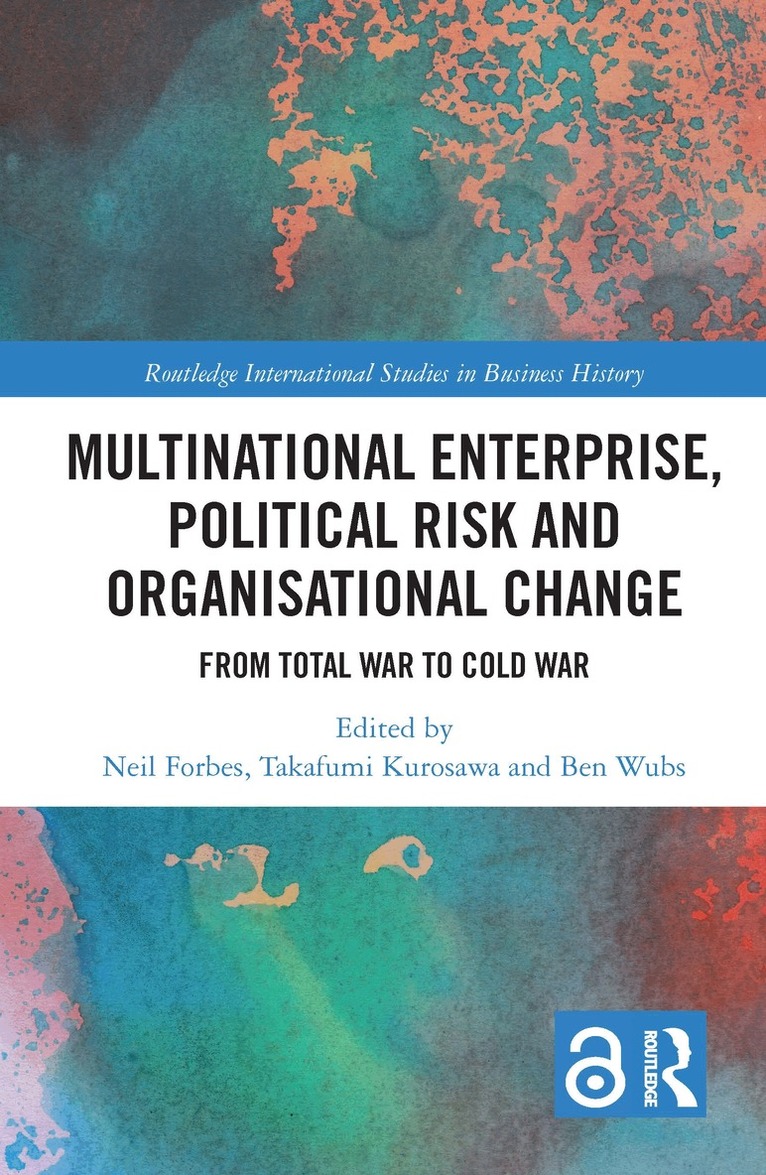
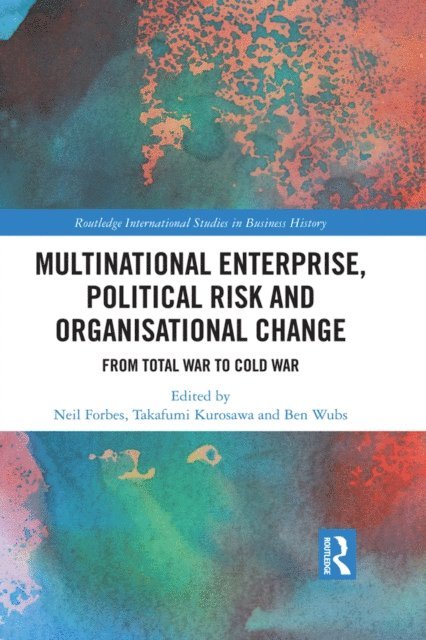
Multinational Enterprise, Political Risk and Organisational Change
From Total War to Cold War
Av Neil Forbes, Takafumi Kurosawa m. fl.
Häftad, 2020
816 kr
Lägg i varukorg
Hitherto, the organization of international business has been studied mostly from a managerial point of view or by examining the relationship between firms and the economy. Yet, the development of the modern, multinational firm - the most important type of business organisation - has been strongly …
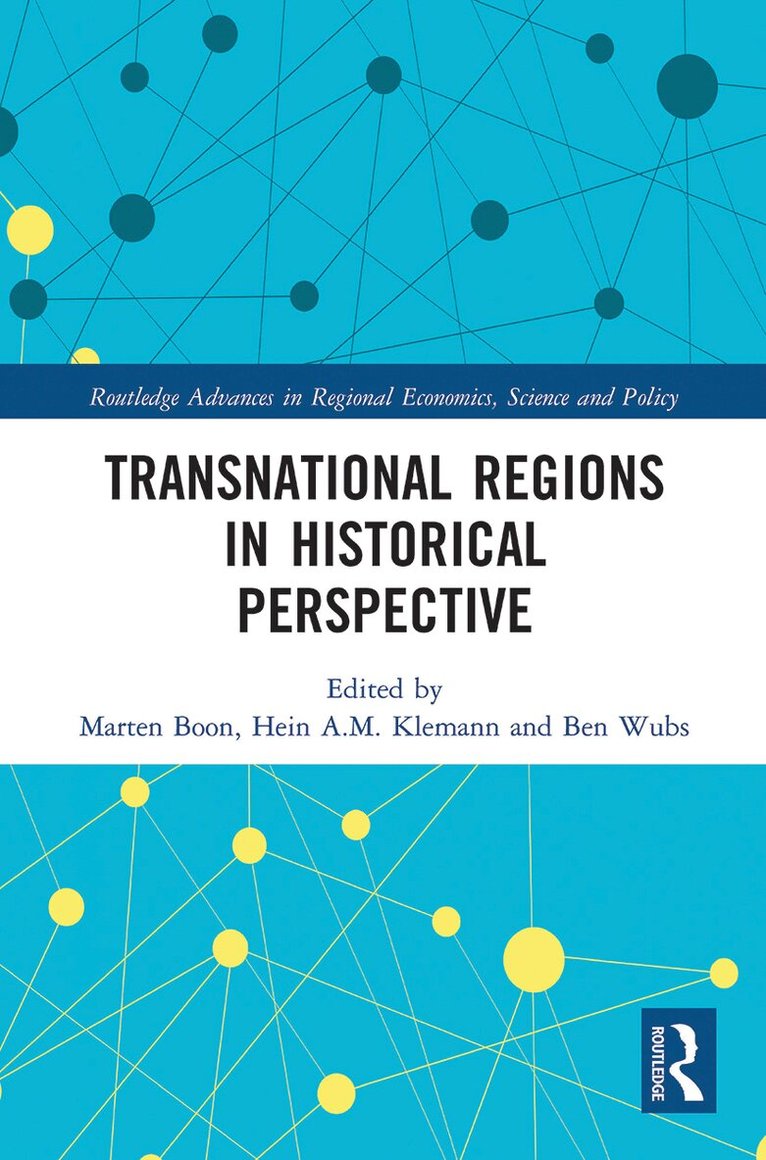
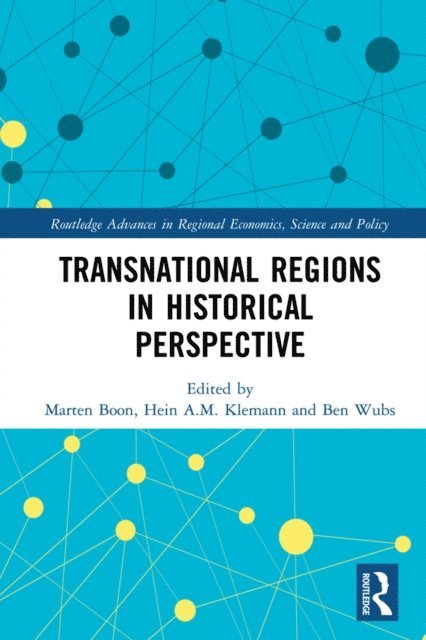
Transnational Regions in Historical Perspective
Av Marten Boon, Hein A.M. Klemann m. fl.
Häftad, 2021
720 kr
Lägg i varukorg
National competitiveness has become a misnomer, as competitiveness is increasingly understood as a regional phenomenon and regions are not confined to the boundaries of the nation state. This book focuses on the Port of Rotterdam and its hinterland – i.e. the Lower Rhine and the Ruhr area. A …
International Business and National War Interests
Unilever between Reich and empire, 1939-45
Av Ben Wubs
Inbunden, 2008
2585 kr
Lägg i varukorg
This book deals with the activities of the Anglo-Dutch multinational during the war. Given the various threats faced by Unilever during the Nazi period, Ben Wubs argues that it was not self evident that the company would survive the war. Based on research into company sources which were hitherto …
Between Coercion and Private Initiative
Entrepreneurial Freedom of Action during the 'Third Reich'
Av Ben Wubs, Roman Koster m. fl.
E-bok, 2022
785 kr
Lägg i varukorg
This book explores the extent of private companies’ freedom of action during the Nazi period through six case studies of different economic sectors. Since the mid-1990s, historical research has intensively discussed the role played by private, domestic and foreign enterprises during the ‘Third …
Between Coercion and Private Initiative
Entrepreneurial Freedom of Action during the 'Third Reich'
Av Ben Wubs, Roman Koster m. fl.
E-bok, 2022
785 kr
Lägg i varukorg
This book explores the extent of private companies’ freedom of action during the Nazi period through six case studies of different economic sectors. Since the mid-1990s, historical research has intensively discussed the role played by private, domestic and foreign enterprises during the ‘Third …
Between Coercion and Private Initiative
Entrepreneurial Freedom of Action during the ‘Third Reich’
Av Ralf Banken, Roman Köster m. fl.
Inbunden, 2022
2585 kr
Lägg i varukorg
This book explores the extent of private companies’ freedom of action during the Nazi period through six case studies of different economic sectors. Since the mid-1990s, historical research has intensively discussed the role played by private, domestic and foreign enterprises during the ‘Third …
Between Coercion and Private Initiative
Entrepreneurial Freedom of Action during the ‘Third Reich’
Av Ralf Banken, Roman Köster m. fl.
Häftad, 2024
667 kr
Lägg i varukorg
This book explores the extent of private companies’ freedom of action during the Nazi period through six case studies of different economic sectors. Since the mid-1990s, historical research has intensively discussed the role played by private, domestic and foreign enterprises during the ‘Third …
International Business and National War Interests
Unilever between Reich and empire, 1939-45
Av Ben Wubs
E-bok, 2008
1204 kr
Lägg i varukorg
This book deals with the activities of the Anglo-Dutch multinational during the war. Given the various threats faced by Unilever during the Nazi period, Ben Wubs argues that it was not self evident that the company would survive the war. Based on research into company sources which were hitherto …
International Business and National War Interests
Unilever between Reich and empire, 1939-45
Av Ben Wubs
E-bok, 2008
1204 kr
Lägg i varukorg
This book deals with the activities of the Anglo-Dutch multinational during the war. Given the various threats faced by Unilever during the Nazi period, Ben Wubs argues that it was not self evident that the company would survive the war. Based on research into company sources which were hitherto …
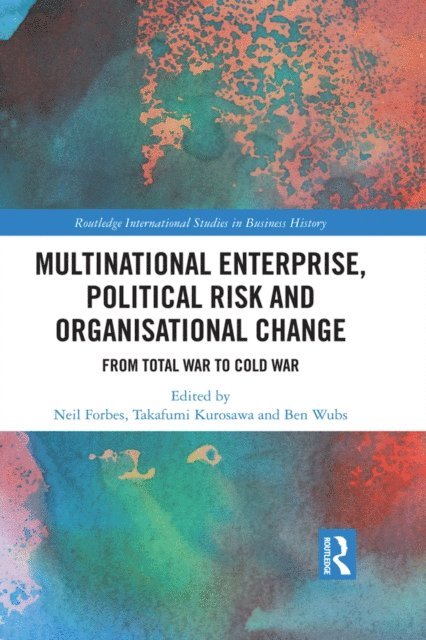
Multinational Enterprise, Political Risk and Organisational Change
From Total War to Cold War
Av Neil Forbes, Takafumi Kurosawa m. fl.
Inbunden, 2018
2824 kr
Lägg i varukorg
Hitherto, the organization of international business has been studied mostly from a managerial point of view or by examining the relationship between firms and the economy. Yet, the development of the modern, multinational firm - the most important type of business organisation - has been strongly …
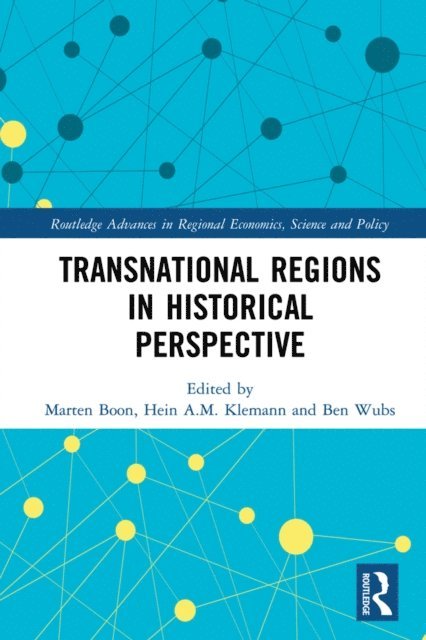
Transnational Regions in Historical Perspective
Av Marten Boon, Hein A.M. Klemann m. fl.
Inbunden, 2019
2585 kr
Lägg i varukorg
National competitiveness has become a misnomer, as competitiveness is increasingly understood as a regional phenomenon and regions are not confined to the boundaries of the nation state. This book focuses on the Port of Rotterdam and its hinterland – i.e. the Lower Rhine and the Ruhr area. A …
International Business and National War Interests
Unilever between Reich and empire, 1939-45
Av Ben Wubs
Häftad, 2015
1041 kr
Lägg i varukorg
This book deals with the activities of the Anglo-Dutch multinational during the war. Given the various threats faced by Unilever during the Nazi period, Ben Wubs argues that it was not self evident that the company would survive the war. Based on research into company sources which were hitherto …
Transnational Regions in Historical Perspective
Av Ben Wubs, Hein A.M. Klemann m. fl.
E-bok, 2019
874 kr
Lägg i varukorg
National competitiveness has become a misnomer, as competitiveness is increasingly understood as a regional phenomenon and regions are not confined to the boundaries of the nation state. This book focuses on the Port of Rotterdam and its hinterland – i.e. the Lower Rhine and the Ruhr area. A …
Transnational Regions in Historical Perspective
Av Ben Wubs, Hein A.M. Klemann m. fl.
E-bok, 2019
849 kr
Lägg i varukorg
National competitiveness has become a misnomer, as competitiveness is increasingly understood as a regional phenomenon and regions are not confined to the boundaries of the nation state. This book focuses on the Port of Rotterdam and its hinterland – i.e. the Lower Rhine and the Ruhr area. A …
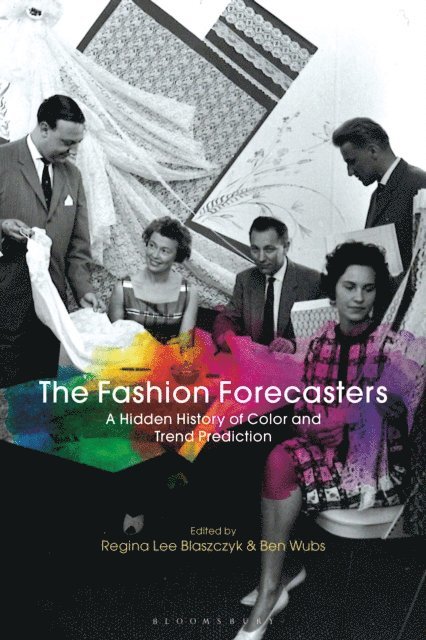
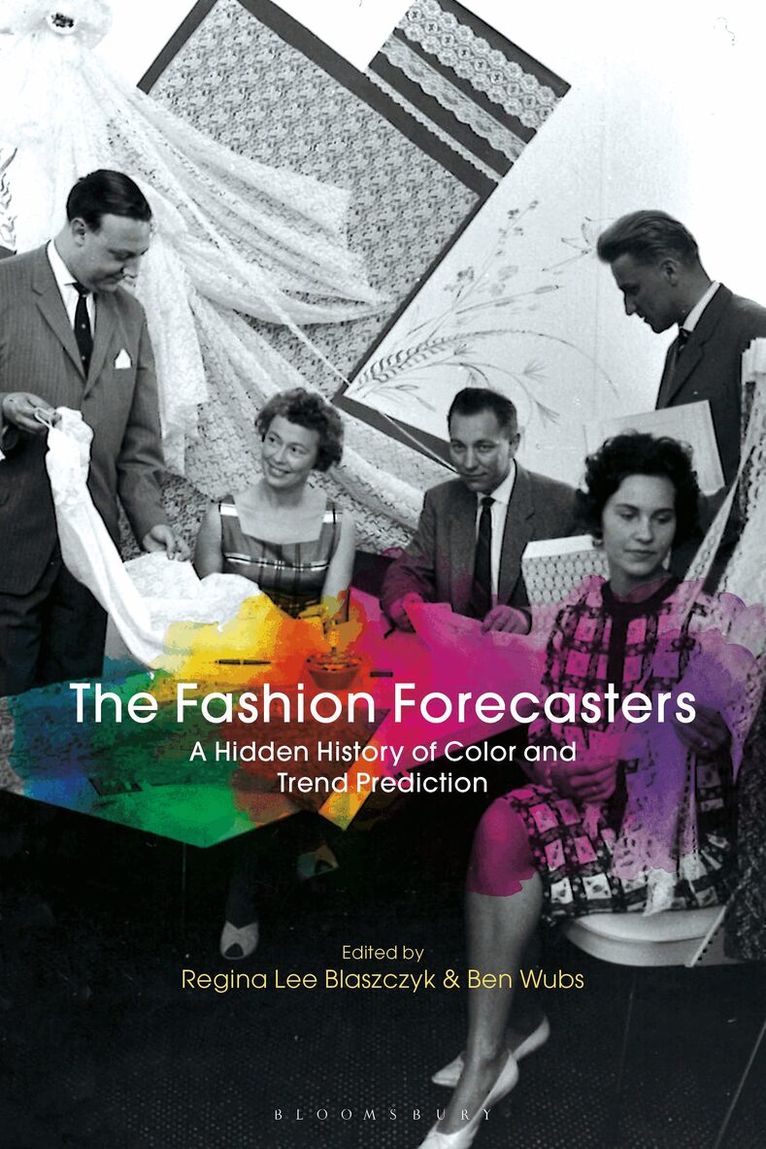
Fashion Forecasters
A Hidden History of Color and Trend Prediction
Av Regina Lee Blaszczyk, Ben Wubs
E-bok, 2018
466 kr
Lägg i varukorg
The fashion business has been collecting and analyzing information about colors, fabrics, silhouettes, and styles since the 18th century - activities that have long been shrouded in mystery. The Fashion Forecasters is the first book to reveal the hidden history of color and trend forecasting and to …
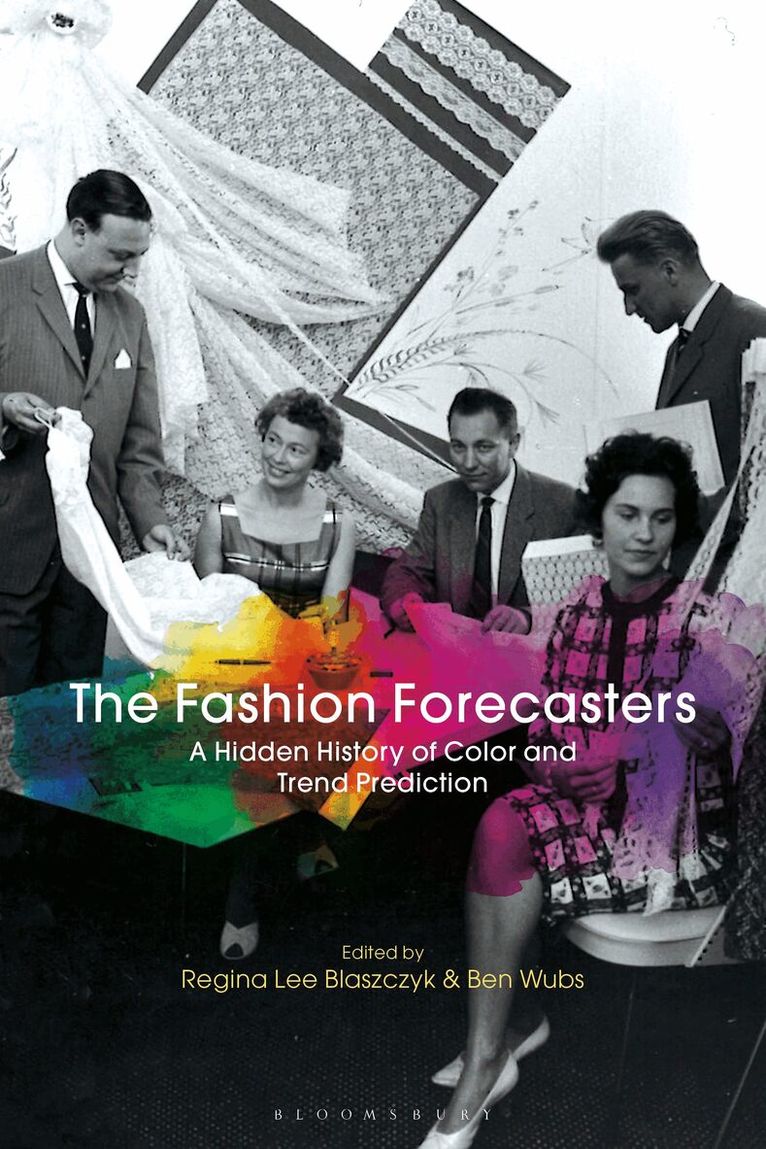
Fashion Forecasters
A Hidden History of Color and Trend Prediction
Av Regina Lee Blaszczyk, Ben Wubs
Inbunden, 2018
1461 kr
Lägg i varukorg
The fashion business has been collecting and analyzing information about colors, fabrics, silhouettes, and styles since the 18th century - activities that have long been shrouded in mystery. The Fashion Forecasters is the first book to reveal the hidden history of color and trend forecasting and to …
Fashion Forecasters
A Hidden History of Color and Trend Prediction
Av Regina Lee Blaszczyk, Ben Wubs
Häftad, 2018
425 kr
Lägg i varukorg
The fashion business has been collecting and analyzing information about colors, fabrics, silhouettes, and styles since the 18th century - activities that have long been shrouded in mystery. The Fashion Forecasters is the first book to reveal the hidden history of color and trend forecasting and to …
Fashion Forecasters
A Hidden History of Color and Trend Prediction
Av Regina Lee Blaszczyk, Ben Wubs
E-bok, 2018
456 kr
Lägg i varukorg
The fashion business has been collecting and analyzing information about colors, fabrics, silhouettes, and styles since the 18th century - activities that have long been shrouded in mystery. The Fashion Forecasters is the first book to reveal the hidden history of color and trend forecasting and to …
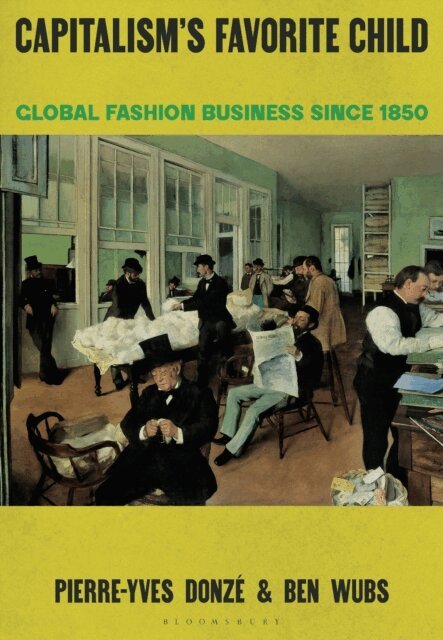
Capitalism’s Favorite Child
Global Fashion Business since 1850
Av Pierre-Yves Donzé, Ben Wubs
Häftad, 2026
396 kr
Lägg i varukorg
Combining research methods from business and global history, Donzé and Wubs equip readers with a vital and expansive new analysis of the development of the global fashion industry from the mid-19th century to today.Ranging across Europe, the Americas and Asia over two centuries, Donzé and Wubs …
Capitalism’s Favorite Child
Global Fashion Business since 1850
Av Pierre-Yves Donzé, Ben Wubs
Inbunden, 2026
1159 kr
Lägg i varukorg
Combining research methods from business and global history, Donzé and Wubs equip readers with a vital and expansive new analysis of the development of the global fashion industry from the mid-19th century to today.Ranging across Europe, the Americas and Asia over two centuries, Donzé and Wubs …
Capitalism’s Favorite Child
Global Fashion Business Since 1850
Av Pierre-Yves Donzé, Ben Wubs
E-bok, 2026
434 kr
Lägg i varukorg
Combining research methods from business and global history, Donz and Wubs equip readers with a vital and expansive new analysis of the development of the global fashion industry from the mid-19th century to today.Ranging across Europe, the Americas and Asia over two centuries, Donz and Wubs bring …
Capitalism’s Favorite Child
Global Fashion Business Since 1850
Av Pierre-Yves Donzé, Ben Wubs
E-bok, 2026
424 kr
Lägg i varukorg
Combining research methods from business and global history, Donz and Wubs equip readers with a vital and expansive new analysis of the development of the global fashion industry from the mid-19th century to today.Ranging across Europe, the Americas and Asia over two centuries, Donz and Wubs bring …
Multinational Enterprise, Political Risk and Organisational Change
From Total War to Cold War
Av Ben Wubs, Takafumi Kurosawa m. fl.
E-bok, 2018
883 kr
Lägg i varukorg
Hitherto, the organization of international business has been studied mostly from a managerial point of view or by examining the relationship between firms and the economy. Yet, the development of the modern, multinational firm - the most important type of business organisation - has been strongly …
Multinational Enterprise, Political Risk and Organisational Change
From Total War to Cold War
Av Ben Wubs, Takafumi Kurosawa m. fl.
E-bok, 2018
883 kr
Lägg i varukorg
Hitherto, the organization of international business has been studied mostly from a managerial point of view or by examining the relationship between firms and the economy. Yet, the development of the modern, multinational firm - the most important type of business organisation - has been strongly …