Hein A.M. Klemann – författare
Visar alla böcker från författaren Hein A.M. Klemann. Handla med fri frakt och snabb leverans.
8 produkter
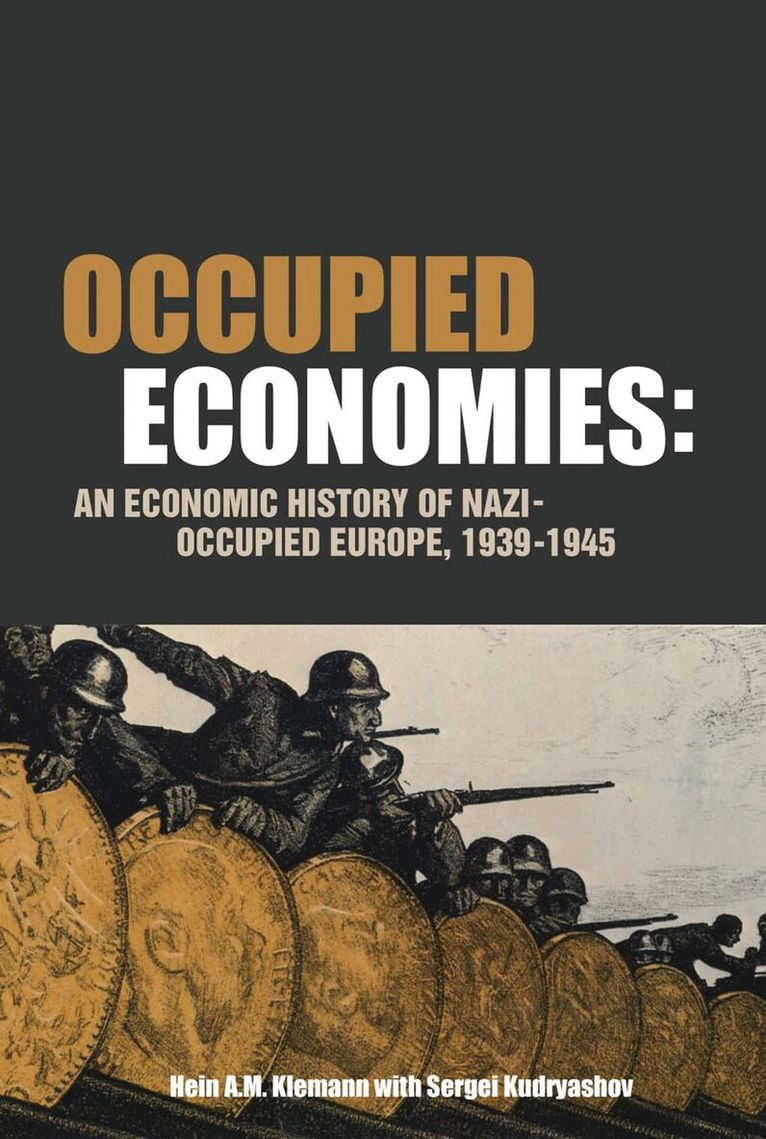
Occupied Economies
An Economic History of Nazi-Occupied Europe, 1939-1945
Av Hein A.M. Klemann, Sergei Kudryashov
Häftad, 2012
529 kr
Lägg i varukorg
What were the consequences of the German occupation for the economy of occupied Europe? After Germany conquered major parts of the European continent, it was faced with a choice between plundering the suppressed countries and using their economies to supply its needs. The choices made not only …
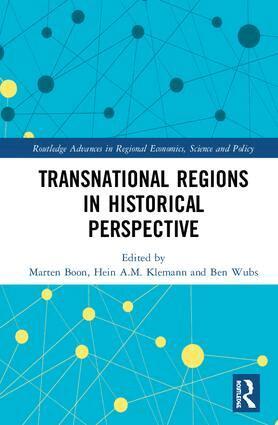
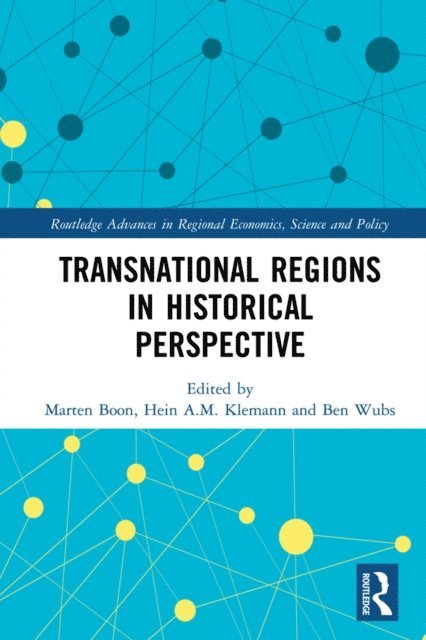
Transnational Regions in Historical Perspective
Av Marten Boon, Hein A.M. Klemann m. fl.
Häftad, 2021
718 kr
Lägg i varukorg
National competitiveness has become a misnomer, as competitiveness is increasingly understood as a regional phenomenon and regions are not confined to the boundaries of the nation state. This book focuses on the Port of Rotterdam and its hinterland – i.e. the Lower Rhine and the Ruhr area. A …
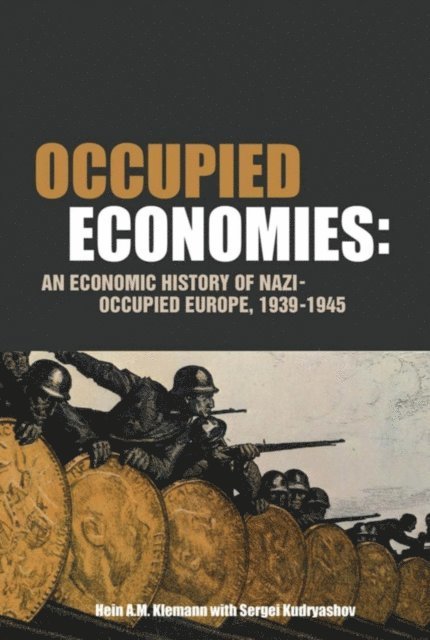
Occupied Economies
An Economic History of Nazi-Occupied Europe, 1939-1945
Av Hein A.M. Klemann, Sergei Kudryashov
E-bok, 2013
566 kr
Lägg i varukorg
What were the consequences of the German occupation for the economy of occupied Europe? After Germany conquered major parts of the European continent, it was faced with a choice between plundering the suppressed countries and using their economies to supply its needs. The choices made not only …
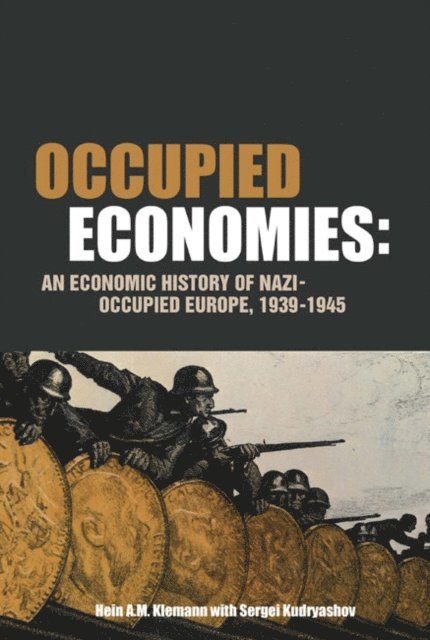
Occupied Economies
An Economic History of Nazi-Occupied Europe, 1939-1945
Av Hein A.M. Klemann, Sergei Kudryashov
E-bok, 2013
578 kr
Lägg i varukorg
What were the consequences of the German occupation for the economy of occupied Europe? After Germany conquered major parts of the European continent, it was faced with a choice between plundering the suppressed countries and using their economies to supply its needs. The choices made not only …
Transnational Regions in Historical Perspective
Av Marten Boon, Hein A.M. Klemann m. fl.
Inbunden, 2019
2578 kr
Lägg i varukorg
National competitiveness has become a misnomer, as competitiveness is increasingly understood as a regional phenomenon and regions are not confined to the boundaries of the nation state. This book focuses on the Port of Rotterdam and its hinterland – i.e. the Lower Rhine and the Ruhr area. A …
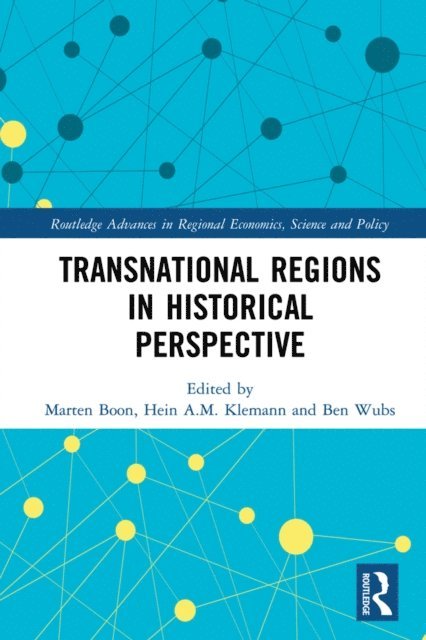
Transnational Regions in Historical Perspective
Av Ben Wubs, Hein A.M. Klemann m. fl.
E-bok, 2019
874 kr
Lägg i varukorg
National competitiveness has become a misnomer, as competitiveness is increasingly understood as a regional phenomenon and regions are not confined to the boundaries of the nation state. This book focuses on the Port of Rotterdam and its hinterland – i.e. the Lower Rhine and the Ruhr area. A …
Transnational Regions in Historical Perspective
Av Ben Wubs, Hein A.M. Klemann m. fl.
E-bok, 2019
849 kr
Lägg i varukorg
National competitiveness has become a misnomer, as competitiveness is increasingly understood as a regional phenomenon and regions are not confined to the boundaries of the nation state. This book focuses on the Port of Rotterdam and its hinterland – i.e. the Lower Rhine and the Ruhr area. A …
Occupied Economies
An Economic History of Nazi-Occupied Europe, 1939-1945
Av Hein A.M. Klemann, Sergei Kudryashov
Inbunden, 2012
1603 kr
Lägg i varukorg
What were the consequences of the German occupation for the economy of occupied Europe? After Germany conquered major parts of the European continent, it was faced with a choice between plundering the suppressed countries and using their economies to supply its needs. The choices made not only …