Betsy Brey - Böcker
Visar alla böcker från författaren Betsy Brey. Handla med fri frakt och snabb leverans.
2 produkter
2 produkter
1 276 kr
Skickas inom 10-15 vardagar
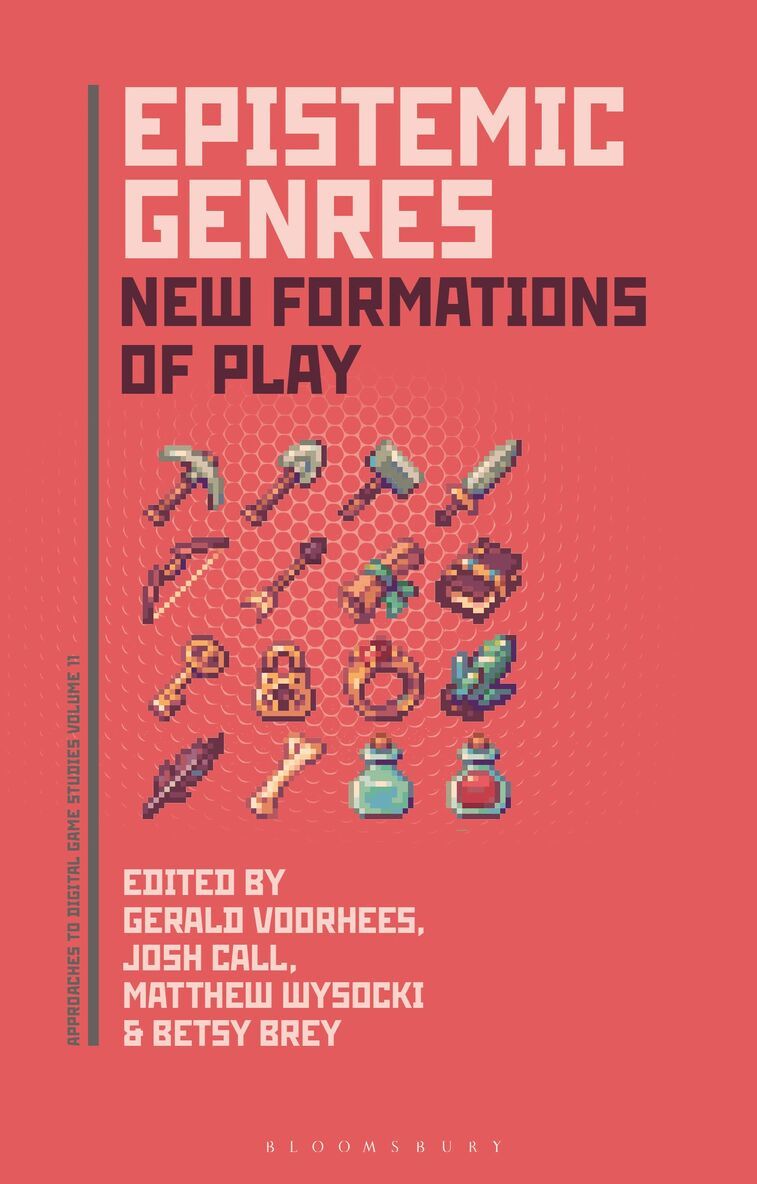
This anthology brings together scholars from around the world to theorize and explore “epistemic genres” of digital games, which are defined by the social uses and meanings attributed to different constellations of games by the communities that play, make, and study them.Game studies has experienced a cultural turn in the last decade, centering the social dimensions of games and play. What resources for theorizing game genres emerge from this cultural turn? How might the critical theories of race and culture, intersectional feminism, queer and trans theory, eco-criticism, and post-colonial and decolonial interventions of the past decade suggest new ways of thinking about game genres? The chapters in this edited volume make a case for epistemic genres that are distinguished primarily by their social context and use. The notion of epistemic genre centers the player’s experience and the meanings that emerge from distinct communities as they engage with games. Epistemic game genres are those constellations of games that overflow and cut-across the genre boundaries of the commercial game industry and mainstream gaming culture.The first section examines epistemic genres as they are constituted by different scholarly lenses. Here, the contributors consider how certain scholarly theories allow us to see the connections between seemingly disparate games. The second section examines epistemic genres as products of specific material and discursive contexts. The third section examines epistemic genres defined by the specific interpretive frames of communities of players that share a cultural lexicon, symbol system, or grammar. Overall, the chapters in this book make the case for understanding game genres as formations shaped more by play than the qualities of the games themselves.
1 276 kr
Skickas inom 10-15 vardagar
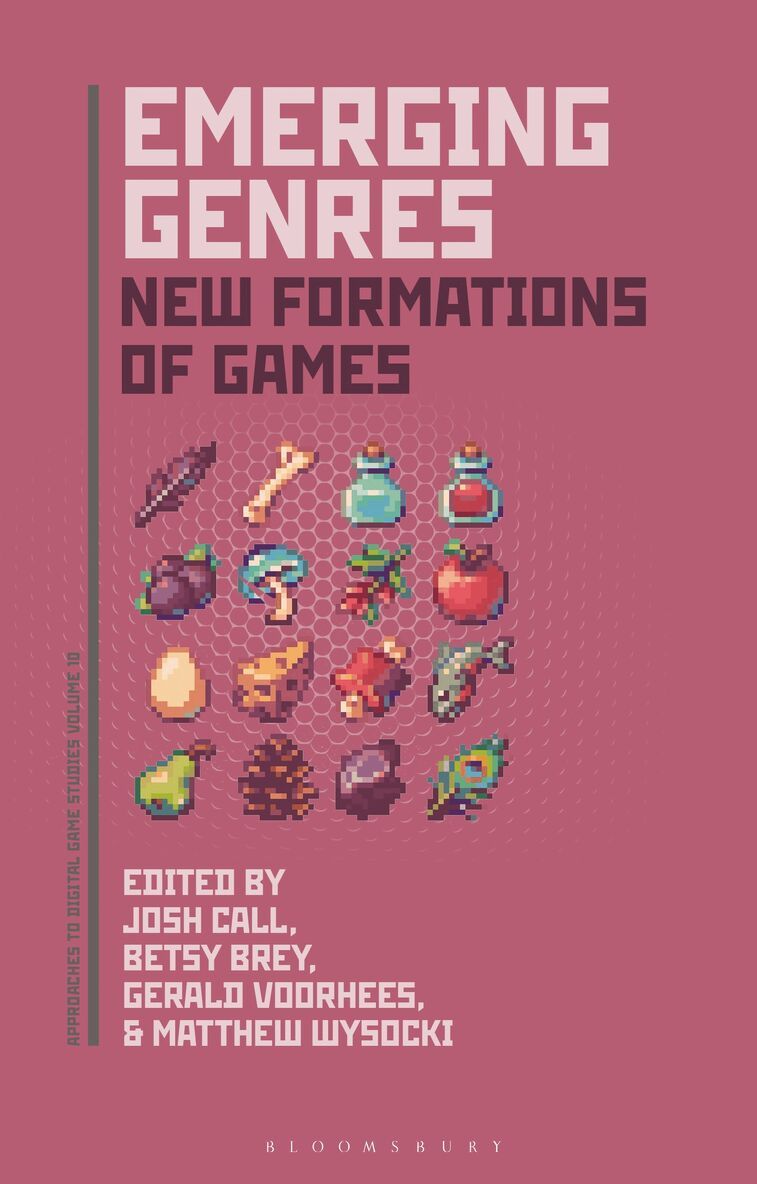
This collection expands the analytical framework of digital games by exploring them through the lens of genre analysis—the evaluation of the structural designs that provide the framework for the player’s experience. Each chapter in this volume attends to a unique game genre that is newly emerged or revisited, and often new under-addressed in critical scholarship to theorize where games are situated currently and establish new ground in Game Studies for the future.As video games continue to dominate the media landscape, understanding the structure and form of games is increasingly important. Despite the fluid nature of genre, there remains an intellectual and ideological power for understanding the connective tissue of game genres as creative artifacts through their relational iterations. This volume extends these ideas by considering the current framework for game genres, highlighting the additions and evolutions of the last decade. Each section in this collection revisits the idea of genre as a flexible dynamic to capture the iterative quality of the work by signaling things that exist currently, tracing their emergence and evolution, and theorizing what such affordances might mean for the future.The first section considers emerging genres as a function of the material conditions of play, and the game experience. The second section examines many of the formal/mechanical elements used to identify genres, highlighting the emergence or evolution of forms that are unique to the current landscape of games. The final section explores the function and construction of genre as affective, highlighting the expressive and persuasive potential of games to shape the audience.