Boštjan Nedoh – författare
Visar alla böcker från författaren Boštjan Nedoh. Handla med fri frakt och snabb leverans.
11 produkter
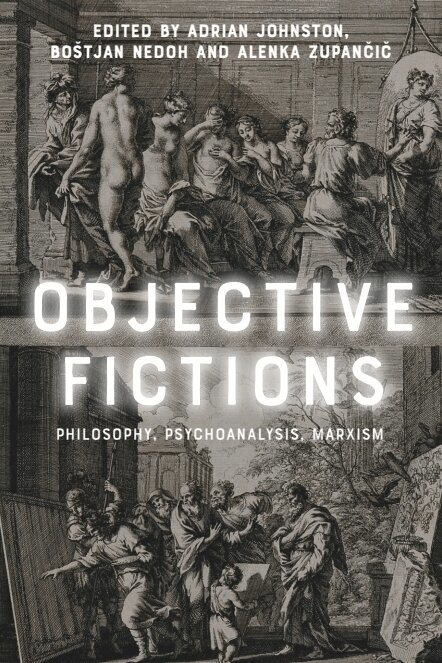
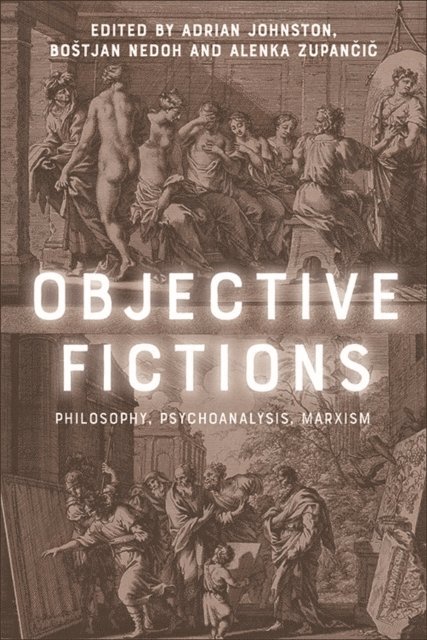
Objective Fictions
Philosophy, Psychoanalysis, Marxism
Av Adrian Johnston, Boštjan Nedoh m. fl.
Häftad, 2023
337 kr
Lägg i varukorg
Rethinks objectivity and fiction in contemporary philosophy, psychoanalysis and Marxism beyond the realism nominalism divideRethinks the concept of objectivity through its relation to fiction beyond their mere oppositionConceptualises 'objective fictions'Highlights a shared background underpinning …
Political Theology And Its Discontents
Av K. Daniel Cho, Boštjan Nedoh m. fl.
Inbunden, 2026
1204 kr
Lägg i varukorg
The essays in this collection revitalise political theology through the lens of psychoanalysis, unlocking its emancipatory potential and providing new ways to think about the political. They are united by a conviction that there is something in political theology worth fighting for. Banishing the …
Political Theology and Its Discontents
Av K. Daniel Cho, Boštjan Nedoh
E-bok, 2026
1325 kr
Lägg i varukorg
The essays in this collection revitalise political theology through the lens of psychoanalysis, unlocking its emancipatory potential and providing new ways to think about the political. They are united by a conviction that there is something in political theology worth fighting for. Banishing the …
Political Theology and Its Discontents
Av K. Daniel Cho, Boštjan Nedoh
E-bok, 2026
1325 kr
Lägg i varukorg
The essays in this collection revitalise political theology through the lens of psychoanalysis, unlocking its emancipatory potential and providing new ways to think about the political. They are united by a conviction that there is something in political theology worth fighting for. Banishing the …
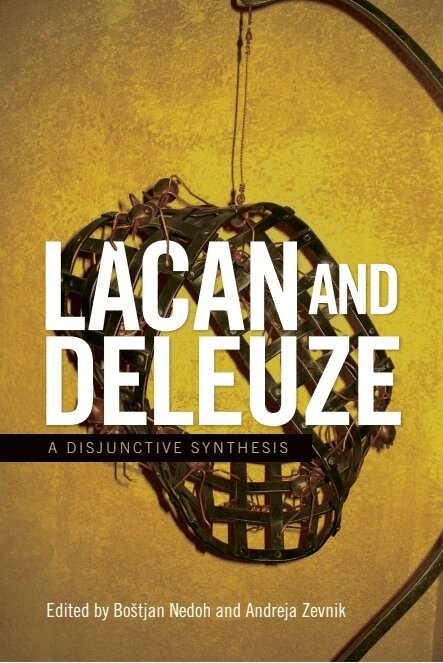
Lacan and Deleuze
A Disjunctive Synthesis
Av Boštjan Nedoh, Andreja Zevnik
Inbunden, 2016
1530 kr
Lägg i varukorg
It is often said that Lacan is the most radical representative of structuralism, a thinker of negativity and alienation, whereas Deleuze is pictured as a great opponent of the structuralist project, a vitalist and a thinker of creative potentialities of desire. It seems the two cannot be further …
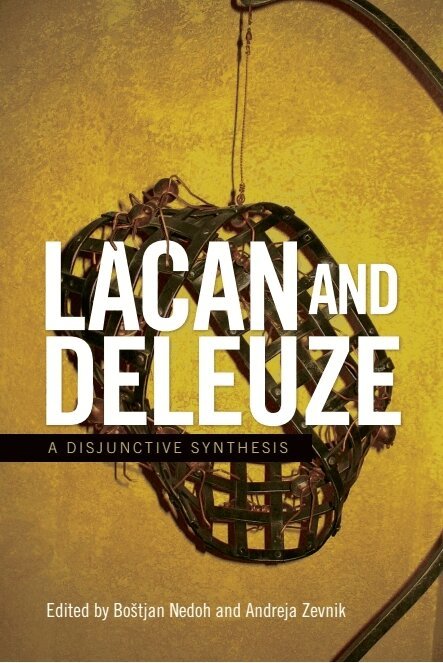
Lacan and Deleuze
A Disjunctive Synthesis
Av Boštjan Nedoh, Andreja Zevnik
Häftad, 2018
344 kr
Lägg i varukorg
A reconfiguration of the reception of Deleuze and Lacan in contemporary Continental philosophyIt is often said that Lacan is the most radical representative of structuralism, a thinker of negativity and alienation, whereas Deleuze is pictured as a great opponent of the structuralist project, a …
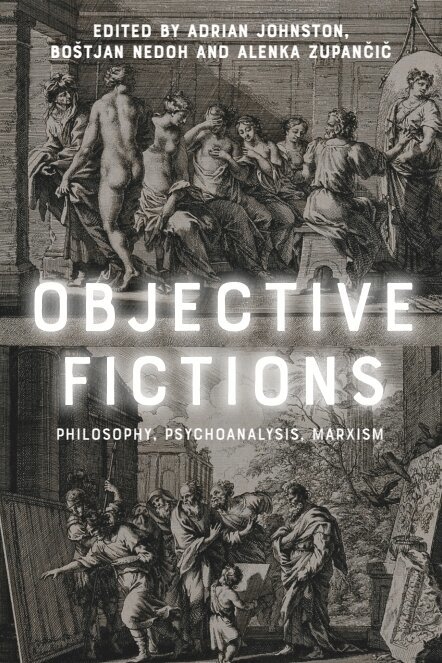
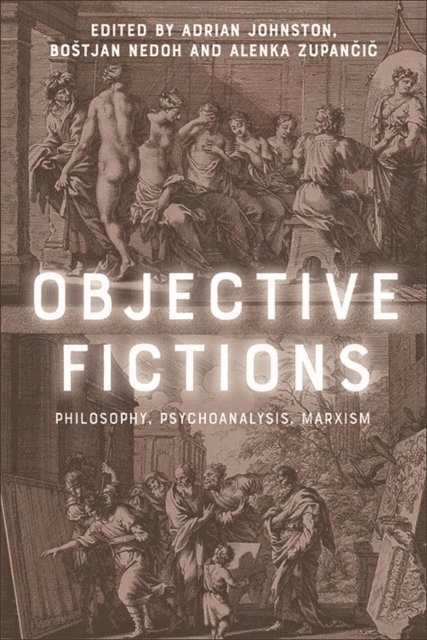
Objective Fictions
Philosophy, Psychoanalysis, Marxism
Av Adrian Johnston, Boštjan Nedoh m. fl.
Inbunden, 2021
1974 kr
Lägg i varukorg
When it comes to the question of objectivity in current philosophical debates, there is a growing prominence of two opposite approaches: nominalism and realism. By absolutising intersubjectivity, the nominalist approach is moving towards the abandonment of the very notion of truth and objective …
Objective Fictions
Philosophy, Psychoanalysis, Marxism
Av Adrian Johnston, Boštjan Nedoh m. fl.
E-bok, 2021
1334 kr
Lägg i varukorg
This collection rethinks the relationship between objectivity and fiction through a series of ‘objective fictions’, such as fetishes, semblances, lies, rumours, sophistry, fantasies and conspiracy theories. It engages with modern and contemporary philosophical traditions and psychoanalytic theory, …
Objective Fictions
Philosophy, Psychoanalysis, Marxism
Av Adrian Johnston, Boštjan Nedoh m. fl.
E-bok, 2021
413 kr
Lägg i varukorg
This collection rethinks the relationship between objectivity and fiction through a series of ‘objective fictions’, such as fetishes, semblances, lies, rumours, sophistry, fantasies and conspiracy theories. It engages with modern and contemporary philosophical traditions and psychoanalytic theory, …
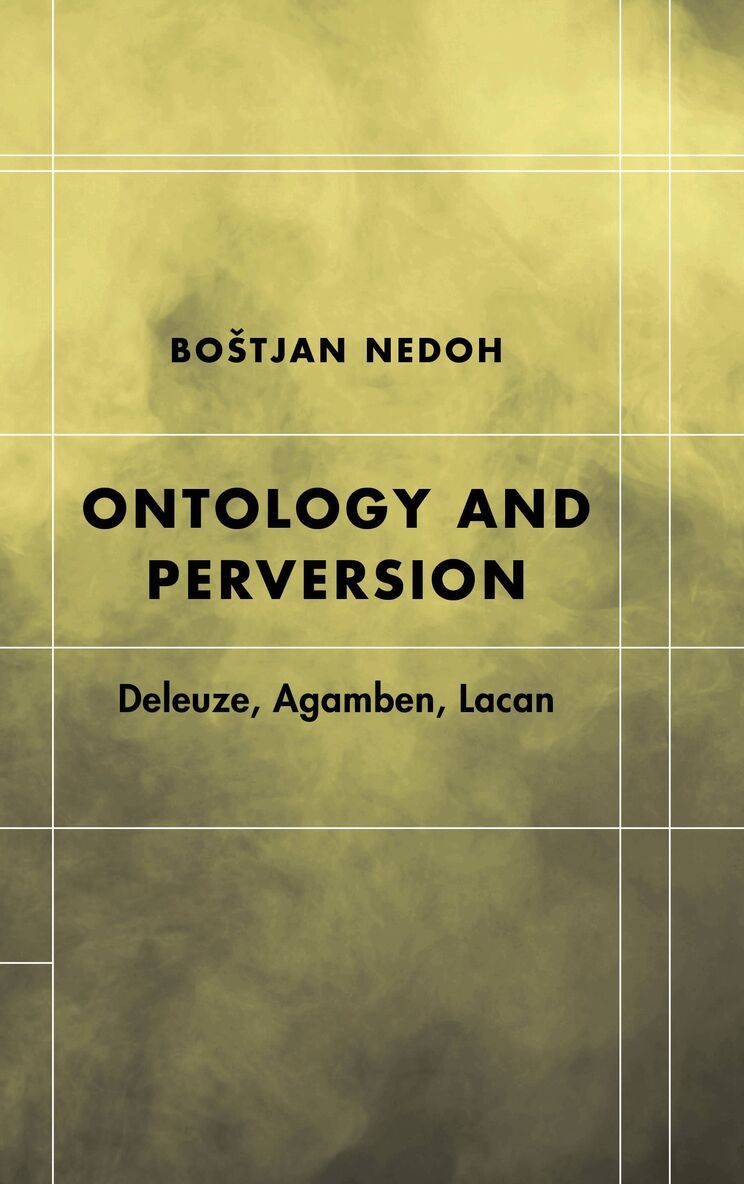
Ontology and Perversion
Deleuze, Agamben, Lacan
Inbunden, 2019
1697 kr
Lägg i varukorg
This book examines the philosophical and political relevance of perversion in the works of three key representatives of contemporary philosophy and psychoanalysis: Gilles Deleuze, Giorgio Agamben and Jacques Lacan. Perversion is often understood simply in terms of cultural or sexual phenomena. By …
Ontology and Perversion
Deleuze, Agamben, Lacan
E-bok, 2019
1870 kr
Lägg i varukorg
This book examines the philosophical and political relevance of perversion in the works of three key representatives of contemporary philosophy and psychoanalysis: Gilles Deleuze, Giorgio Agamben and Jacques Lacan. Perversion is often understood simply in terms of cultural or sexual phenomena. By …