Brian MacWhinney – författare
Visar alla böcker från författaren Brian MacWhinney. Handla med fri frakt och snabb leverans.
24 produkter
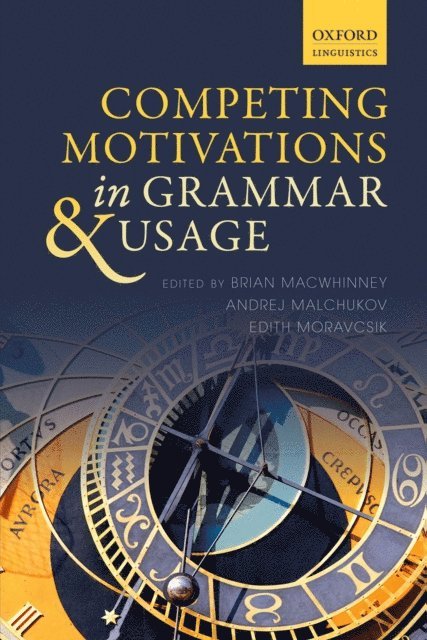
Competing Motivations in Grammar and Usage
Av Edith Moravcsik, Andrej Malchukov m. fl.
E-bok, 2014
1746 kr
Lägg i varukorg
This volume examines the conflicting factors that shape the content and form of grammatical rules in language usage. Speakers and addressees need to contend with these rules when expressing themselves and when trying to comprehend messages. For example, there are on-going competitions between the …
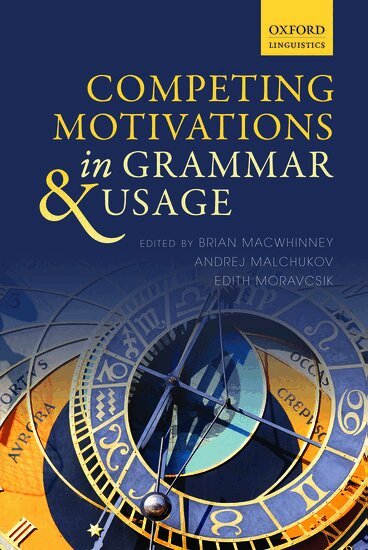
Competing Motivations in Grammar and Usage
Av MACWHINNEY ET AL, Brian MacWhinney m. fl.
Inbunden, 2014
2810 kr
Lägg i varukorg
This volume examines the conflicting factors that shape the content and form of grammatical rules in language usage. Speakers and addressees need to contend with these rules when expressing themselves and when trying to comprehend messages. For example, there are on-going competitions between the …
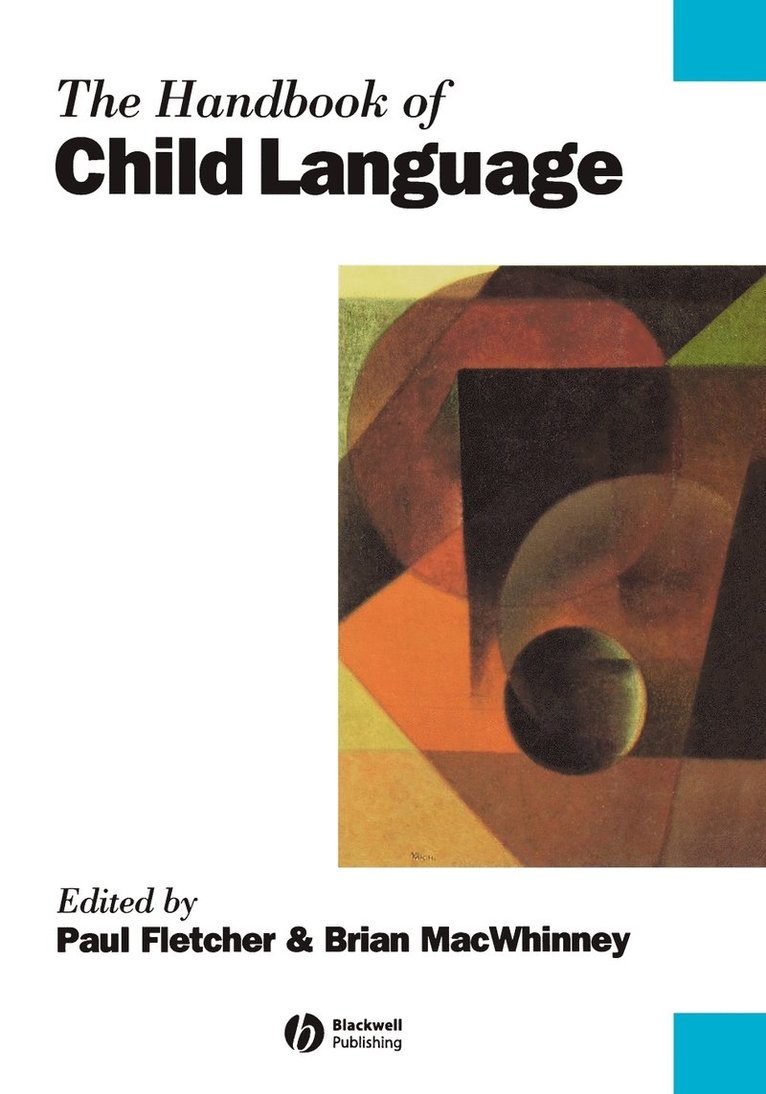
Handbook of Child Language
Av Fletcher, MacWhinney B m. fl.
Häftad, 1996
822 kr
Lägg i varukorg
This volume, in its 25 definitive chapters on normal and nonnormal language development, represents the authoritative and up-to-date complete sourcebook on child language development. All aspects of child language development are addressed, including phonetics, phonology, grammar, and lexical …
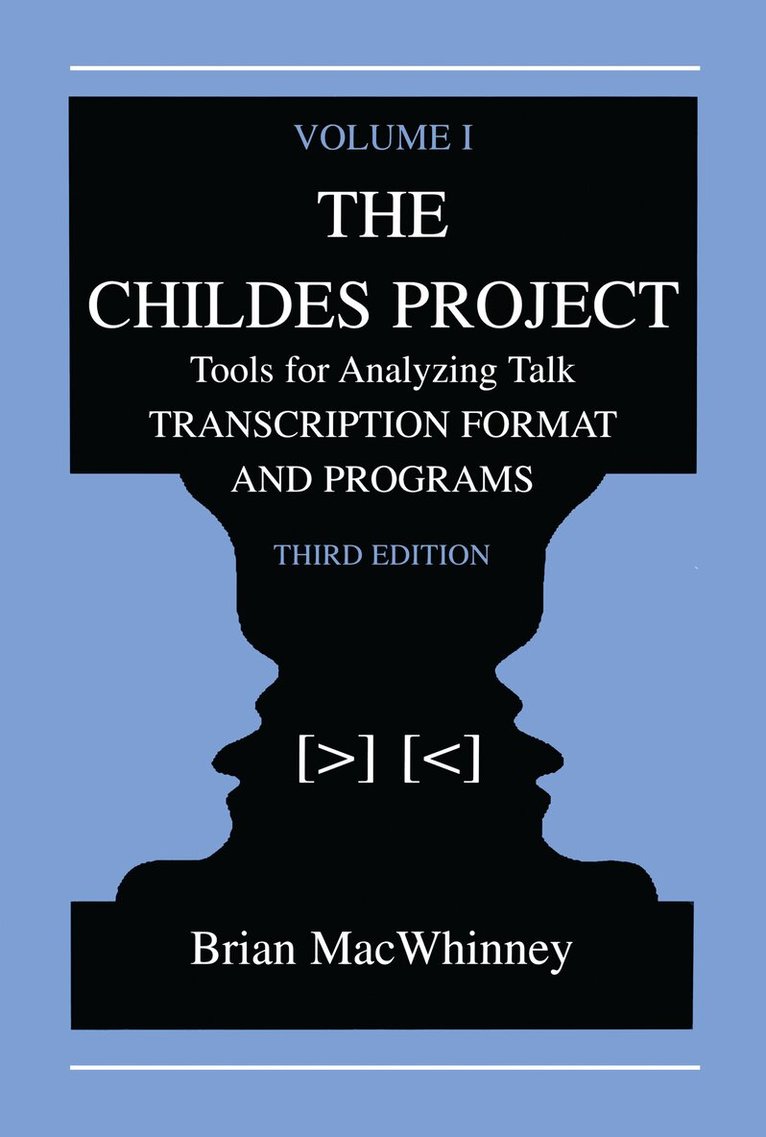
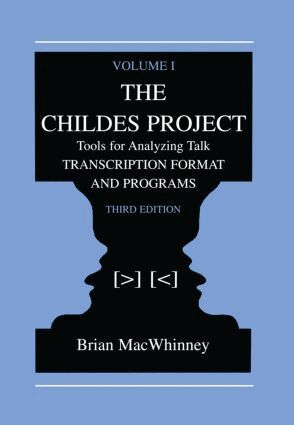
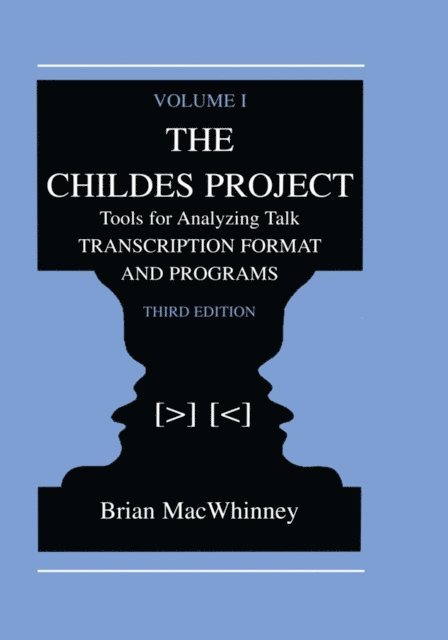
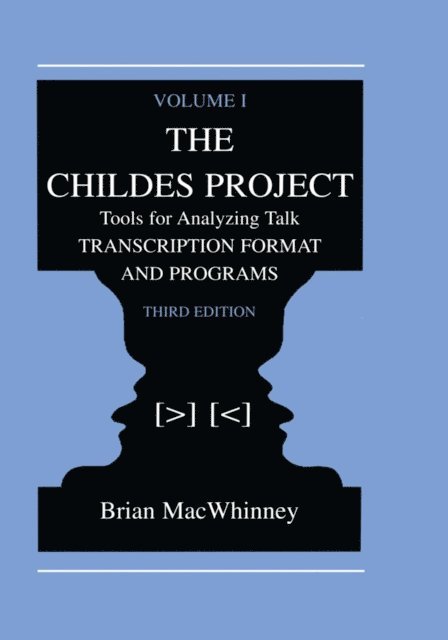
Childes Project
Tools for Analyzing Talk, Volume I: Transcription format and Programs
Inbunden, 2000
2585 kr
Lägg i varukorg
Volume I is the first of two volumes that document the three components of the CHILDES Project. It is divided into two parts which provide an introduction to the use of computational tools for studying language learning. The first part is the CHAT manual, which describes the conventions and …
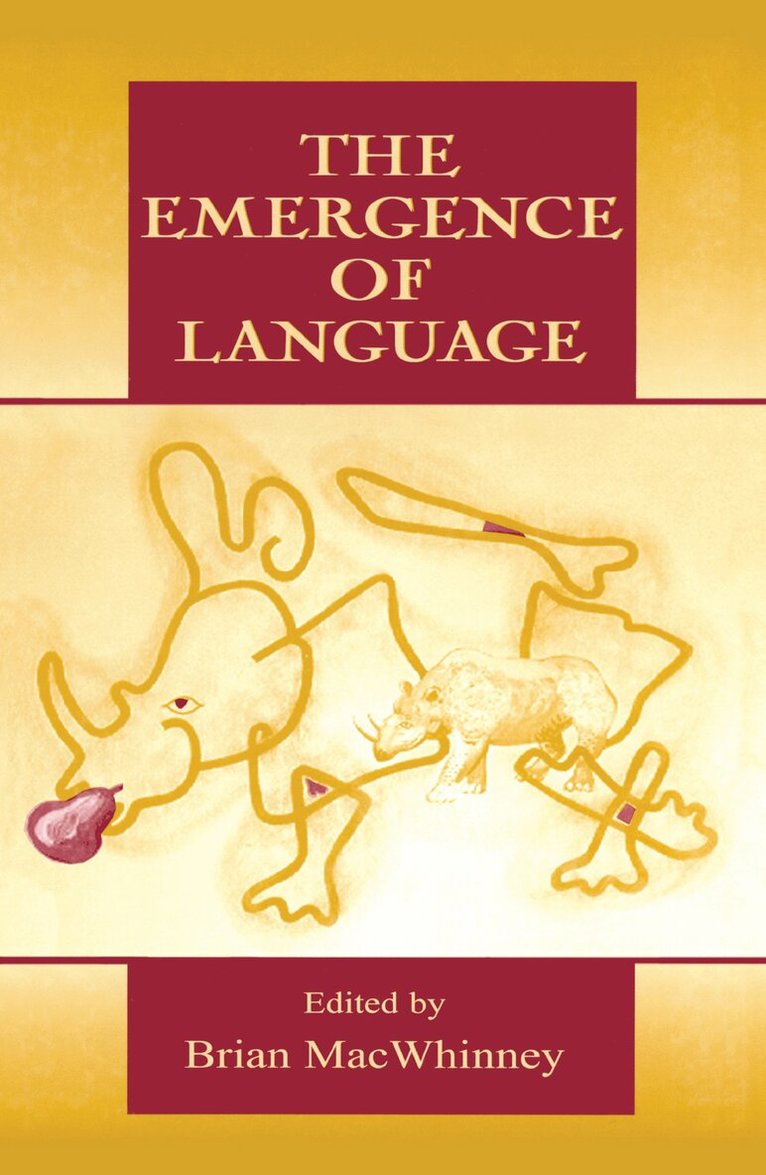
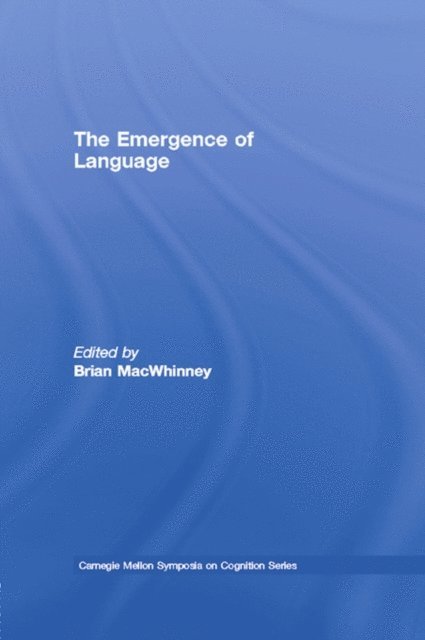
Emergence of Language
Inbunden, 1999
2439 kr
Lägg i varukorg
For nearly four centuries, our understanding of human development has been controlled by the debate between nativism and empiricism. Nowhere has the contrast between these apparent alternatives been sharper than in the study of language acquisition. However, as more is learned about the details of …
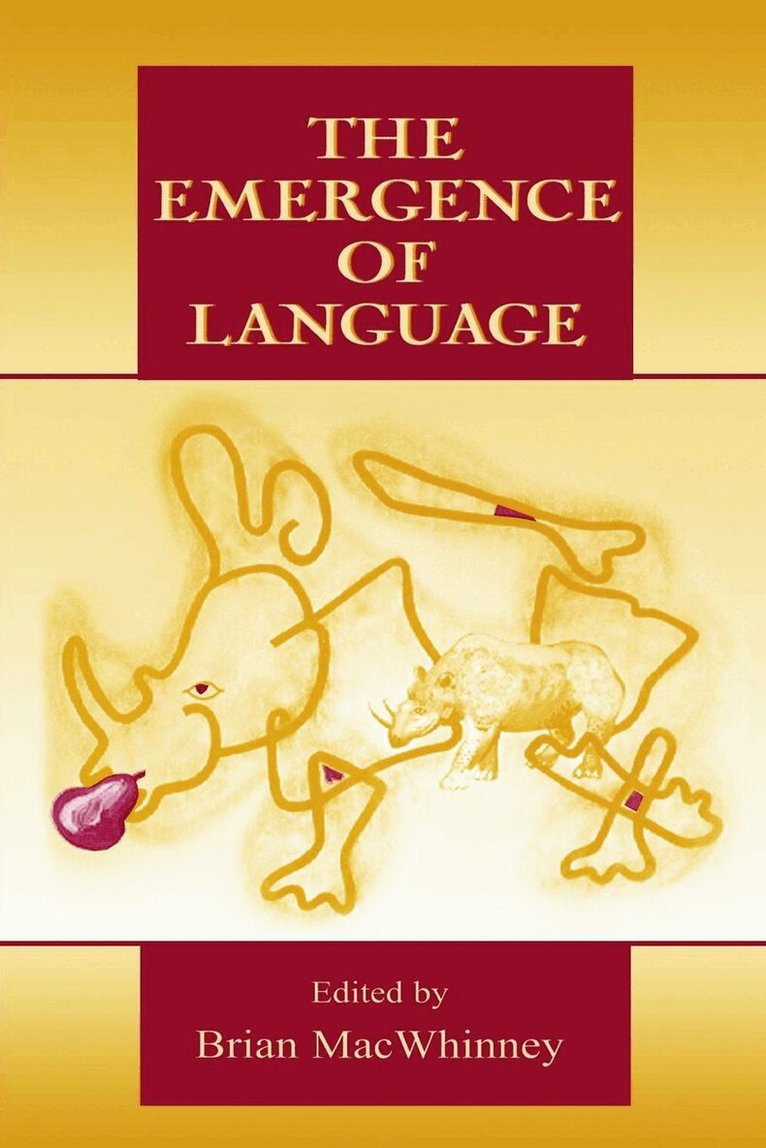
Emergence of Language
Häftad, 1999
1308 kr
Lägg i varukorg
For nearly four centuries, our understanding of human development has been controlled by the debate between nativism and empiricism. Nowhere has the contrast between these apparent alternatives been sharper than in the study of language acquisition. However, as more is learned about the details of …
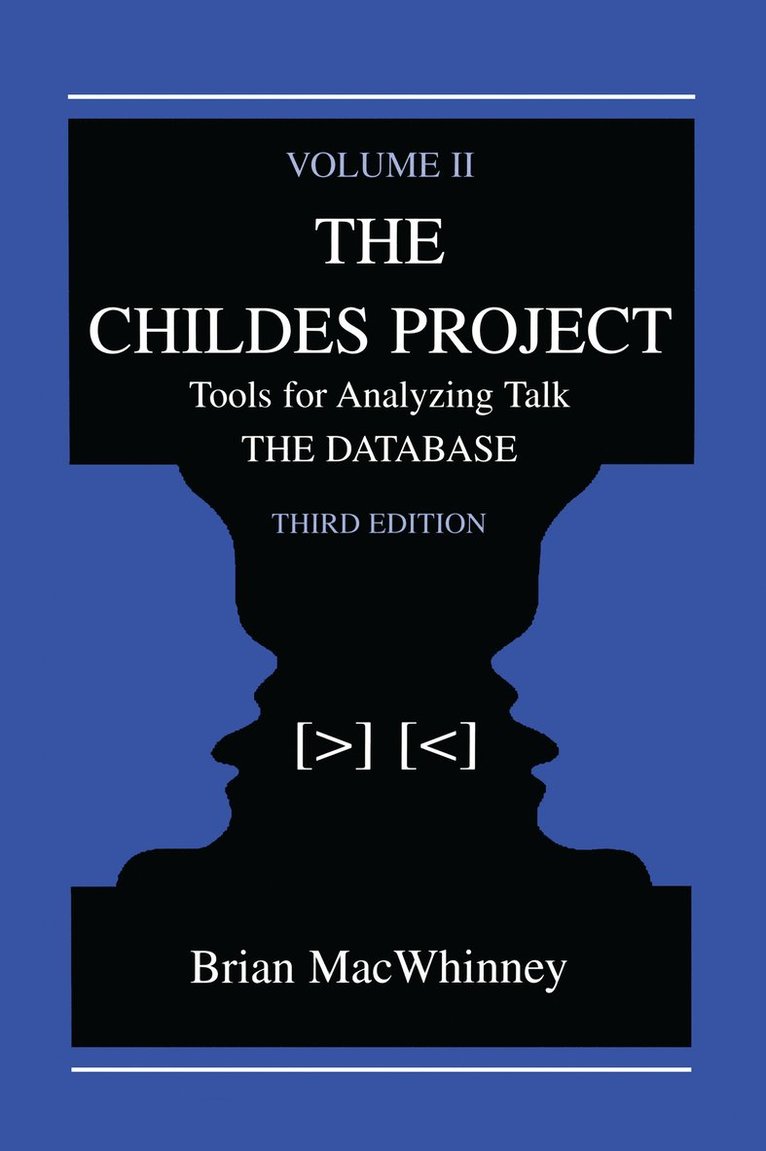
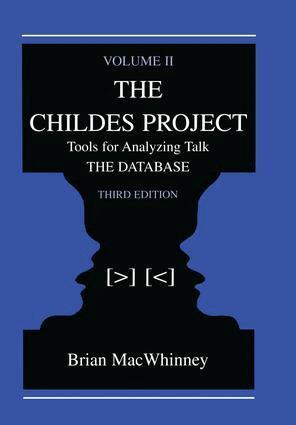
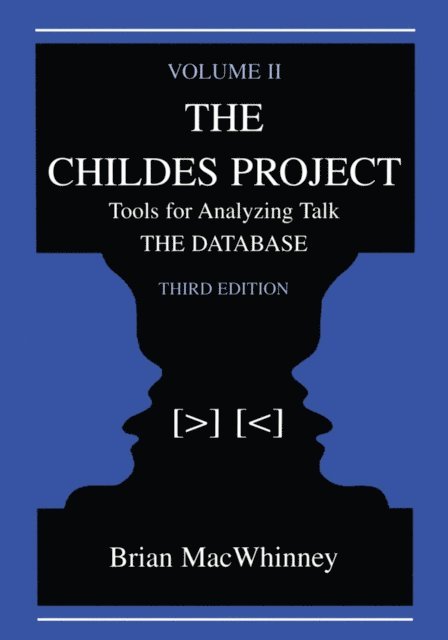
Childes Project
Tools for Analyzing Talk, Volume II: the Database
Inbunden, 2000
3262 kr
Lägg i varukorg
Volume I is the first of two volumes that document the three components of the CHILDES Project. It is divided into two parts which provide an introduction to the use of computational tools for studying language learning. The first part is the CHAT manual, which describes the conventions and …
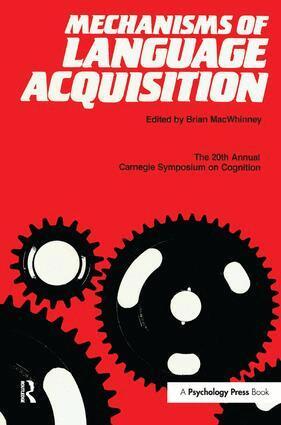
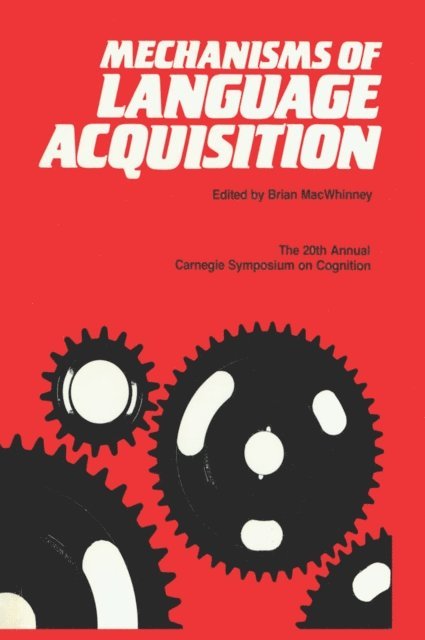
Mechanisms of Language Acquisition
The 20th Annual Carnegie Mellon Symposium on Cognition
Häftad, 1987
951 kr
Lägg i varukorg
First published in 1987. Three decades of intensive study of language development have led to an enormous accumulation of descriptive data. But there is still no over-arching theory of language development that can make orderly sense of this huge stockpile of observations. Grand structuralist …
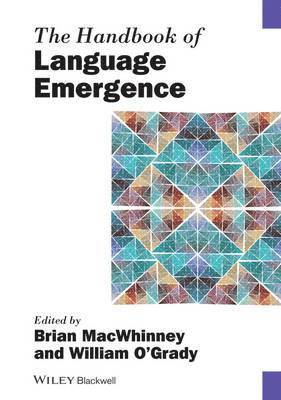
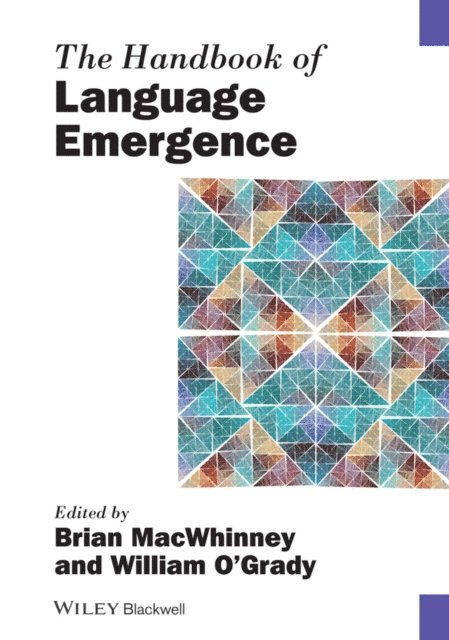
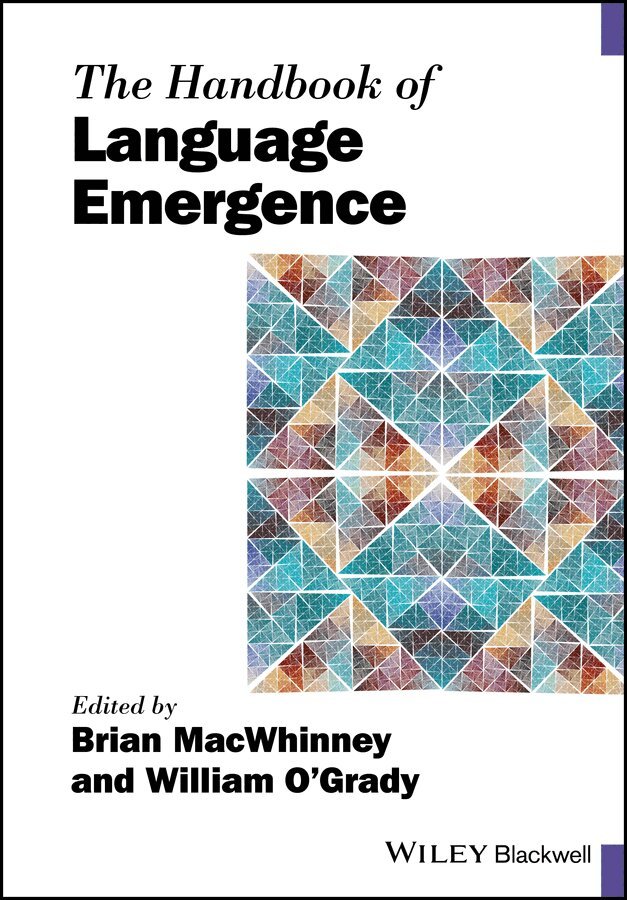
Handbook of Language Emergence
Av Brian MacWhinney, William O'Grady
Inbunden, 2015
2344 kr
Lägg i varukorg
This authoritative handbook explores the latest integrated theory for understanding human language, offering the most inclusive text yet published on the rapidly evolving emergentist paradigm. Brings together an international team of contributors, including the most prominent advocates of …
Handbook of Language Emergence
Av William O'Grady, Brian MacWhinney
E-bok, 2015
2668 kr
Lägg i varukorg
This authoritative handbook explores the latest integrated theory for understanding human language, offering the most inclusive text yet published on the rapidly evolving emergentist paradigm. Brings together an international team of contributors, including the most prominent advocates of …
Handbook of Language Emergence
Av William O'Grady, Brian MacWhinney
E-bok, 2014
902 kr
Lägg i varukorg
This authoritative handbook explores the latest integrated theory for understanding human language, offering the most inclusive text yet published on the rapidly evolving emergentist paradigm. Brings together an international team of contributors, including the most prominent advocates of …
Handbook of Language Emergence
Av Brian MacWhinney, William O'Grady
Häftad, 2018
699 kr
Lägg i varukorg
This authoritative handbook explores the latest integrated theory for understanding human language, offering the most inclusive text yet published on the rapidly evolving emergentist paradigm. Brings together an international team of contributors, including the most prominent advocates of …
Emergence of Language
E-bok, 2013
1548 kr
Lägg i varukorg
For nearly four centuries, our understanding of human development has been controlled by the debate between nativism and empiricism. Nowhere has the contrast between these apparent alternatives been sharper than in the study of language acquisition. However, as more is learned about the details of …
Emergence of Language
E-bok, 2013
1503 kr
Lägg i varukorg
For nearly four centuries, our understanding of human development has been controlled by the debate between nativism and empiricism. Nowhere has the contrast between these apparent alternatives been sharper than in the study of language acquisition. However, as more is learned about the details of …
Childes Project
Tools for Analyzing Talk, Volume I: Transcription format and Programs
Häftad, 2014
936 kr
Lägg i varukorg
Volume I is the first of two volumes that document the three components of the CHILDES Project. It is divided into two parts which provide an introduction to the use of computational tools for studying language learning. The first part is the CHAT manual, which describes the conventions and …
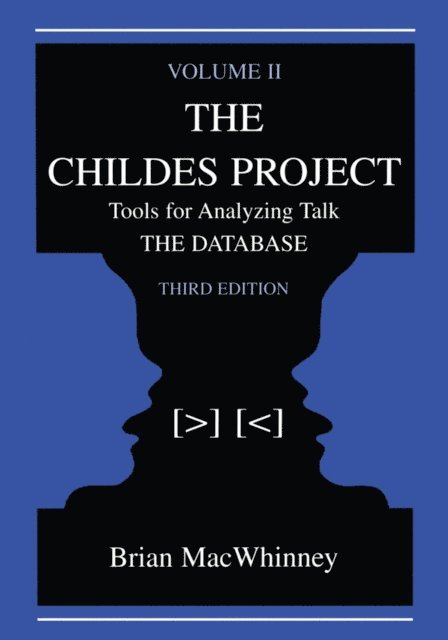
Childes Project
Tools for Analyzing Talk, Volume II: the Database
Häftad, 2014
936 kr
Lägg i varukorg
Volume I is the first of two volumes that document the three components of the CHILDES Project. It is divided into two parts which provide an introduction to the use of computational tools for studying language learning. The first part is the CHAT manual, which describes the conventions and …
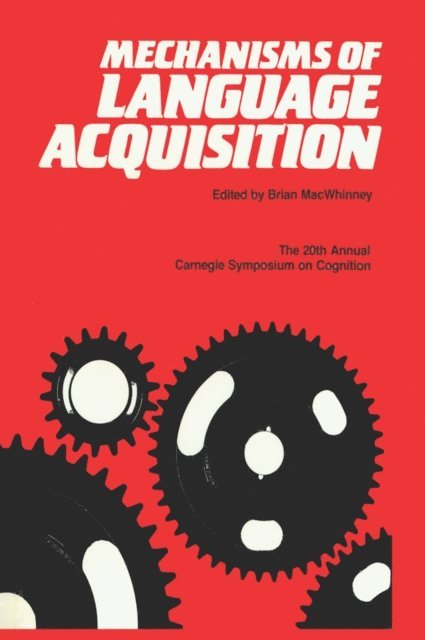
Mechanisms of Language Acquisition
The 20th Annual Carnegie Mellon Symposium on Cognition
Inbunden, 2017
2439 kr
Lägg i varukorg
First published in 1987. Three decades of intensive study of language development have led to an enormous accumulation of descriptive data. But there is still no over-arching theory of language development that can make orderly sense of this huge stockpile of observations. Grand structuralist …
Mechanisms of Language Acquisition
The 20th Annual Carnegie Mellon Symposium on Cognition
E-bok, 2014
1099 kr
Lägg i varukorg
First published in 1987. Three decades of intensive study of language development have led to an enormous accumulation of descriptive data. But there is still no over-arching theory of language development that can make orderly sense of this huge stockpile of observations. Grand structuralist …
Mechanisms of Language Acquisition
The 20th Annual Carnegie Mellon Symposium on Cognition
E-bok, 2014
1060 kr
Lägg i varukorg
First published in 1987. Three decades of intensive study of language development have led to an enormous accumulation of descriptive data. But there is still no over-arching theory of language development that can make orderly sense of this huge stockpile of observations. Grand structuralist …
Childes Project
Tools for Analyzing Talk, Volume II: the Database
E-bok, 2014
1106 kr
Lägg i varukorg
Volume I is the first of two volumes that document the three components of the CHILDES Project. It is divided into two parts which provide an introduction to the use of computational tools for studying language learning. The first part is the CHAT manual, which describes the conventions and …
Childes Project
Tools for Analyzing Talk, Volume II: the Database
E-bok, 2014
1106 kr
Lägg i varukorg
Volume I is the first of two volumes that document the three components of the CHILDES Project. It is divided into two parts which provide an introduction to the use of computational tools for studying language learning. The first part is the CHAT manual, which describes the conventions and …
Childes Project
Tools for Analyzing Talk, Volume I: Transcription format and Programs
E-bok, 2014
1082 kr
Lägg i varukorg
Volume I is the first of two volumes that document the three components of the CHILDES Project. It is divided into two parts which provide an introduction to the use of computational tools for studying language learning. The first part is the CHAT manual, which describes the conventions and …
Childes Project
Tools for Analyzing Talk, Volume I: Transcription format and Programs
E-bok, 2014
1106 kr
Lägg i varukorg
Volume I is the first of two volumes that document the three components of the CHILDES Project. It is divided into two parts which provide an introduction to the use of computational tools for studying language learning. The first part is the CHAT manual, which describes the conventions and …