Brian Yecies – författare
Visar alla böcker från författaren Brian Yecies. Handla med fri frakt och snabb leverans.
14 produkter
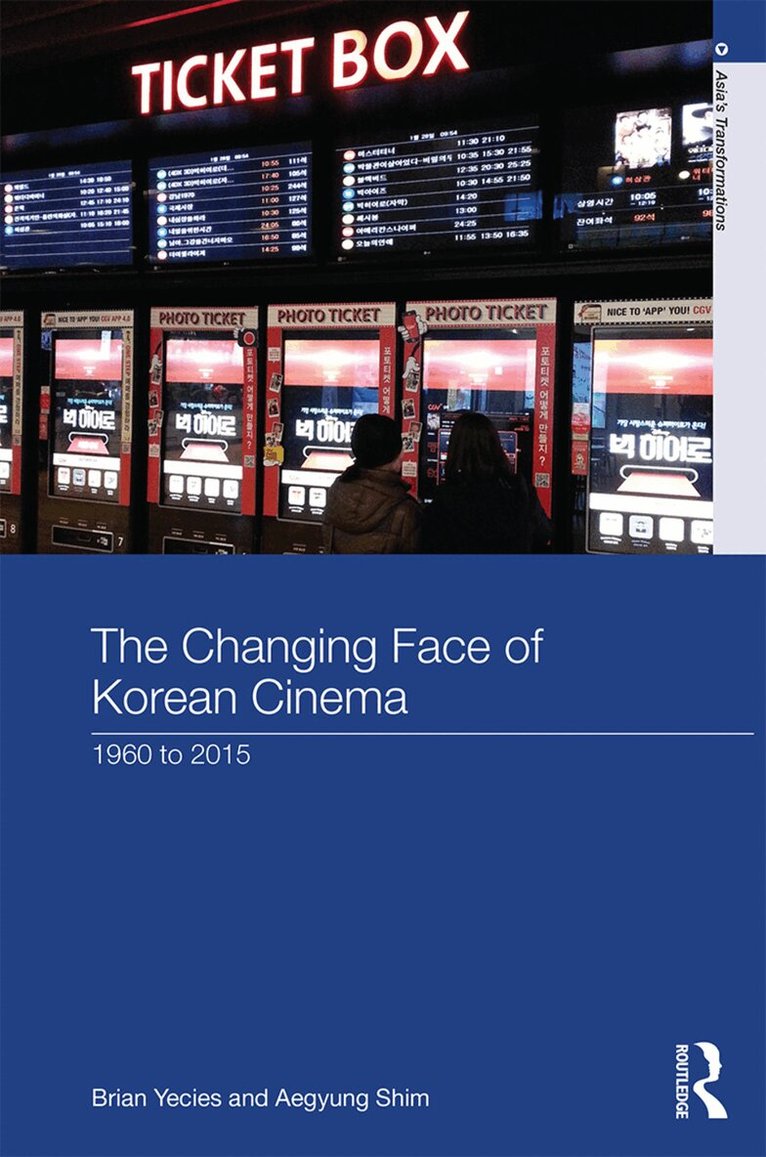
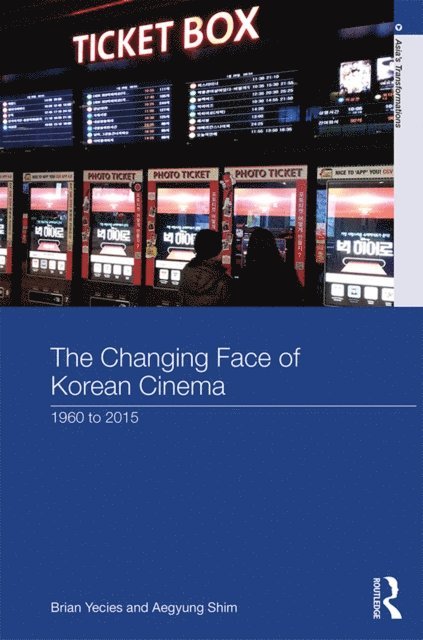
Changing Face of Korean Cinema
1960 to 2015
Inbunden, 2015
2904 kr
Lägg i varukorg
The rapid development of Korean cinema during the decades of the 1960s and 2000s reveals a dynamic cinematic history which runs parallel to the nation’s political, social, economic and cultural transformation during these formative periods.This book examines the ways in which South Korean cinema …
Korea's Occupied Cinemas, 1893-1948
The Untold History of the Film Industry
Av Brian Yecies, Ae-Gyung Shim
Häftad, 2013
785 kr
Lägg i varukorg
Korea’s Occupied Cinemas, 1893-1948 compares and contrasts the development of cinema in Korea during the Japanese occupation (1910-1945) and US Army Military (1945-1948) periods within the larger context of cinemas in occupied territories. It differs from previous studies by drawing links between …
Korea's Occupied Cinemas, 1893-1948
The Untold History of the Film Industry
Av Brian Yecies, Ae-Gyung Shim
Inbunden, 2011
2818 kr
Lägg i varukorg
Korea’s Occupied Cinemas, 1893-1948 compares and contrasts the development of cinema in Korea during the Japanese occupation (1910-1945) and US Army Military (1945-1948) periods within the larger context of cinemas in occupied territories. It differs from previous studies by drawing links between …
Changing Face of Korean Cinema
1960 to 2015
E-bok, 2015
910 kr
Lägg i varukorg
The rapid development of Korean cinema during the decades of the 1960s and 2000s reveals a dynamic cinematic history which runs parallel to the nation’s political, social, economic and cultural transformation during these formative periods. This book examines the ways in which South Korean cinema …
Changing Face of Korean Cinema
1960 to 2015
E-bok, 2015
890 kr
Lägg i varukorg
The rapid development of Korean cinema during the decades of the 1960s and 2000s reveals a dynamic cinematic history which runs parallel to the nation’s political, social, economic and cultural transformation during these formative periods. This book examines the ways in which South Korean cinema …
Korea's Occupied Cinemas, 1893-1948
The Untold History of the Film Industry
Av Ae-Gyung Shim, Brian Yecies
E-bok, 2012
901 kr
Lägg i varukorg
Korea’s Occupied Cinemas, 1893-1948 compares and contrasts the development of cinema in Korea during the Japanese occupation (1910-1945) and US Army Military (1945-1948) periods within the larger context of cinemas in occupied territories. It differs from previous studies by drawing links between …
Korea's Occupied Cinemas, 1893-1948
The Untold History of the Film Industry
Av Ae-Gyung Shim, Brian Yecies
E-bok, 2012
881 kr
Lägg i varukorg
Korea’s Occupied Cinemas, 1893-1948 compares and contrasts the development of cinema in Korea during the Japanese occupation (1910-1945) and US Army Military (1945-1948) periods within the larger context of cinemas in occupied territories. It differs from previous studies by drawing links between …
Changing Face of Korean Cinema
1960 to 2015
Häftad, 2018
747 kr
Lägg i varukorg
The rapid development of Korean cinema during the decades of the 1960s and 2000s reveals a dynamic cinematic history which runs parallel to the nation’s political, social, economic and cultural transformation during these formative periods.This book examines the ways in which South Korean cinema …
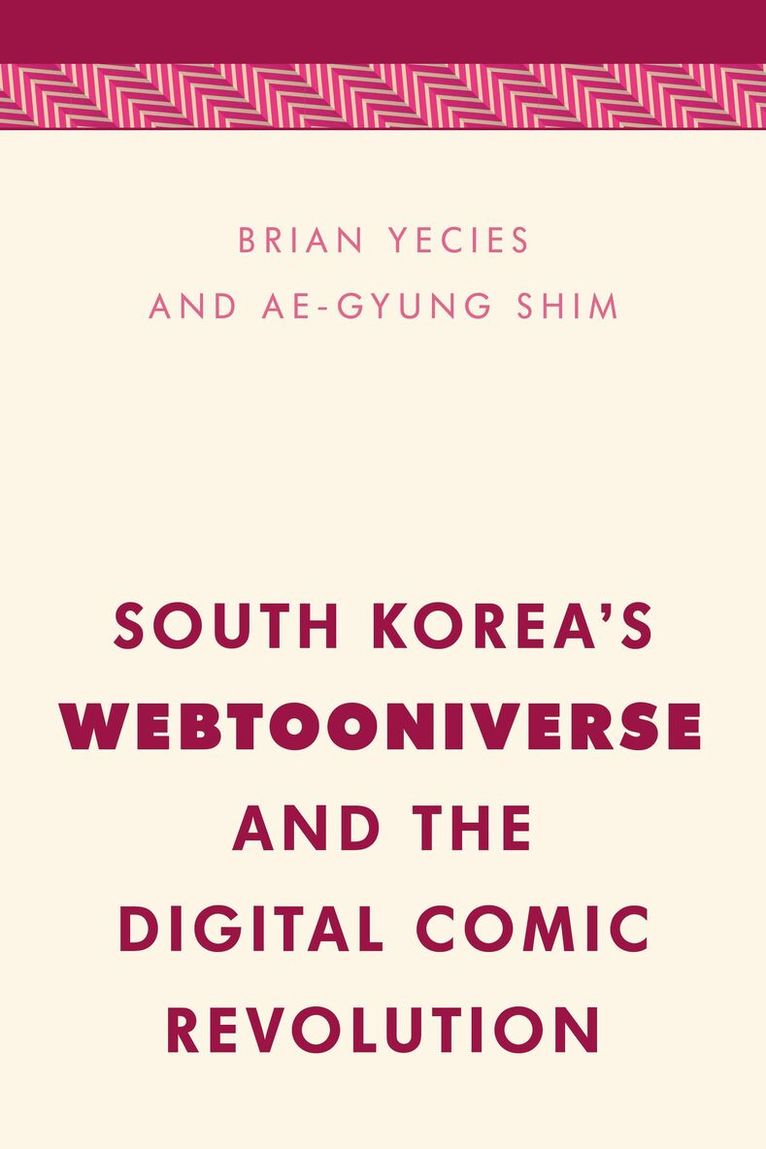
South Korea's Webtooniverse and the Digital Comic Revolution
Av Brian Yecies, Ae-Gyung Shim
Häftad, 2022
458 kr
Lägg i varukorg
This book investigates the meteoric rise of mobile webtoons – also known as webcomics – and the dynamic relationships between serialised content, artists, agencies, platforms and applications, as well as the global readership associated with them. It offers an engaging discussion of webtoons …
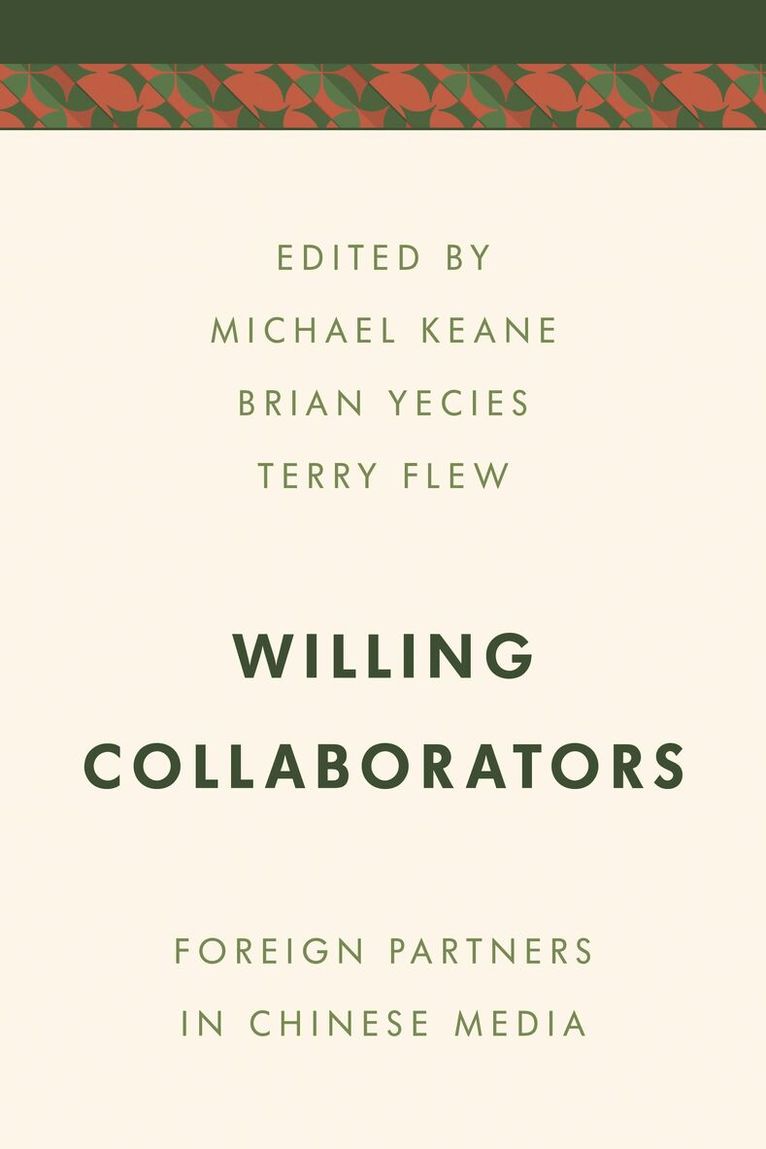
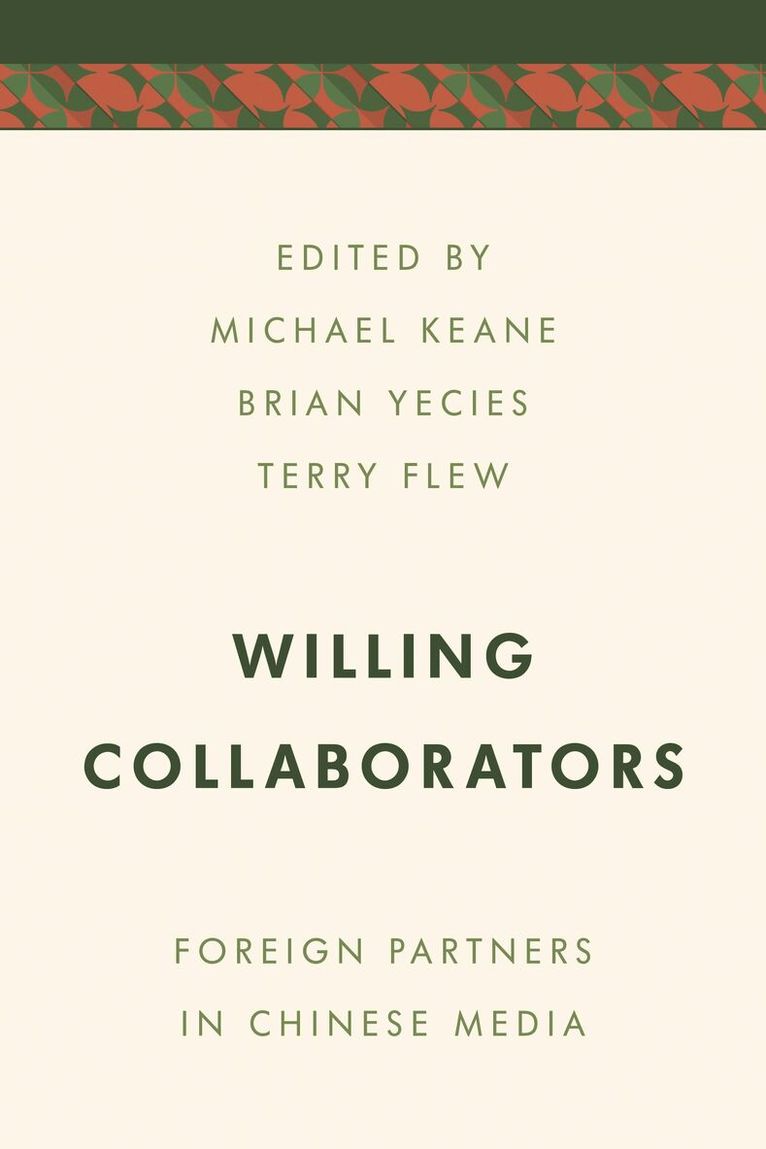
Willing Collaborators
Foreign Partners in Chinese Media
Av Michael Keane, Brian Yecies m. fl.
Inbunden, 2018
1838 kr
Lägg i varukorg
Now in paperback, this volume examines this phenomenon, looking at examples from film, documentary, television, animation and games.In recent years, many media producers, screenwriters, technicians and investors from the Asia-Pacific region have been attracted to projects in the People's Republic …
Willing Collaborators
Foreign Partners in Chinese Media
Av Michael Keane, Brian Yecies m. fl.
E-bok, 2018
671 kr
Lägg i varukorg
Now in paperback, this volume examines this phenomenon, looking at examples from film, documentary, television, animation and games. In recent years, many media producers, screenwriters, technicians and investors from the Asia-Pacific region have been attracted to projects in the People''s Republic …
South Korea's Webtooniverse and the Digital Comic Revolution
Av Brian Yecies, Ae-Gyung Shim
Inbunden, 2021
1345 kr
Lägg i varukorg
This book investigates the meteoric rise of mobile webtoons – also known as webcomics – and the dynamic relationships between serialised content, artists, agencies, platforms and applications, as well as the global readership associated with them. It offers an engaging discussion of webtoons …
Willing Collaborators
Foreign Partners in Chinese Media
Av Michael Keane, Brian Yecies m. fl.
Häftad, 2019
627 kr
Lägg i varukorg
Now in paperback, this volume examines this phenomenon, looking at examples from film, documentary, television, animation and games.In recent years, many media producers, screenwriters, technicians and investors from the Asia-Pacific region have been attracted to projects in the People's Republic …
Coming of Sound to the Australian Cinema, 1924-1937
Hollywood’s Talkie War Down Under
Av Brian Yecies
Inbunden, 2026
1461 kr
Kommande
This book examines how the wiring of Australian cinemas for sound became tangled with questions of technological expertise, labor, and the politics of a significant media industry in flux. The story runs from 1924 to 1937 and draws on the trade and popular press, patent records, corporate filings, …