Bruce A. Fowler – författare
Visar alla böcker från författaren Bruce A. Fowler. Handla med fri frakt och snabb leverans.
9 produkter
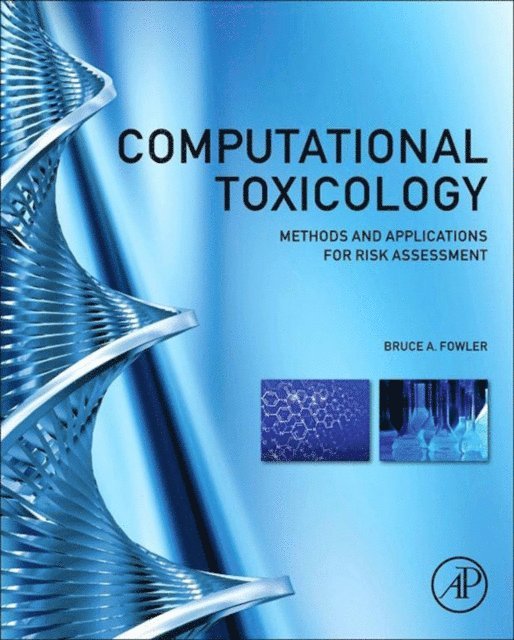
Computational Toxicology
Methods and Applications for Risk Assessment
E-bok, 2013
1707 kr
Lägg i varukorg
Computational Toxicology: Methods and Applications for Risk Assessment is an essential reference on the translation of computational toxicology data into information that can be used for more informed risk assessment decision-making. This book is authored by leading international investigators who …
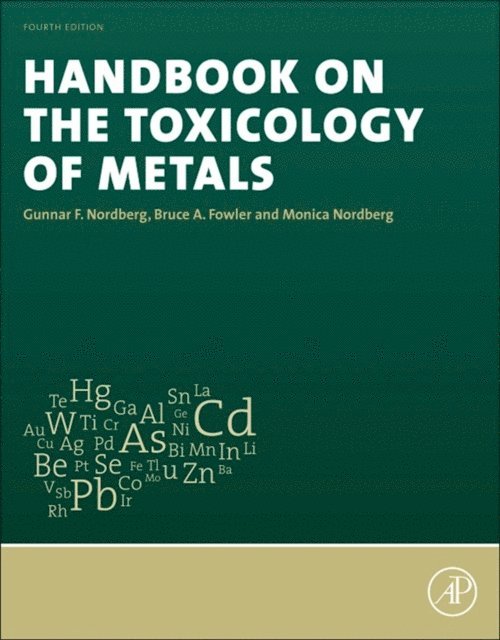
Handbook on the Toxicology of Metals
Av Monica Nordberg, Bruce A. Fowler m. fl.
E-bok, 2014
4626 kr
Lägg i varukorg
Handbook on the Toxicology of Metals, Fourth Edition bridges the gap between established knowledgebase and new advances in metal toxicology to provide one essential reference for all those involved in the field. This book provides comprehensive coverage of basic toxicological data, emphasizing …
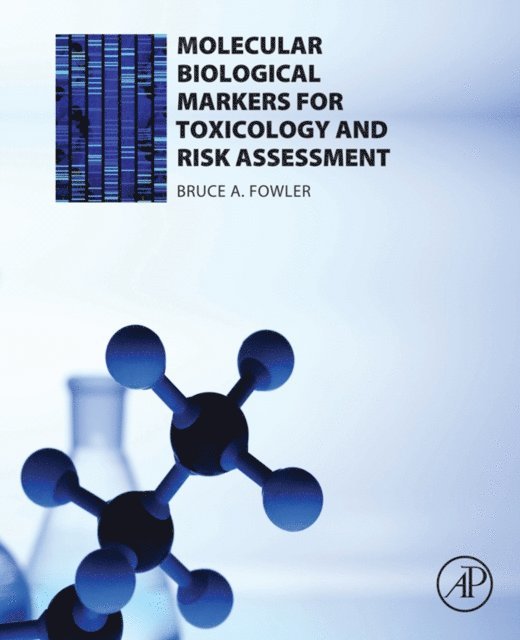
Molecular Biological Markers for Toxicology and Risk Assessment
E-bok, 2016
1152 kr
Lägg i varukorg
Molecular Biological Markers for Toxicology and Risk Assessment provides an introduction to the exciting field of biomarkers and their use in toxicology and risk assessment. In recent years, new classes of molecular biomarkers capable of detecting early manifestations of ongoing chemical-induced …
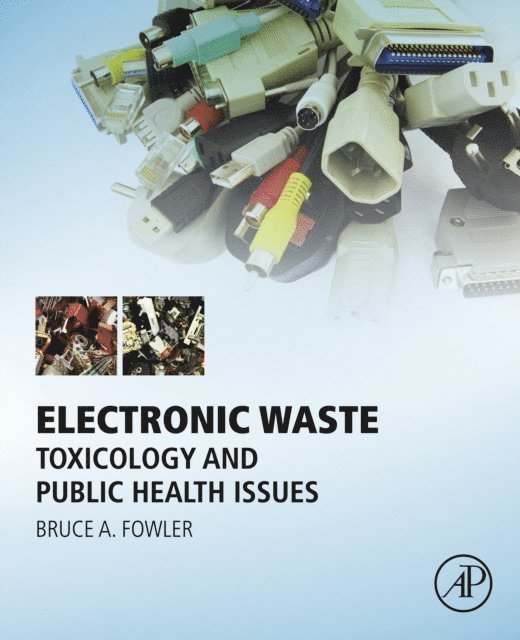
Electronic Waste
Toxicology and Public Health Issues
Inbunden, 2017
1315 kr
Lägg i varukorg
Electronic Waste: Toxicology and Public Health Issues discusses the major public health concerns due to the presence of toxic chemicals that are generated from improper recycling and disposal practices of electronic waste (e-waste). This book highlights hazardous inorganic chemicals found in …
Electronic Waste
Toxicology and Public Health Issues
E-bok, 2017
1828 kr
Lägg i varukorg
Electronic Waste: Toxicology and Public Health Issues discusses the major public health concerns due to the presence of toxic chemicals that are generated from improper recycling and disposal practices of electronic waste (e-waste). This book highlights hazardous inorganic chemicals found in …
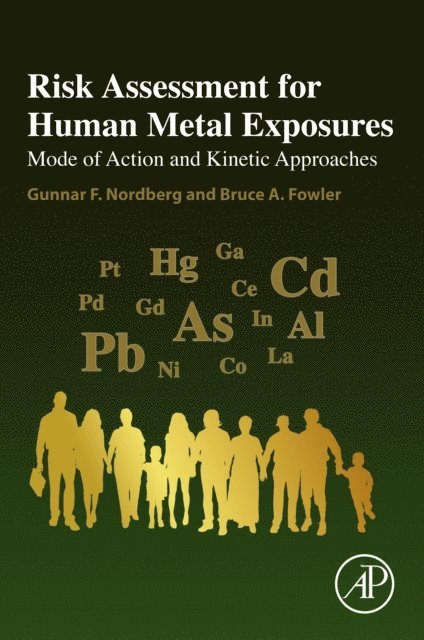
Risk Assessment for Human Metal Exposures
Mode of Action and Kinetic Approaches
Av Gunnar F. Nordberg, Bruce A. Fowler
Häftad, 2018
1355 kr
Lägg i varukorg
Risk Assessment for Human Metal Exposures: Mode of Action and Kinetic Approaches examines the current principles of risk assessment in human metal exposures, with a focus on Mode of Action(MOA), Toxicokinetic and Toxicodynamic (TKTD) considerations, and computer models. Derived from the highly …
Risk Assessment for Human Metal Exposures
Mode of Action and Kinetic Approaches
Av Bruce A. Fowler, Gunnar F. Nordberg
E-bok, 2018
1887 kr
Lägg i varukorg
Risk Assessment for Human Metal Exposures: Mode of Action and Kinetic Approaches examines the current principles of risk assessment in human metal exposures, with a focus on Mode of Action(MOA), Toxicokinetic and Toxicodynamic (TKTD) considerations, and computer models. Derived from the highly …
Molecular Biological Markers for Toxicology and Risk Assessment
Inbunden, 2016
1051 kr
Lägg i varukorg
Molecular Biological Markers for Toxicology and Risk Assessment provides an introduction to the exciting field of biomarkers and their use in toxicology and risk assessment. In recent years, new classes of molecular biomarkers capable of detecting early manifestations of ongoing chemical-induced …
Handbook on the Toxicology of Metals
Av Gunnar F. Nordberg, Bruce A. Fowler m. fl.
Inbunden, 2014
4287 kr
Lägg i varukorg
Handbook on the Toxicology of Metals, Fourth Edition bridges the gap between established knowledgebase and new advances in metal toxicology to provide one essential reference for all those involved in the field. This book provides comprehensive coverage of basic toxicological data, emphasizing …