Carlos Larrinaga – författare
3 792 kr
Skickas inom 10-15 vardagar
700 kr
Skickas inom 10-15 vardagar
814 kr
Läs direkt efter köp
This handbook showcases the broad spectrum of diverse approaches to environmental accounting which have developed during the last 30 years across the globe.
The volume covers a range of physical issues such as water, carbon and biodiversity, as well as specific accounting matters such as management control, finance and audit. Moreover, seven chapters present environmental accounting issues that arise in the regions of Africa, Asia, Europe, MENA, North America, the Pacific and South America. The handbook also highlights future challenges in all the topic areas addressed as well as introducing new topics, such as links between environmental accounting and the circular economy, and the issues associated with animal rights. Edited by leading scholars in the area and with key contributions from across the discipline, and covering a diverse range of perspectives and locations, the volume is divided into five key parts:
• Part 1: Framing the issues
• Part 2: Financial accounting and reporting
• Part 3: Management accounting
• Part 4: Global and local perspectives
• Part 5: Thematic topics in environmental accounting
This handbook will act as a significant publication in drawing together the history of the field and important reference points in its future development, and will serve as a vital resource for students and scholars of environmental accounting and environmental economics.
814 kr
Läs direkt efter köp
This handbook showcases the broad spectrum of diverse approaches to environmental accounting which have developed during the last 30 years across the globe.
The volume covers a range of physical issues such as water, carbon and biodiversity, as well as specific accounting matters such as management control, finance and audit. Moreover, seven chapters present environmental accounting issues that arise in the regions of Africa, Asia, Europe, MENA, North America, the Pacific and South America. The handbook also highlights future challenges in all the topic areas addressed as well as introducing new topics, such as links between environmental accounting and the circular economy, and the issues associated with animal rights. Edited by leading scholars in the area and with key contributions from across the discipline, and covering a diverse range of perspectives and locations, the volume is divided into five key parts:
• Part 1: Framing the issues
• Part 2: Financial accounting and reporting
• Part 3: Management accounting
• Part 4: Global and local perspectives
• Part 5: Thematic topics in environmental accounting
This handbook will act as a significant publication in drawing together the history of the field and important reference points in its future development, and will serve as a vital resource for students and scholars of environmental accounting and environmental economics.
2 511 kr
Skickas inom 10-15 vardagar
831 kr
Läs direkt efter köp
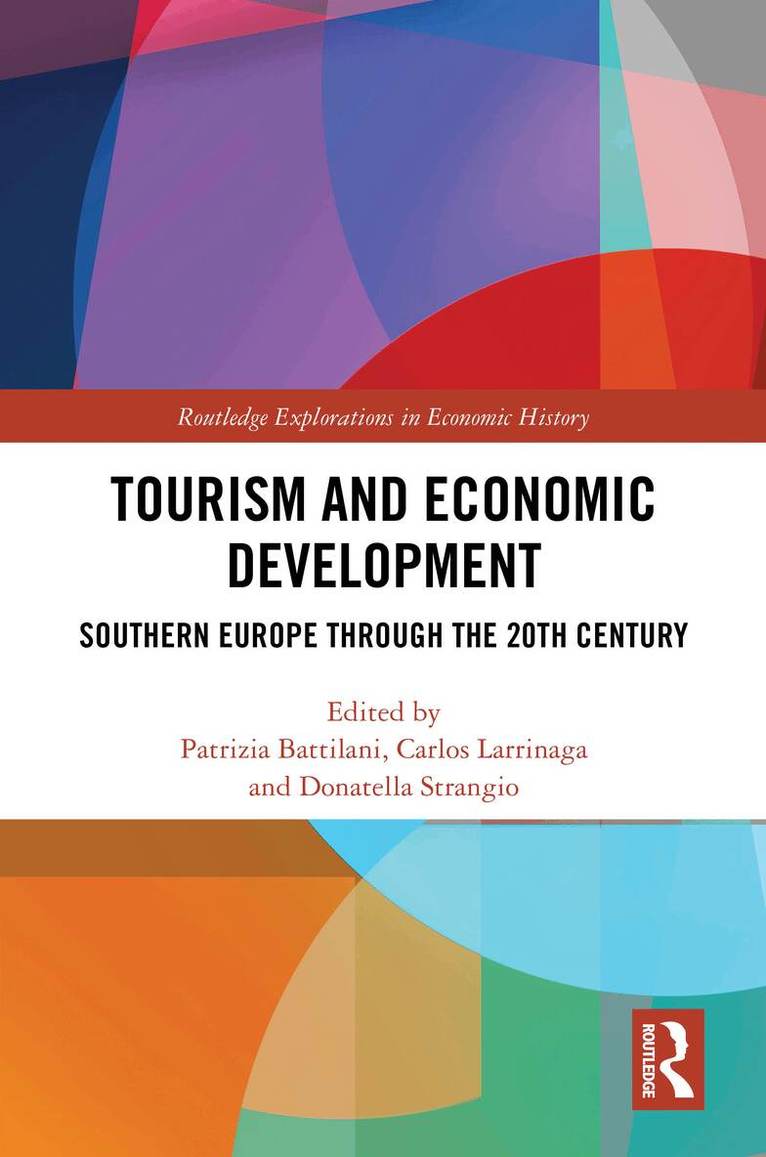
By the end of the 19th century, there were already some countries in southern Europe whose economies benefitted from the arrival of tourists. But it was during the 20th century, and particularly after the Second World War, that the phenomenon of mass tourism arrived and dramatically impacted the economies of southern Europe.
This edited volume analyses when, how, and why tourism gained an important role in the economy and social life of Southern Europe. It contributes to a reassessment of mass tourism focusing on two main dimensions: first, the impact on the economic development of the different southern European countries and second, the building of a new sociality focusing on the rituals and values of middle and the working class. This book adopts a comparative approach that opens with a comparison of European countries in terms of international market share and tourist products. The other chapters focus on national case studies that allow the reader to better understand not only the similarities and differences between some countries and others, but also the phenomenon as a whole. Since tourism is a transnational phenomenon, this book makes an important contribution to not only the study of tourism development and its economy but also social, impact in Southern Europe.
The book will be of great interest to readers of economic history, business history, tourism history, and European history more broadly.
831 kr
Läs direkt efter köp
By the end of the 19th century, there were already some countries in southern Europe whose economies benefitted from the arrival of tourists. But it was during the 20th century, and particularly after the Second World War, that the phenomenon of mass tourism arrived and dramatically impacted the economies of southern Europe.
This edited volume analyses when, how, and why tourism gained an important role in the economy and social life of Southern Europe. It contributes to a reassessment of mass tourism focusing on two main dimensions: first, the impact on the economic development of the different southern European countries and second, the building of a new sociality focusing on the rituals and values of middle and the working class. This book adopts a comparative approach that opens with a comparison of European countries in terms of international market share and tourist products. The other chapters focus on national case studies that allow the reader to better understand not only the similarities and differences between some countries and others, but also the phenomenon as a whole. Since tourism is a transnational phenomenon, this book makes an important contribution to not only the study of tourism development and its economy but also social, impact in Southern Europe.
The book will be of great interest to readers of economic history, business history, tourism history, and European history more broadly.
1 893 kr
Skickas inom 10-15 vardagar
2 436 kr
Läs direkt efter köp
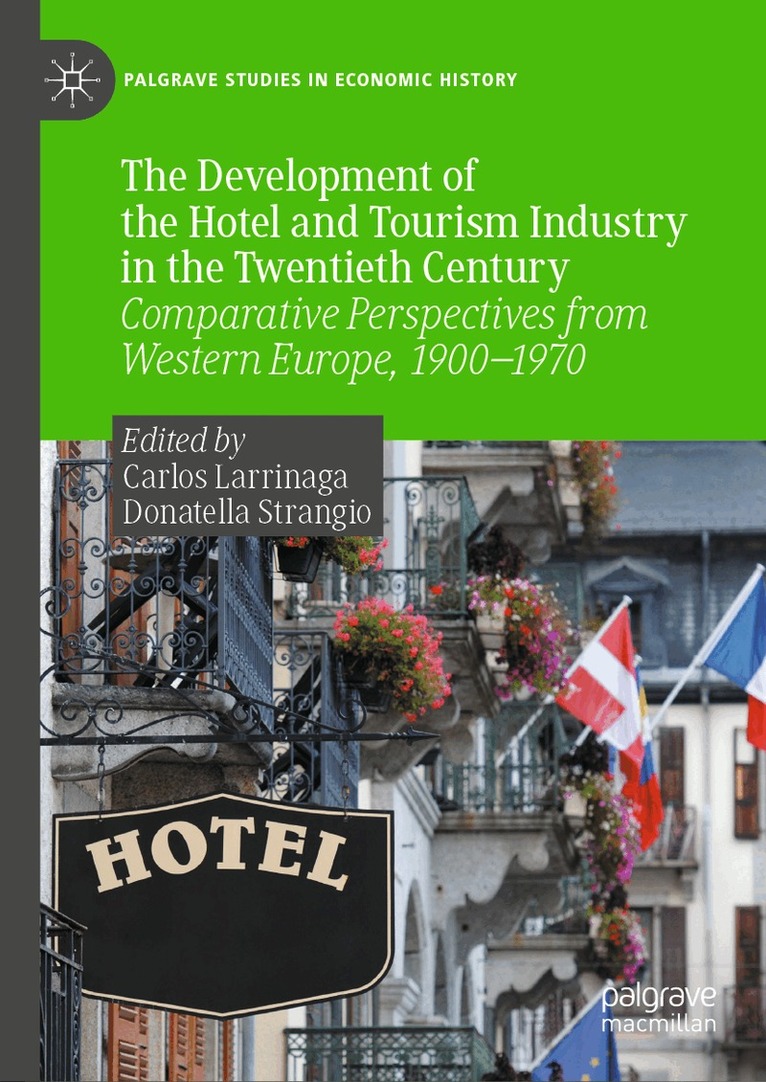
This edited collection explores the pivotal role of the hotel industry in building Western Europe’s tourism economy during the 20th century.
The book brings together ten contributions focused on the same period, 1900-1970, to offer comparative perspectives from across the region including Italy, Switzerland, France, Spain and Britain. Drawing on historical case studies, chapters illuminate the different factors linking hotels and the broader tourism system including interventions of the public authorities and the State, the importance of private involvement, commercial strategies, the medium-term development of private hotels, hotel entrepreneurship, and the impact of economic crises and wars. By placing differing national approaches taken to the growth of the hotel industry in comparison, the book aims to fill a gap in the historiography of European hospitality and shed light on the wider impact of hotels and tourism on economic development at both a national and regional level. It will be of interest to a range of scholars, including in economic and business history, tourism studies, the history of tourism management, and social history.
1 893 kr
Skickas inom 10-15 vardagar
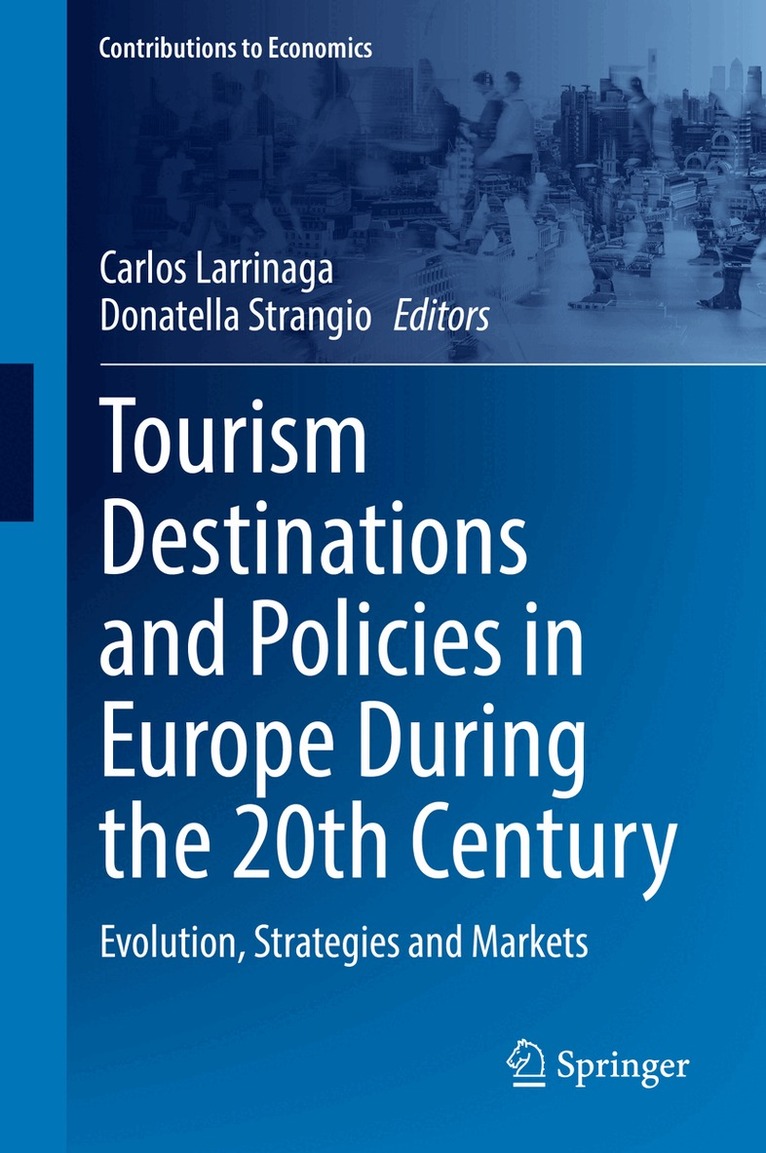
Tourism Destinations and Policies in Europe During the 20th Century
Evolution, Strategies and Markets
1 671 kr
Skickas inom 10-15 vardagar
Tourism Destinations and Policies in Europe During the 20th Century
Evolution, Strategies and Markets
2 110 kr
Läs direkt efter köp
160 kr
Läs direkt efter köp