Caroline A. Austin – författare
Visar alla böcker från författaren Caroline A. Austin. Handla med fri frakt och snabb leverans.
4 produkter
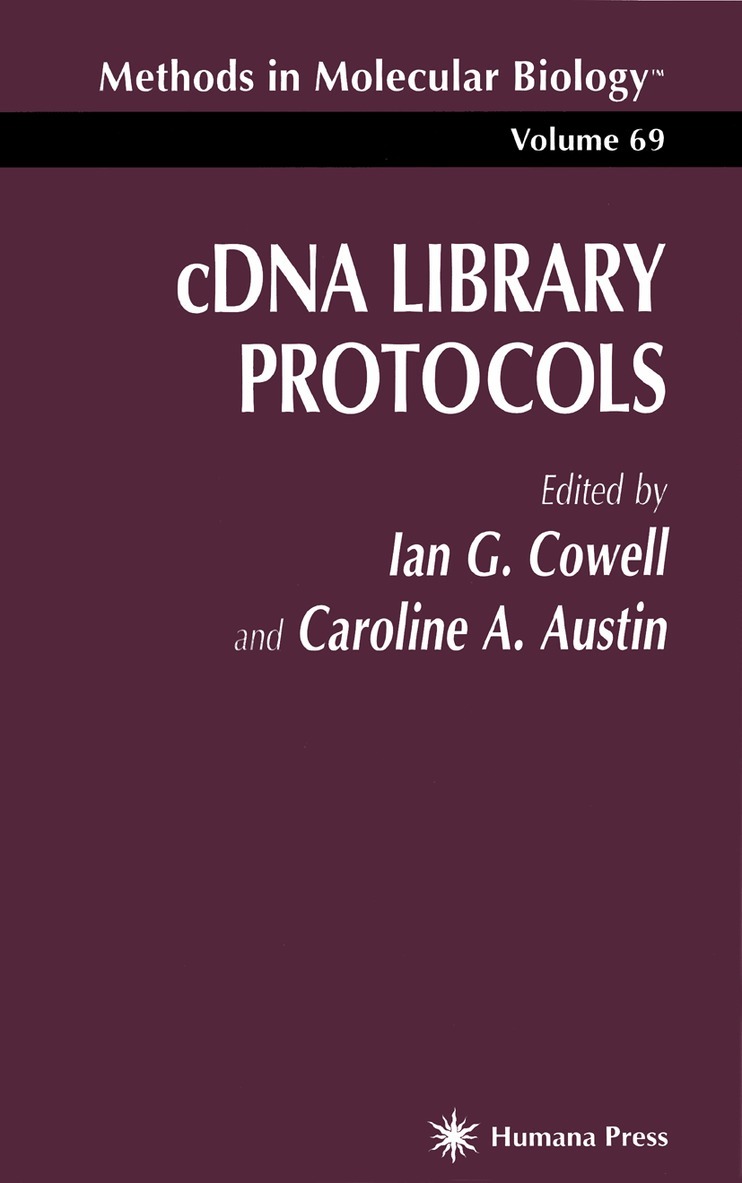
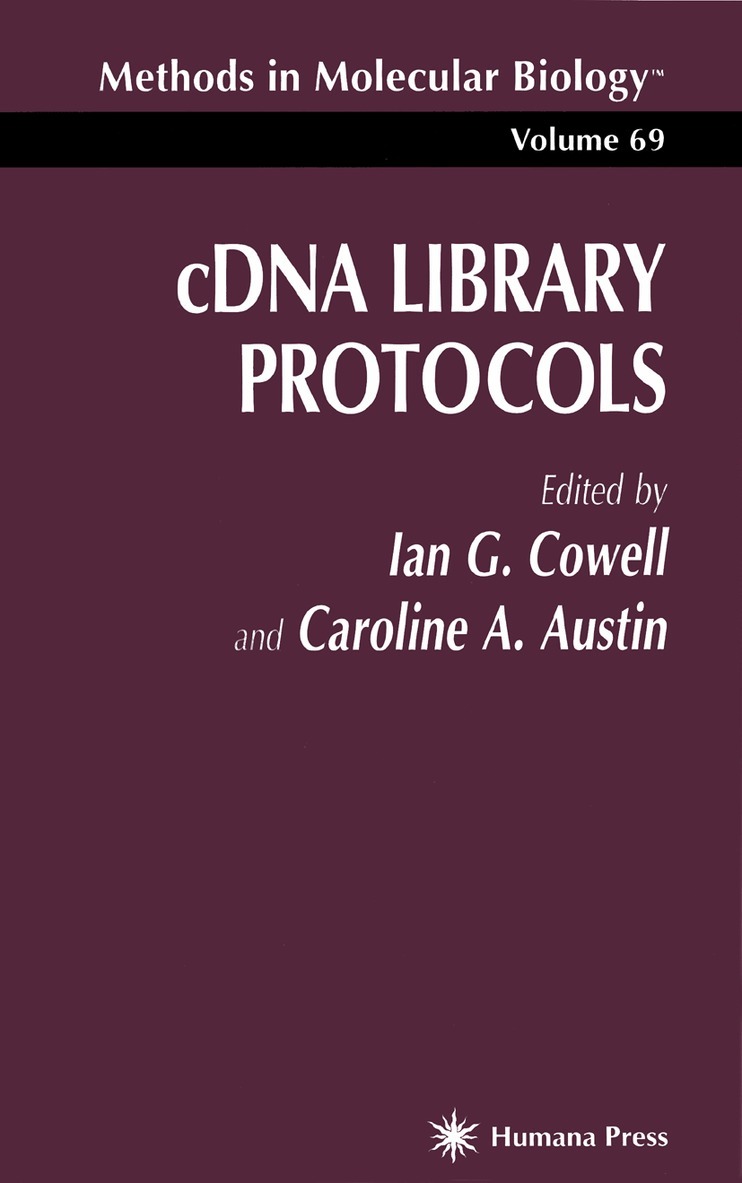
cDNA Library Protocols
Av Ian G. Cowell, Caroline A. Austin
Inbunden, 1996
1639 kr
Lägg i varukorg
This comprehensive collection of detailed protocols covers all areas of cDNA work, from library construction and manipulation to screening and analysis of resulting clones. Great care has been taken to combine up-to-date versions of some of the most widely used protocols with some very useful newer …
cDNA Library Protocols
Av Ian G. Cowell, Caroline A. Austin
Häftad, 2013
1688 kr
Lägg i varukorg
The first libraries of complementary DNA (cDNA) clones were con structed in the mid-to-late 1970s using RNA-dependent DNA polymerase (reverse transcriptase) to convert poly A* mRNA into double-stranded cDNA suitable for insertion into prokaryotic vectors. Since then cDNA technology has become a …
cDNA Library Protocols
Av Caroline A. Austin, Ian G. Cowell
E-bok, 2008
2127 kr
Lägg i varukorg
The first libraries of complementary DNA (cDNA) clones were con structed in the mid-to-late 1970s using RNA-dependent DNA polymerase (reverse transcriptase) to convert poly A* mRNA into double-stranded cDNA suitable for insertion into prokaryotic vectors. Since then cDNA technology has become a …