Catherine S. Taylor - Böcker
Visar alla böcker från författaren Catherine S. Taylor. Handla med fri frakt och snabb leverans.
5 produkter
5 produkter
436 kr
Skickas inom 5-8 vardagar
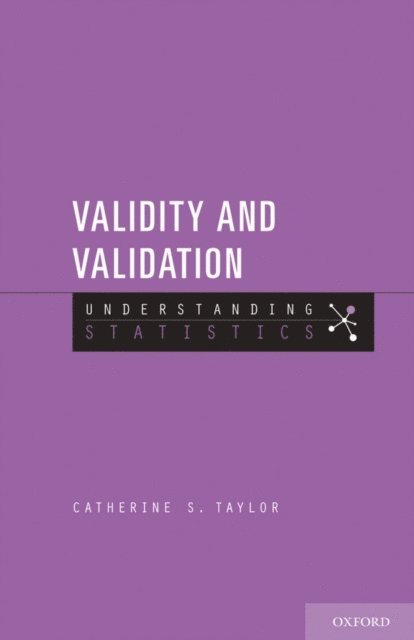
The Understanding Research series focuses on the process of writing up social research. The series is broken down into three categories: Understanding Statistics, Understanding Measurement, and Understanding Qualitative Research. The books provide researchers with guides to understanding, writing, and evaluating social research. Each volume demonstrates how research should be represented, including how to write up the methodology as well as the research findings. Each volume also reviews how to appropriately evaluate published research. Validity and Validation is an introduction to validity theory and to the methods used to obtain evidence for the validity of research and assessment results. The book pulls together the best thinking from educational and psychological research and assessment over the past 50 years. It briefly describes validity theory's roots in the philosophy of science. It highlights the ways these philosophical perspectives influence concepts of internal and external validity in research methodology, as well as concepts of validity and reliability in educational and psychological tests and measurements. Each chapter provides multiple examples (e.g., research designs and examples of output) to help the readers see how validation work is done in practice, from the ways we design research studies to the ways we interpret research results. Of particular importance is the practical focus on validation of scores from tests and other measures. The book also addresses strategies for investigating the validity of inferences we make about examinees using scores from assessments, as well as how to investigate score uses, the value implications of score interpretations, and the social consequences of score use. With this foundation, the book presents strategies for minimizing threats for validity as well as quantitative and qualitative methods for gathering evidence for the validity of scores.
416 kr
Skickas inom 7-10 vardagar
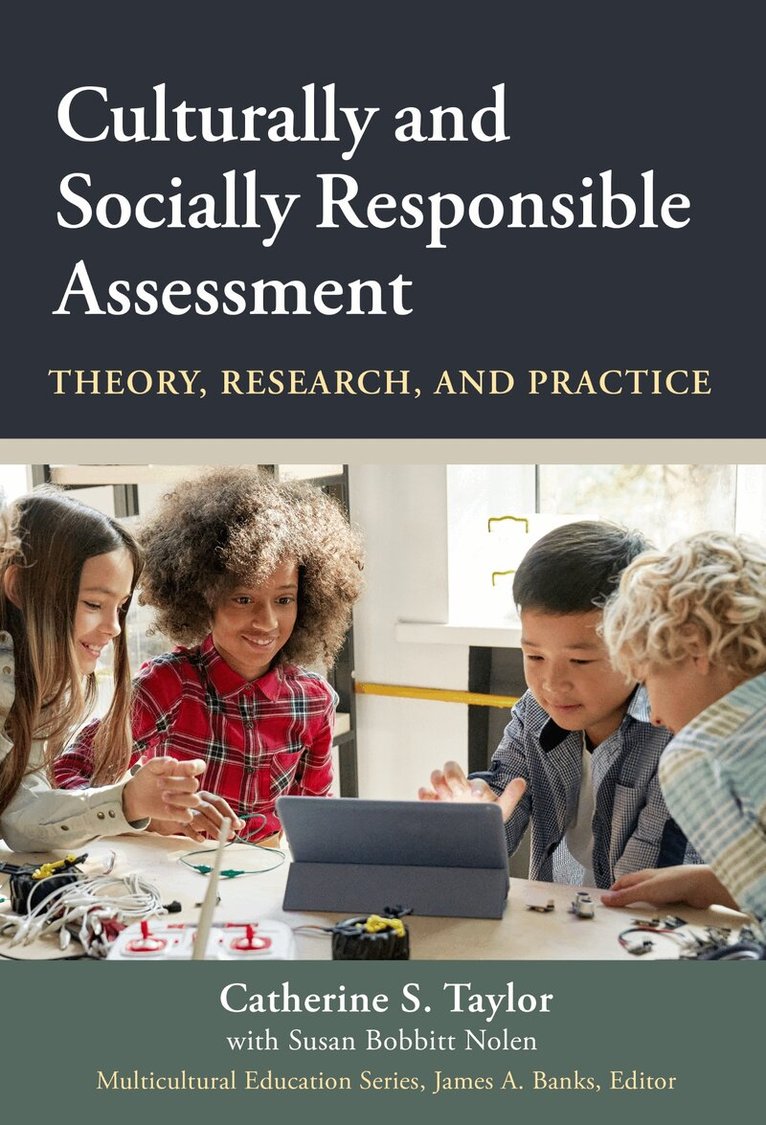
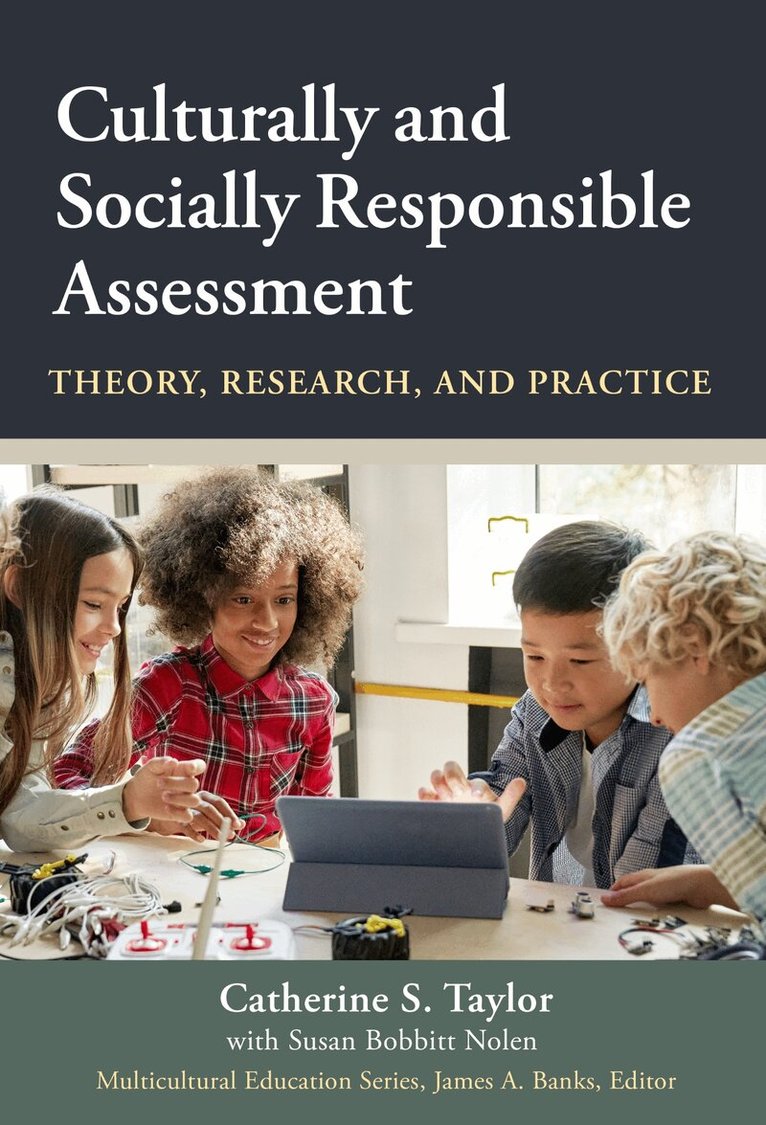
This book addresses a problem that affects the work of all educators: how traditional methods of assessment undermine the capacity of schools to serve students with diverse cultural and social backgrounds and identities. Anchored in a common-sense notion of validity, this book explains how current K–12 assessment practices are grounded in the language, experiences, and values of the dominant White culture. It presents a timely review of research on bias in classroom and large-scale assessments, as well as research on how students’ level of engagement influences their performances. The author recommends practices that can improve the validity of students’ assessment performances by minimizing sources of bias, using culturally responsive assessment tools, and adopting strategies likely to increase students’ engagement with assessment tasks. This practical resource provides subject-specific approaches for improving the cultural and social relevance of assessment tools and offers guidance for evaluating existing assessment instruments for bias, language complexity, and accessibility issues. Book Features:Research-based recommendations for improving assessment fairness, validity, and cultural/social relevance.Practices that have been shown to improve the effectiveness of classroom assessments in supporting student learning.Concrete examples of how to create culturally relevant assessment tasks that target valued learning goals in language arts, mathematics, social studies, and science classrooms.Appendixes that provide tools educators can use to improve grading practices.
Culturally and Socially Responsible Assessment
Theory, Research, and Practice
Inbunden, Engelska, 2022
1 234 kr
Skickas inom 7-10 vardagar
This book addresses a problem that affects the work of all educators: how traditional methods of assessment undermine the capacity of schools to serve students with diverse cultural and social backgrounds and identities. Anchored in a common-sense notion of validity, this book explains how current K–12 assessment practices are grounded in the language, experiences, and values of the dominant White culture. It presents a timely review of research on bias in classroom and large-scale assessments, as well as research on how students’ level of engagement influences their performances. The author recommends practices that can improve the validity of students’ assessment performances by minimizing sources of bias, using culturally responsive assessment tools, and adopting strategies likely to increase students’ engagement with assessment tasks. This practical resource provides subject-specific approaches for improving the cultural and social relevance of assessment tools and offers guidance for evaluating existing assessment instruments for bias, language complexity, and accessibility issues. Book Features:Research-based recommendations for improving assessment fairness, validity, and cultural/social relevance.Practices that have been shown to improve the effectiveness of classroom assessments in supporting student learning.Concrete examples of how to create culturally relevant assessment tasks that target valued learning goals in language arts, mathematics, social studies, and science classrooms.Appendixes that provide tools educators can use to improve grading practices.
Culturally Responsive Assessment in Classrooms and Large-Scale Contexts
Theory, Research, and Practice
Inbunden, Engelska, 2025
2 030 kr
Skickas inom 10-15 vardagar
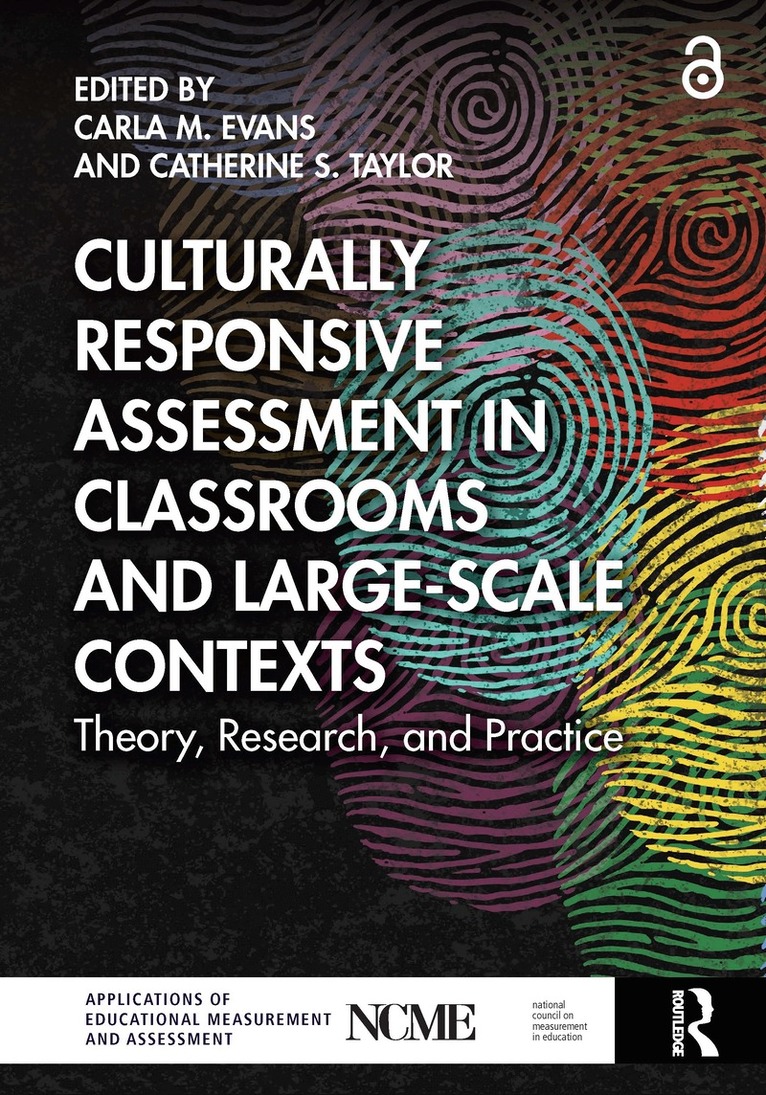
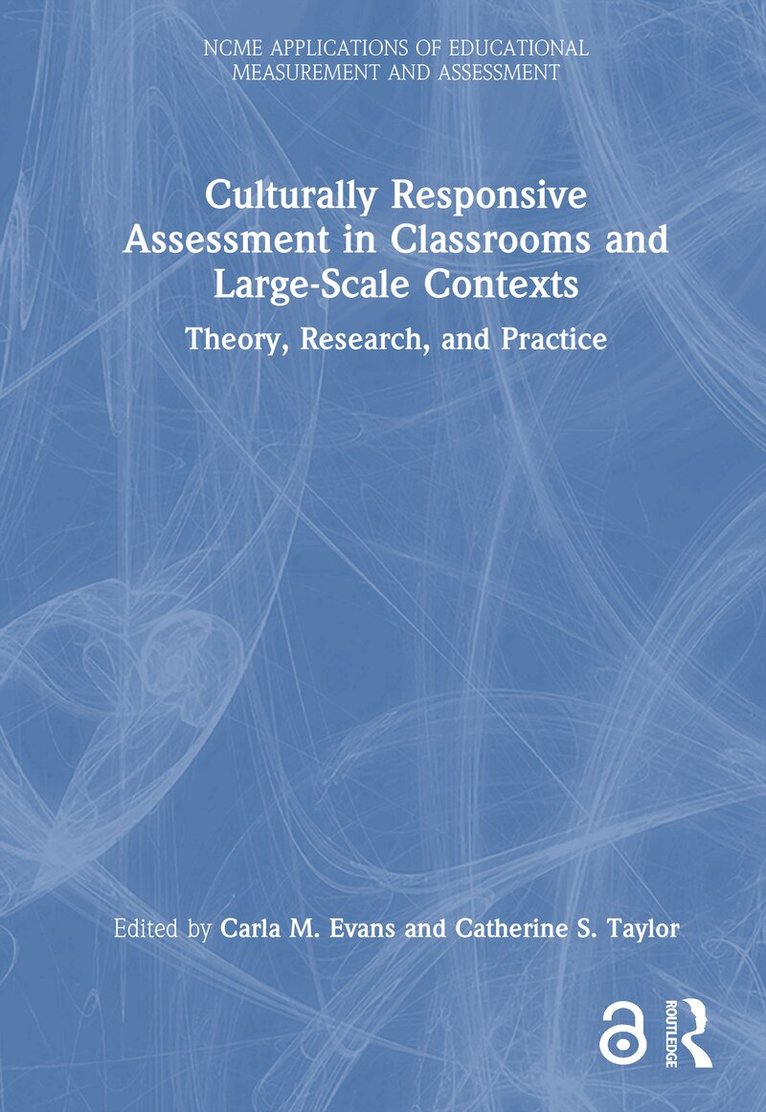
Culturally Responsive Assessment in Classrooms and Large-Scale Contexts explores how scholars and professionals in educational measurement and assessment can use the unique cultural and social identities of students to shape assessment purpose, design, implementation, use, and validation processes. Despite the sheer diversity of student populations in the United States, the tools used to understand their performance and progress have not substantively changed in decades. Large-scale testing and related policies still privilege “culturally neutral” test content, standardization, and comparability. Classroom assessments often mimic these procedures, even though rich tasks and activities could easily be incorporated into curriculum and instruction to allow students to see themselves, their interests, communities, beliefs, and backgrounds represented and valued. This book collects the theory, research, and best practices that are essential to ensuring cultural responsiveness in classroom assessment and standardized testing procedures, policies, and practices. Chapters by assessment and measurement experts along with scholars who are experts in sociocultural learning theory, philosophy of education, critical theories, multilingual education, and Indigenous education, summarize findings from existing research and suggest how future research can move classroom and industry practice as well as federal, state, and local policy forward.
Culturally Responsive Assessment in Classrooms and Large-Scale Contexts
Theory, Research, and Practice
Häftad, Engelska, 2025
692 kr
Skickas inom 10-15 vardagar
Culturally Responsive Assessment in Classrooms and Large-Scale Contexts explores how scholars and professionals in educational measurement and assessment can use the unique cultural and social identities of students to shape assessment purpose, design, implementation, use, and validation processes. Despite the sheer diversity of student populations in the United States, the tools used to understand their performance and progress have not substantively changed in decades. Large-scale testing and related policies still privilege “culturally neutral” test content, standardization, and comparability. Classroom assessments often mimic these procedures, even though rich tasks and activities could easily be incorporated into curriculum and instruction to allow students to see themselves, their interests, communities, beliefs, and backgrounds represented and valued. This book collects the theory, research, and best practices that are essential to ensuring cultural responsiveness in classroom assessment and standardized testing procedures, policies, and practices. Chapters by assessment and measurement experts along with scholars who are experts in sociocultural learning theory, philosophy of education, critical theories, multilingual education, and Indigenous education, summarize findings from existing research and suggest how future research can move classroom and industry practice as well as federal, state, and local policy forward.