Cecile Mouly – författare
1 282 kr
Läs direkt efter köp
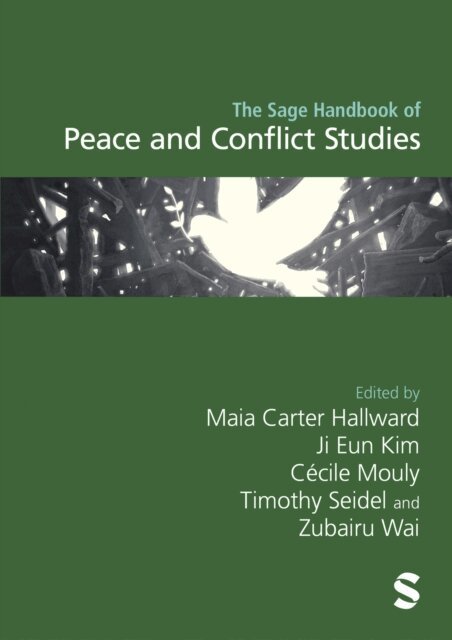
The Sage Handbook of Peace and Conflict Studies offers a comprehensive exploration of the complexities of violence, conflict, and peace from a global, interdisciplinary perspective. The handbook addresses the traditional Western-centric approach while emphasizing the need to integrate Global South perspectives to create a more inclusive and transformative understanding of peace and conflict.While important voices in peace and conflict studies have long stressed the need to not only address direct violence but also structural and cultural one, certain strands of the field have upheld conservative knowledge production and reinforced unequal power structures. This volume seeks to challenge these biasesby foregrounding critical and decolonial approaches that emphasize gender, race, culture, global history, and political economy. Its diverse chapters invite us to question mainstream assumptions and promote a broader, more inclusive analysis of peace and conflict.The handbook explores the evolution of the field, highlighting the impact of historical events and the role of oppositional knowledge in political change. It offers a critical overview of theoretical approaches, emphasizing reflexivity, inclusivity, and the importance of local actors in peace and conflict dynamics. Additionally, it examines how cultural and disciplinary assumptions shape peacebuilding and conflict transformation, and it critiques traditional global narratives on issues like governance, climate change, and human rights. Finally, the handbook presents real-world case studies that integrate themes of decoloniality, race, gender, and power inequalities across diverse global contexts.By centering the Global South and integrating interdisciplinary perspectives, this handbook provides valuable insights for scholars and practitioners committed to fostering a more equitable and just world.Section 1: History, Knowledge, and Power in Peace and Conflict StudiesSection 2: Theory and Analysis in Peace and Conflict StudiesSection 3: Practices and Approaches in Peace and Conflict StudiesSection 4: Global Issues, Institutions, and Change in Peace and Conflict StudiesSection 5: Case Studies in Peace and Conflict Studies
1 512 kr
Skickas
The Sage Handbook of Peace and Conflict Studies offers a comprehensive exploration of the complexities of violence, conflict, and peace from a global, interdisciplinary perspective. The handbook addresses the traditional Western-centric approach while emphasizing the need to integrate Global South perspectives to create a more inclusive and transformative understanding of peace and conflict.While important voices in peace and conflict studies have long stressed the need to not only address direct violence but also structural and cultural one, certain strands of the field have upheld conservative knowledge production and reinforced unequal power structures. This volume seeks to challenge these biasesby foregrounding critical and decolonial approaches that emphasize gender, race, culture, global history, and political economy. Its diverse chapters invite us to question mainstream assumptions and promote a broader, more inclusive analysis of peace and conflict.The handbook explores the evolution of the field, highlighting the impact of historical events and the role of oppositional knowledge in political change. It offers a critical overview of theoretical approaches, emphasizing reflexivity, inclusivity, and the importance of local actors in peace and conflict dynamics. Additionally, it examines how cultural and disciplinary assumptions shape peacebuilding and conflict transformation, and it critiques traditional global narratives on issues like governance, climate change, and human rights. Finally, the handbook presents real-world case studies that integrate themes of decoloniality, race, gender, and power inequalities across diverse global contexts.By centering the Global South and integrating interdisciplinary perspectives, this handbook provides valuable insights for scholars and practitioners committed to fostering a more equitable and just world.Section 1: History, Knowledge, and Power in Peace and Conflict StudiesSection 2: Theory and Analysis in Peace and Conflict StudiesSection 3: Practices and Approaches in Peace and Conflict StudiesSection 4: Global Issues, Institutions, and Change in Peace and Conflict StudiesSection 5: Case Studies in Peace and Conflict Studies
Estudios de paz y conflictos
Teoría y práctica
613 kr
Skickas inom 5-8 vardagar
1 743 kr
Skickas inom 5-8 vardagar
The Sage Handbook of Peace and Conflict Studies offers a comprehensive exploration of the complexities of violence, conflict, and peace from a global, interdisciplinary perspective. The handbook addresses the traditional Western-centric approach while emphasizing the need to integrate Global South perspectives to create a more inclusive and transformative understanding of peace and conflict.While important voices in peace and conflict studies have long stressed the need to not only address direct violence but also structural and cultural one, certain strands of the field have upheld conservative knowledge production and reinforced unequal power structures. This volume seeks to challenge these biasesby foregrounding critical and decolonial approaches that emphasize gender, race, culture, global history, and political economy. Its diverse chapters invite us to question mainstream assumptions and promote a broader, more inclusive analysis of peace and conflict.The handbook explores the evolution of the field, highlighting the impact of historical events and the role of oppositional knowledge in political change. It offers a critical overview of theoretical approaches, emphasizing reflexivity, inclusivity, and the importance of local actors in peace and conflict dynamics. Additionally, it examines how cultural and disciplinary assumptions shape peacebuilding and conflict transformation, and it critiques traditional global narratives on issues like governance, climate change, and human rights. Finally, the handbook presents real-world case studies that integrate themes of decoloniality, race, gender, and power inequalities across diverse global contexts.By centering the Global South and integrating interdisciplinary perspectives, this handbook provides valuable insights for scholars and practitioners committed to fostering a more equitable and just world.Section 1: History, Knowledge, and Power in Peace and Conflict StudiesSection 2: Theory and Analysis in Peace and Conflict StudiesSection 3: Practices and Approaches in Peace and Conflict StudiesSection 4: Global Issues, Institutions, and Change in Peace and Conflict StudiesSection 5: Case Studies in Peace and Conflict Studies
paz aplazada, pero urgente y necesaria
Proceso de paz entre el Gobierno colombiano y el Ejército de Liberación Nacional (2010-2019)
443 kr
Skickas inom 5-8 vardagar
1 407 kr
Skickas inom 10-15 vardagar
1 733 kr
Läs direkt efter köp
1 730 kr
Skickas inom 10-15 vardagar
2 176 kr
Läs direkt efter köp
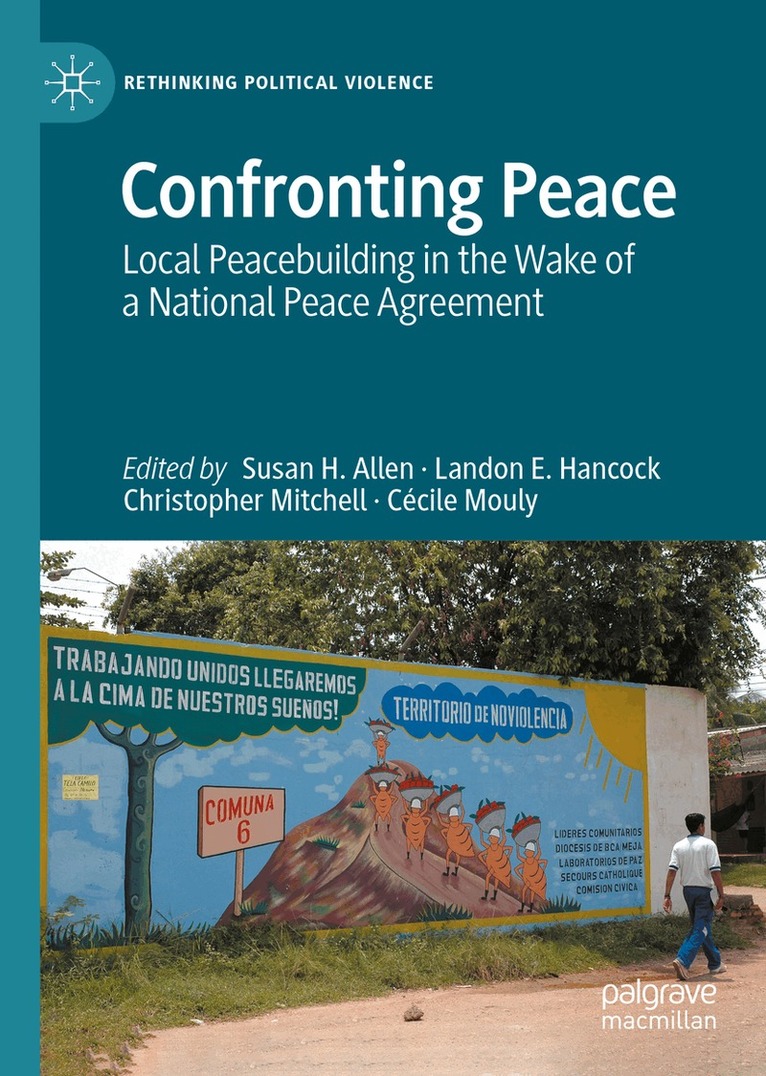
Most recent works about the efforts of local communities caught up in a civil war have focused on their efforts to remain places of security and safety from the violence that surrounds them—neutral peace communities or zones. This book, in contrast, focuses on local peace communities facing new challenges and opportunities once a peace agreement has been signed at the national level, such as those in South Africa, the Philippines, Burundi, East Timor, Sierra Leone, and the present peace process in Colombia between the FARC and the Colombian Government. The communities’ task is to make a stable and durable peace in the aftermath of a violent civil war and a deal on which local people have usually had little or no influence. Such agreements seek to involve them in both short and longer term peace-building, and expect local communities to cope with problems of armed ex-combatants, IDPs and refugees, law and order in the absence of much state presence, high unemployment and the need for widespread and massive reconstruction of physical infrastructure damaged or destroyed during the war. How local communities have coped with the demands of “peace” is thus the theme that runs through each of these individual chapters, written by authors with direct experience of grassroots communities struggling with such “problems of peace.”
1 730 kr
Skickas inom 10-15 vardagar