Charlie Q. L. Xue - Böcker
Visar alla böcker från författaren Charlie Q. L. Xue. Handla med fri frakt och snabb leverans.
4 produkter
4 produkter
632 kr
Skickas inom 10-15 vardagar
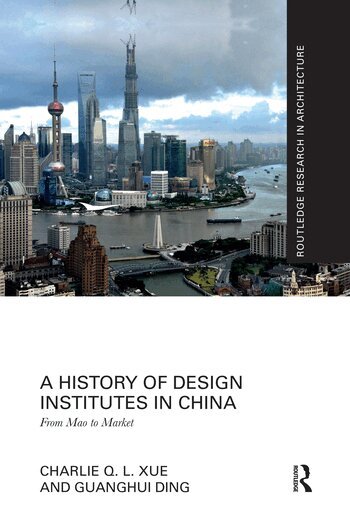
A History of Design Institutes in China examines the intricate relationship between design institutes, the state, and, in later periods, the market economy through a carefully situated discussion of significant theoretical and historical issues including socialist utopia, collective and individual design, structural transformation, and architectural exportation, amongst others. It shows how, over the past six decades, China’s design institutes have served the state’s strategy for socialist construction and urbanisation to create socioeconomic and cultural value. Through first-hand research, authors Xue and Ding reveal how the tensions between pragmatism, creativity, collaboration, and resistance have played a crucial role in defining architectural production. Appealing to academics, researchers, and graduate students, this book provides a much-needed contribution to the discourse on architectural history, building practices, and policymaking in contemporary China.
2 159 kr
Skickas inom 10-15 vardagar
A History of Design Institutes in China examines the intricate relationship between design institutes, the state, and, in later periods, the market economy through a carefully situated discussion of significant theoretical and historical issues including socialist utopia, collective and individual design, structural transformation, and architectural exportation, amongst others. It shows how, over the past six decades, China’s design institutes have served the state’s strategy for socialist construction and urbanisation to create socioeconomic and cultural value. Through first-hand research, authors Xue and Ding reveal how the tensions between pragmatism, creativity, collaboration, and resistance have played a crucial role in defining architectural production. Appealing to academics, researchers, and graduate students, this book provides a much-needed contribution to the discourse on architectural history, building practices, and policymaking in contemporary China.
1 307 kr
Skickas inom 10-15 vardagar
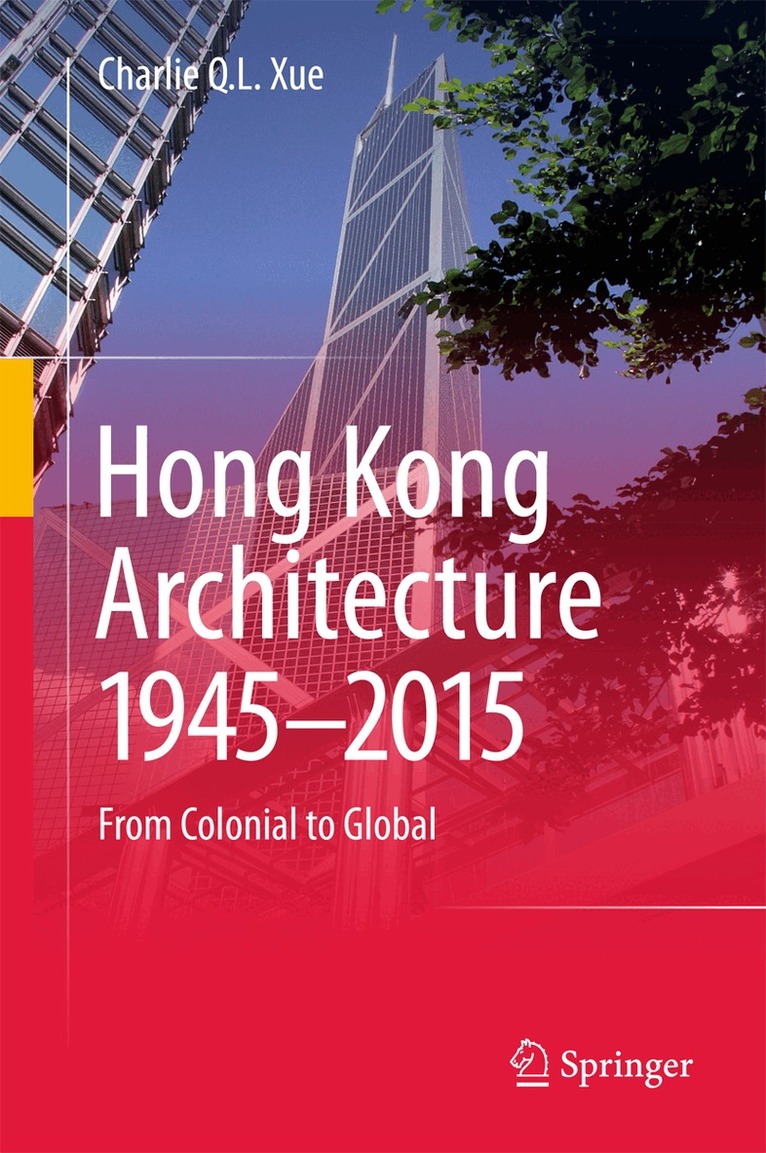
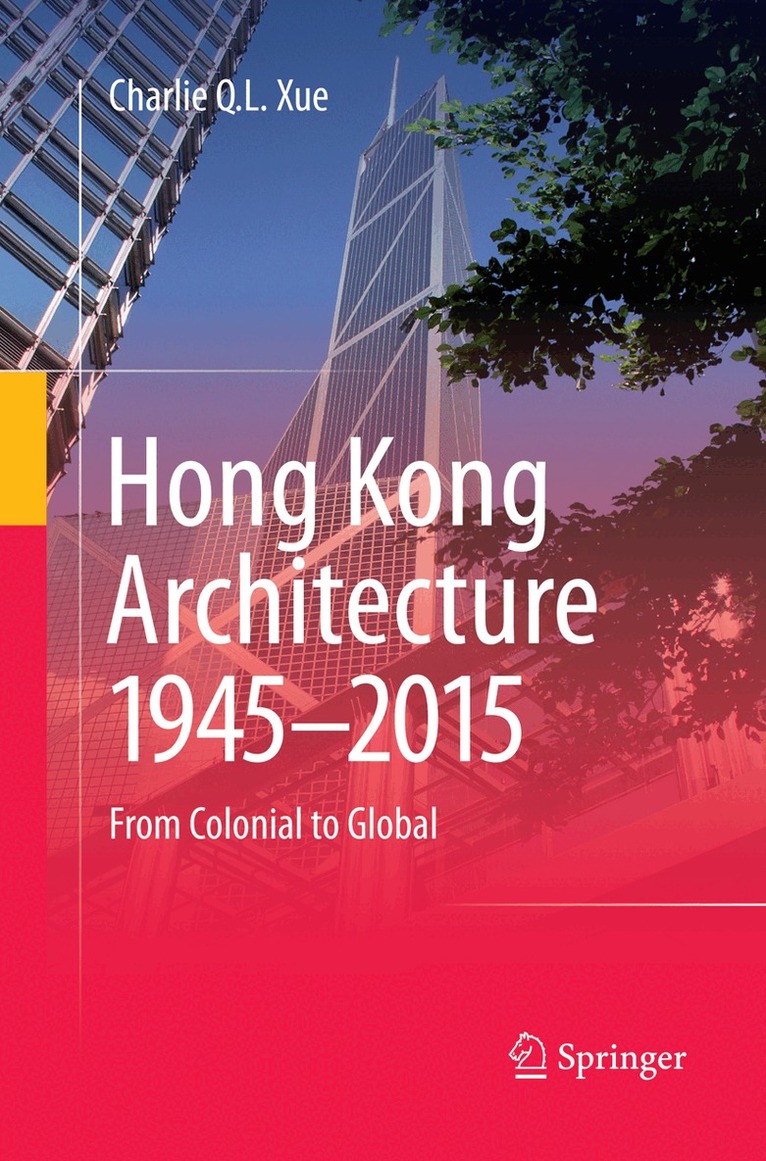
This book focuses on the transformation from colonial to global – the formation, mechanism, events, works and people related to urban architecture. The book reveals hardships the city encountered in the 1950s and the glamour enjoyed in the 1980s. It depicts the public and private developments, and especially the public housing which has sheltered millions of residents. The author identifies the architects practising in the formative years and the representatives of a rising generation after the 1980s. Suffering from land shortage and a dense environment, the urban development of Hong Kong has in the past 70 years met the changing demands of fluctuating economic activities and a rising population. Architecture on the island has been shaped by social demands, the economy and technology. The buildings have been forged by the government, clients, planners, architects, many contractors and end-users. The built environment nurtures our life and is visual evidence of the way the city hasdeveloped. Hong Kong is a key to East Asia in the Pacific Era. The book is a must-read for a thorough understanding the contemporary history and architecture of this oriental pearl.Endorsement:“Hong Kong sets an extreme example of hyper-density living. MTR’s Kowloon Station project offered my firm the unique opportunity to contribute to a new type of fully integrated three dimensional transport mega-structure, conceived as a well-connected place for people to live, work and play. Through Charlie Xue’s book, one can see how a compact city works and high density integrated development indicates a sustainable path for modern city making.” Sir Terry Farrell, CBE, Principal, Farrells"Well researched and refreshingly well structured, Charlie Xue's latest book comprehensively shows how Hong Kong's post-war urban architecture both tracks and symbolizes the former British colony's rise to success - a must read forarchitecture and culture buffs alike."Peter G. Rowe, Raymond Garbe Professor of Architecture and Urban Design, Harvard University Distinguished Service Professor.“An essential addition to the growing literature on Chinese architecture, the title of the book belies the full scope of Xue’s extensive history. Covering Hong Kong’s postwar transition from defeated colony to Pacific Age power house, Xue expertly traces the evolution of the city’s ambitious and innovative programs of integrated high density urban design and infrastructure, as well as changing architectural fashions. In a time when many Western governments have all but abandoned public housing programs, Xue’s book is a timely reminder of what can be achieved.” Professor Chris Abel, author of Architecture and Identity, Architecture, technology and process and The Extended Self.<
1 307 kr
Skickas inom 10-15 vardagar
This book focuses on the transformation from colonial to global – the formation, mechanism, events, works and people related to urban architecture. The book reveals hardships the city encountered in the 1950s and the glamour enjoyed in the 1980s. It depicts the public and private developments, and especially the public housing which has sheltered millions of residents. The author identifies the architects practising in the formative years and the representatives of a rising generation after the 1980s. Suffering from land shortage and a dense environment, the urban development of Hong Kong has in the past 70 years met the changing demands of fluctuating economic activities and a rising population. Architecture on the island has been shaped by social demands, the economy and technology. The buildings have been forged by the government, clients, planners, architects, many contractors and end-users. The built environment nurtures our life and is visual evidence of the way the city hasdeveloped. Hong Kong is a key to East Asia in the Pacific Era. The book is a must-read for a thorough understanding the contemporary history and architecture of this oriental pearl.Endorsement:“Hong Kong sets an extreme example of hyper-density living. MTR’s Kowloon Station project offered my firm the unique opportunity to contribute to a new type of fully integrated three dimensional transport mega-structure, conceived as a well-connected place for people to live, work and play. Through Charlie Xue’s book, one can see how a compact city works and high density integrated development indicates a sustainable path for modern city making.” Sir Terry Farrell, CBE, Principal, Farrells"Well researched and refreshingly well structured, Charlie Xue's latest book comprehensively shows how Hong Kong's post-war urban architecture both tracks and symbolizes the former British colony's rise to success - a must read forarchitecture and culture buffs alike."Peter G. Rowe, Raymond Garbe Professor of Architecture and Urban Design, Harvard University Distinguished Service Professor.“An essential addition to the growing literature on Chinese architecture, the title of the book belies the full scope of Xue’s extensive history. Covering Hong Kong’s postwar transition from defeated colony to Pacific Age power house, Xue expertly traces the evolution of the city’s ambitious and innovative programs of integrated high density urban design and infrastructure, as well as changing architectural fashions. In a time when many Western governments have all but abandoned public housing programs, Xue’s book is a timely reminder of what can be achieved.” Professor Chris Abel, author of Architecture and Identity, Architecture, technology and process and The Extended Self.<