Chris E. Stout Ph.D. – författare
Visar alla böcker från författaren Chris E. Stout Ph.D.. Handla med fri frakt och snabb leverans.
13 produkter
13 produkter
Inbunden, Engelska, 2004
475 kr
Skickas inom 10-15 vardagar
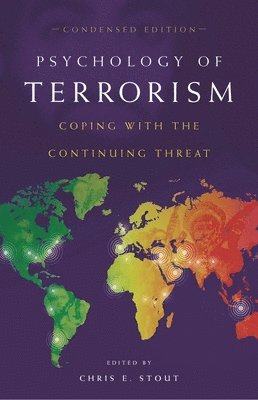
Easily the most thorough treatment of terrorism's complexities on the market today is how one reviewer described the set from which this single volume is drawn: the 4-volume Psychology of Terrorism. Here, Editor Chris E. Stout presents seven classic chapters from across that multivolume set, which brought together experts from around the world in the aftermath of the terrorist attacks of September 11, 2001. Stout includes a new introduction with this condensed version, along with appendices that will enable lay readers and professionals to recognize and treat symptoms of biological attack, take basic steps to prepare for terrorist incidents, and find resources for more information.
Inbunden, Engelska, 2006
716 kr
Skickas inom 10-15 vardagar
Color-coded terrorism alerts are issued, then lifted with no explanation. False alarms can, like crying wolf, desensitize people to a real need to be on alert. And that psychic numbing is just one effect discussed in this book by fifteen psychologists teamed up to take a critical look at the U.S. war on terrorism. These experts are led by the Chairman of an American Psychological Association task force charged with pinpointing the effect of our anti-terrorism efforts on American mental health. Together, they present the most up-to-date and intriguing picture we have of the fallout on our own people from our own programs. The text spotlights stereotyping of foreigners, increased domestic hate crimes, fear, depression and helplessness, as well as increased militancy and belligerence, especially among students. Perhaps most disturbing in the land of the free, we also see increasing acceptance of restrictions on our personal freedoms, and acceptance of human rights violations.Color-coded terrorism alerts are issued, then lifted with no explanation. False alarms can, like crying wolf, desensitize people to a real need to be on alert. And that psychic numbing is just one effect discussed in this book by fifteen psychologists teamed up for a critical look at the U.S. war on terrorism. These experts are led by the Chairman of the American Psychological Association task force charged with pinpointing the effect of our anti-terrorism efforts on America's mental health. Together, they present the most up-to-date and intriguing picture we have of the fallout on our own people from our own programs. The text spotlights fueled stereotyping of foreigners, increased domestic hate crimes, fear, depression and helplessness, as well as increasing militancy and belligerence, especially among students. Perhaps most disturbing in the land of the free, our attention is drawn to growing acceptance of restrictions on our personal freedoms, and acceptance of human rights violations.Contributors to this collection aim to give us a reality check, looking at what our national reactions to terrorism have been, how those reactions have affected the psyche of our people and whether this has made us stronger or weaker, and more or less likely to be the target for future attacks.
E-bok
PDF, Engelska, 20081 474 kr
Läs direkt efter köp
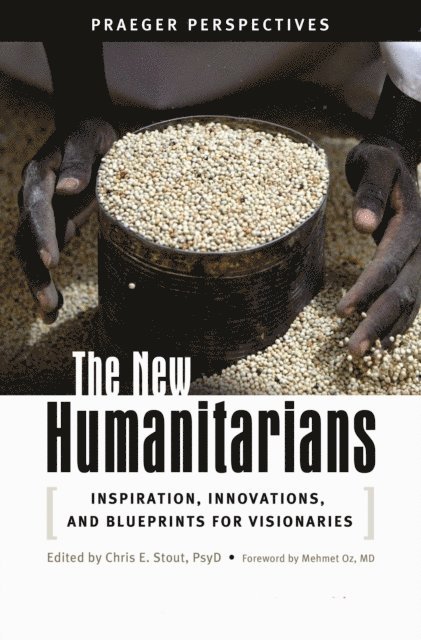
From Braille Without Borders and Unite for Sight, to Geekcorps and PeaceWorks, humanitarian groups are working worldwide largely in undeveloped countries to better the lives of the residents. Whether they are empowering people with schools for the blind, prosthetic limbs, the devices to understand and use technology, or the information to work for civil peace, the men and women of these agencies offer tremendous talent to their causes, great dedication and, sometimes, even risk their lives to complete their missions. Working in war or civil war zones, humanitarians with nonprofits, non-governmental agencies, and university-connected centers and foundations have been injured, kidnapped, or killed. Now terrorist events and war crimes are more and more often bringing these self-sacrificing workers into the national spotlight by media headlines. Their work is, doubtless, remarkable. And so too are the stories of how they developed - including the defining moments when their founders felt they could no longer stand by and do nothing. In this set of books, founders and top officials from humanitarian organizations established in the last 50 years spotlight how and why they began their organizations, what their greatest victories and challenges have been, and how they run the organizations, down to where they get their funding and how they spend it to grow the group and its efforts. Led by Chris E. Stout, named Humanitarian of the Year by the American Psychological Association, the contributors here come from across training disciplines including psychology, medicine, technology, science, politics, social work, and business.Stout, who has worked in Latin American terrorist zones, in Vietnam, and along the Amazon in Ecuador with Flying Doctors of America, has chosen to feature a sample of humanitarian groups across four primary areas - medicine, environment, education, and social justice. He also concentrates on what he calls guerilla humanitarians - those who step into unsafe or unhealthy conditions despite the dangers. There is also a concentration on those that have been very successful with on-the-ground-guerilla-innovations without a lot of bureaucracy or baloney. Above all, They are rebels with a cause whose actions speak louder than mere words, Stout explains. They have all felt a moral duty to serve as vectors of change. In addition to being psychologically insightful, these volumes hold invaluable practical information.
E-bok
PDF, Engelska, 2006752 kr
Läs direkt efter köp
Color-coded terrorism alerts are issued, then lifted with no explanation. False alarms can, like crying wolf, desensitize people to a real need to be on alert. And that psychic numbing is just one effect discussed in this book by fifteen psychologists teamed up to take a critical look at the U.S. war on terrorism. These experts are led by the Chairman of an American Psychological Association task force charged with pinpointing the effect of our anti-terrorism efforts on American mental health. Together, they present the most up-to-date and intriguing picture we have of the fallout on our own people from our own programs. The text spotlights stereotyping of foreigners, increased domestic hate crimes, fear, depression and helplessness, as well as increased militancy and belligerence, especially among students. Perhaps most disturbing in the land of the free, we also see increasing acceptance of restrictions on our personal freedoms, and acceptance of human rights violations.Color-coded terrorism alerts are issued, then lifted with no explanation. False alarms can, like crying wolf, desensitize people to a real need to be on alert. And that psychic numbing is just one effect discussed in this book by fifteen psychologists teamed up for a critical look at the U.S. war on terrorism. These experts are led by the Chairman of the American Psychological Association task force charged with pinpointing the effect of our anti-terrorism efforts on America's mental health. Together, they present the most up-to-date and intriguing picture we have of the fallout on our own people from our own programs. The text spotlights fueled stereotyping of foreigners, increased domestic hate crimes, fear, depression and helplessness, as well as increasing militancy and belligerence, especially among students. Perhaps most disturbing in the land of the free, our attention is drawn to growing acceptance of restrictions on our personal freedoms, and acceptance of human rights violations.Contributors to this collection aim to give us a reality check, looking at what our national reactions to terrorism have been, how those reactions have affected the psyche of our people and whether this has made us stronger or weaker, and more or less likely to be the target for future attacks.
E-bok
PDF, Engelska, 2004497 kr
Läs direkt efter köp
Easily the most thorough treatment of terrorism's complexities on the market today is how one reviewer described the set from which this single volume is drawn: the 4-volume Psychology of Terrorism. Here, Editor Chris E. Stout presents seven classic chapters from across that multivolume set, which brought together experts from around the world in the aftermath of the terrorist attacks of September 11, 2001. Stout includes a new introduction with this condensed version, along with appendices that will enable lay readers and professionals to recognize and treat symptoms of biological attack, take basic steps to prepare for terrorist incidents, and find resources for more information.
Inbunden, Engelska, 1992
932 kr
Skickas inom 10-15 vardagar
This comprehensive reference offers a fresh, integrative perspective on the assessment and treatment of addictive disorders. The work is organized into five sections, which treat theories of addiction, the diagnosis and evaluation of addictive behavior, treatment approaches, addiction among special populations, and clinical and legal issues concerning substance abuse professionals. The broad scope of the handbook encompasses alcoholism, drug addiction, eating disorders, and smoking. Theory is consistently used to illuminate practice, resulting in a valuable overview of the field.Within each section, essays by contributors discuss the most important issues and developments in the diagnosis and treatment of addiction. The opening essays establish a solid theoretical foundation by outlining behavioral, familial, and psychoanalytical explanations for the origins of addictive behavior. The later essays build on that base by overviewing diagnostic and treatment issues concerning addiction among Native Americans, the elderly, victims of traumatic brain injury, adult children of alcoholics, and teenagers. Useful appendixes list additional sources of information and describe certification for substance abuse professionals in each state. Psychologists, psychiatrists, and substance abuse counselors will find this handbook a necessary addition to their professional libraries.
Inbunden, Engelska, 1993
861 kr
Skickas inom 10-15 vardagar
What is it like to be a psychologist or a psychiatrist today? Professionals with different kinds of practices and training from around the country talk candidly about their work, the effect that clients have upon them, and the various professional problems they face. They discuss how they have been trained, how they handle ethical questions, and how they feel about the profession. This short collection of interview material, based upon a national survey, provides a revealing and honest insider's view for clinicians, counselors, educators, and all those interested or touched by the mental health profession.
Inbunden, Engelska, 1993
932 kr
Skickas inom 10-15 vardagar
This comprehensive reference provides a useful survey and synthesis of recent advances in providing care in psychiatric hospitals. The volume is divided into four broad sections on administrative, clinical, diagnostic, and educational innovations. The chapters within provide information on program planning, service delivery, and the management of different clinical departments. Due to the large amount of practical information presented, the book is a necessary tool for administrators and practitioners. Because it identifies and summarizes areas of psychiatric hospital research currently in a state of transition, it is of equal value to scholars and researchers.The book begins with an introduction that discusses recent trends and developments in inpatient psychiatric care. A section on administrative innovations follows, with chapters on legal, managerial, and service issues that impact psychiatric care. The next section, on clinical innovations, contains chapters on treating particular disorders and populations. A section on diagnostic innovations then considers various means of assessing psychiatric problems. A final section, on educational innovations, looks at relationships between psychiatric hospitals and school systems. The reference concludes with a bibliography that lists additional sources of further information.
E-bok
PDF, Engelska, 1992978 kr
Läs direkt efter köp
This comprehensive reference offers a fresh, integrative perspective on the assessment and treatment of addictive disorders. The work is organized into five sections, which treat theories of addiction, the diagnosis and evaluation of addictive behavior, treatment approaches, addiction among special populations, and clinical and legal issues concerning substance abuse professionals. The broad scope of the handbook encompasses alcoholism, drug addiction, eating disorders, and smoking. Theory is consistently used to illuminate practice, resulting in a valuable overview of the field.Within each section, essays by contributors discuss the most important issues and developments in the diagnosis and treatment of addiction. The opening essays establish a solid theoretical foundation by outlining behavioral, familial, and psychoanalytical explanations for the origins of addictive behavior. The later essays build on that base by overviewing diagnostic and treatment issues concerning addiction among Native Americans, the elderly, victims of traumatic brain injury, adult children of alcoholics, and teenagers. Useful appendixes list additional sources of information and describe certification for substance abuse professionals in each state. Psychologists, psychiatrists, and substance abuse counselors will find this handbook a necessary addition to their professional libraries.
Inbunden, Engelska, 2017
812 kr
Skickas inom 10-15 vardagar
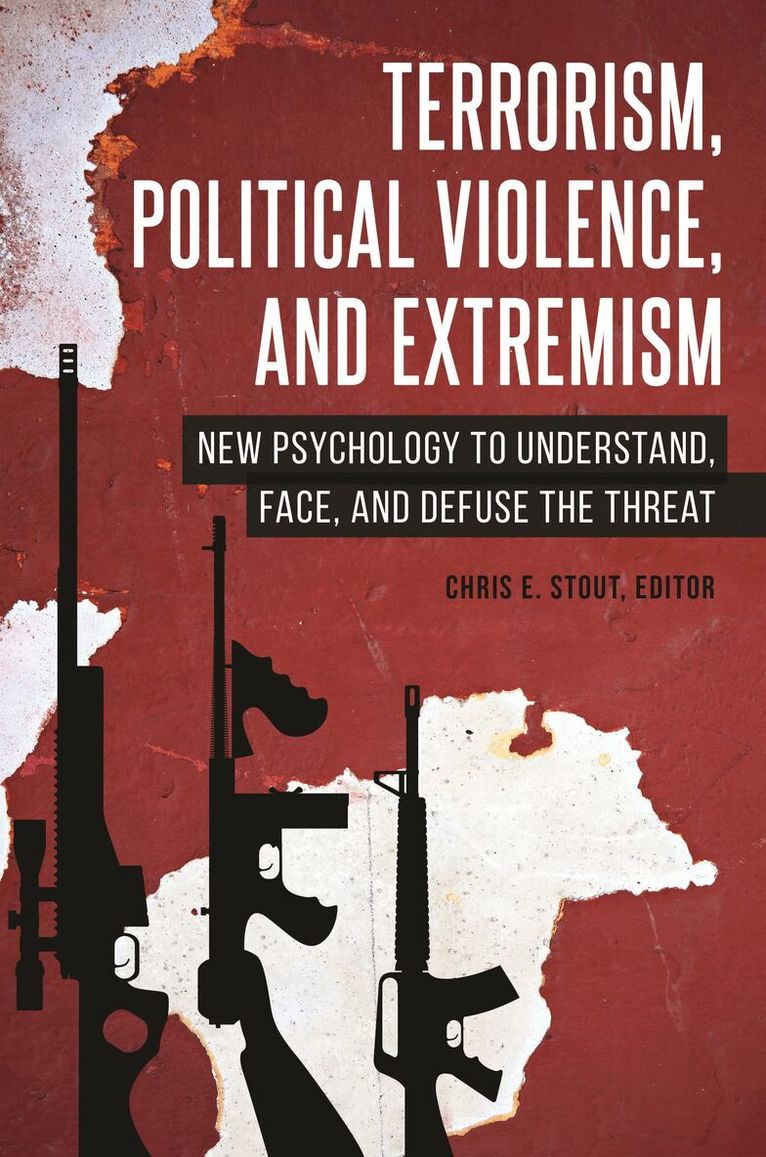
A must-read for psychologists—clinical and academic alike—as well as for political scientists, policy analysts, and others working in the realm of terrorism, political violence, and extremism, this book carefully explores the theories, observations, and approaches of authorities in the field and addresses how and why terrorism has perpetuated for so long.Terrorism is now a regular topic in the news rather than a rare or an unusual occurrence. The possibility of violent terrorist acts constitutes a legitimate safety concern, regardless of one's country of residence: no longer can anyone assume that their location is beyond the reach or outside the targeted areas of any number of terrorist groups. Terrorism, Political Violence, and Extremism: New Psychology to Understand, Face, and Defuse the Threat examines why the number of terrorist attacks has greatly increased since the attacks on September 11, 2001, including well-known events such as the Madrid train bombings (2004), the London Underground bombings (2005), the San Bernardino and Paris attacks (2015), and countless others, particularly in the Middle East and Africa. Beyond providing a careful and up-to-date assessment of the state of terrorism worldwide, which includes coverage of the religious and political origins of terrorist activities, the book pinpoints less-recognized and rarely studied aspects of terrorism, such as terrorism hysteria, sexuality, shame, and rape. The diverse perspectives within this unified volume are relevant to a breadth of subject areas, such as international psychology, military psychology, political science, political theory, religious studies, military theory, peace studies, military sciences, law enforcement, public health, sociology, anthropology, social work, law, and feminist theory.
E-bok
Engelska, 2017426 kr
Läs direkt efter köp
A must-read for psychologists-clinical and academic alike-as well as for political scientists, policy analysts, and others working in the realm of terrorism, political violence, and extremism, this book carefully explores the theories, observations, and approaches of authorities in the field and addresses how and why terrorism has perpetuated for so long.Terrorism is now a regular topic in the news rather than a rare or an unusual occurrence. The possibility of violent terrorist acts constitutes a legitimate safety concern, regardless of one''s country of residence: no longer can anyone assume that their location is beyond the reach or outside the targeted areas of any number of terrorist groups. Terrorism, Political Violence, and Extremism: New Psychology to Understand, Face, and Defuse the Threat examines why the number of terrorist attacks has greatly increased since the attacks on September 11, 2001, including well-known events such as the Madrid train bombings (2004), the London Underground bombings (2005), the San Bernardino and Paris attacks (2015), and countless others, particularly in the Middle East and Africa. Beyond providing a careful and up-to-date assessment of the state of terrorism worldwide, which includes coverage of the religious and political origins of terrorist activities, the book pinpoints less-recognized and rarely studied aspects of terrorism, such as terrorism hysteria, sexuality, shame, and rape. The diverse perspectives within this unified volume are relevant to a breadth of subject areas, such as international psychology, military psychology, political science, political theory, religious studies, military theory, peace studies, military sciences, law enforcement, public health, sociology, anthropology, social work, law, and feminist theory.
E-bok
Engelska, 2017426 kr
Läs direkt efter köp
A must-read for psychologists-clinical and academic alike-as well as for political scientists, policy analysts, and others working in the realm of terrorism, political violence, and extremism, this book carefully explores the theories, observations, and approaches of authorities in the field and addresses how and why terrorism has perpetuated for so long.Terrorism is now a regular topic in the news rather than a rare or an unusual occurrence. The possibility of violent terrorist acts constitutes a legitimate safety concern, regardless of one''s country of residence: no longer can anyone assume that their location is beyond the reach or outside the targeted areas of any number of terrorist groups. Terrorism, Political Violence, and Extremism: New Psychology to Understand, Face, and Defuse the Threat examines why the number of terrorist attacks has greatly increased since the attacks on September 11, 2001, including well-known events such as the Madrid train bombings (2004), the London Underground bombings (2005), the San Bernardino and Paris attacks (2015), and countless others, particularly in the Middle East and Africa. Beyond providing a careful and up-to-date assessment of the state of terrorism worldwide, which includes coverage of the religious and political origins of terrorist activities, the book pinpoints less-recognized and rarely studied aspects of terrorism, such as terrorism hysteria, sexuality, shame, and rape. The diverse perspectives within this unified volume are relevant to a breadth of subject areas, such as international psychology, military psychology, political science, political theory, religious studies, military theory, peace studies, military sciences, law enforcement, public health, sociology, anthropology, social work, law, and feminist theory.
Häftad, Engelska, 2023
409 kr
Skickas inom 10-15 vardagar
A must-read for psychologists—clinical and academic alike—as well as for political scientists, policy analysts, and others working in the realm of terrorism, political violence, and extremism, this book carefully explores the theories, observations, and approaches of authorities in the field and addresses how and why terrorism has perpetuated for so long.Terrorism is now a regular topic in the news rather than a rare or an unusual occurrence. The possibility of violent terrorist acts constitutes a legitimate safety concern, regardless of one's country of residence: no longer can anyone assume that their location is beyond the reach or outside the targeted areas of any number of terrorist groups. Terrorism, Political Violence, and Extremism: New Psychology to Understand, Face, and Defuse the Threat examines why the number of terrorist attacks has greatly increased since the attacks on September 11, 2001, including well-known events such as the Madrid train bombings (2004), the London Underground bombings (2005), the San Bernardino and Paris attacks (2015), and countless others, particularly in the Middle East and Africa. Beyond providing a careful and up-to-date assessment of the state of terrorism worldwide, which includes coverage of the religious and political origins of terrorist activities, the book pinpoints less-recognized and rarely studied aspects of terrorism, such as terrorism hysteria, sexuality, shame, and rape. The diverse perspectives within this unified volume are relevant to a breadth of subject areas, such as international psychology, military psychology, political science, political theory, religious studies, military theory, peace studies, military sciences, law enforcement, public health, sociology, anthropology, social work, law, and feminist theory.