Chris L. de Wet – författare
Visar alla böcker från författaren Chris L. de Wet. Handla med fri frakt och snabb leverans.
20 produkter
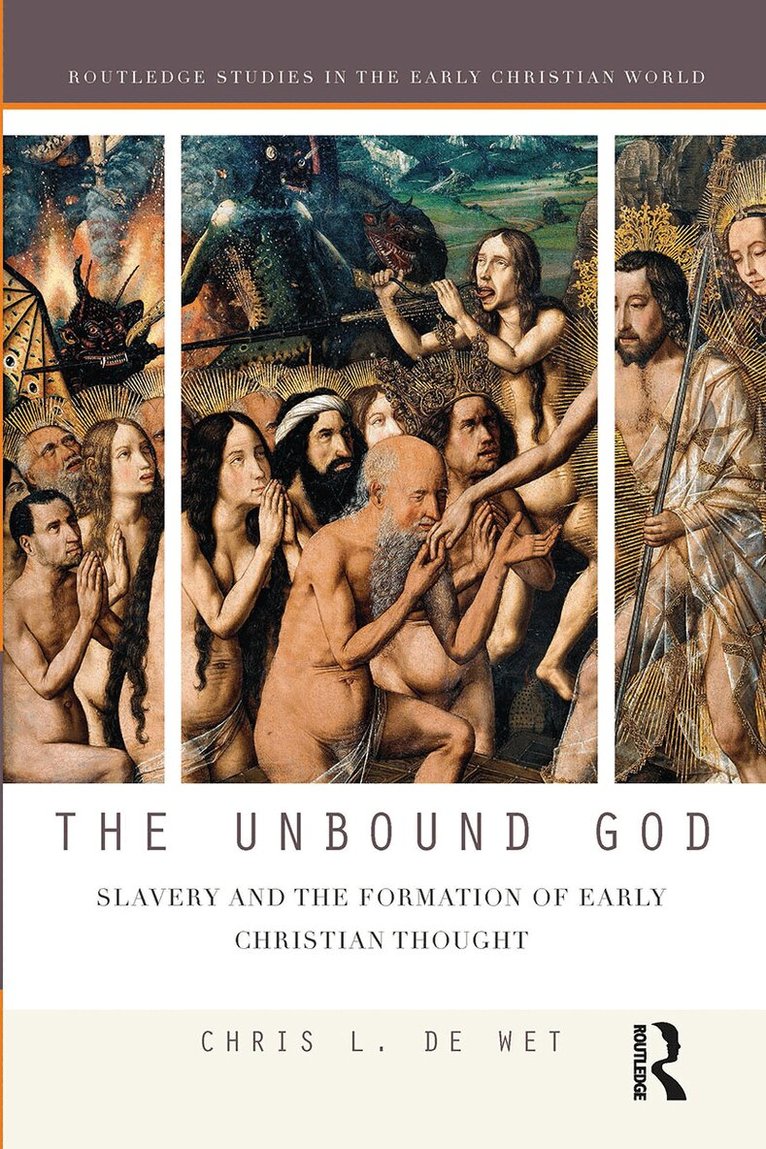
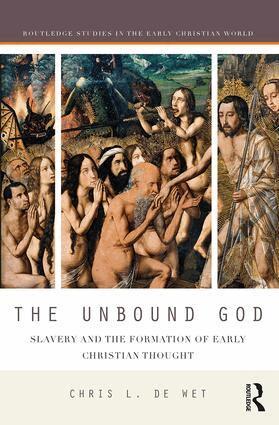
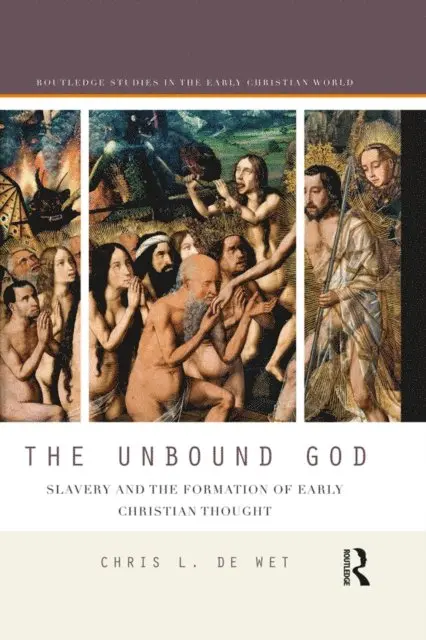
Unbound God
Slavery and the Formation of Early Christian Thought
Häftad, 2021
710 kr
Lägg i varukorg
This volume examines the prevalence, function, and socio-political effects of slavery discourse in the major theological formulations of the late third to early fifth centuries AD, arguably the most formative period of early Christian doctrine. The question the book poses is this: in what way did …
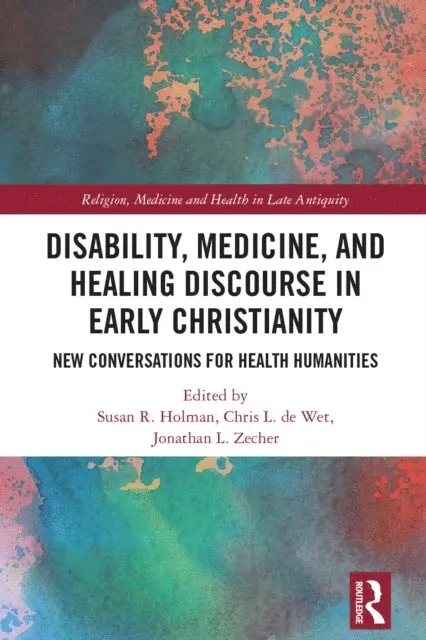
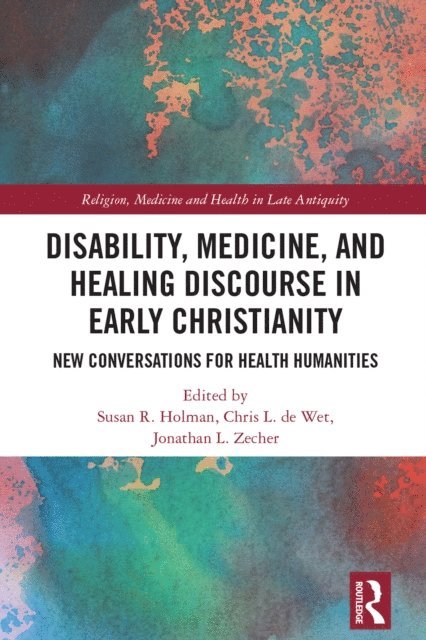
Disability, Medicine, and Healing Discourse in Early Christianity
New Conversations for Health Humanities
Av Susan R. Holman, Chris L. de Wet m. fl.
Inbunden, 2023
2526 kr
Lägg i varukorg
Using contemporary theories drawn from health humanities, this volume analyses the nature and effects of disability, medicine, and health discourse in a variety of early Christian literature. In recent years, the "medical turn" in early Christian studies has developed a robust literature around …
Disability, Medicine, and Healing Discourse in Early Christianity
New Conversations for Health Humanities
Av Susan R. Holman, Chris L. de Wet m. fl.
Häftad, 2024
651 kr
Lägg i varukorg
Using contemporary theories drawn from health humanities, this volume analyses the nature and effects of disability, medicine, and health discourse in a variety of early Christian literature. In recent years, the "medical turn" in early Christian studies has developed a robust literature around …
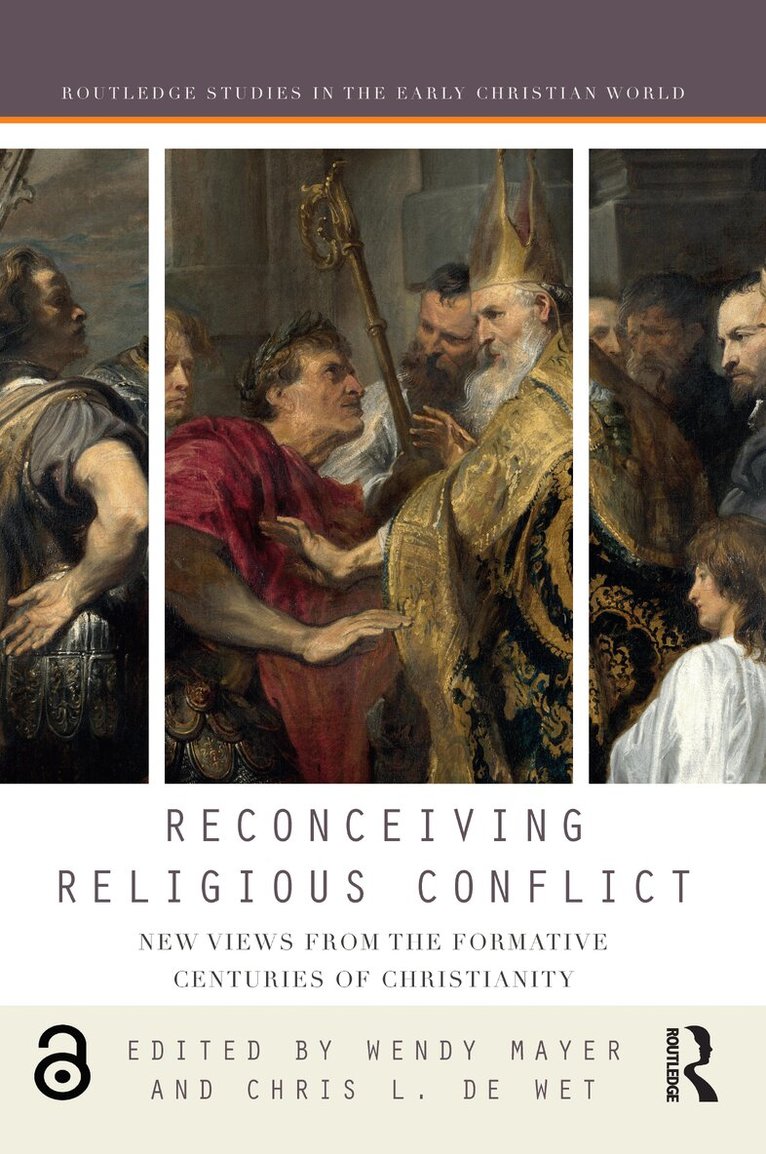
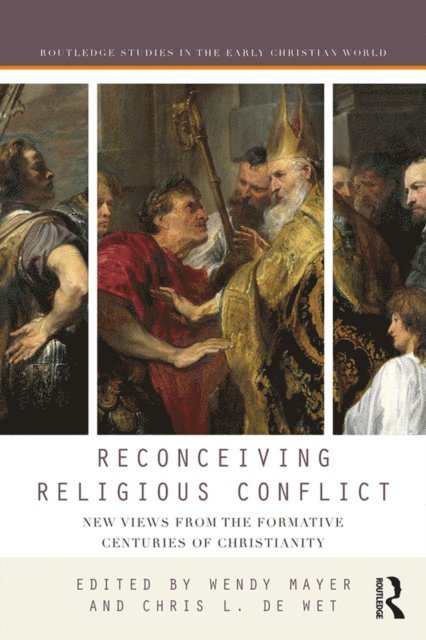
Reconceiving Religious Conflict
New Views from the Formative Centuries of Christianity
Av Wendy Mayer, Chris L. de Wet
Häftad, 2020
710 kr
Lägg i varukorg
Reconceiving Religious Conflict deconstructs instances of religious conflict within the formative centuries of Christianity, the first six centuries CE. It explores the theoretical foundations of religious conflict; the dynamics of religious conflict within the context of persecution and martyrdom; …
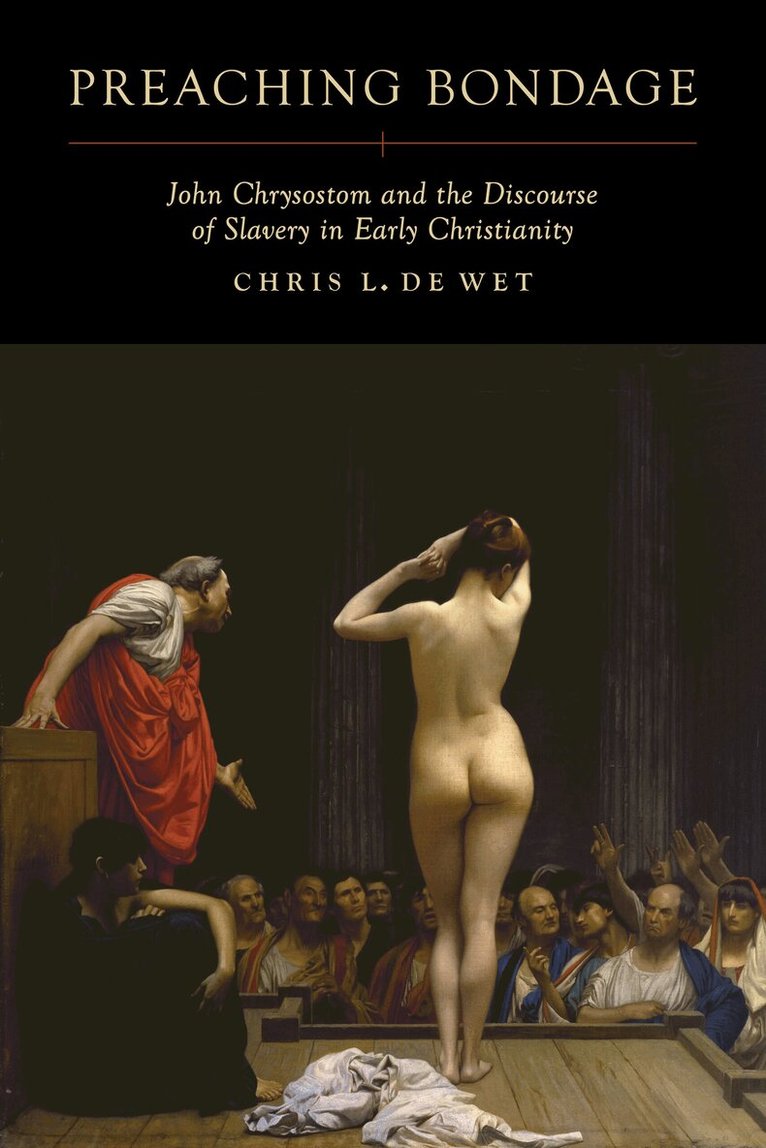
Preaching Bondage
John Chrysostom and the Discourse of Slavery in Early Christianity
Inbunden, 2015
818 kr
Lägg i varukorg
Preaching Bondage introduces and investigates the novel concept of doulology, the discourse of slavery, in the homilies of John Chrysostom, the late fourth-century priest and bishop. Chris L de Wet examines the dynamics of enslavement in Chrysostom's theology, virtue ethics, and biblical …
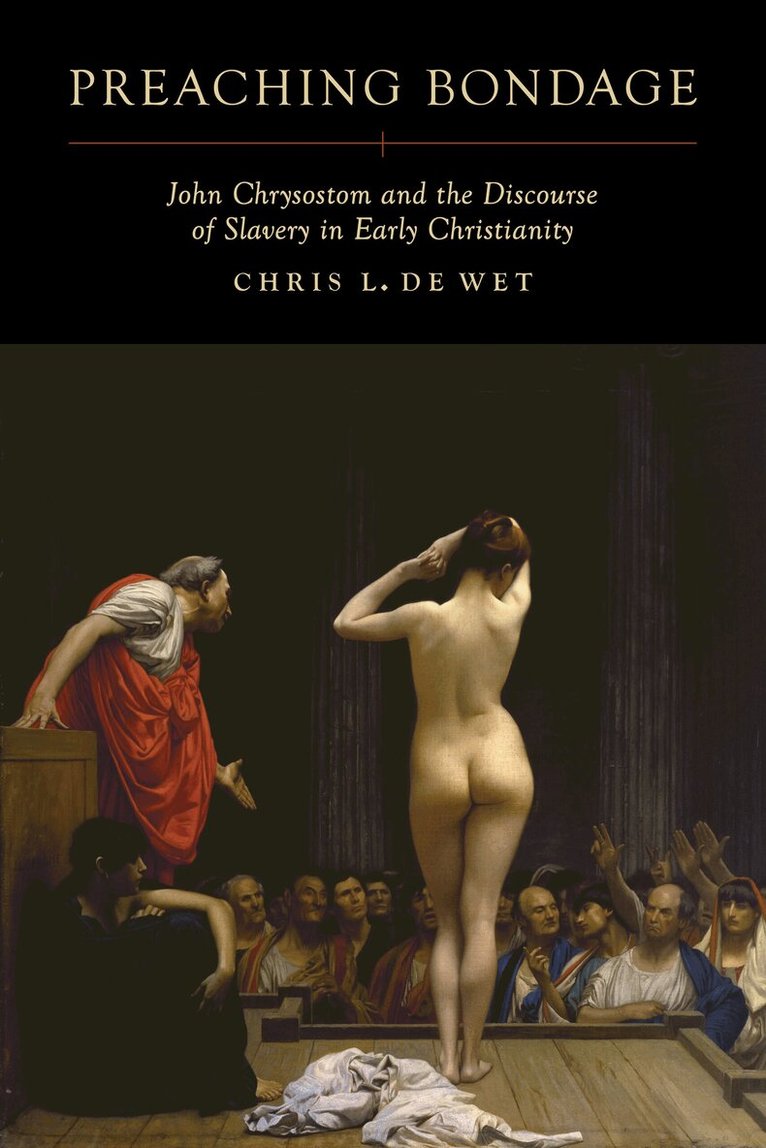
Preaching Bondage
John Chrysostom and the Discourse of Slavery in Early Christianity
Häftad, 2025
305 kr
Lägg i varukorg
Preaching Bondage introduces and investigates the novel concept of doulology, the discourse of slavery, in the homilies of John Chrysostom, the late fourth-century priest and bishop. Chris L. de Wet examines the dynamics of enslavement in Chrysostom’s theology, virtue ethics, and biblical …
Preaching Bondage
John Chrysostom and the Discourse of Slavery in Early Christianity
E-bok, 2015
520 kr
Lägg i varukorg
Preaching Bondage introduces and investigates the novel concept of doulology, the discourse of slavery, in the homilies of John Chrysostom, the late fourth-century priest and bishop. Chris L. de Wet examines the dynamics of enslavement in Chrysostom’s theology, virtue ethics, and biblical …
Disability, Medicine, and Healing Discourse in Early Christianity
New Conversations for Health Humanities
Av Jonathan L. Zecher, Chris L. de Wet m. fl.
E-bok, 2023
746 kr
Lägg i varukorg
Using contemporary theories drawn from health humanities, this volume analyses the nature and effects of disability, medicine, and health discourse in a variety of early Christian literature. In recent years, the "medical turn" in early Christian studies has developed a robust literature around …
Disability, Medicine, and Healing Discourse in Early Christianity
New Conversations for Health Humanities
Av Jonathan L. Zecher, Chris L. de Wet m. fl.
E-bok, 2023
762 kr
Lägg i varukorg
Using contemporary theories drawn from health humanities, this volume analyses the nature and effects of disability, medicine, and health discourse in a variety of early Christian literature. In recent years, the "medical turn" in early Christian studies has developed a robust literature around …
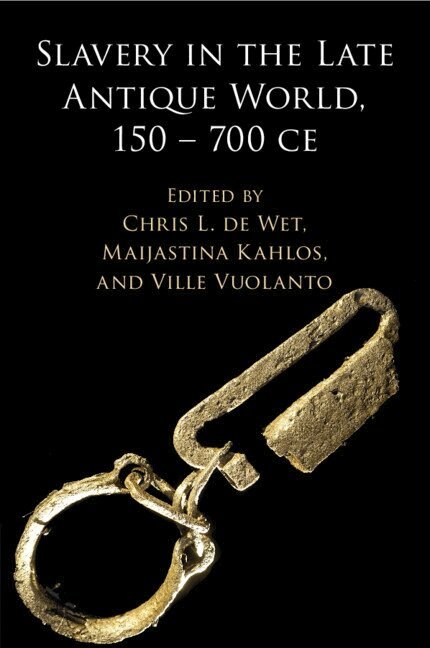
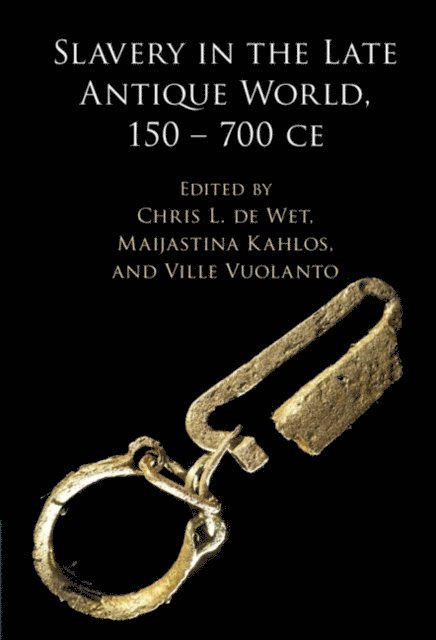
Slavery in the Late Antique World, 150 - 700 CE
Av Chris L. de Wet, Maijastina Kahlos m. fl.
Inbunden, 2022
1565 kr
Lägg i varukorg
Slavery in the Late Antique World, 150 - 700 CE investigates the ideological, moral, cultural, and symbolic aspects of slavery, as well the living conditions of slaves in the Mediterranean basin and Europe during a period of profound transformation. It focuses on socially marginal areas and …
Slavery in the Late Antique World, 150 - 700 CE
Av Chris L. de Wet, Maijastina Kahlos m. fl.
Häftad, 2024
475 kr
Lägg i varukorg
Slavery in the Late Antique World, 150 - 700 CE investigates the ideological, moral, cultural, and symbolic aspects of slavery, as well the living conditions of slaves in the Mediterranean basin and Europe during a period of profound transformation. It focuses on socially marginal areas and …
Slavery in the Late Antique World, 150 - 700 CE
Av Ville Vuolanto, Maijastina Kahlos m. fl.
E-bok, 2022
470 kr
Lägg i varukorg
Slavery in the Late Antique World, 150 – 700 CE investigates the ideological, moral, cultural, and symbolic aspects of slavery, as well the living conditions of slaves in the Mediterranean basin and Europe during a period of profound transformation. It focuses on socially marginal areas and …
Slavery in the Late Antique World, 150 - 700 CE
Av Ville Vuolanto, Maijastina Kahlos m. fl.
E-bok, 2022
470 kr
Lägg i varukorg
Slavery in the Late Antique World, 150 – 700 CE investigates the ideological, moral, cultural, and symbolic aspects of slavery, as well the living conditions of slaves in the Mediterranean basin and Europe during a period of profound transformation. It focuses on socially marginal areas and …
Unbound God
Slavery and the Formation of Early Christian Thought
Inbunden, 2017
2526 kr
Lägg i varukorg
This volume examines the prevalence, function, and socio-political effects of slavery discourse in the major theological formulations of the late third to early fifth centuries AD, arguably the most formative period of early Christian doctrine. The question the book poses is this: in what way did …
Reconceiving Religious Conflict
New Views from the Formative Centuries of Christianity
Av Wendy Mayer, Chris L. de Wet
Inbunden, 2018
2760 kr
Lägg i varukorg
Reconceiving Religious Conflict deconstructs instances of religious conflict within the formative centuries of Christianity, the first six centuries CE. It explores the theoretical foundations of religious conflict; the dynamics of religious conflict within the context of persecution and martyrdom; …
Reconceiving Religious Conflict
New Views from the Formative Centuries of Christianity
Av Chris L. de Wet, Wendy Mayer
E-bok, 2018
729 kr
Lägg i varukorg
Reconceiving Religious Conflict deconstructs instances of religious conflict within the formative centuries of Christianity, the first six centuries CE. It explores the theoretical foundations of religious conflict; the dynamics of religious conflict within the context of persecution and martyrdom; …
Reconceiving Religious Conflict
New Views from the Formative Centuries of Christianity
Av Chris L. de Wet, Wendy Mayer
E-bok, 2018
745 kr
Lägg i varukorg
Reconceiving Religious Conflict deconstructs instances of religious conflict within the formative centuries of Christianity, the first six centuries CE. It explores the theoretical foundations of religious conflict; the dynamics of religious conflict within the context of persecution and martyrdom; …
Unbound God
Slavery and the Formation of Early Christian Thought
E-bok, 2017
856 kr
Lägg i varukorg
This volume examines the prevalence, function, and socio-political effects of slavery discourse in the major theological formulations of the late third to early fifth centuries AD, arguably the most formative period of early Christian doctrine. The question the book poses is this: in what way did …
Unbound God
Slavery and the Formation of Early Christian Thought
E-bok, 2017
856 kr
Lägg i varukorg
This volume examines the prevalence, function, and socio-political effects of slavery discourse in the major theological formulations of the late third to early fifth centuries AD, arguably the most formative period of early Christian doctrine. The question the book poses is this: in what way did …
Captive Monk
Slavery and Asceticism in Early Syrian Christianity
Inbunden, 2027
1393 kr
Tillfälligt slut