Chris Lehmann – författare
Visar alla böcker från författaren Chris Lehmann. Handla med fri frakt och snabb leverans.
11 produkter
No Future for You
Av Thomas Frank, Chris Lehmann m. fl.
E-bok, 2014
345 kr
Lägg i varukorg
A new collection on carnival hokum and magical thinking in post-apocalypse America—brought to you by The Baffler. There''s never been a better time to be outside the consensus—and if you don''t believe it, then peer into these genre-defining essays from The Baffler , the magazine that''s been …
What School Leaders Need to Know About Digital Technologies and Social Media
Av Scott McLeod, Scott McLeod m. fl.
Inbunden, 2011
306 kr
Lägg i varukorg
Facebook, Twitter, Google...today's tech-savvy students are always plugged in. However, all too often their teachers and administrators aren't experienced in the use of these familiar digital tools. If schools are to prepare students for the future, administrators and educators must harness the …
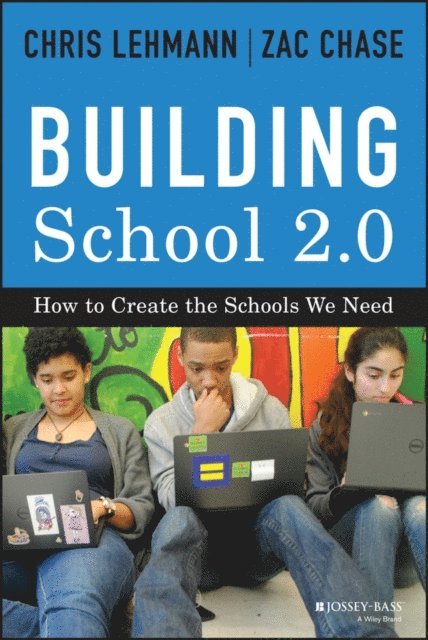
Building School 2.0
How to Create the Schools We Need
Inbunden, 2015
205 kr
Lägg i varukorg
Ninety-five propositions for creating more relevant, more caring schools There is a growing desire to reexamine education and learning. Educators use the phrase "school 2.0" to think about what schools will look like in the future. Moving beyond a basic examination of using technology for classroom …
What School Leaders Need to Know About Digital Technologies and Social Media
Av Chris Lehmann, Scott McLeod
E-bok, 2011
349 kr
Lägg i varukorg
Facebook, Twitter, Google...today''s tech-savvy students are always plugged in. However, all too often their teachers and administrators aren''t experienced in the use of these familiar digital tools. If schools are to prepare students for the future, administrators and educators must harness the …
What School Leaders Need to Know About Digital Technologies and Social Media
Av Chris Lehmann, Scott McLeod
E-bok, 2011
338 kr
Lägg i varukorg
Facebook, Twitter, Google...today''s tech-savvy students are always plugged in. However, all too often their teachers and administrators aren''t experienced in the use of these familiar digital tools. If schools are to prepare students for the future, administrators and educators must harness the …
Building School 2.0
How to Create the Schools We Need
E-bok, 2015
262 kr
Lägg i varukorg
Ninety-five propositions for creating more relevant, more caring schools There is a growing desire to reexamine education and learning. Educators use the phrase "school 2.0" to think about what schools will look like in the future. Moving beyond a basic examination of using technology for classroom …
Building School 2.0
How to Create the Schools We Need
E-bok, 2015
262 kr
Lägg i varukorg
Ninety-five propositions for creating more relevant, more caring schools There is a growing desire to reexamine education and learning. Educators use the phrase "school 2.0" to think about what schools will look like in the future. Moving beyond a basic examination of using technology for classroom …
George Mills
Av Stanley Elkin, Chris Lehmann
Häftad, 2003
284 kr
Lägg i varukorg
Considered by many to be Elkin's magnum opus, George Mills is, an ambitious, digressive and endlessly entertaining account of the 1,000 year history of the George Millses. From toiling as a stable boy during the crusades to working as a furniture mover, there has always been a George Mills whose …
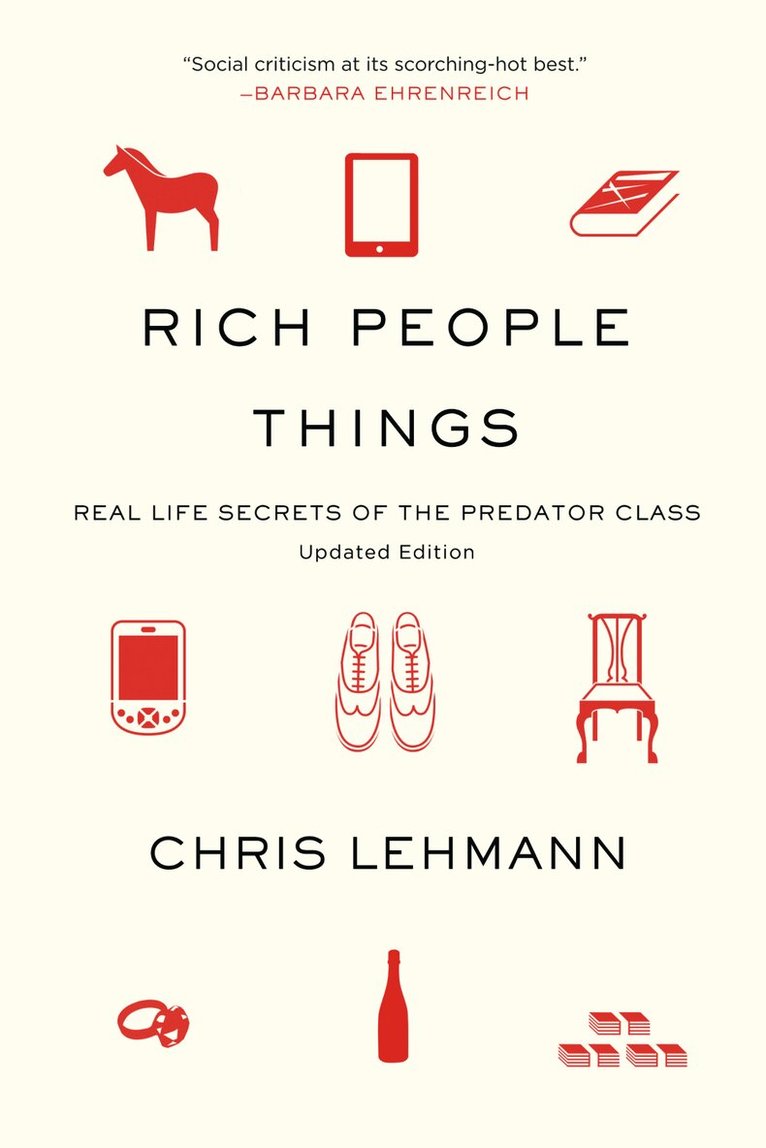
Rich People Things
Real-Life Secrets of the Predator Class
Häftad, 2011
212 kr
Lägg i varukorg
"Social criticism at its scorching-hot best." Barbara Ehrenreich"Think H.L. Mencken crossed with Jon Stewart." The PhoenixIn Rich People Things, Chris Lehmann lays bare the various dogmas and delusions that prop up plutocratic rule in the post-meltdown age. It's a humorous and harrowing tale of …
No Future for You
Salvos from The Baffler
Av John Summers, Chris Lehmann m. fl.
Inbunden, 2014
97 kr
Tillfälligt slut
Revolt of the Masscult
Häftad, 2003
138 kr
Tillfälligt slut
We live in an age of "popular culture" - another term, to some, for an organic mess of marketing strategies aimed at giving us the illusion of choice. From Oprah Winfrey's Book Club to presidential politics, however, distinctions of taste are more accurately understood to be "blunt instruments of …