Christalla Yakinthou – författare
Visar alla böcker från författaren Christalla Yakinthou. Handla med fri frakt och snabb leverans.
11 produkter
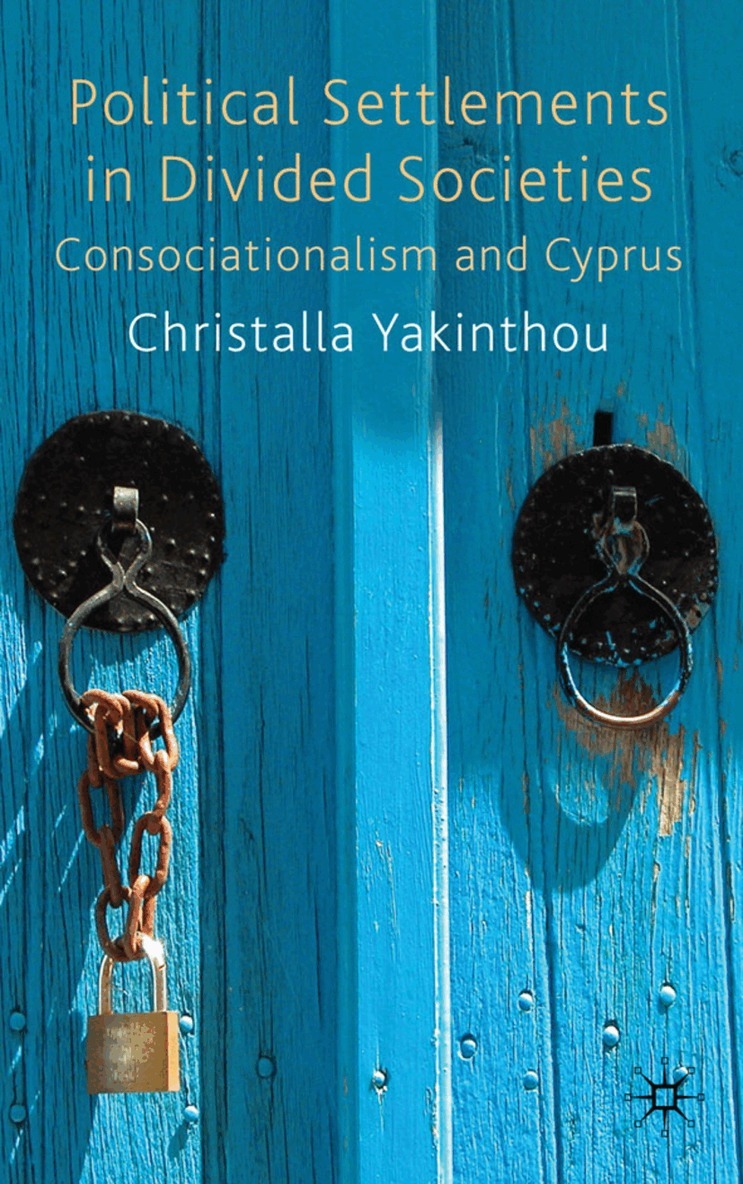
Political Settlements in Divided Societies
Consociationalism and Cyprus
Inbunden, 2009
1207 kr
Lägg i varukorg
Yakinthou throws light on the challenges of adopting political settlements in frozen conflicts and divided societies by focusing on the conflict in Cyprus, the resolution of which has for years been held up, in large part by elite intransigence. The book offers answers for why elites in Cyprus are …
Political Settlements in Divided Societies
Consociationalism and Cyprus
E-bok, 2009
1635 kr
Lägg i varukorg
Yakinthou throws light on the challenges of adopting political settlements in frozen conflicts and divided societies by focusing on the conflict in Cyprus, the resolution of which has for years been held up, in large part by elite intransigence. The book offers answers for why elites in Cyprus are …
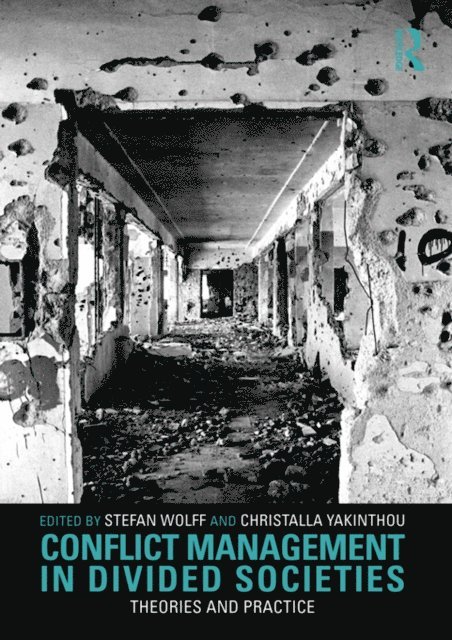
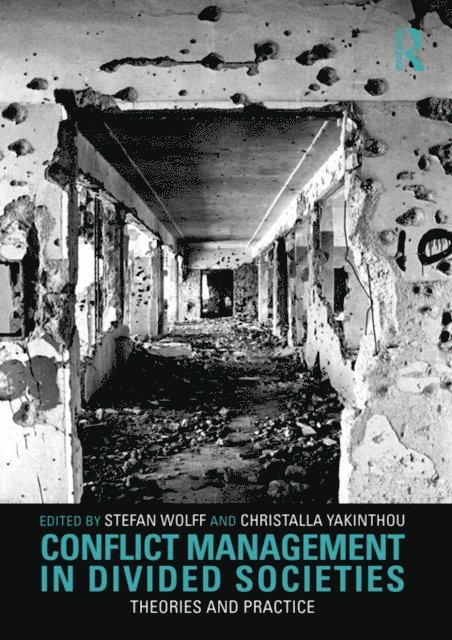
Conflict Management in Divided Societies
Theories and Practice
Av Stefan Wolff, Christalla Yakinthou
Inbunden, 2011
2744 kr
Lägg i varukorg
This exciting and innovative new textbook takes a multi-perspective approach to the study of conflict management in divided societies. Offering a wide range of perspectives from the leading experts in the field, the work explains conflict management from the viewpoint of the political scientist, …
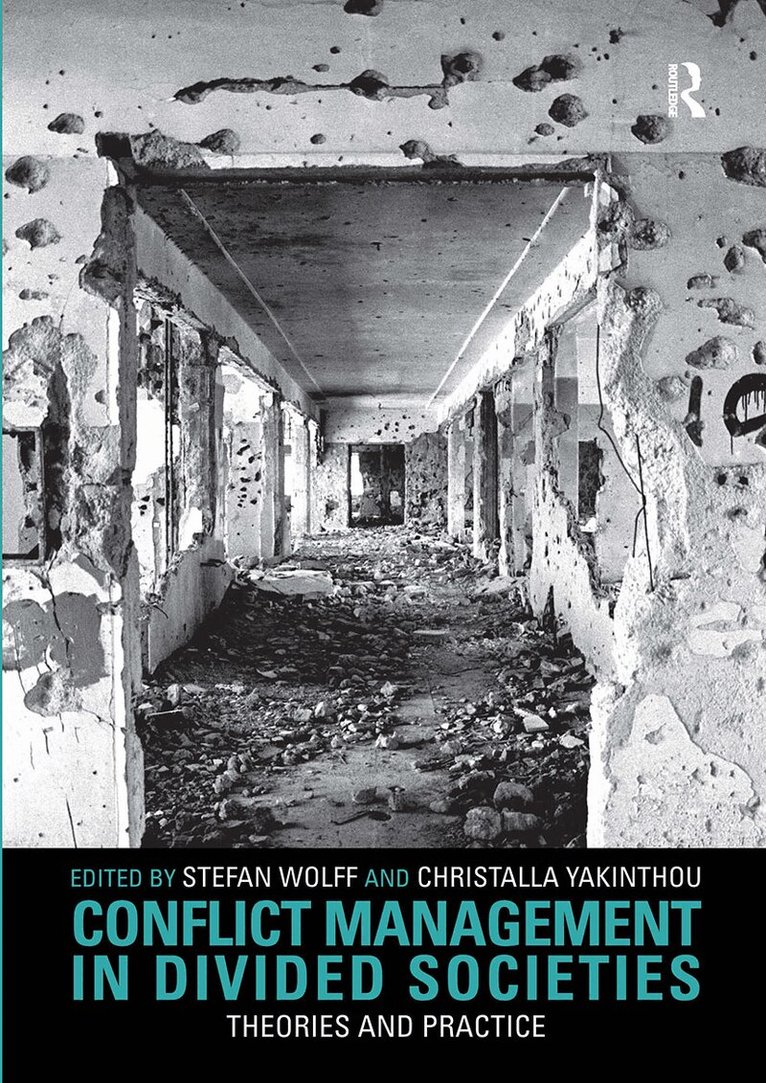
Conflict Management in Divided Societies
Theories and Practice
Av Stefan Wolff, Christalla Yakinthou
Häftad, 2011
822 kr
Lägg i varukorg
This exciting and innovative new textbook takes a multi-perspective approach to the study of conflict management in divided societies. Offering a wide range of perspectives from the leading experts in the field, the work explains conflict management from the viewpoint of the political scientist, …
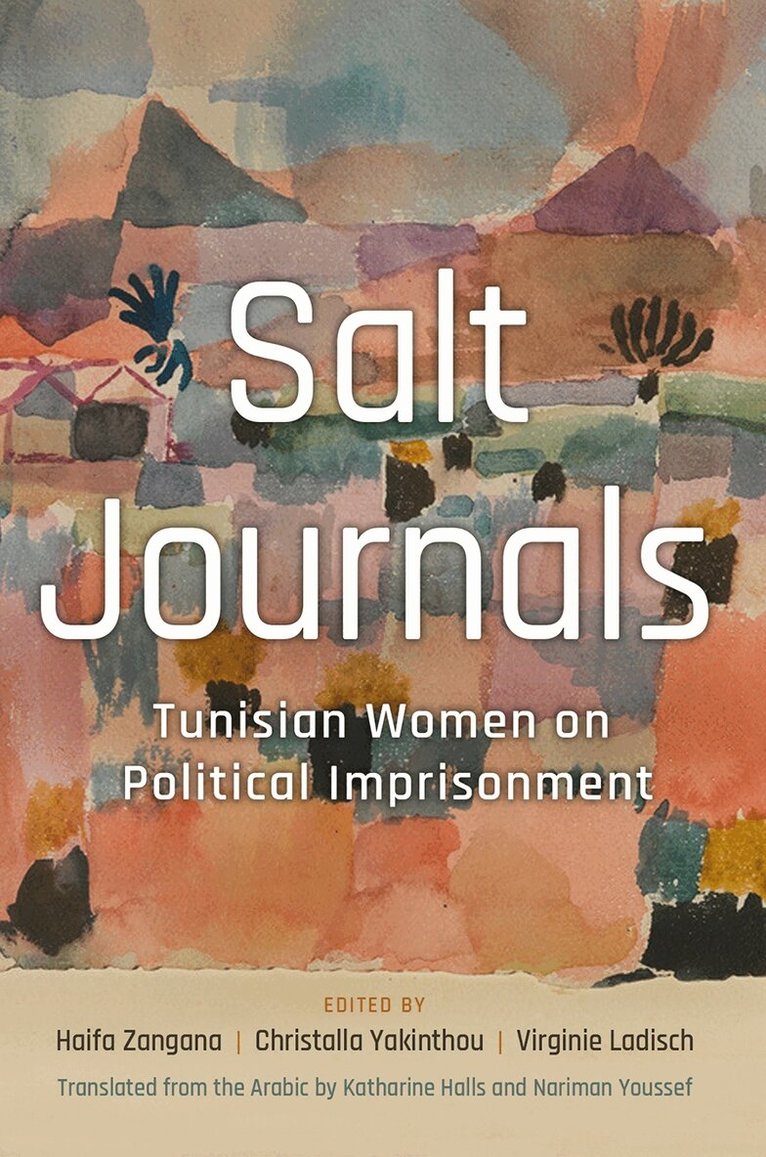
Salt Journals
Tunisian Women on Political Imprisonment
Av Haifa Zangana, Christalla Yakinthou m. fl.
Häftad, 2024
314 kr
Lägg i varukorg
Salt Journals is a compelling collection of essays by Tunisian women, sharing their personal experiences with dictatorship and oppression. While rooted in the history and culture of Tunisia, these narratives reflect universal feelings of isolation, pain, and the indomitable quest for freedom. Drawn …
Salt Journals
Tunisian Women on Political Imprisonment
Av Virginie Ladisch, Christalla Yakinthou m. fl.
E-bok, 2024
350 kr
Lägg i varukorg
Salt Journals is a compelling collection of essays by Tunisian women, sharing their personal experiences with dictatorship and oppression. While rooted in the history and culture of Tunisia, these narratives reflect universal feelings of isolation, pain, and the indomitable quest for freedom. Drawn …
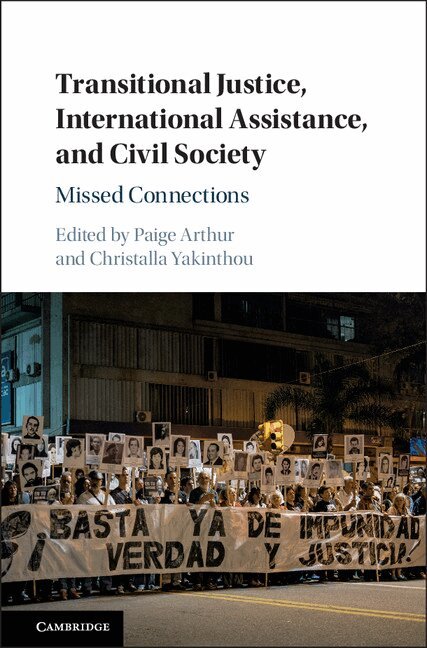
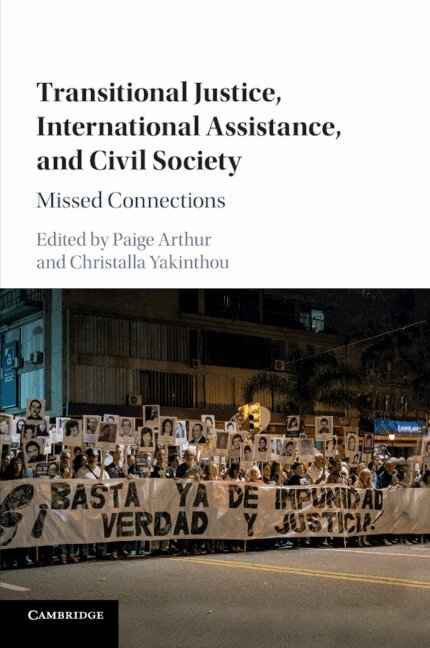
Transitional Justice, International Assistance, and Civil Society
Missed Connections
Av Paige Arthur, Christalla Yakinthou
Inbunden, 2018
1345 kr
Lägg i varukorg
In recent years, transitional justice has become increasingly international in its scope. Due to ongoing animosities, lack of political will, and the absence of credible governing or judicial institutions, international organizations, donors, and NGOs advocate for transitional justice initiatives …
Conflict Management in Divided Societies
Theories and Practice
Av Christalla Yakinthou, Stefan Wolff
E-bok, 2013
866 kr
Lägg i varukorg
This exciting and innovative new textbook takes a multi-perspective approach to the study of conflict management in divided societies. Offering a wide range of perspectives from the leading experts in the field, the work explains conflict management from the viewpoint of the political scientist, …
Conflict Management in Divided Societies
Theories and Practice
Av Christalla Yakinthou, Stefan Wolff
E-bok, 2013
866 kr
Lägg i varukorg
This exciting and innovative new textbook takes a multi-perspective approach to the study of conflict management in divided societies. Offering a wide range of perspectives from the leading experts in the field, the work explains conflict management from the viewpoint of the political scientist, …
Transitional Justice, International Assistance, and Civil Society
Missed Connections
Av Paige Arthur, Christalla Yakinthou
Häftad, 2019
512 kr
Lägg i varukorg
In recent years, transitional justice has become increasingly international in its scope. Due to ongoing animosities, lack of political will, and the absence of credible governing or judicial institutions, international organizations, donors, and NGOs advocate for transitional justice initiatives …
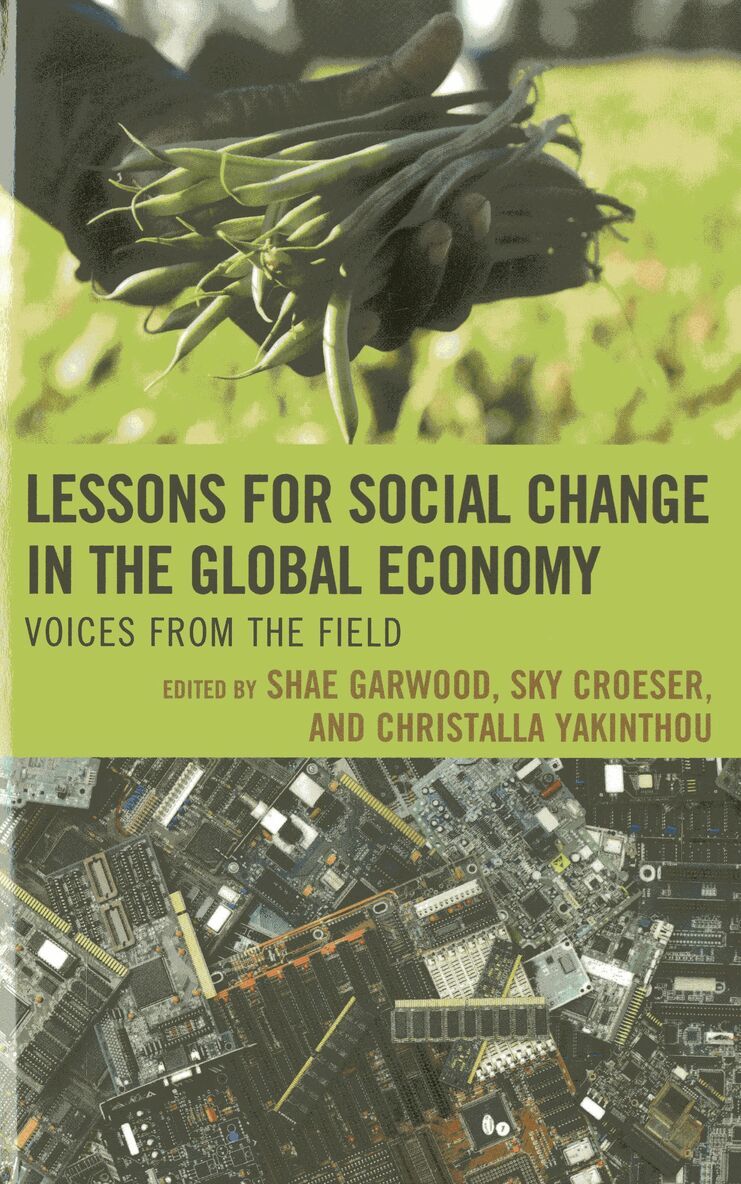
Lessons for Social Change in the Global Economy
Voices from the Field
Av Shae Garwood, Sky Croeser m. fl.
Häftad, 2015
716 kr
Lägg i varukorg
Discussion questions developed by the authors can be found here.In the face of globalization’s massive social and economic transformations and the resulting persistent inequality, activists, labor organizers, and advocacy NGOs are seeking and creating change beyond the confines of formal state …