Christian Geiser - Böcker
Visar alla böcker från författaren Christian Geiser. Handla med fri frakt och snabb leverans.
4 produkter
4 produkter
702 kr
Skickas inom 7-10 vardagar
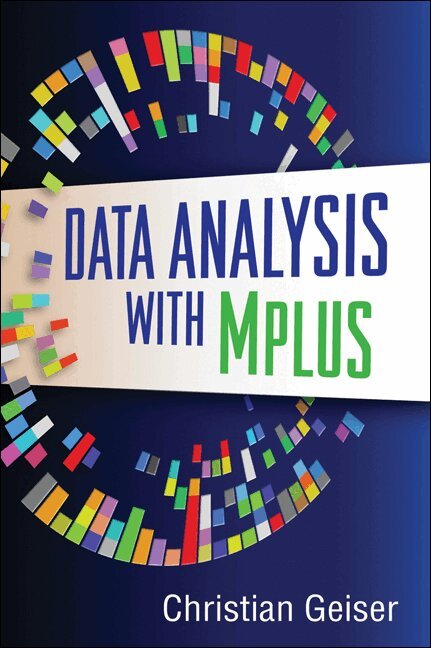
A practical introduction to using Mplus for the analysis of multivariate data, this volume provides step-by-step guidance, complete with real data examples, numerous screen shots, and output excerpts. The author shows how to prepare a data set for import in Mplus using SPSS. He explains how to specify different types of models in Mplus syntax and address typical caveats--for example, assessing measurement invariance in longitudinal SEMs. Coverage includes path and factor analytic models as well as mediational, longitudinal, multilevel, and latent class models. Specific programming tips and solution strategies are presented in boxes in each chapter. The companion website (www.guilford.com/geiser-materials) features data sets, annotated syntax files, and output for all of the examples. Of special utility to instructors and students, many of the examples can be run with the free demo version of Mplus.
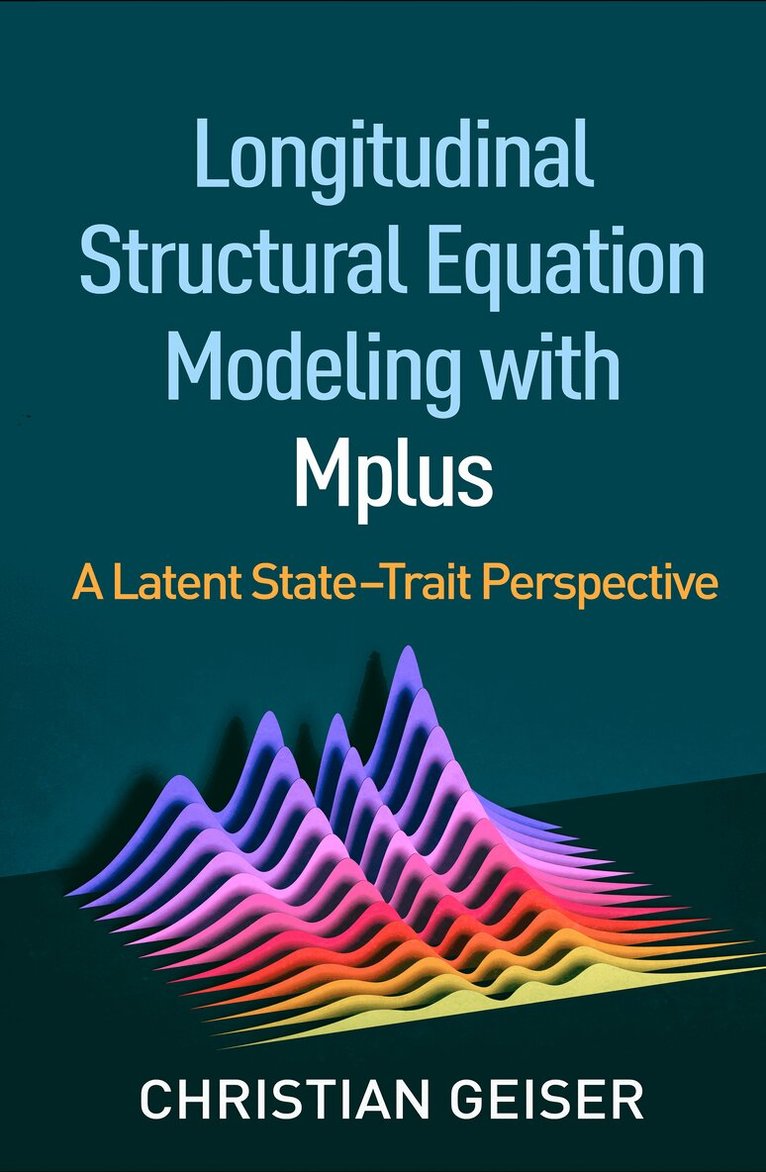
Longitudinal Structural Equation Modeling with Mplus
A Latent State-Trait Perspective
Häftad, Engelska, 2020
793 kr
Skickas inom 7-10 vardagar
An in-depth guide to executing longitudinal confirmatory factor analysis (CFA) and structural equation modeling (SEM) in Mplus, this book uses latent state–trait (LST) theory as a unifying conceptual framework, including the relevant coefficients of consistency, occasion specificity, and reliability. Following a standard format, chapters review the theoretical underpinnings, strengths, and limitations of the various models; present data examples; and demonstrate each model's application and interpretation in Mplus, with numerous screen shots and output excerpts. Coverage encompasses both traditional models (autoregressive, change score, and growth curve models) and LST models for analyzing single- and multiple-indicator data. The book discusses measurement equivalence testing, intensive longitudinal data modeling, and missing data handling, and provides strategies for model selection and reporting of results. User-friendly features include special-topic boxes, chapter summaries, and suggestions for further reading. The companion website features data sets, annotated syntax files, and output for all of the examples.
Longitudinal Structural Equation Modeling with Mplus
A Latent State-Trait Perspective
Inbunden, Engelska, 2020
1 186 kr
Skickas inom 7-10 vardagar
An in-depth guide to executing longitudinal confirmatory factor analysis (CFA) and structural equation modeling (SEM) in Mplus, this book uses latent state–trait (LST) theory as a unifying conceptual framework, including the relevant coefficients of consistency, occasion specificity, and reliability. Following a standard format, chapters review the theoretical underpinnings, strengths, and limitations of the various models; present data examples; and demonstrate each model's application and interpretation in Mplus, with numerous screen shots and output excerpts. Coverage encompasses both traditional models (autoregressive, change score, and growth curve models) and LST models for analyzing single- and multiple-indicator data. The book discusses measurement equivalence testing, intensive longitudinal data modeling, and missing data handling, and provides strategies for model selection and reporting of results. User-friendly features include special-topic boxes, chapter summaries, and suggestions for further reading. The companion website features data sets, annotated syntax files, and output for all of the examples.
836 kr
Skickas inom 10-15 vardagar
The use of multiple raters can improve the validity of conclusions made on self- (and other) reports of emotions, attitudes, goals, and self-perceptions of personality. Yet analyzing these ratings requires special psychometric models that take into account the specific nature of these data. From leading authorities, this book offers the first comprehensive introduction to structural equation modeling (SEM) of multiple rater data. Rather than taking a one-size-fits-all approach, the book shows how the choice of a model should be guided by measurement design and purpose. Practical recommendations are provided for selecting suitable measurement designs, raters, and psychometric models. Models for different combinations of rater types and for cross-sectional as well as longitudinal research designs are described step by step, with a strong emphasis on the substantive meaning of the latent variables in the models. User-friendly features include equation boxes, application boxes, and a companion website with Mplus and lavaan code for the book’s examples.