Michael Eid – författare
Visar alla böcker från författaren Michael Eid. Handla med fri frakt och snabb leverans.
14 produkter
14 produkter
Inbunden, Engelska, 2024
1 667 kr
Skickas inom 10-15 vardagar
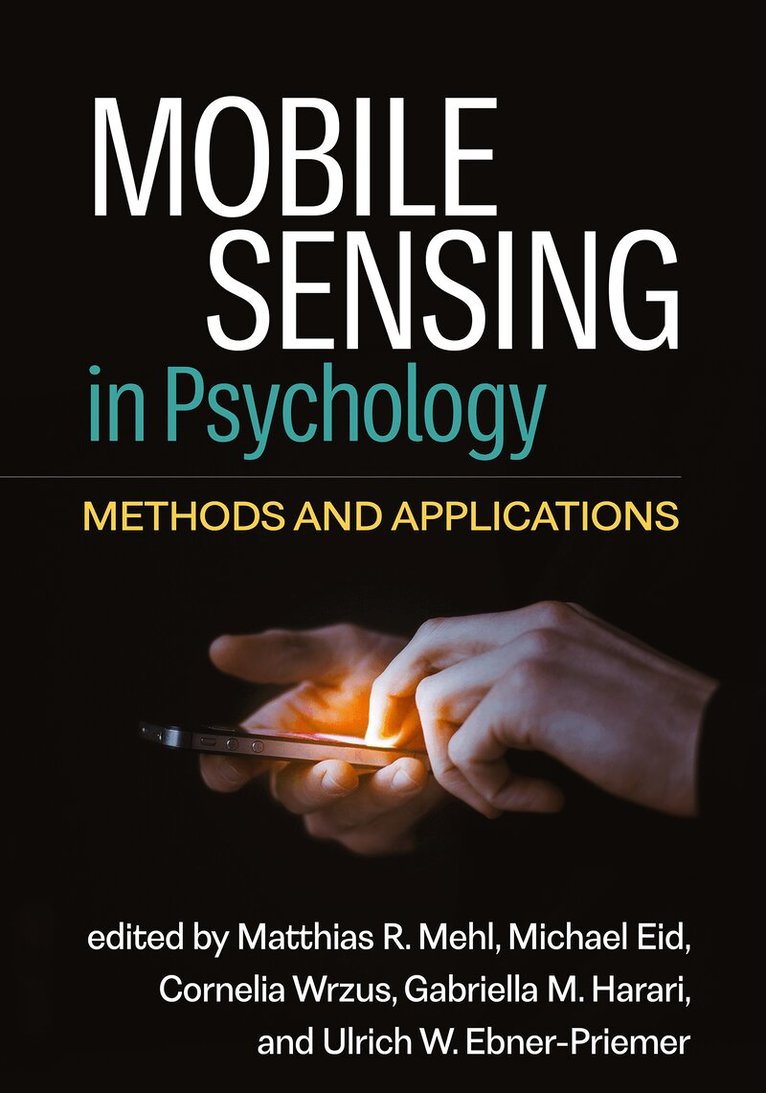
How can large-scale, real-time, and real-world data on people’s behaviors, interactions, and environments improve psychological measurement, or lead to customized psychological interventions? Written expressly for social and behavioral scientists, this cutting-edge handbook describes the key concepts and tools of mobile sensing and explains how to plan and conduct a mobile sensing study. Renowned experts address the whats, whys, and how-tos of collecting "big data" using smartphones and other wearables, and explore which research questions can best be addressed with these tools. Modern statistical methods for analyzing mobile sensing data are described--for example, dynamic structural equation modeling, network modeling, and machine learning, including deep neural networks. The book includes best-practice research examples of applications in clinical psychology, aging, neuroscience, health, emotions, relationships, personality, the workplace, and other areas. Key methodological challenges and ethical/privacy issues are highlighted throughout.
Inbunden, Engelska, 2024
872 kr
Skickas inom 10-15 vardagar
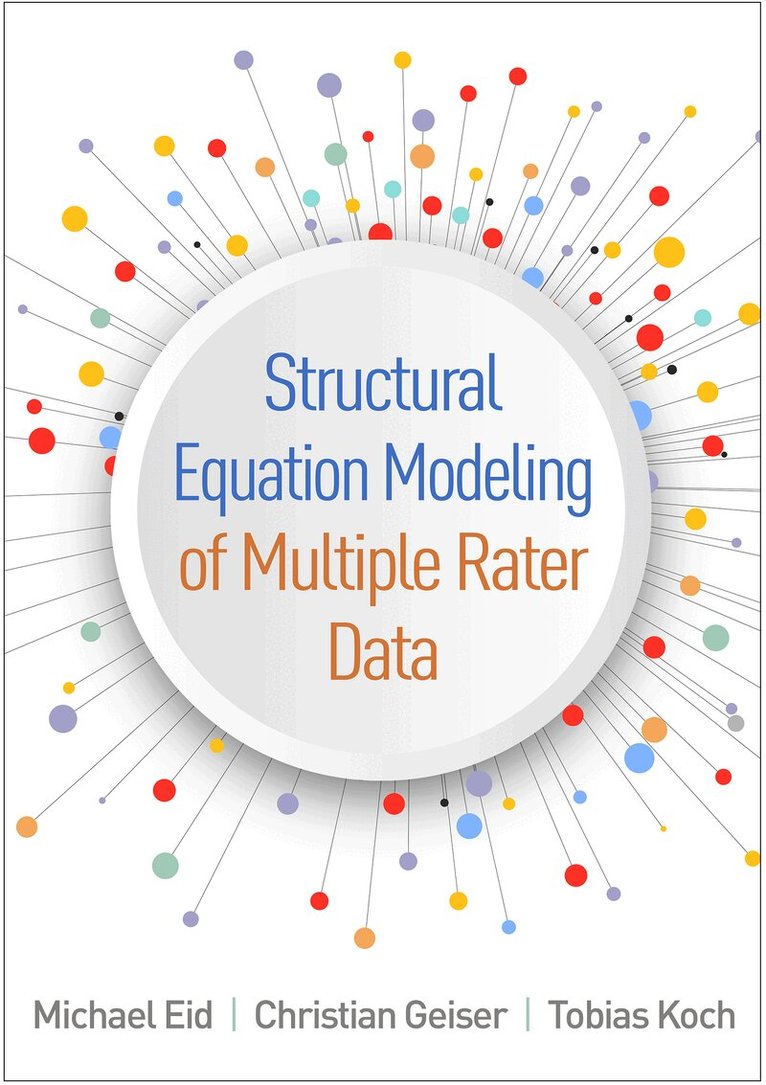
The use of multiple raters can improve the validity of conclusions made on self- (and other) reports of emotions, attitudes, goals, and self-perceptions of personality. Yet analyzing these ratings requires special psychometric models that take into account the specific nature of these data. From leading authorities, this book offers the first comprehensive introduction to structural equation modeling (SEM) of multiple rater data. Rather than taking a one-size-fits-all approach, the book shows how the choice of a model should be guided by measurement design and purpose. Practical recommendations are provided for selecting suitable measurement designs, raters, and psychometric models. Models for different combinations of rater types and for cross-sectional as well as longitudinal research designs are described step by step, with a strong emphasis on the substantive meaning of the latent variables in the models. User-friendly features include equation boxes, application boxes, and a companion website with Mplus and lavaan code for the book’s examples.
Häftad, Engelska, 2008
886 kr
Skickas inom 10-15 vardagar
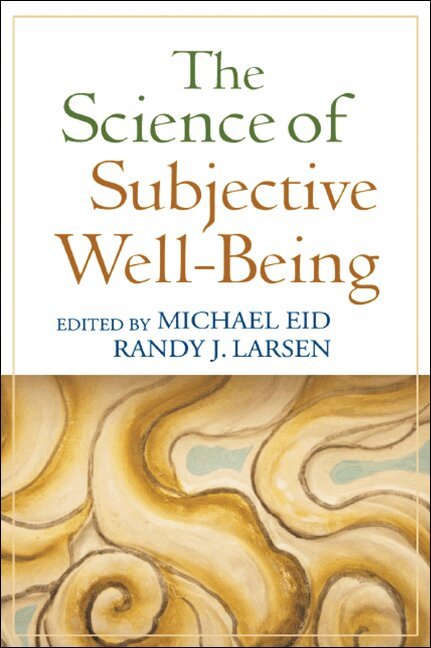
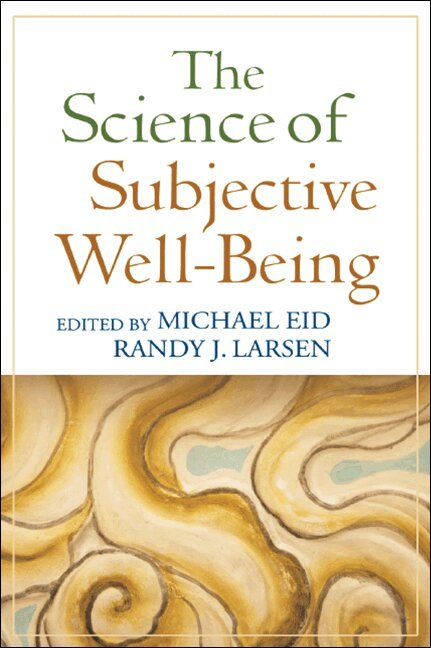
This authoritative volume reviews the breadth of current scientific knowledge on subjective well-being (SWB): its definition, causes and consequences, measurement, and practical applications that may help people become happier. Leading experts explore the connections between SWB and a range of intrapersonal and interpersonal phenomena, including personality, health, relationship satisfaction, wealth, cognitive processes, emotion regulation, religion, family life, school and work experiences, and culture. Interventions and practices that enhance SWB are examined, with attention to both their benefits and limitations. The concluding chapter from Ed Diener dispels common myths in the field and presents a thoughtful agenda for future research.
Inbunden, Engelska, 2017
2 226 kr
Skickas inom 10-15 vardagar
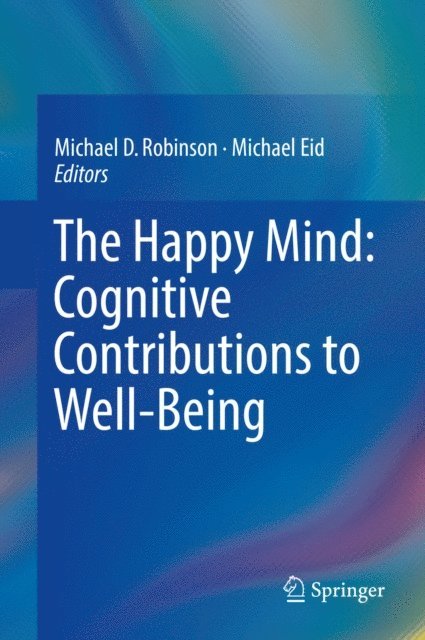
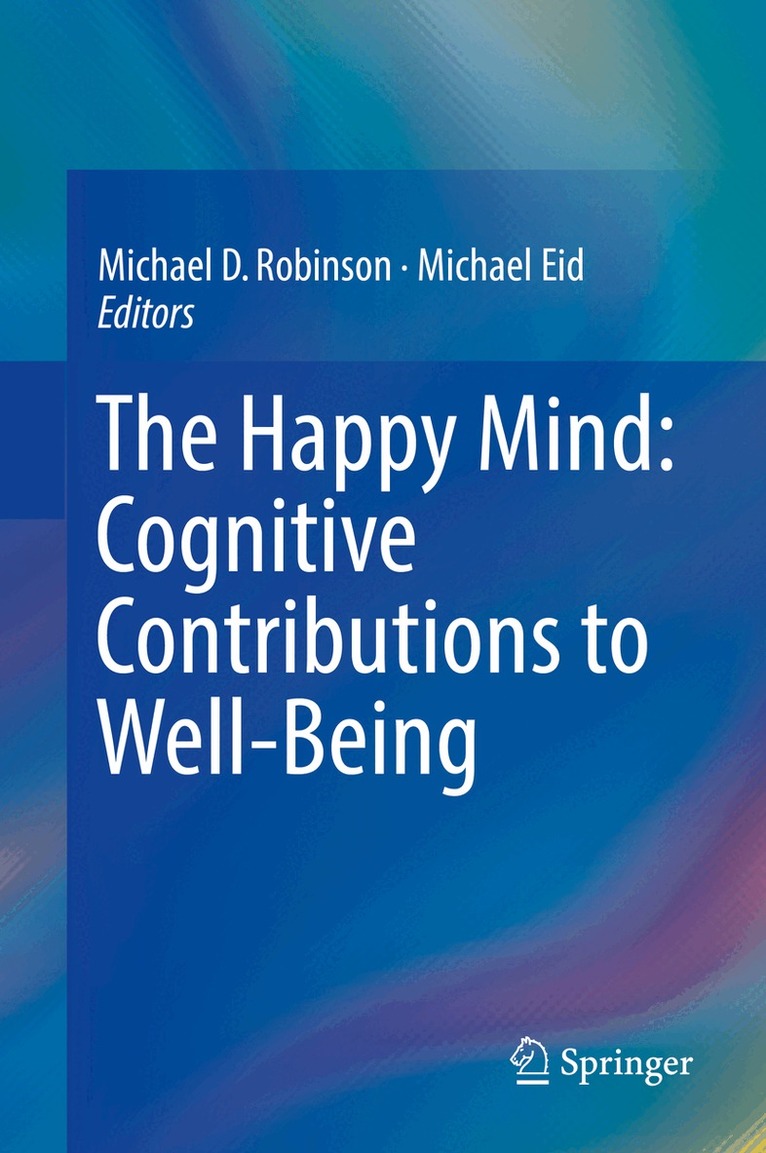
This edited volume focuses on different views of happiness and well-being, considering constructs like meaning and spirituality in addition to the more standard constructs of positive emotion and life satisfaction. A premise of the volume is that being happy consists of more than having the right things happen to us; it also depends on how we interpret those events as well as what we are trying to achieve. Such considerations suggest that cognitive-emotional factors should play a fairly pronounced role in how happy we are. The present volume pursues these themes in the context of 25 chapters organized into 5 sections. The first section centers on cognitive variables such as attention and executive function, in addition to mindfulness. The second section considers important sources of positive cognition such as savoring and optimism and the third section focuses on self-regulatory contributions to well-being. Finally, social processes are covered in a fourth section and meaning-relatedprocesses are covered in the fifth. What results is a rich and diverse volume centering on the ways in which our minds can help or hinder our aspirations for happiness.
E-bok
Engelska, 20172 925 kr
Läs direkt efter köp
This edited volume focuses on different views of happiness and well-being, considering constructs like meaning and spirituality in addition to the more standard constructs of positive emotion and life satisfaction. A premise of the volume is that being happy consists of more than having the right things happen to us; it also depends on how we interpret those events as well as what we are trying to achieve. Such considerations suggest that cognitive-emotional factors should play a fairly pronounced role in how happy we are. The present volume pursues these themes in the context of 25 chapters organized into 5 sections. The first section centers on cognitive variables such as attention and executive function, in addition to mindfulness. The second section considers important sources of positive cognition such as savoring and optimism and the third section focuses on self-regulatory contributions to well-being. Finally, social processes are covered in a fourth section and meaning-relatedprocesses are covered in the fifth. What results is a rich and diverse volume centering on the ways in which our minds can help or hinder our aspirations for happiness.
Häftad, Engelska, 2018
2 226 kr
Skickas inom 10-15 vardagar
This edited volume focuses on different views of happiness and well-being, considering constructs like meaning and spirituality in addition to the more standard constructs of positive emotion and life satisfaction. A premise of the volume is that being happy consists of more than having the right things happen to us; it also depends on how we interpret those events as well as what we are trying to achieve. Such considerations suggest that cognitive-emotional factors should play a fairly pronounced role in how happy we are. The present volume pursues these themes in the context of 25 chapters organized into 5 sections. The first section centers on cognitive variables such as attention and executive function, in addition to mindfulness. The second section considers important sources of positive cognition such as savoring and optimism and the third section focuses on self-regulatory contributions to well-being. Finally, social processes are covered in a fourth section and meaning-relatedprocesses are covered in the fifth. What results is a rich and diverse volume centering on the ways in which our minds can help or hinder our aspirations for happiness.
Häftad, Tyska, 2000
460 kr
Skickas inom 10-15 vardagar
Häftad, Tyska, 2016
311 kr
Skickas inom 3-6 vardagar
Inbunden, Tyska, 2026
762 kr
Skickas inom 3-6 vardagar
E-bok
PDF, Tyska, 2012396 kr
Läs direkt efter köp
E-bok
PDF, Tyska, 2013523 kr
Läs direkt efter köp
E-bok
PDF, Tyska, 2006565 kr
Läs direkt efter köp
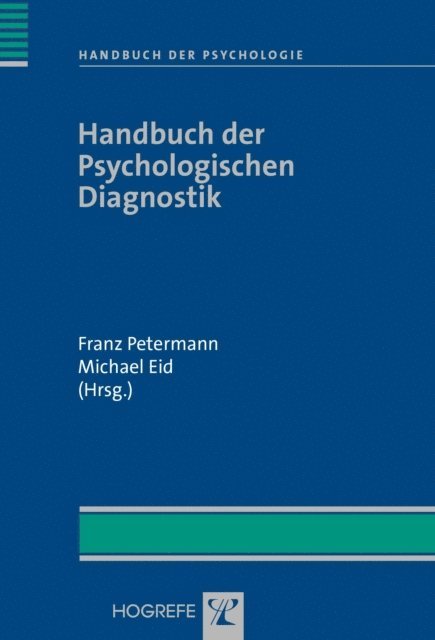
Heute bietet die Psychologische Diagnostik ein großes Spektrum von Erhebungsverfahren an, die Vorgehensweisen der Befragung und Beobachtung genauso umfassen wie den Einsatz psychometrischer Tests und physiologischer Methoden. Alle Methoden tragen dazu bei, diagnostische Entscheidungen zu verbessern, Interventionen gezielter zu planenund in allen Phasen der Informationserhebung die Qualitätskontrolle zu optimieren.Die Inhalte und Verfahren der Psychologischen Diagnostik werden immer stärker nachgefragt. Das vorliegende Handbuch greift diese Entwicklung auf und bietet einen aktuellen Überblick über die Grundlagen und vielfältigen Anwendungsgebiete dieser zentralen Disziplin der Psychologie. Moderne Erfassungsmethoden wie bildgebende Verfahren werden ebenso behandelt wie neue Entwicklungen in der Psychometrie. Die Anwendungsgebiete reichen von der Klinischen Diagnostik über die Pädagogische Diagnostik bis hin zur Diagnostik in der Betriebs- und Organisationspsychologie. Durch die kompakte Aufbereitung der Inhalte gibt der Band Experten, Praktikern und Studierenden eine optimale Orientierung.
E-bok
PDF, Tyska, 2014349 kr
Läs direkt efter köp
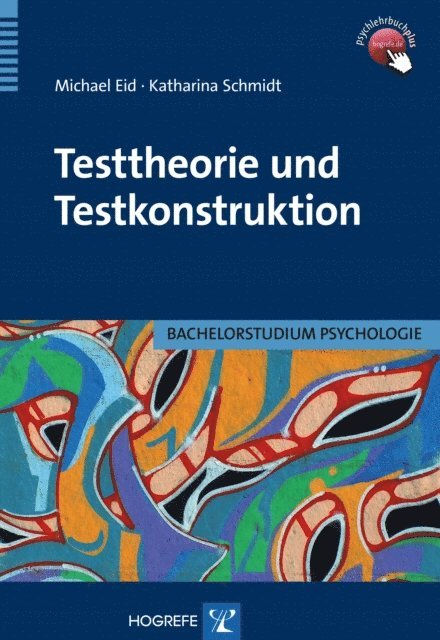
Was ist ein psychologischer Test? Wie kann man einen Test optimal konstruieren? Wie kann man die Güte eines Tests bestimmen? Die Beantwortung dieser Fragen ist zentral für viele Grundlagen- und Anwendungsbereiche der Psychologie. Das vorliegende Buch gibt eine verständliche und anwendungsorientierte Einführung in die testtheoretischen Grundlagen der Testkonstruktion und -analyse. Einleitend werden die grundlegenden Ideen des Testens in der Psychologie und seine Bedeutung für die Psychodiagnostik behandelt sowie die Gütekriterien und internationalen Standards, an denen sich die Testkonstruktion und -analyse orientieren. Die zentralen Schritte der Testkonstruktion werden anschaulich dargestellt und die wichtigsten Itemformate mit ihren Vor- und Nachteilen beschrieben.Die weiteren Kapitel stellen ausführlich die bedeutendsten psychometrischen Modelle für dichotome, ordinale und metrische Antwortvariablen nach einem einheitlichen Schema vor: Zu jedem Modell werden die definierenden Annahmen, die Methoden der Parameterschätzung und der Überprüfung der Modellgültigkeit sowie die Implikationen für die Testkonstruktion behandelt. Jedes Modell wird zudem anhand eines inhaltlichen Beispiels aus der Psychologie illustriert. Im Zentrum stehen das Rasch-Modell und seine Erweiterungen, das Partial-Credit-Modell sowie die Modelle der Klassischen Testtheorie. Ein Überblick über mehrdimensionale Modelle und die Normierung schließt das Buch ab. Verständnisfragen zu jedem Kapitel helfen bei der Vertiefung der Inhalte und erleichtern die Prüfungsvorbereitung.Auf der Webseite zum Buch stehen als ergänzende Materialien u.a. ein Skript zur Einführung in die Analyse testtheoretischer Modelle mit R, Datensätze zum Nachrechnen der Anwendungsbeispiele und eine Formelsammlung bereit.
Inbunden, Engelska, 2008
1 115 kr
Tillfälligt slut
This authoritative volume reviews the breadth of current scientific knowledge on subjective well-being (SWB): its definition, causes and consequences, measurement, and practical applications that may help people become happier. Leading experts explore the connections between SWB and a range of intrapersonal and interpersonal phenomena, including personality, health, relationship satisfaction, wealth, cognitive processes, emotion regulation, religion, family life, school and work experiences, and culture. Interventions and practices that enhance SWB are examined, with attention to both their benefits and limitations. The concluding chapter from Ed Diener dispels common myths in the field and presents a thoughtful agenda for future research.