1 099 kr
Christian Munthe – författare
- Kartonnage, Svenska, 2021Denna rikt illustrerade lärobok berör samtliga aspekter på ämnet obstetrik, från konception och fysiologisk omställning under graviditet till handläggning av allt från det normala till det mest komplicerade. Livsstilsfaktorer, drogmissbruk och betydelsen av fostermiljön för individens framtida hälsa berörs. Det finns utförliga kapitel om ultraljudsdiagnostik, fosterövervakning under graviditet och förlossning inklusive obstetriska ingrepp. Även ämnen som etik, psykologiska faktorer, föräldrar–barninteraktion, omvårdnadsperspektiv, juridiska aspekter och ett internationellt perspektiv ingår.Denna tredje upplaga av läroboken i obstetrik är omarbetad av tre nya redaktörer och är skriven av ett nittiotal författare, samtliga specialister inom sina respektive områden. Boken är en produkt av ett unikt samarbete mellan ett stort antal specialkunniga läkare och barnmorskor inom svensk obstetrik samt sjukgymnaster, epidemiologer och jurister. Samtliga kapitel är uppdaterade och 36 kapitel är helt nyskrivna med nya författarkonstellationer.Boken vänder sig till läkarstuderande på grundutbildningen, till läkare under specialistutbildning samt till läkare och barnmorskor som är verksamma inom obstetrik.
- Häftad, Svenska, 2011
522 kr
Skickas
Denna bok handlar om de etiska problem som kan uppstå i samband med folkhälsoarbete och om hur de bör hanteras. Dessa problem är huvudsakligen av tre slag. Det första problemet handlar om folkhälsoarbetets yttersta mål, både om vad man ska försöka förbättra för befolkningen och om vilket slags fördelning (av hälsa eller liknande) som bör eftersträvas. Det andra problemet handlar om hur de knappa resurser man har tillgång till ska fördelas, till exempel om man ska använda dessa resurser så kostnadseffektivt som möjligt eller om man snarare ska satsa på att förbättra hälsan hos de mest utsatta grupperna. Det tredje problemet är vilka medel som det är moraliskt acceptabelt att använda sig av i arbetet för en bättre (och mer jämlik) folkhälsa. När är det exempelvis tillåtet att utöva tvång mot en person för att främja hennes egen eller andras hälsa? Och när, om någonsin, är det tillåtet att använda sig av manipulativa marknadsföringsknep för att få människor att göra mer hälsosamma val? Detta är den första boken om folkhälsoarbetets etik som ges ut på svenska, och den riktar sig till dem som läser de olika högskoleutbildningarna i folkhälsovetenskap, hälsopromotion eller hälsopedagogik som finns runt om i landet, och där etik ofta ingår som ett moment. Tanken är att boken ska kunna användas på många olika nivåer, allt från grundnivå till forskarnivå. Boken kan också vara till nytta för dem som redan arbetar inom fältet. - Häftad, Svenska, 2024
238 kr
Skickas
Olof Palme åker till Moskva tio år före mordet. Tjugofyra år efter sista dansen vaknar Alice av mobilens surr. Barnen tar till våld av kärlek till hembygden. Leszek och Katty delar taxi genom kommunismens natt. Från Västerbotten till Warszawa. Från sjuttiotalets skärgårdsidyll till nittiotal i Stockholms innerstad. Från Svedmyra till småstad. Från Vintergatan till framtidens liv efter döden.
Nio berättelser om människor i kamp med livets villkor och med samtiden – men allra mest med sig själva, vad de gör mot andra och vad andra gör mot dem.
Christian Munthe, född 1962 och bosatt i Göteborg, är författare, skribent och filosof. Rejäl polsk frotté är hans andra skönlitterära bok.
- Häftad, Svenska, 2026
238 kr
Kommande
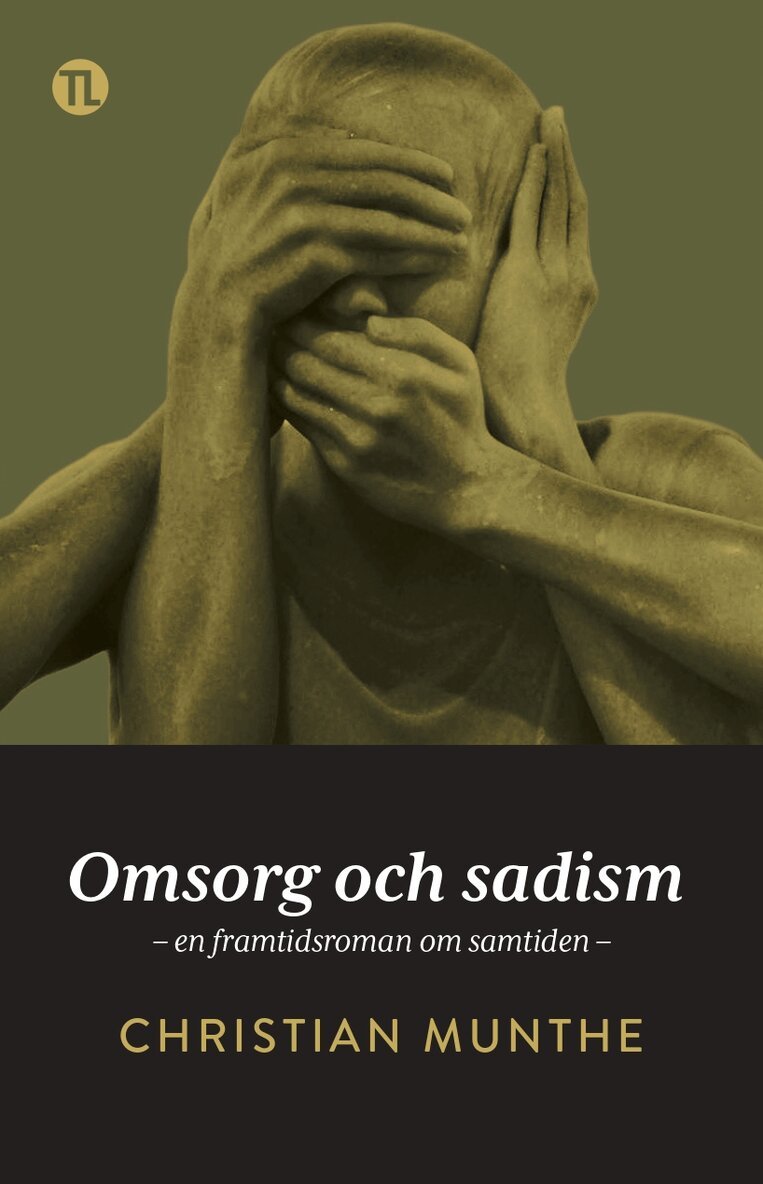
Statskuppen passerade som en viskning ingen hörde … Efter två uppskattade novellsamlingar romandebuterar Christian Munthe med en djupborrande klaustrofobisk framtidsvision. En berättelse om människor som vi, i ett land som vårt, i en framtid inte långt från vår egen. Vad kräver kärleken och vad räknas som motstånd? Var går gränsen mellan trohet och förräderi? - Häftad, Svenska, 2022
209 kr
Skickas
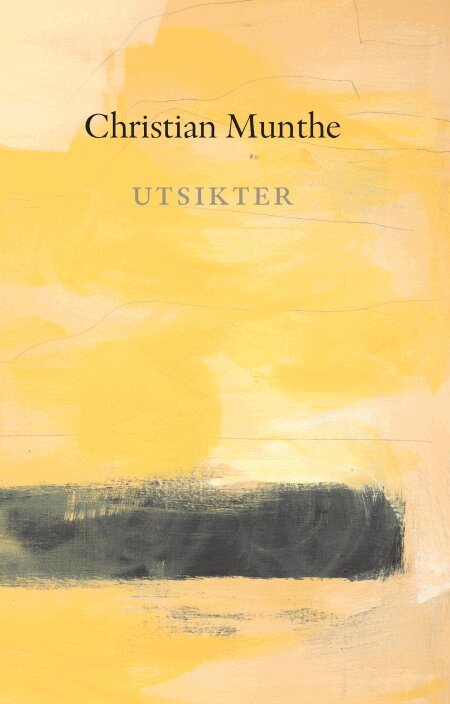
Havsbandet utmanar prövade öbor med tid, glömska, väder, strandgods och vrede. På två procent socker överlever onkel Avrum, Solomon och Leah förtryck, flykt och sina egna val. Sanningen är till salu, men Oskar Kamp kommer till vetenskapens räddning. En glömd fartygskatastrof och ett möte på Djurgården får Hermés-scarfen att falla som en slöja och beseglar pojken Sinas framtid. Pandemins flimrande skärmar och osäkra uppkoppling binder familjen samman och tvingar dem i sär, medan fantasin fyller i där bandbredd och samhälle brister. En lojal medborgare får slutligen sin rättmätiga vila i nationens trygga sköte. Mänsklighetens sista flykt kräver Jonna Gudridsdotters offer, maskinernas bistånd och ett omöjligt val med självskrivet slut. Alltmedan vålnaden väntar med viskningen redo i det uråldriga templets febriga hjärta. I åtta fristående noveller flätar Christian Munthe samman teman om flykt, hav, vyer, våld och framtid till en tät väv om människans villkor och utsikter. Christian Munthe har skrivit sedan ungdomen men debuterade skönlitterärt 2020. Hans noveller har vunnit flera tävlingar och publicerats i antologier på olika förlag. Uppvuxen i Stockholms skärgård, delar han numera sin tid mellan Berlin och Göteborg, där han är verksam som filosof. Utsikter är hans debutbok som skönlitterär författare. - Häftad, Svenska, 2022
204 kr
Skickas
"Musiken från orkestern blandas med mina minnen, jag dansar till tonerna. Rör mig följsamt över ängen. Intensiteten ökar och trumpeterna tar över melodin. Stegvis stiger tempot och jag rör mig snabbare i växtligheten. Snurrar så nattlinnet står ut och skärpet från morgonrocken lossnar. Jag höjer armarna i crescendot och valthornens toner ljuder över trumpeternas. Eufonium och tromboner, pukorna dundrar som bultandet i mitt bröst, pulsen i mina tinningar. Jag ryser, skälver."
29 författare skriver om musikens inverkan på upplevelser, minnen och livet.
- Del 6 - International Library of Ethics, Law and Technology
Price of Precaution and the Ethics of Risk
Inbunden, Engelska, 20111 086 kr
Skickas inom 10-15 vardagar
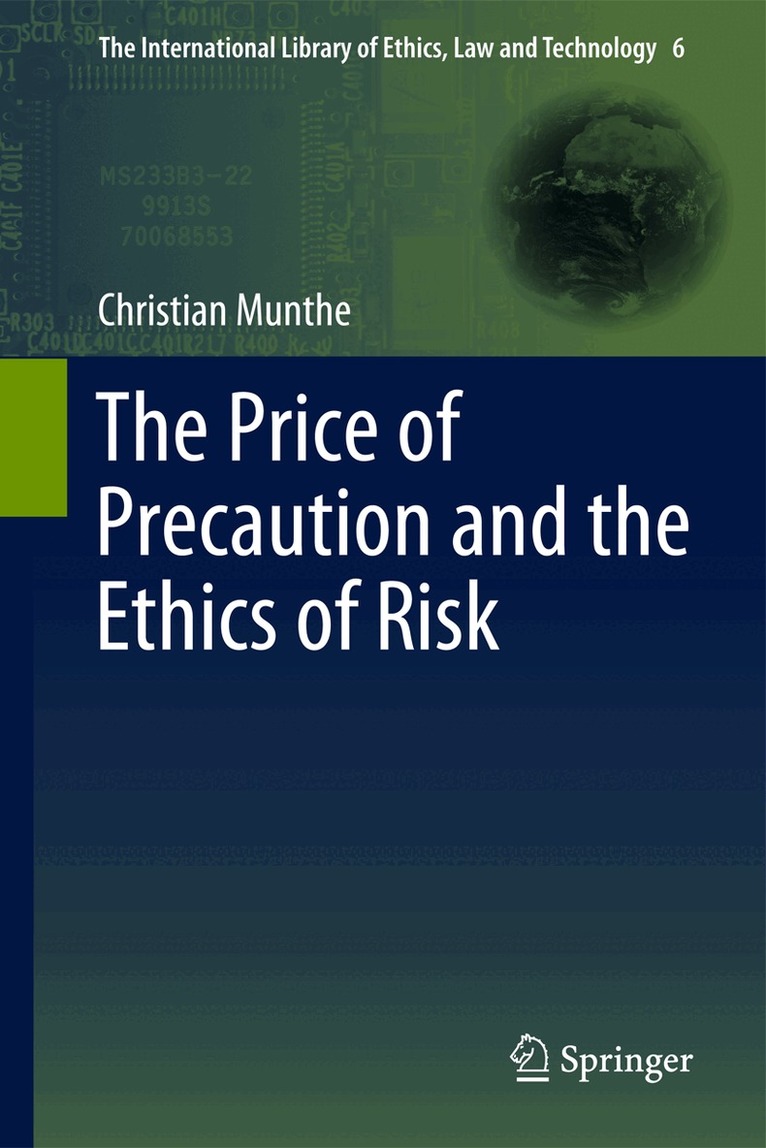
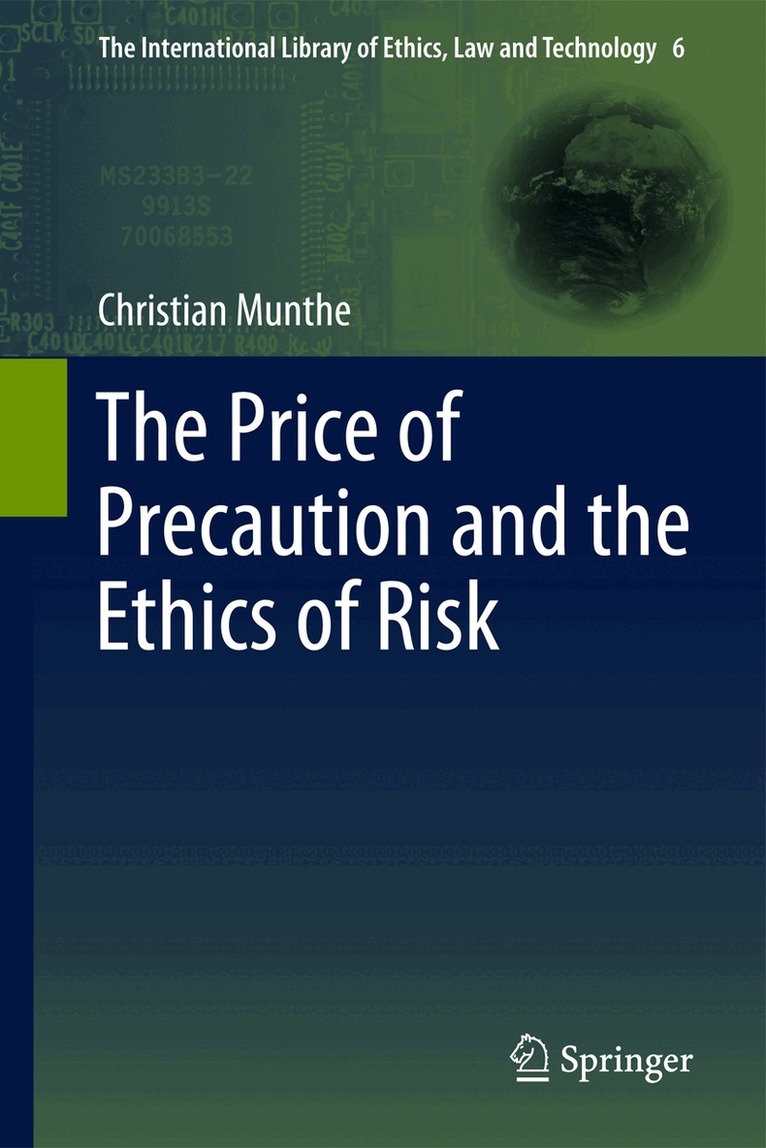
Christian Munthe undertakes an innovative, in-depth philosophical analysis of what the idea of a precautionary principle is and should be about. A novel theory of the ethics of imposing risks is developed and used as a foundation for defending the idea of precaution in environmental and technological policy making against its critics, while at the same time avoiding a number of identified flaws. The theory is shown to have far-reaching practical conclusions for areas such as bio-, information- and nuclear technology, and global environmental policy in areas such as climate change. The author argues that, while the price we pay for precaution must not be too high, we have to be prepared to pay it in order to act ethically defensible. A number of practical suggestions for precautionary regulation and policy making are made on the basis of this, and some challenges to basic ethical theory as well as consumerist societies, the global political order and liberal democracy are identified.Munthe’s book is a well-argued contribution to the PP debate, putting neglected justificatory and methodological questions at the forefront. His many discussions of alternative accounts as well as his drawing out the consequences of his own suggestion in practical cases give the reader a thorough, holistic sense of what justification of PP amounts to. /..../ Munthe’s main case, his argumentation for the requirement of precaution as a moral norm, is convincing and puts a strong pressure on too narrow alternative suggestions on how it should be perceived and justified, and he launches a plausible defence of its practical usability. - E-bokPDF, Engelska, 2011
1 413 kr
Läs direkt efter köp
Christian Munthe undertakes an innovative, in-depth philosophical analysis of what the idea of a precautionary principle is and should be about. A novel theory of the ethics of imposing risks is developed and used as a foundation for defending the idea of precaution in environmental and technological policy making against its critics, while at the same time avoiding a number of identified flaws. The theory is shown to have far-reaching practical conclusions for areas such as bio-, information- and nuclear technology, and global environmental policy in areas such as climate change. The author argues that, while the price we pay for precaution must not be too high, we have to be prepared to pay it in order to act ethically defensible. A number of practical suggestions for precautionary regulation and policy making are made on the basis of this, and some challenges to basic ethical theory as well as consumerist societies, the global political order and liberal democracy are identified.
Munthe’s book is a well-argued contribution to the PP debate, putting neglected justificatory and methodological questions at the forefront. His many discussions of alternative accounts as well as his drawing out the consequences of his own suggestion in practical cases give the reader a thorough, holistic sense of what justification of PP amounts to. /..../ Munthe’s main case, his argumentation for the requirement of precaution as a moral norm, is convincing and puts a strong pressure on too narrow alternative suggestions on how it should be perceived and justified, and he launches a plausible defence of its practical usability.
- Inbunden, Engelska, 2011
1 674 kr
Skickas inom 10-15 vardagar
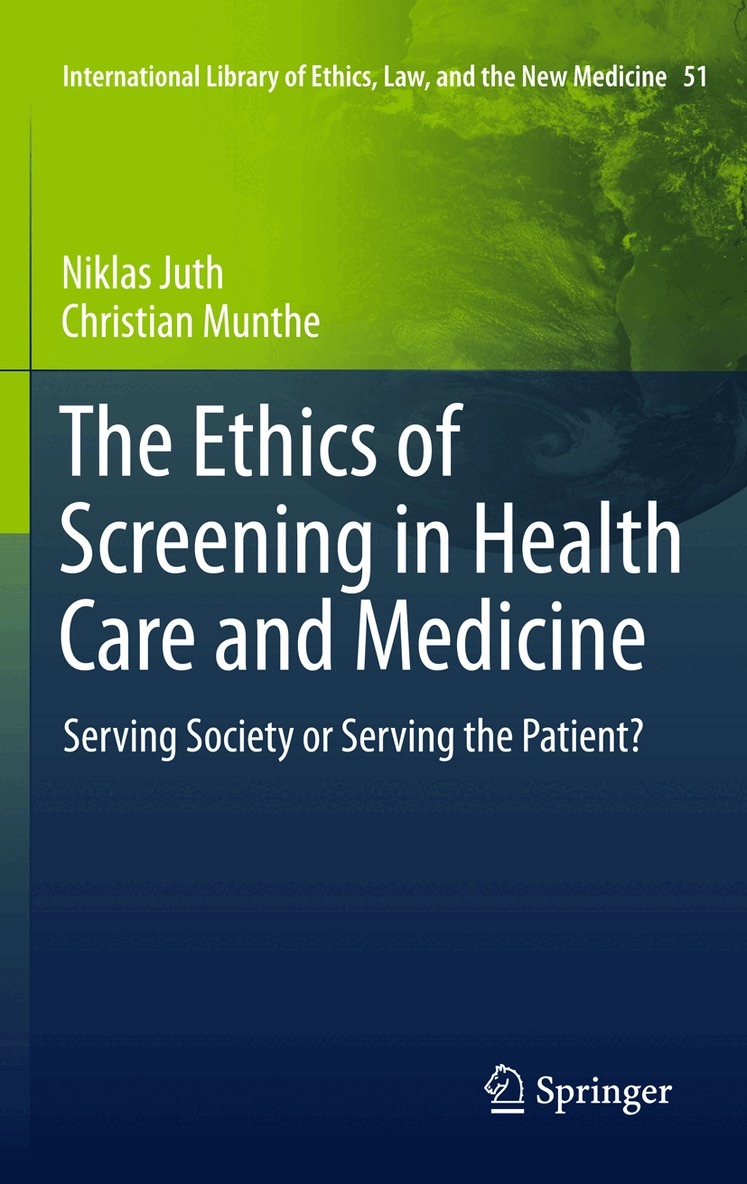
Medical or health-oriented screening programs are amongst the most debated aspects of health care and public health practices in health care and public health ethics, as well as health policy discussions. In spite of this, most treatments of screening in the research literature restrict themselves to isolated scientific aspects, sometimes complemented by economic analyses or loose speculations regarding policy aspects. At the same time, recent advances in medical genetics and technology, as well as a rapidly growing societal focus on public health concerns, inspires an increase in suggested or recently started screening programs. This book involves an in-depth analysis of the ethical, political and philosophical issues related to health-oriented screening programs. It explores the considerations that arise when heath care interacts with other societal institutions on a large scale, as is the case with screening: What values may be promoted or compromised by screening programs? What conflicts of values do typically arise – both internally and in relation to the goals of health care, on the one hand, and the goals of public health and the general society, on the other? What aspects of screening are relevant for determining whether it should be undertaken or not and how it should be organised in order to remain defensible? What implications does the ethics of screening have for health care ethics as a whole? These questions are addressed by applying philosophical methods of conceptual analysis, as well as models and theories from moral and political philosophy, medical ethics, and public health ethics, to a large number of ongoing and proposed screening programs which makes this book the first comprehensive work on the ethics of screening. Analyses and suggestions are made that are of potential interest to health care staff, medical researchers, policy makers and the general public. - E-bokPDF, Engelska, 2011
2 044 kr
Läs direkt efter köp
Medical or health-oriented screening programs are amongst the most debated aspects of health care and public health practices in health care and public health ethics, as well as health policy discussions. In spite of this, most treatments of screening in the research literature restrict themselves to isolated scientific aspects, sometimes complemented by economic analyses or loose speculations regarding policy aspects. At the same time, recent advances in medical genetics and technology, as well as a rapidly growing societal focus on public health concerns, inspires an increase in suggested or recently started screening programs.
This book involves an in-depth analysis of the ethical, political and philosophical issues related to health-oriented screening programs. It explores the considerations that arise when heath care interacts with other societal institutions on a large scale, as is the case with screening: What values may be promoted or compromised by screening programs? What conflicts of values do typically arise – both internally and in relation to the goals of health care, on the one hand, and the goals of public health and the general society, on the other? What aspects of screening are relevant for determining whether it should be undertaken or not and how it should be organised in order to remain defensible? What implications does the ethics of screening have for health care ethics as a whole?
These questions are addressed by applying philosophical methods of conceptual analysis, as well as models and theories from moral and political philosophy, medical ethics, and public health ethics, to a large number of ongoing and proposed screening programs which makes this book the first comprehensive work on the ethics of screening. Analyses and suggestions are made that are of potential interest to health care staff, medical researchers, policy makers and the general public.
- Del 6 - International Library of Ethics, Law and Technology
Price of Precaution and the Ethics of Risk
Häftad, Engelska, 20131 086 kr
Skickas inom 10-15 vardagar
Christian Munthe undertakes an innovative, in-depth philosophical analysis of what the idea of a precautionary principle is and should be about. A novel theory of the ethics of imposing risks is developed and used as a foundation for defending the idea of precaution in environmental and technological policy making against its critics, while at the same time avoiding a number of identified flaws. The theory is shown to have far-reaching practical conclusions for areas such as bio-, information- and nuclear technology, and global environmental policy in areas such as climate change. The author argues that, while the price we pay for precaution must not be too high, we have to be prepared to pay it in order to act ethically defensible. A number of practical suggestions for precautionary regulation and policy making are made on the basis of this, and some challenges to basic ethical theory as well as consumerist societies, the global political order and liberal democracy are identified.Munthe’s book is a well-argued contribution to the PP debate, putting neglected justificatory and methodological questions at the forefront. His many discussions of alternative accounts as well as his drawing out the consequences of his own suggestion in practical cases give the reader a thorough, holistic sense of what justification of PP amounts to. /..../ Munthe’s main case, his argumentation for the requirement of precaution as a moral norm, is convincing and puts a strong pressure on too narrow alternative suggestions on how it should be perceived and justified, and he launches a plausible defence of its practical usability. - Häftad, Engelska, 2013
1 625 kr
Skickas inom 10-15 vardagar
Medical or health-oriented screening programs are amongst the most debated aspects of health care and public health practices in health care and public health ethics, as well as health policy discussions. In spite of this, most treatments of screening in the research literature restrict themselves to isolated scientific aspects, sometimes complemented by economic analyses or loose speculations regarding policy aspects. At the same time, recent advances in medical genetics and technology, as well as a rapidly growing societal focus on public health concerns, inspires an increase in suggested or recently started screening programs. This book involves an in-depth analysis of the ethical, political and philosophical issues related to health-oriented screening programs. It explores the considerations that arise when heath care interacts with other societal institutions on a large scale, as is the case with screening: What values may be promoted or compromised by screening programs? What conflicts of values do typically arise – both internally and in relation to the goals of health care, on the one hand, and the goals of public health and the general society, on the other? What aspects of screening are relevant for determining whether it should be undertaken or not and how it should be organised in order to remain defensible? What implications does the ethics of screening have for health care ethics as a whole? These questions are addressed by applying philosophical methods of conceptual analysis, as well as models and theories from moral and political philosophy, medical ethics, and public health ethics, to a large number of ongoing and proposed screening programs which makes this book the first comprehensive work on the ethics of screening. Analyses and suggestions are made that are of potential interest to health care staff, medical researchers, policy makers and the general public.