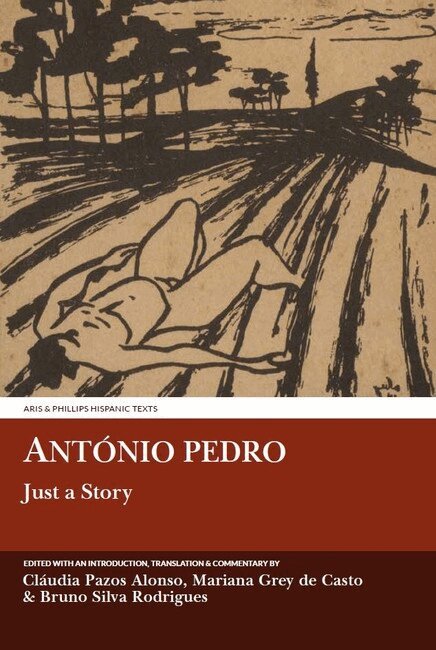
801 kr
Skickas inom 10-15 vardagar
801 kr
Skickas inom 10-15 vardagar
935 kr
Läs direkt efter köp
935 kr
Läs direkt efter köp
1 543 kr
Läs direkt efter köp
534 kr
Skickas inom 5-8 vardagar
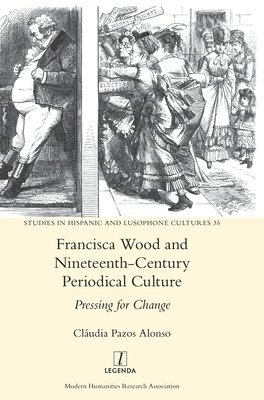
Pressing for Change
1 278 kr
Skickas
This monograph offers the first full-length account of the political intervention of the nineteenth-century journalist, novelist and translator Francisca de Assis Martins Wood (1802-1900). Her unusual profile included several decades spent in England, which shaped her perception of Portugal. Why then was her intriguing life-story not examined earlier? And why did mid-nineteenth century female authorship remain neglected for so long in Portuguese cultural memory? After revisiting such matters with fresh eyes, the focus turns to the pioneer weekly periodical that Wood headed for two years, A Voz Feminina, later rebranded O Progresso.
Crucially, during an age when the transnational circulation of ideas became amplified through the press, the cosmopolitan Wood cultivated strategic connections with early suffragists across Europe. In a string of remarkable editorials, she tackled Church hegemony and pushed for women’s rights. Her daring anticlerical thinking in the late 1860s, which anticipated an agenda more readily associated to this day with the work of Eça de Queirós, stands out for the sheer modernity of its gender analysis. One hundred and fifty years on, this study uncovers the backlash against Wood’s progressive views, led by another Lisbon-based periodical, Bem Público [The Public Good], and reclaims this salient public intellectual as a worthy precursor of Portuguese first-wave feminism.
Cláudia Pazos Alonso is Professor of Portuguese and Gender Studies at the University of Oxford and a Fellow of Wadham College.
Pressing for Change
235 kr
Skickas inom 5-8 vardagar
652 kr
Skickas inom 5-8 vardagar
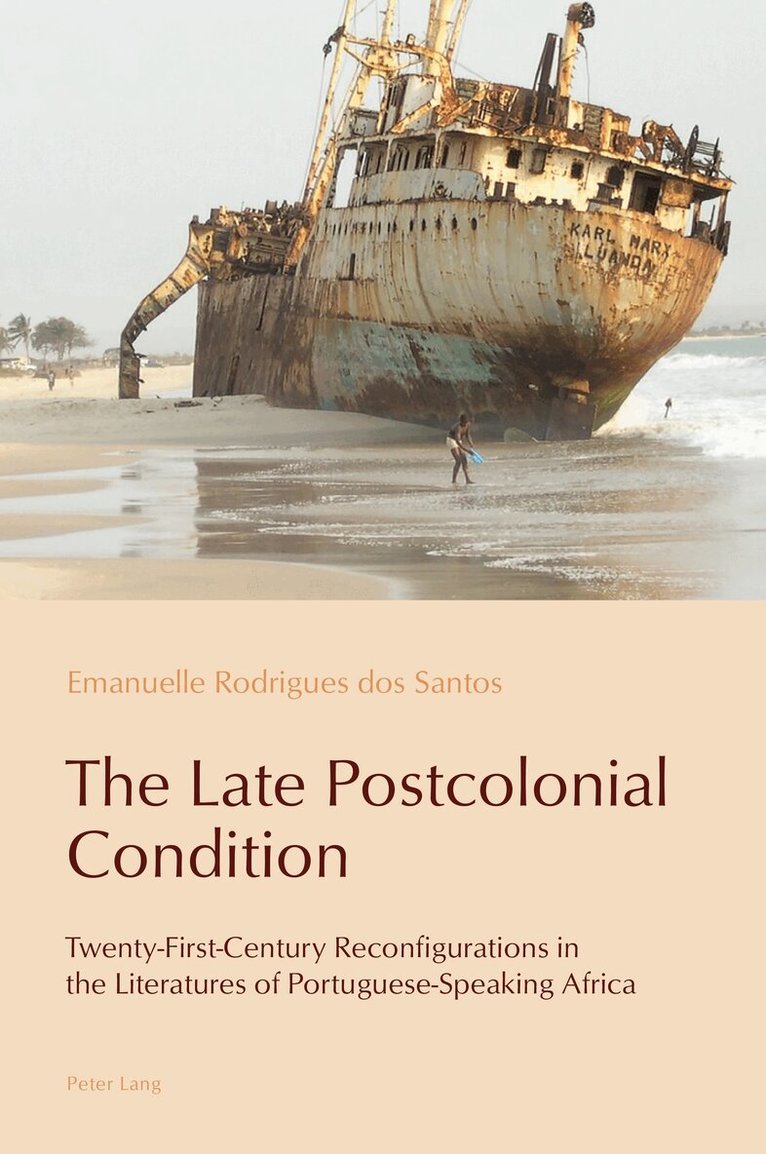
Twenty-First-Century Reconfigurations in the Literatures of Portuguese-Speaking Africa
731 kr
Skickas inom 5-8 vardagar
How can we read twenty-first-century African literatures in Portuguese so that we can properly understand the voices telling us of their particular situation today? In The Late Postcolonial Condition Emanuelle Rodrigues dos Santos deftly shows us how to adjust our perspectives and assumptions from those of the past into the dynamics of the very different conditions of the present. This book will be essential reading for all students and scholars of contemporary African fiction in Portuguese.
(Robert J. C. Young, Julius Silver Professor of English and Comparative Literature, New York University)
In The Late Postcolonial Condition, Emanuelle Rodrigues dos Santos counters the perception of the backlash against postcolonial studies by proposing a reconfiguration of its paradigms for studying the African literatures of Portuguese-speaking countries. In doing so, she explores the interpretative perspectives of the longue durée of the past to understand the different levels of coloniality in the studies of the literatures of the Global South, with an emphasis on a main theme in African literatures in the twenty-first century: the role of the nation-state in the contemporary juncture of each postcolonial context. This book is an important contribution to contemporary literary studies, especially to the literatures of Portuguese-speaking Africa that are still peripheral to hegemonic anglophone scholarship. It brings valuable insights into postcolonial studies and debates around identity and narration of the nation in African literatures through the conceptualisation of late postcoloniality.
(Inocência Mata, Professor in the Department of Romance Literatures, School of Arts and Humanities, University of Lisbon)
This book provides a unique portrait of the late postcolonial condition in the twenty-first century, shedding new light on complex national and transnational dynamics in the development of postcolonial states in the aftermath of independence. This analysis of fictional narratives from Angola, Mozambique, Cape Verde, Guinea Bissau, and São Tomé and Príncipe establishes a much-needed critical reassessment of the theoretical framework of postcolonial studies used to trace the development of key tropes within these national literary systems, including nation building, the role of violence and economic exploitation in the postcolonial age. Engaging with a selection of works published at the turn of the millennium by authors such as José Eduardo Agualusa, João Paulo Borges Coelho, Evel Rocha, Filomena Embaló and Albertino Bragança, this study considers the impact of relevant aesthetic, cultural, political and economic circumstances to propose the concept of late postcolonial condition to define their contemporary postcolonial experience.
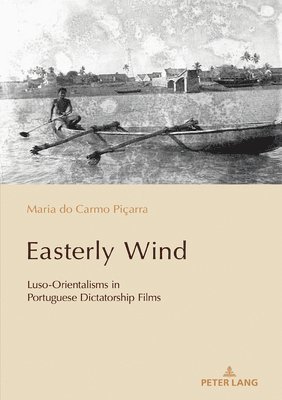
Luso-Orientalisms in Portuguese Dictatorship Films
573 kr
Skickas inom 5-8 vardagar
1 266 kr
Skickas inom 5-8 vardagar
338 kr
Skickas inom 5-8 vardagar
1 718 kr
Skickas inom 5-8 vardagar
543 kr
Skickas inom 5-8 vardagar
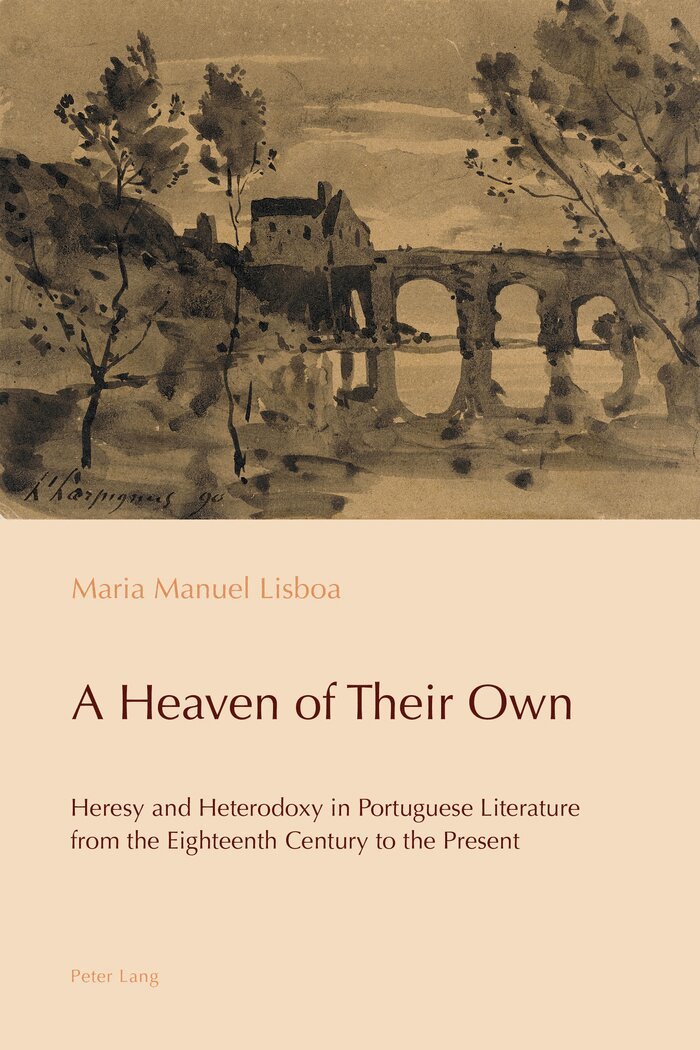
Heresy and Heterodoxy in Portuguese Literature from the Eighteenth Century to the Present
861 kr
Tillfälligt slut