Hilary Owen - Böcker
Visar alla böcker från författaren Hilary Owen. Handla med fri frakt och snabb leverans.
11 produkter
11 produkter
1 572 kr
Skickas inom 10-15 vardagar
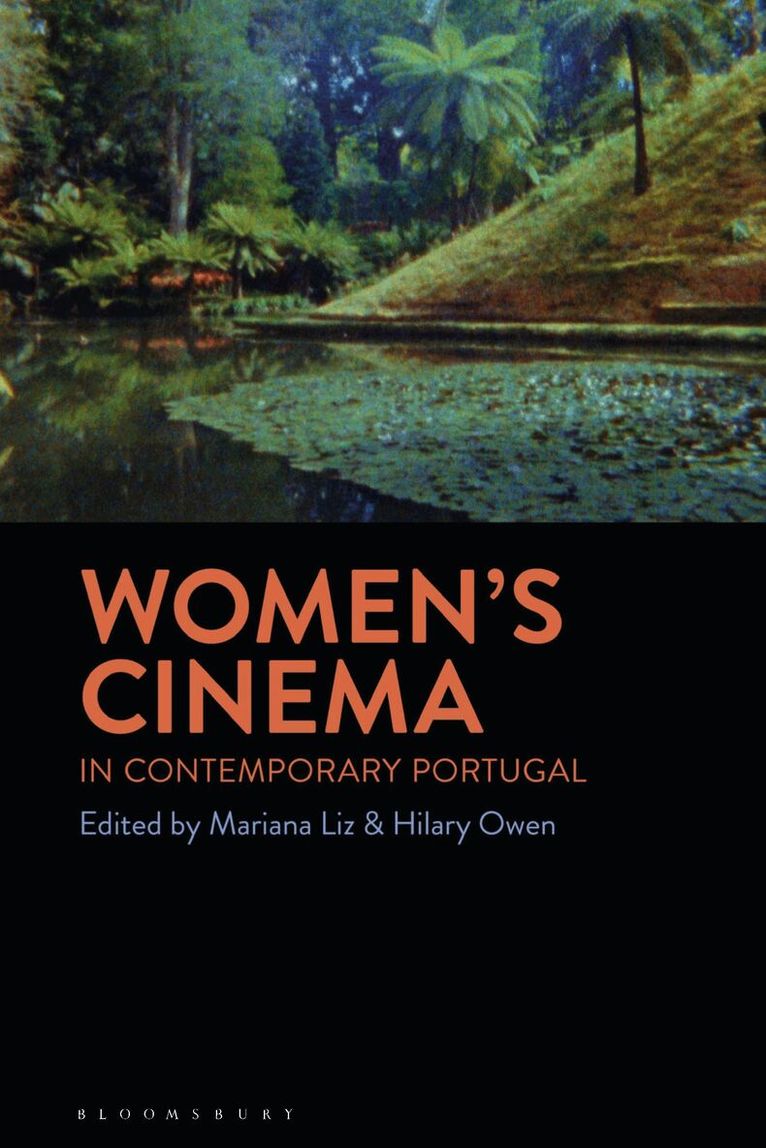
Women’s Cinema in Contemporary Portugal brings together scholars from Portugal, UK and the USA, to discuss 14 women film directors in Portugal, focussing on their production in both feature film and documentary genres over the last half-century. It charts the specific cinematic visions that these women have brought to the re-emergence of Portuguese national cinema in the wake of the 1974 Revolution and African decolonisation, and to the growing internationalisation of Portugal’s arguably ‘minor’ or ‘small nation’ cinema, with significant young women directors such as Leonor Teles achieving prominence abroad. The history of Portuguese women’s cinema only begins systematically after the 1974 revolution and democratisation. This collection shows how female auteurs made their mark on Portugal’s post-revolutionary conceptualisation of a differently ‘national’ cinema, through the ethnographic output of the late 1970s. It goes on to explore women’s decisively gendered interventions in the cinematic memory practices that opened up around the masculine domain of the Colonial Wars in Africa. Feminist political issues such as Portugal’s 30-year abortion campaign and LGBT status have become more visible since the 1990s, alongside preoccupations with global concerns relating to immigration, transit and minority status communities. The book also demonstrates how women have contributed to the evolution of soundscapes, the genre of essay cinema, film’s relationship to the archive, and the adaptation of the written word. The result is a powerful, provocative and definitive challenge to the marginalisation of Portuguese female-directed film in terms of ‘double minority’.
448 kr
Skickas inom 10-15 vardagar
Women’s Cinema in Contemporary Portugal brings together scholars from Portugal, UK and the USA, to discuss 14 women film directors in Portugal, focussing on their production in both feature film and documentary genres over the last half-century. It charts the specific cinematic visions that these women have brought to the re-emergence of Portuguese national cinema in the wake of the 1974 Revolution and African decolonisation, and to the growing internationalisation of Portugal’s arguably ‘minor’ or ‘small nation’ cinema, with significant young women directors such as Leonor Teles achieving prominence abroad. The history of Portuguese women’s cinema only begins systematically after the 1974 revolution and democratisation. This collection shows how female auteurs made their mark on Portugal’s post-revolutionary conceptualisation of a differently ‘national’ cinema, through the ethnographic output of the late 1970s. It goes on to explore women’s decisively gendered interventions in the cinematic memory practices that opened up around the masculine domain of the Colonial Wars in Africa. Feminist political issues such as Portugal’s 30-year abortion campaign and LGBT status have become more visible since the 1990s, alongside preoccupations with global concerns relating to immigration, transit and minority status communities. The book also demonstrates how women have contributed to the evolution of soundscapes, the genre of essay cinema, film’s relationship to the archive, and the adaptation of the written word. The result is a powerful, provocative and definitive challenge to the marginalisation of Portuguese female-directed film in terms of ‘double minority’.
1 445 kr
Skickas inom 7-10 vardagar
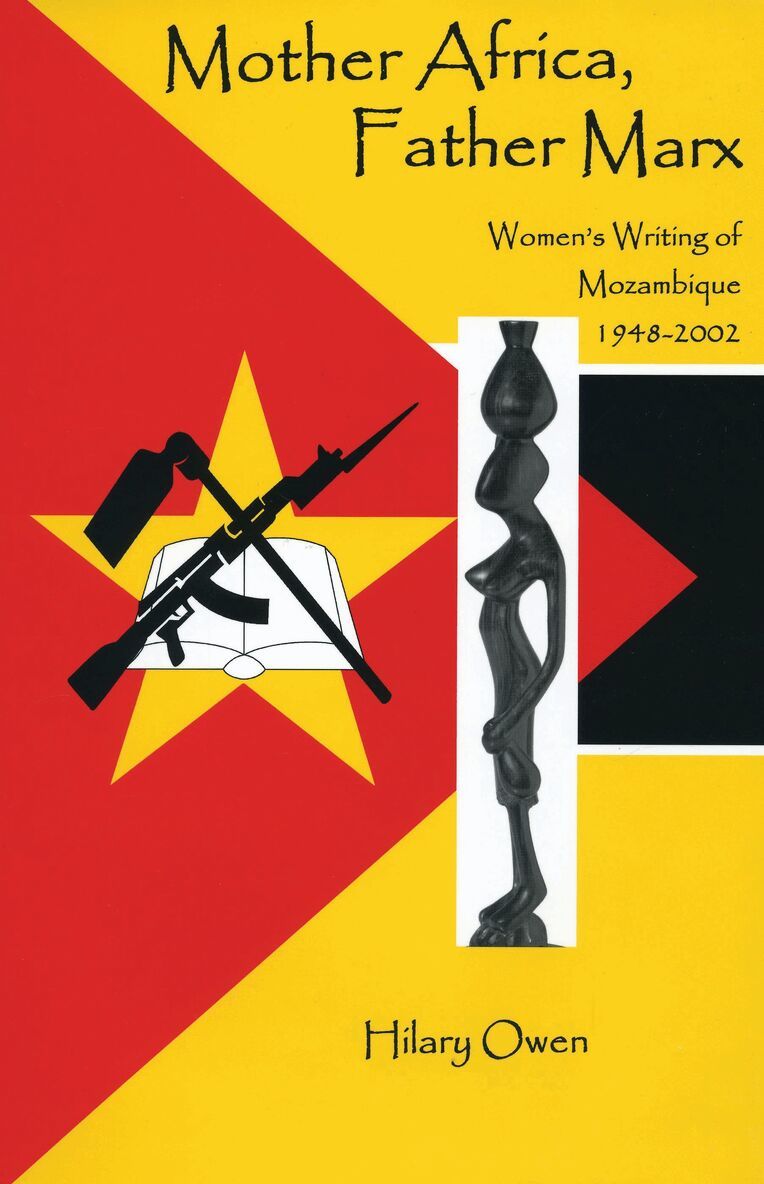
This book is the first work in the English language to discuss the participation of women writers in the narrative construction of Mozambican nationhood over the past half-century. Covering the rise of anti-colonial nationalism in the 1950s, the advent of the Marxist-Leninist Republic in the 1970s, the war that followed independence in the 1980s, and the transition to democracy and the neo-liberal economy in the 1990s, the volume focuses on four representative women writers who belong to distinct but overlapping periods and work in different genres. Dealing with Noémia de Sousa's poetry, Lina Magaia's testimonial writings, Lília Momplé's short fiction, and Paulina Chiziane's novels, the result is a close reading of the ways in which women have narrated and counter-narrated Mozambican nationhood to take account of the gendered power relations that traditionally underpin national community as imagined by men.
534 kr
Skickas inom 5-8 vardagar
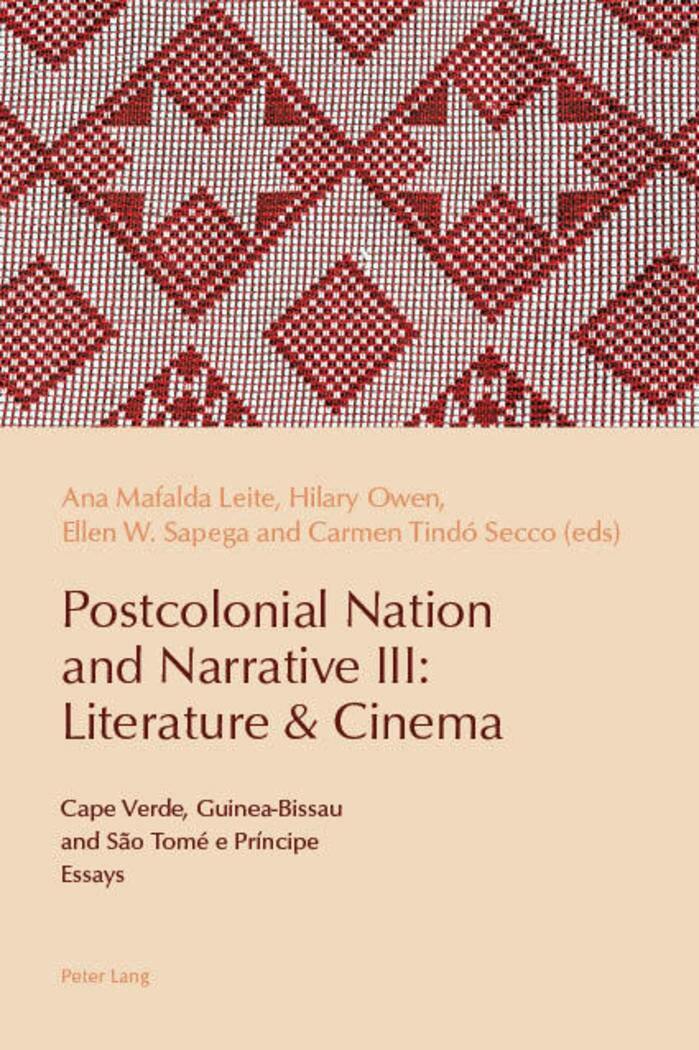
Del 13 - Reconfiguring Identities in the Portuguese-speaking World
Postcolonial Nation and Narrative III: Literature & Cinema
Cape Verde, Guinea-Bissau and São Tomé e Príncipe
Häftad, Engelska, 2019
771 kr
Skickas inom 5-8 vardagar
1 931 kr
Skickas inom 7-10 vardagar
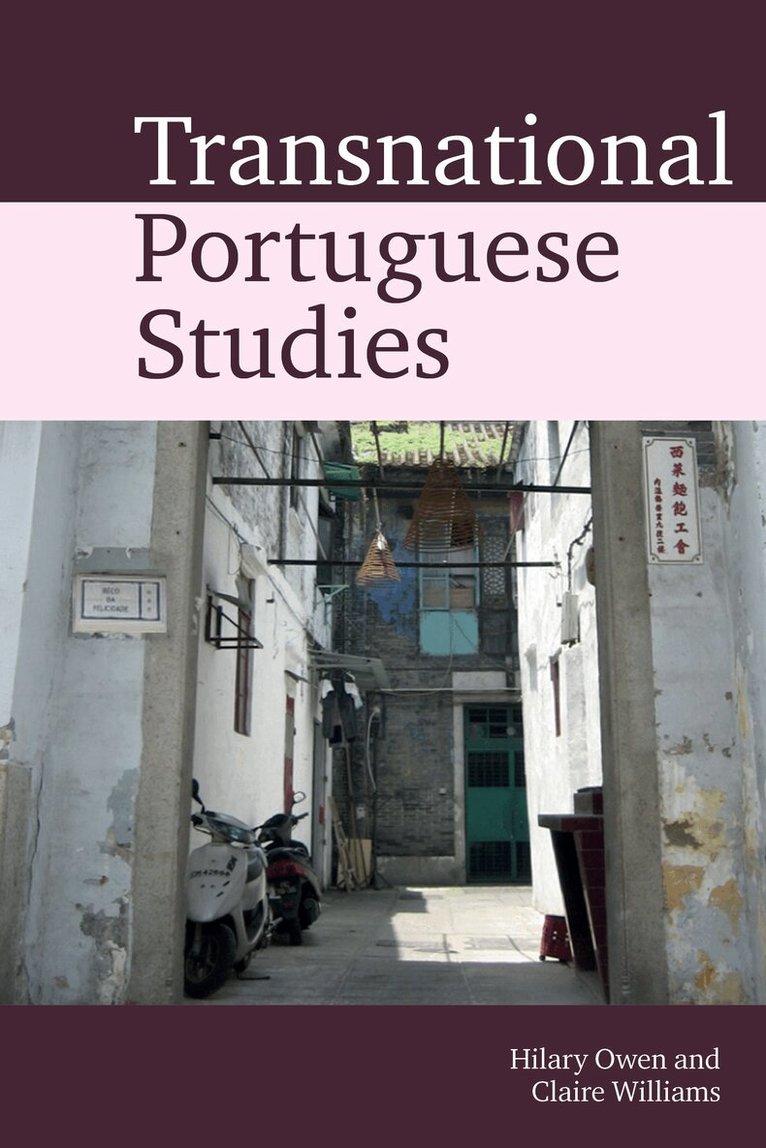
Transnational Portuguese Studies offers a radical rethinking of the role played by the concepts of ‘nationhood’ and ‘the nation’ in the epistemologies that underpin Portuguese Studies as an academic discipline. Portuguese Studies offers a particularly rich and enlightening challenge to methodological nationalism in Modern Languages, not least because the teaching of Portuguese has always extended beyond the study of the single western European country from which the language takes its name. However, this has rarely been analysed with explicit, or critical, reference to the ‘transnational turn’ in Arts and Humanities. This volume of essays from leading scholars in Portugal, Brazil, the USA and the UK, explores how the histories, cultures and ideas constituted in and through Portuguese language resist borders and produce encounters, from the manoeuvres of 15th century ‘globalization’ and cartography to present-day mega events such as the Rio Olympics. The result is a timely counter-narrative to the workings of linguistic and cultural nationalism, demonstrating how texts, paintings and photobooks, musical forms, political ideas, cinematic representations, gender identities, digital communications and lexical forms, may travel, translate and embody transcultural contact in ways which only become readable through the optics of transnationalism.Contributors: Ana Margarida Dias Martins, Anna M. Klobucka, Christopher Larkosh, Claire Williams, Cláudia Pazos Alonso, Edward King, Ellen W. Sapega, Fernando Arenas, Hilary Owen, José Lingna Nafafé, Kimberly DaCosta Holton, Maria Luísa Coelho, Paulo de Medeiros, Sara Ramos Pinto, Sheila Moura Hue, Simon Park, Susana Afonso, Tatiana Heise, Toby Green, Tori Holmes, Vivien Kogut Lessa de Sá and Zoltán Biedermann.
545 kr
Skickas inom 7-10 vardagar
Transnational Portuguese Studies offers a radical rethinking of the role played by the concepts of ‘nationhood’ and ‘the nation’ in the epistemologies that underpin Portuguese Studies as an academic discipline. Portuguese Studies offers a particularly rich and enlightening challenge to methodological nationalism in Modern Languages, not least because the teaching of Portuguese has always extended beyond the study of the single western European country from which the language takes its name. However, this has rarely been analysed with explicit, or critical, reference to the ‘transnational turn’ in Arts and Humanities. This volume of essays from leading scholars in Portugal, Brazil, the USA and the UK, explores how the histories, cultures and ideas constituted in and through Portuguese language resist borders and produce encounters, from the manoeuvres of 15th century ‘globalization’ and cartography to present-day mega events such as the Rio Olympics. The result is a timely counter-narrative to the workings of linguistic and cultural nationalism, demonstrating how texts, paintings and photobooks, musical forms, political ideas, cinematic representations, gender identities, digital communications and lexical forms, may travel, translate and embody transcultural contact in ways which only become readable through the optics of transnationalism.Contributors: Ana Margarida Dias Martins, Anna M. Klobucka, Christopher Larkosh, Claire Williams, Cláudia Pazos Alonso, Edward King, Ellen W. Sapega, Fernando Arenas, Hilary Owen, José Lingna Nafafé, Kimberly DaCosta Holton, Maria Luísa Coelho, Paulo de Medeiros, Sara Ramos Pinto, Sheila Moura Hue, Simon Park, Susana Afonso, Tatiana Heise, Toby Green, Tori Holmes, Vivien Kogut Lessa de Sá and Zoltán Biedermann.
517 kr
Skickas inom 7-10 vardagar
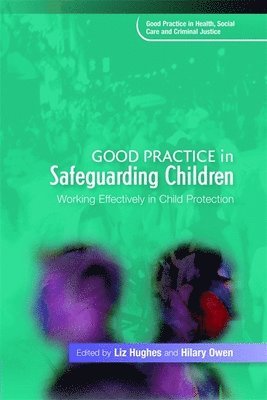
Good Practice in Safeguarding Children considers how front-line professionals can keep the best interests of the child at the heart of their work when statutory guidance, the way agencies are integrated and the delivery of services are changing. Liz Hughes and Hilary Owen have drawn together contributors' experiences of working with safeguarding children on a broad range of issues, including neglect, trafficked children, parents with learning difficulties and child protection supervision. The contributors discuss current dilemmas in safeguarding children work and provide models of good practice, including case scenarios and exercises. This book explores how changes in the system offer an opportunity to enhance the quality of service provision, to achieve better outcomes for children and their families.This book is a must-read book for all front-line practitioners involved in safeguarding children, including social workers, child and adolescent mental health practitioners, police officers, healthcare professionals, probation workers and teachers. It is also suitable for undergraduate, post-graduate and post-qualifying students.
549 kr
Skickas inom 10-15 vardagar
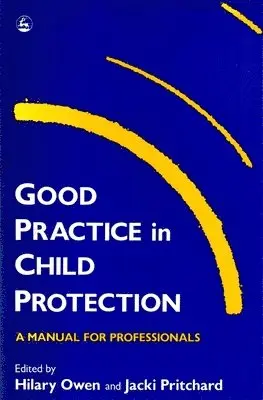
Good Practice in Child Protection is a timely practical handbook for use by all professionals who work with child abuse cases as they get to grips with the new legislation on child protection. The contributors come from a wide range of backgrounds, including the social services, medicine, the legal professions and the police force. The book is soundly based on theory, but its main emphasis is on practice, and it includes exercises to improve practice in specific areas of child protection work, enabling workers to achieve the high standards now demanded.The subjects covered include:The Children Act and child protectionRecognizing abusePreventing female genital mutilationCommunicating with children about abuseChild protection case conferencesPromoting inter-professional understandingVictims of child abuseThe police perspectiveSupervision and support of workers
Del 2 - Reconfiguring Identities in the Portuguese-speaking World
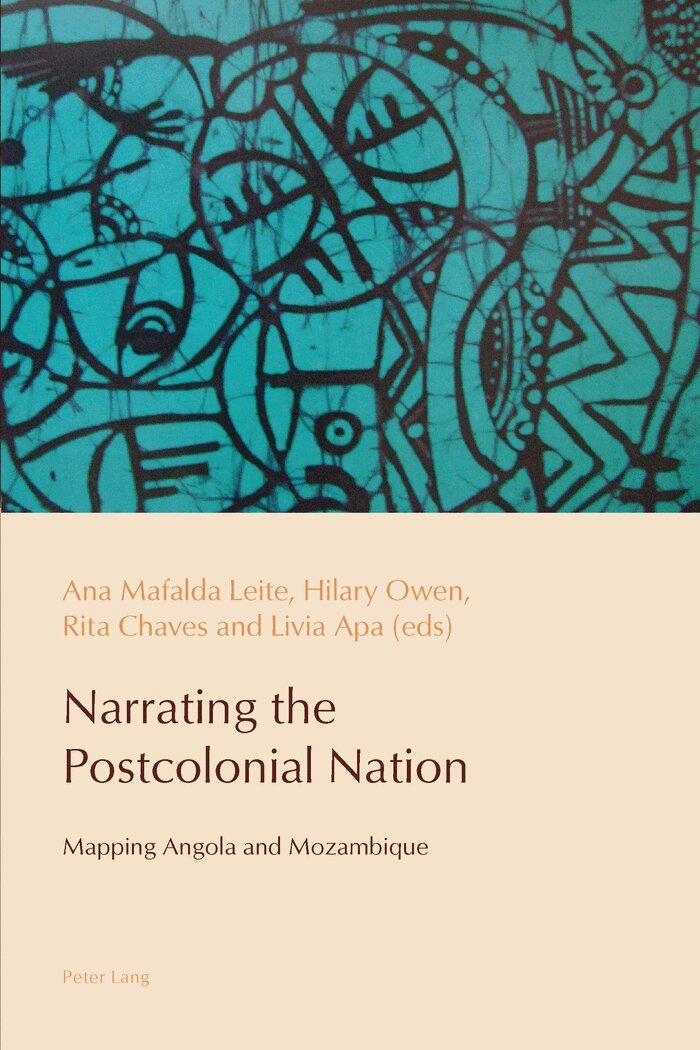
Narrating the Postcolonial Nation
Mapping Angola and Mozambique
Häftad, Engelska, 2014
794 kr
Skickas inom 5-8 vardagar
The essays collected in this volume look at the way that Mozambican and Angolan literary works seek to narrate, re-create and make sense of the postcolonial nation. Some of the studies focus on individual works; others are comparative analyses of Angolan and Mozambican works, with a focus on the way they enter into dialogue with each other. The volume is oriented by three broad themes: the role of history; the recurring image of the voyage; and discursive/narrative strategies. The final section of the book considers the postcolonial in a broader Lusophone and international context.
Revolutionary Decade
Leading Women in Portuguese Cinema and Television of the 1970s
Inbunden, Engelska, 2026
1 855 kr
Kommande
This open access book is the first cultural history of women’s contributions to, and experiences of, Portuguese cinema and television work in the crucial decade of the 1974 Revolution and the transition to democracy.The 1970s, the decade of Portugal’s democratic transition, was also foundational for Portuguese cinema and TV. After the 1974 Revolution, two female directors made landmark documentaries, and women were active founder members of film cooperatives, but most women still worked in traditionally ‘below-the-line’ roles such as editing, continuity, production, secretarial assistance, costume and set design, props and makeup.This book brings these women’s stories to light as it foregrounds their perspectives on this transformational decade in Portuguese filmmaking. Relying on new interviews and archive research, the book reads between the lines of the male-authored histories, documents and films which built the national cinema canon to unearth female experiences and women’s creative input. The films discussed include: Nojo aos Cães (António de Macedo), O Recado (José Fonseca e Costa), Bom Povo Português (Rui Simões), Francisca (Manoel de Oliveira) and Silvestre (João César Monteiro), as well as collective cooperative work, such as As Armas e o Povo (Colectivo dos Trabalhadores de Actividade and A Lei da Terra (Grupo Zero), and TV series. The ebook editions of this book are available open access under a CC BY-NC-ND 4.0 licence on bloomsburycollections.com. Open access was funded by United Kingdom Research Innovation (UKRI - Arts and Humanities Research Council).