Committee on Animal Nutrition - Böcker
Visar alla böcker från författaren Committee on Animal Nutrition. Handla med fri frakt och snabb leverans.
18 produkter
18 produkter
Effect of Genetic Variance on Nutritional Requirements of Animals
Proceedings of a Symposium
Häftad, Engelska, 1975
588 kr
Tillfälligt slut
472 kr
Tillfälligt slut
486 kr
Tillfälligt slut
United States-Canadian Tables of Feed Composition
Nutritional Data for United States and Canadian Feeds, Third Revision
Häftad, Engelska, 1982
588 kr
Tillfälligt slut
472 kr
Tillfälligt slut
606 kr
Tillfälligt slut
797 kr
Tillfälligt slut
495 kr
Tillfälligt slut
How much do animals eat? Why do eating patterns change? How do physiological, dietary, and environmental factors affect feed intake? This volume, a comprehensive overview of the latest animal feed intake research, answers these questions with detailed information about the feeding patterns of fishes, pigs, poultry, dairy cows, beef cattle, and sheep. Equations for calculating predicted feed intake are presented for each animal and are accompanied by charts, graphs, and tables.
530 kr
Tillfälligt slut
Many feedstuffs and forages do not provide the dietary vitamins necessary for optimum growth and development, making supplementation necessary. This volume offers a practical, well-organized guide to safe levels of vitamin supplementation in all major domestic species, including poultry, cattle, sheep, and fishes. Fourteen essential vitamins are discussed with information on requirements in various species, deficiency symptoms, metabolism, indications of hypervitaminosis, and safe dosages.
581 kr
Tillfälligt slut
In the years since the third edition of this indispensable reference was published, a great deal has been learned about the nutritional requirements of common laboratory species: rat, mouse, guinea pig, hamster, gerbil, and vole. The Fourth Revised Edition presents the current expert understanding of the lipid, carbohydrate, protein, mineral, vitamin, and other nutritional needs of these animals. The extensive use of tables provides easy access to a wealth of comprehensive data and resource information. The volume also provides an expanded background discussion of general dietary considerations. In addition to a more user-friendly organization, new features in this edition include: * A significantly expanded section on dietary requirements for rats, reporting substantial new findings. * A new section on nutrients that are not required but that may produce beneficial results. New information on growth and reproductive performance among the most commonly used strains of rats and mice and on several hamster species. * An expanded discussion of diet formulation and preparation--including sample diets of both purified and natural ingredients.* New information on mineral deficiency and toxicity, including warning signs. This authoritative resource will be important to researchers, laboratory technicians, and manufacturers of laboratory animal feed.
414 kr
Tillfälligt slut
The American feed industry manufactures tons of dietary supplements and additives each year for inclusion in the diets of food-producing animals. Some scientists have suggested that chromium should be a key ingredient in nutritional supplements. Controversy exists, however, over whether chromium sources should be approved as feed additives and whether enough data exist to establish dietary requirements. Chromium use has been suggested to have positive impacts on farm profitability, and many animal health benefits have been attributed to chromium supplementation, including increased longevity; enhanced reproduction; decreased incidence of metabolic disorders, stress effects, and disease; reduced need for antibiotic usage; improved immune response; and lean carcass quality. This book addresses recent research on chromium in animal diets; metabolic interactions between chromium and other nutrients; assessments of form and species interactions; supplementation effects; bioavailability of chromium forms and sources; and effects of diet composition, stressors, and animal physiological status on chromium utilization.It also provides recommendations on the essentiality of dietary chromium in domestic animal species and guidelines for use of dietary chromium.
905 kr
Tillfälligt slut
This new release presents the wealth of information gleaned about nonhuman primates nutrition since the previous edition was published in 1978. With expanded coverage of natural dietary habits, gastrointestinal anatomy and physiology, and the nutrient needs of species that have been difficult to maintain in captivity, it explores the impact on nutrition of physiological and life-stage considerations: infancy, weaning, immune function, obesity, aging, and more. The committee also discusses issues of environmental enrichment such as opportunities for foraging. Based on the world's scientific literature and input from authoritative sources, the book provides best estimates of nutrient requirements. The volume covers requirements for energy: carbohydrates, including the role of dietary fiber; proteins and amino acids; fats and fatty acids; minerals, fat-soluble and water-soluble vitamins; and water. The book also analyzes the composition of important foods and feed ingredients and offers guidelines on feed processing and diet formulation.
530 kr
Skickas
This book brings together the latest research on protein absorption by ruminants and takes a look at the calculation of optimum nutrient requirements, including bacterial digestion, in the calculations. It also describes the parameters of nitrogen conversion in the ruminant and examines the different kinds of protein found in animal feedstuffs.;ITAnimal Feed Science and Technology;IT calls it "essential for all scientists and teachers actively working in ruminant nutrition research and instruction."
Scientific Advances in Animal Nutrition
Promise for the New Century: Proceedings of a Symposium
Häftad, Engelska, 2002
449 kr
Tillfälligt slut
The science of animal nutrition has made significant advances in the past century. In looking back at the discoveries of the 20th century, we can appreciate the tremendous impact that animal nutrition has had on our lives. From the discovery of vitamins and the sweeping shift in the use of oilseeds to replace animal products as dietary protein sources for animals during the war times of the 1900s-to our integral understanding of nutrients as regulators of gene expression today-animal nutrition has been the cornerstone for scientific advances in many areas. At the milestone of their 70th year of service to the nation, the National Research Council's (NRC) Committee on Animal Nutrition (CAN) sought to gain a better understanding of the magnitude of recent discoveries and directions in animal nutrition for the new century we are embarking upon. With financial support from the NRC, the committee was able to organize and host a symposium that featured scientists from many backgrounds who were asked to share their ideas about the potential of animal nutrition to address current problems and future challenges.
Scientific Basis for Estimating Air Emissions from Animal Feeding Operations
Interim Report
Häftad, Engelska, 2002
507 kr
Tillfälligt slut
This is an interim report of the ad hoc Committee on Air Emissions from Animal Feeding Operations of the National Research Council's Committee on Animal Nutrition. A final report is expected to be issued by the end of 2002. The interim report is intended to provide the committee's findings to date on assessment of the scientific issues involved in estimating air emissions from individual animal feeding operations (swine, beef, dairy, and poultry) as related to current animal production systems and practices in the United States. The committee's final report will include an additional assessment within eight broad categories: industry size and structure, emission measurement methodology, mitigation technology and best management plans, short- and long-term research priorities, alternative approaches for estimating emissions, human health and environmental impacts, economic analyses, and other potential air emissions of concern. This interim report focuses on identifying the scientific criteria needed to ensure that estimates of air emission rates are accurate, the basis for these criteria in the scientific literature, and uncertainties associated with them.It also includes an assessment of the emission-estimating approaches in a recent U.S. Environmental Protection Agency (EPA) report Air Emissions from Animal Feeding Operations. Finally, it identifies economic criteria needed to assess emission mitigation techniques and best management practices.
1 801 kr
Skickas
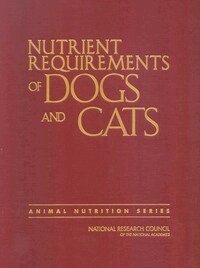
Updating recommendations last made by the National Research Council in the mid-1980s, this report provides nutrient recommendations based on physical activity and stage in life, major factors that influence nutrient needs. It looks at how nutrients are metabolized in the bodies of dogs and cats, indications of nutrient deficiency, and diseases related to poor nutrition. The report provides a valuable resource for industry professionals formulating diets, scientists setting research agendas, government officials developing regulations for pet food labeling, and as a university textbook for dog and cat nutrition. It can also guide pet owners feeding decisions for their pets with information on specific nutrient needs, characteristics of different types of pet foods, and factors to consider when feeding cats and dogs.
785 kr
Tillfälligt slut
Air Emissions from Animal Feeding Operations: Current Knowledge, Future Needs discusses the need for the U.S. Environmental Protection Agency to implement a new method for estimating the amount of ammonia, nitrous oxide, methane, and other pollutants emitted from livestock and poultry farms, and for determining how these emissions are dispersed in the atmosphere. The committee calls for the EPA and the U.S. Department of Agriculture to establish a joint council to coordinate and oversee short - and long-term research to estimate emissions from animal feeding operations accurately and to develop mitigation strategies. Their recommendation was for the joint council to focus its efforts first on those pollutants that pose the greatest risk to the environment and public health.
1 203 kr
Skickas
Updating recommendations last made by the National Research Council in the mid-1980s, this report provides nutrient recommendations based on physical activity and stage in life, major factors that influence nutrient needs. It looks at how nutrients are metabolized in the bodies of dogs and cats, indications of nutrient deficiency, and diseases related to poor nutrition. The report provides a valuable resource for industry professionals formulating diets, scientists setting research agendas, government officials developing regulations for pet food labeling, and as a university textbook for dog and cat nutrition. It can also guide pet owners feeding decisions for their pets with information on specific nutrient needs, characteristics of different types of pet foods, and factors to consider when feeding cats and dogs.