Committee to Conduct an Independent Assessment of the Nation's Wake Turbulence Research and Development Program – författare
Visar alla böcker från författaren Committee to Conduct an Independent Assessment of the Nation's Wake Turbulence Research and Development Program. Handla med fri frakt och snabb leverans.
3 produkter
Information om vår produktsortering
Lär dig mer om vår produktsortering och varför vissa produkter visas och prioriteras framför andra.
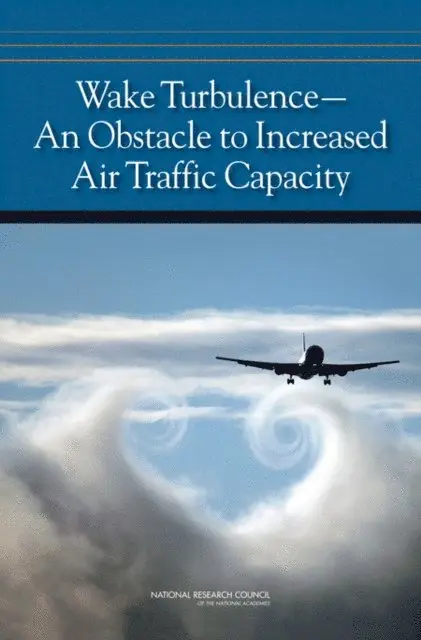
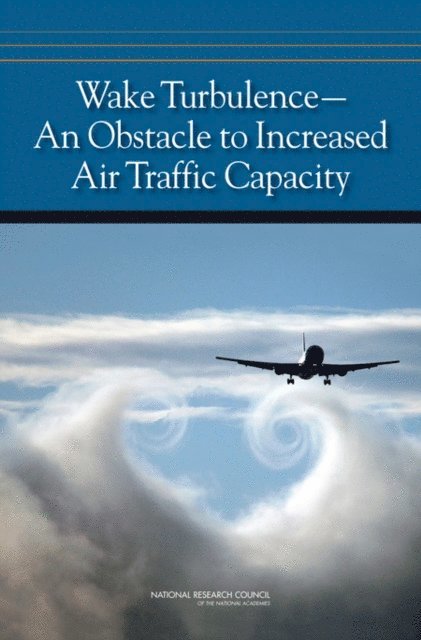
Without major changes, the current air transportation system will be unable to accommodate the expected increase in demand by 2025. One proposal to address this problem is to use the Global Positioning System to enable aircraft to fly more closely spaced. This approach, however, might be limited by the wake turbulence problem, which can be a safety hazard when smaller aircraft follow relatively larger aircraft too closely. To examine how this potential hazard might be reduced, Congress in 2005 directed NASA to request a study from the NRC to assess the federal wake turbulence R&D program. This book provides a description of the problem, an assessment of the organizational challenges to addressing wake turbulence, an analysis of the technical challenges in wake turbulence, and a proposal for a wake turbulence program plan. A series of recommendations for addressing the wake turbulence challenge are also given.