Creston Davis – författare
Visar alla böcker från författaren Creston Davis. Handla med fri frakt och snabb leverans.
12 produkter
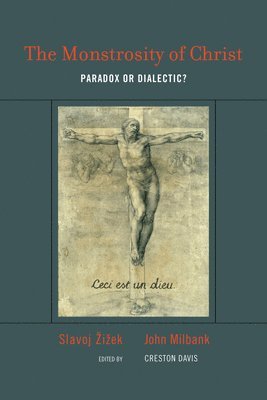
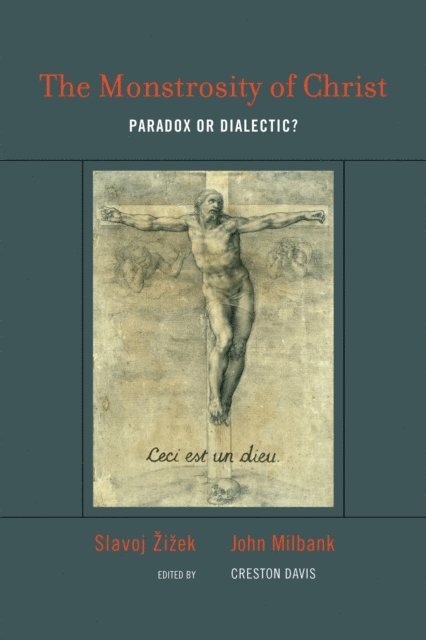
Monstrosity of Christ
Paradox or Dialectic?
Av Slavoj Žižek, John Milbank m. fl.
Häftad, 2011
448 kr
Lägg i varukorg
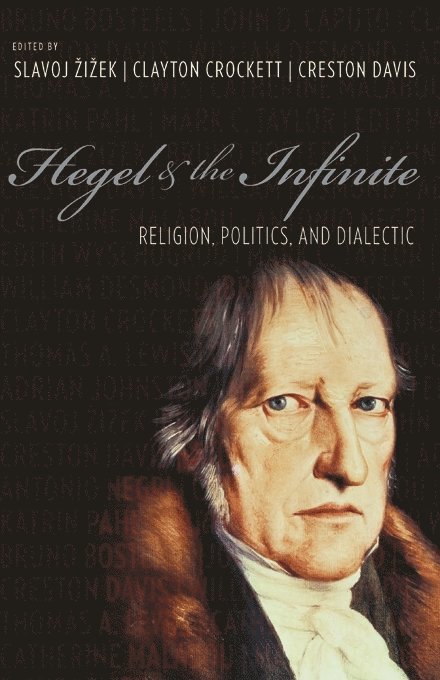
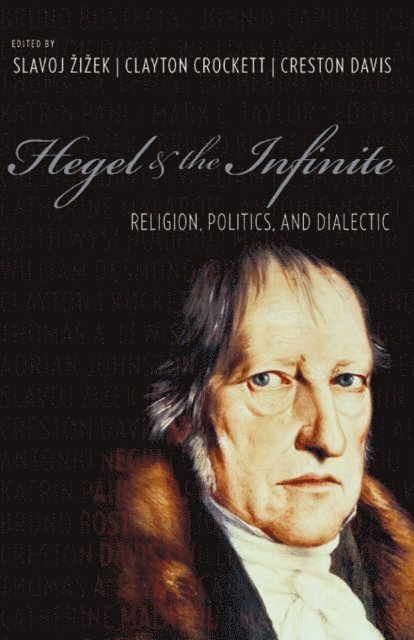
Hegel and the Infinite
Religion, Politics, and Dialectic
Av Slavoj Žižek, Clayton Crockett m. fl.
Inbunden, 2011
1920 kr
Lägg i varukorg
Catherine Malabou, Antonio Negri, John D. Caputo, Bruno Bosteels, Mark C. Taylor, and Slavoj Zizek join seven others-including William Desmond, Katrin Pahl, Adrian Johnston, Edith Wyschogrod, and Thomas A. Lewis-to apply Hegel's thought to twenty-first-century philosophy, politics, and religion. …
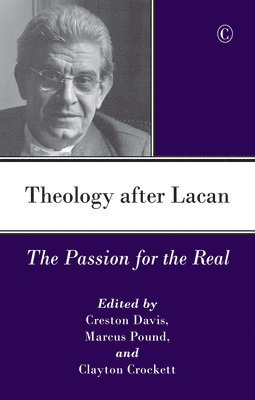
Theology After Lacan
The Passion for the Real
Av Clayton Crockett, Creston Davis m. fl.
Häftad, 2015
356 kr
Lägg i varukorg
Diverse and groundbreaking essays exploring the influence of the 20th century French psychoanalyst Jacques Lacan on theology and the study of religion.This groundbreaking volume highlights the continuing relevance of Jacques Lacan (1901-1981), a French psychiatrist and psychoanalyst whose …
Hegel and the Infinite
Religion, Politics, and Dialectic
Av Slavoj Žižek, Clayton Crockett m. fl.
Häftad, 2011
265 kr
Lägg i varukorg
Catherine Malabou, Antonio Negri, John D. Caputo, Bruno Bosteels, Mark C. Taylor, and Slavoj Zizek join seven others-including William Desmond, Katrin Pahl, Adrian Johnston, Edith Wyschogrod, and Thomas A. Lewis-to apply Hegel's thought to twenty-first-century philosophy, politics, and religion. …
Hegel and the Infinite
Religion, Politics, and Dialectic
Av Creston Davis, Clayton Crockett m. fl.
E-bok, 2011
398 kr
Lägg i varukorg
Catherine Malabou, Antonio Negri, John D. Caputo, Bruno Bosteels, Mark C. Taylor, and Slavoj Zizek join seven others—including William Desmond, Katrin Pahl, Adrian Johnston, Edith Wyschogrod, and Thomas A. Lewis—to apply Hegel''s thought to twenty-first-century philosophy, politics, and religion. …
Monstrosity of Christ
Av John Milbank, Slavoj Zizek m. fl.
E-bok, 2011
350 kr
Lägg i varukorg
A militant Marxist atheist and a “Radical Orthodox” Christian theologian square off on everything from the meaning of theology and Christ to the war machine of corporate mafia. “What matters is not so much that Žižek is endorsing a demythologized, disenchanted Christianity without transcendence, as …
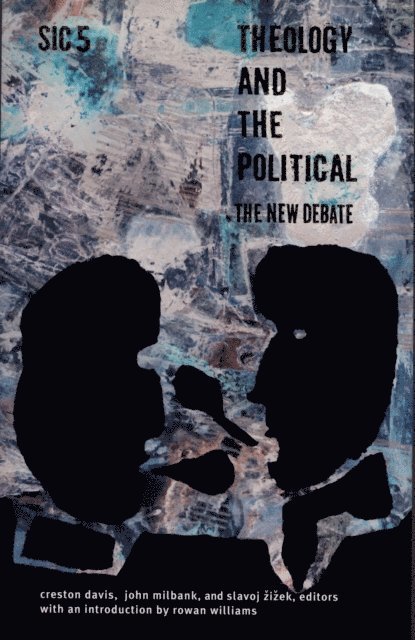
Theology and the Political
The New Debate, Sic V
Av Creston Davis, John Milbank m. fl.
Häftad, 2005
440 kr
Lägg i varukorg
The essays in Theology and the Political-written by some of the world’s foremost theologians, philosophers, and literary critics-analyze the ethics and consequences of human action. They explore the spiritual dimensions of ontology, considering the relationship between ontology and the political in …
Theology and the Political
The New Debate, sic v
Av Slavoj Zizek, John Milbank m. fl.
E-bok, 2005
637 kr
Lägg i varukorg
The essays in Theology and the Political —written by some of the world’s foremost theologians, philosophers, and literary critics—analyze the ethics and consequences of human action. They explore the spiritual dimensions of ontology, considering the relationship between ontology and the political …
Theology after Lacan
The Passion for the Real
Av Clayton Crockett, Marcus Pound m. fl.
E-bok, 2014
593 kr
Lägg i varukorg
This groundbreaking volume highlights the contemporary relevance of Jacques Lacan (1901-1981), whose linguistic reworking of Freudian analysis radicalized both psychoanalysis and its approach to theology. Part I: Lacan, Religion, and Others explores the application of Lacan's thought to the …
Theology and the Political
The New Debate, Sic V
Av Creston Davis, John Milbank m. fl.
Inbunden, 2005
1458 kr
Tillfälligt slut
The essays in Theology and the Political-written by some of the world’s foremost theologians, philosophers, and literary critics-analyze the ethics and consequences of human action. They explore the spiritual dimensions of ontology, considering the relationship between ontology and the political in …