Csaba Békés – författare
Visar alla böcker från författaren Csaba Békés. Handla med fri frakt och snabb leverans.
10 produkter
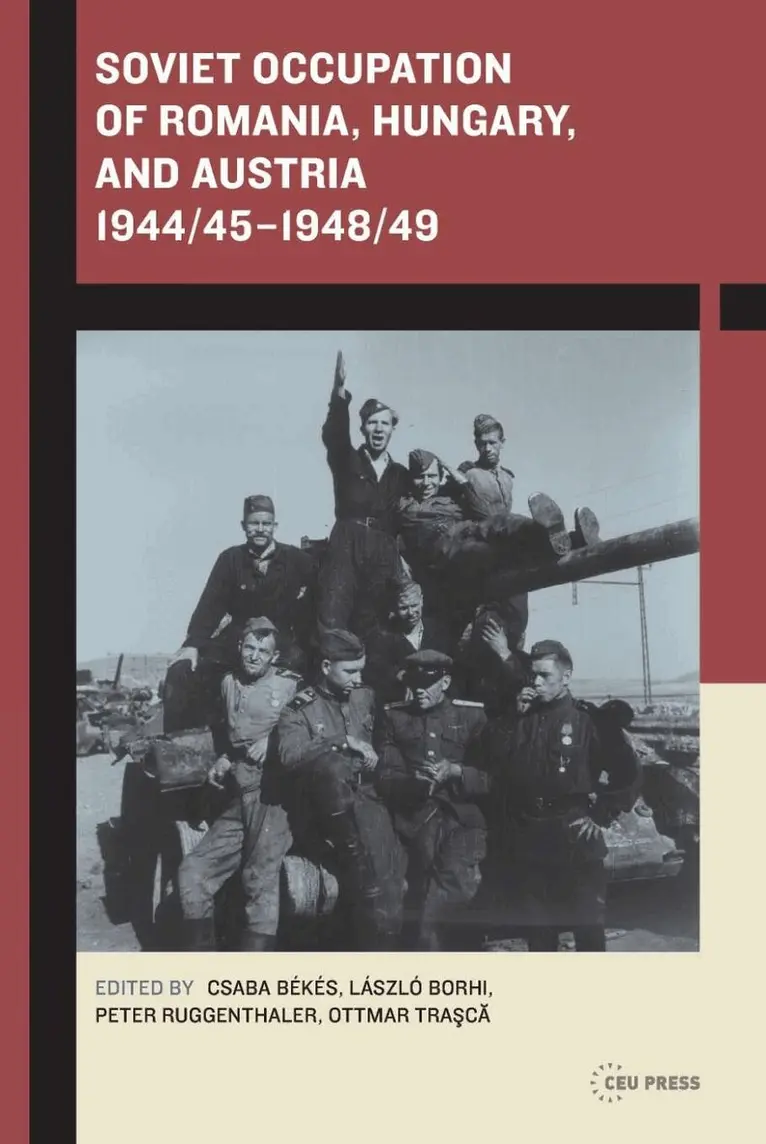
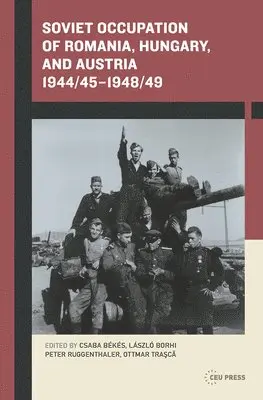
Soviet Occupation of Romania, Hungary, and Austria 1944/45–1948/49
Av László Borhi, Ottmar Trasca m. fl.
Häftad, 2015
1056 kr
Lägg i varukorg
This book compares the various aspects – political, military economic – of Soviet occupation in Austria, Hungary and Romania. Using documents found in Austrian, Hungarian, Romanian and Russian archives the authors argue that the nature of Soviet foreign policy has been misunderstood. Existing …
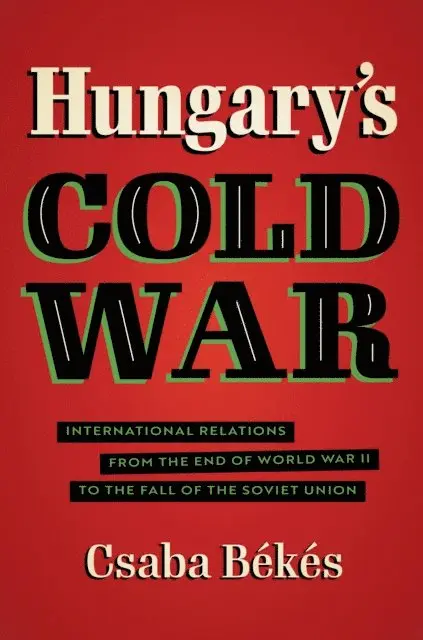
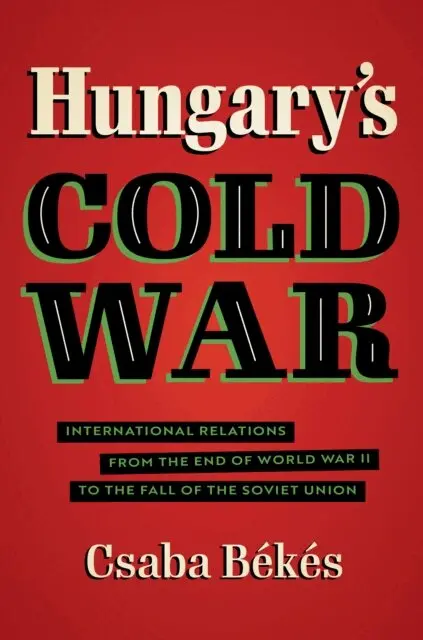
Hungary's Cold War
International Relations from the End of World War II to the Fall of the Soviet Union
Av Csaba Békés
Inbunden, 2022
1154 kr
Lägg i varukorg
In this magisterial and pathbreaking work, Csaba Bekes shares decades of his research to provide a sweeping examination of Hungary's international relations with both the Soviet Bloc and the West from the end of World War II to the dissolution of the Soviet Union in 1991. Unlike many studies of the …
Hungary's Cold War
International Relations from the End of World War II to the Fall of the Soviet Union
Av Csaba Békés
Häftad, 2022
515 kr
Lägg i varukorg
In this magisterial and pathbreaking work, Csaba Bekes shares decades of his research to provide a sweeping examination of Hungary's international relations with both the Soviet Bloc and the West from the end of World War II to the dissolution of the Soviet Union in 1991. Unlike many studies of the …
Hungary's Cold War
International Relations from the End of World War II to the Fall of the Soviet Union
Av Csaba Bekes
E-bok, 2022
402 kr
Lägg i varukorg
In this magisterial and pathbreaking work, Csaba Békés shares decades of his research to provide a sweeping examination of Hungary’s international relations with both the Soviet Bloc and the West from the end of World War II to the dissolution of the Soviet Union in 1991. Unlike many studies of the …
Hungary's Cold War
International Relations from the End of World War II to the Fall of the Soviet Union
Av Csaba Bekes
E-bok, 2022
2072 kr
Lägg i varukorg
In this magisterial and pathbreaking work, Csaba Békés shares decades of his research to provide a sweeping examination of Hungary’s international relations with both the Soviet Bloc and the West from the end of World War II to the dissolution of the Soviet Union in 1991. Unlike many studies of the …
Palgrave Handbook of Non-State Actors in East-West Relations
Av Péter Marton, Gry Thomasen m. fl.
Inbunden, 2024
4335 kr
Lägg i varukorg
The Handbook introduces to readers (accessibly for specialist and non-specialist scholars, students and layman audiences) the diverse universe of non-state actors (NSAs) that have played or are currently playing a significant role in the context of East-West relations (from 1945 to the present). …
Palgrave Handbook of Non-State Actors in East-West Relations
Av Andras Racz, Csaba Bekes m. fl.
E-bok, 2024
5703 kr
Lägg i varukorg
The Handbook introduces to readers (accessibly for specialist and non-specialist scholars, students and layman audiences) the diverse universe of non-state actors (NSAs) that have played or are currently playing a significant role in the context of East-West relations (from 1945 to the present). …
Soviet Occupation of Romania, Hungary, and Austria 1944/45–1948/49
Av László Borhi, Ottmar Trasca m. fl.
Inbunden, 2015
2135 kr
Lägg i varukorg
This book compares the various aspects – political, military economic – of Soviet occupation in Austria, Hungary and Romania. Using documents found in Austrian, Hungarian, Romanian and Russian archives the authors argue that the nature of Soviet foreign policy has been misunderstood. Existing …
Hungary's Cold War
International Relations from the End of World War II to the Fall of the Soviet Union
Av Csaba Bekes
E-bok, 2022
410 kr
Lägg i varukorg
In this magisterial and pathbreaking work, Csaba Békés shares decades of his research to provide a sweeping examination of Hungary’s international relations with both the Soviet Bloc and the West from the end of World War II to the dissolution of the Soviet Union in 1991. Unlike many studies of the …
Hungary's Cold War
International Relations from the End of World War II to the Fall of the Soviet Union
Av Csaba Bekes
E-bok, 2022
2140 kr
Lägg i varukorg
In this magisterial and pathbreaking work, Csaba Békés shares decades of his research to provide a sweeping examination of Hungary’s international relations with both the Soviet Bloc and the West from the end of World War II to the dissolution of the Soviet Union in 1991. Unlike many studies of the …