Curtis C. McKnight – författare
Visar alla böcker från författaren Curtis C. McKnight. Handla med fri frakt och snabb leverans.
7 produkter
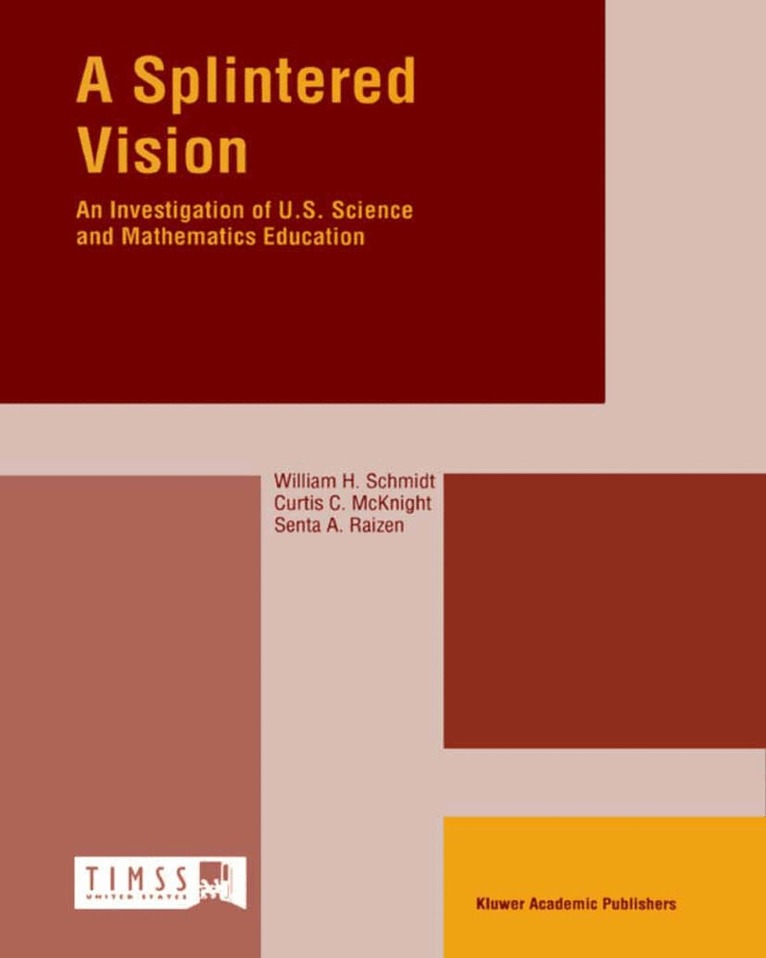
Splintered Vision
An Investigation of U.S. Science and Mathematics Education
Av S. Raizen, Curtis C. McKnight m. fl.
E-bok, 2007
1459 kr
Lägg i varukorg
A Splintered Vision: An Investigation of U.S. Science and Mathematics Education is the US report on the curriculum analysis component of the Third International Mathematics and Science Study (TIMSS) which was sponsored by the International Association for the Evaluation of Educational Achievement …
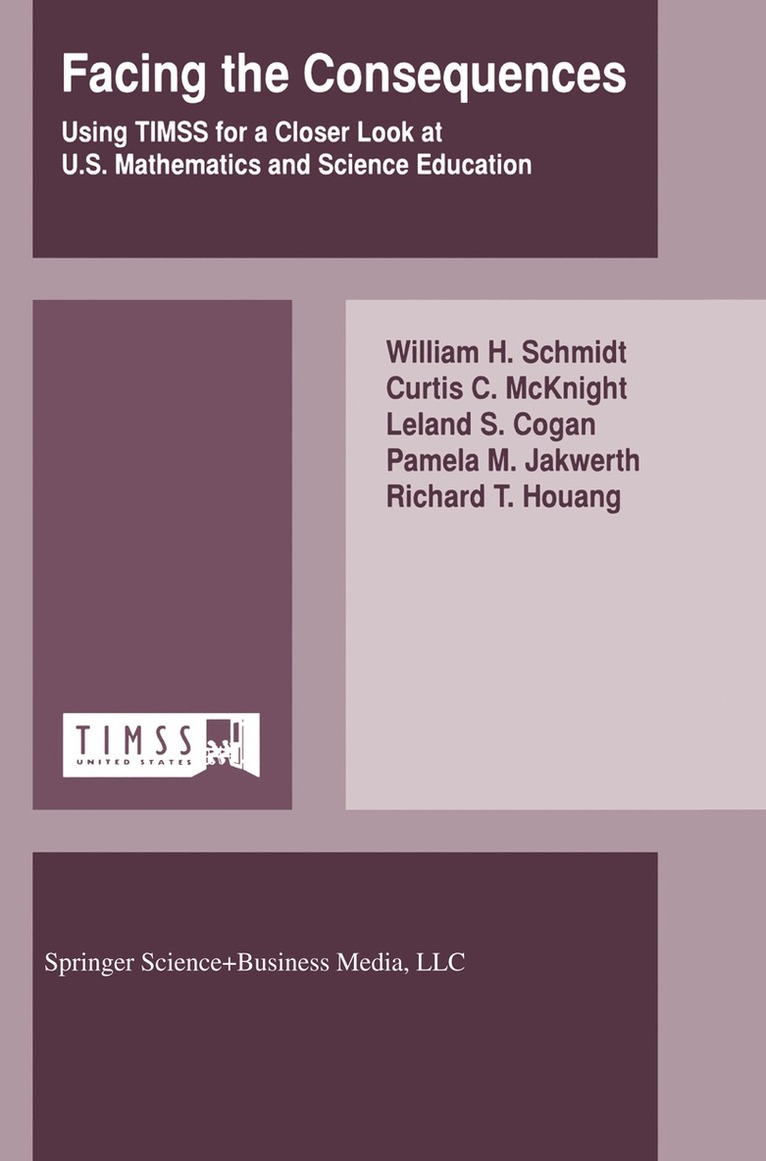
Facing the Consequences
Using TIMSS for a Closer Look at U.S. Mathematics and Science Education
Av Richard T. Houang, Pamela M. Jakwerth m. fl.
E-bok, 2007
634 kr
Lägg i varukorg
Facing the Consequences presents a perspective on US mathematics and science education that is developed from data gathered as part of the Third International Mathematics and Science Study (TIMSS). TIMSS is the most extensive and far-reaching cross-national comparative study of mathematics and …
Many Visions, Many Aims
A Cross-National Investigation of Curricular Intentions in School Mathematics
Av W.H. Schmidt, Curtis C. McKnight m. fl.
Inbunden, 1997
1098 kr
Lägg i varukorg
PREFACE The Third International Mathematics and Science Study (TIMSS), sponsored by the International Association for the Evaluation of Educational Achievement (lEA) and the gov ernments of the participating countries, is a comparative study of education in mathematics and the sciences conducted …
Many Visions, Many Aims
A Cross-National Investigation of Curricular Intentions in School Mathematics
Av W.H. Schmidt, Curtis C. McKnight m. fl.
Häftad, 1997
1098 kr
Lägg i varukorg
PREFACE The Third International Mathematics and Science Study (TIMSS), sponsored by the International Association for the Evaluation of Educational Achievement (lEA) and the gov ernments of the participating countries, is a comparative study of education in mathematics and the sciences conducted …
Splintered Vision
An Investigation of U.S. Science and Mathematics Education
Av W.H. Schmidt, Curtis C. McKnight m. fl.
Inbunden, 1997
1098 kr
Lägg i varukorg
The report summarizes data from the TIMSS curriculum analysis and integrates it with teacher questionnaire data from the US, Japan, and Germany on science and mathematics topic coverage and instructional practices. The authors provide evidence of the unfocused nature of US mathematics and science …
Splintered Vision
An Investigation of U.S. Science and Mathematics Education
Av W.H. Schmidt, Curtis C. McKnight m. fl.
Häftad, 1997
1098 kr
Lägg i varukorg
A Splintered Vision: An Investigation of U.S. Science and Mathematics Education is the US report on the curriculum analysis component of the Third International Mathematics and Science Study (TIMSS) which was sponsored by the International Association for the Evaluation of Educational Achievement …
Facing the Consequences
Using TIMSS for a Closer Look at U.S. Mathematics and Science Education
Av W.H. Schmidt, Curtis C. McKnight m. fl.
Häftad, 1999
552 kr
Lägg i varukorg
Facing the Consequences presents a perspective on US mathematics and science education that is developed from data gathered as part of the Third International Mathematics and Science Study (TIMSS). TIMSS is the most extensive and far-reaching cross-national comparative study of mathematics and …