Daniel Feldman – författare
Visar alla böcker från författaren . Handla med fri frakt och snabb leverans.
8 produkter
8 produkter
Inbunden, Engelska, 2026
2 486 kr
Kommande
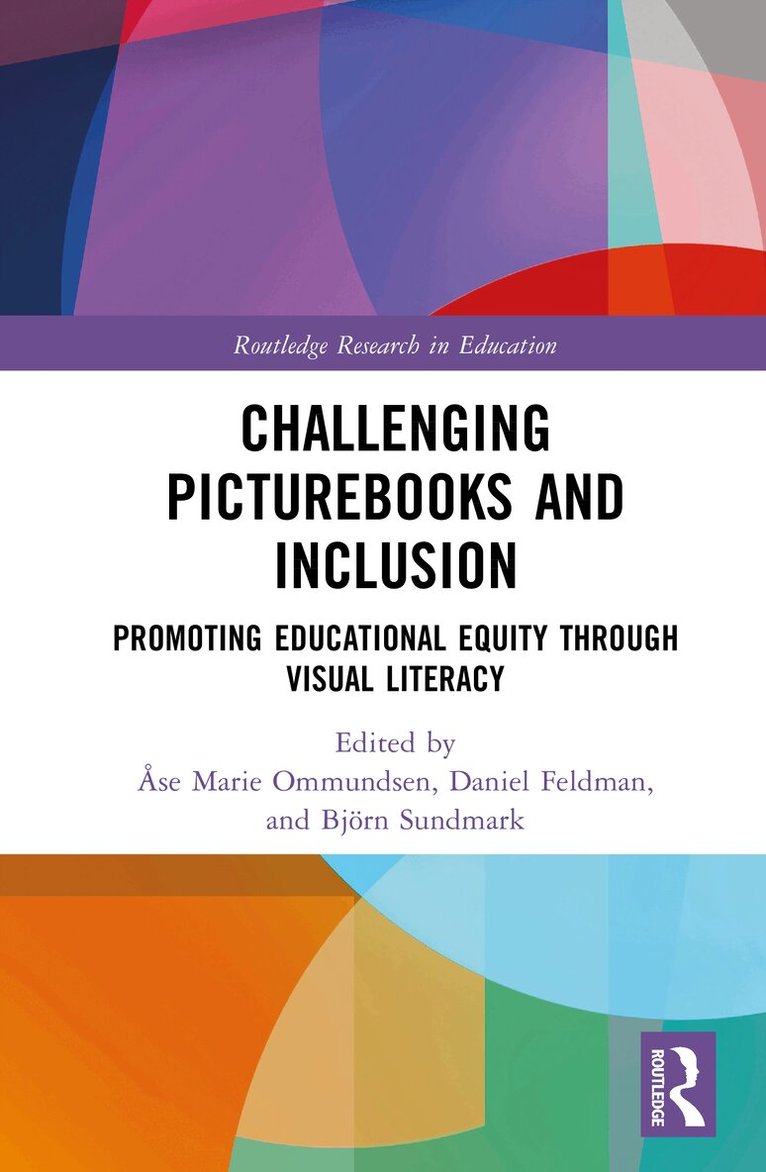
This book examines how challenging picturebooks—characterised by visual complexity, thematic depth, and formal innovation—forge pathways to inclusive learning across diverse educational settings.It highlights their potential to foster visual literacy, emotional engagement, and critical thinking. Drawing on international case studies, the volume combines theory and practice to show how picturebooks can challenge aesthetic norms, resist exclusionary narratives, and promote educational equity. Chapters explore their use in contexts shaped by war, disability, trauma, and contested identities, illustrating how multimodal storytelling can cultivate empathy, agency, and critical literacy.A valuable resource for researchers and educators in children’s literature and education, this collection offers practical insights into using picturebooks to advance inclusive pedagogy from early childhood through adult learning.
255 kr
Skickas inom 3-6 vardagar
Inbunden, Engelska, 2024
1 450 kr
Skickas inom 10-15 vardagar
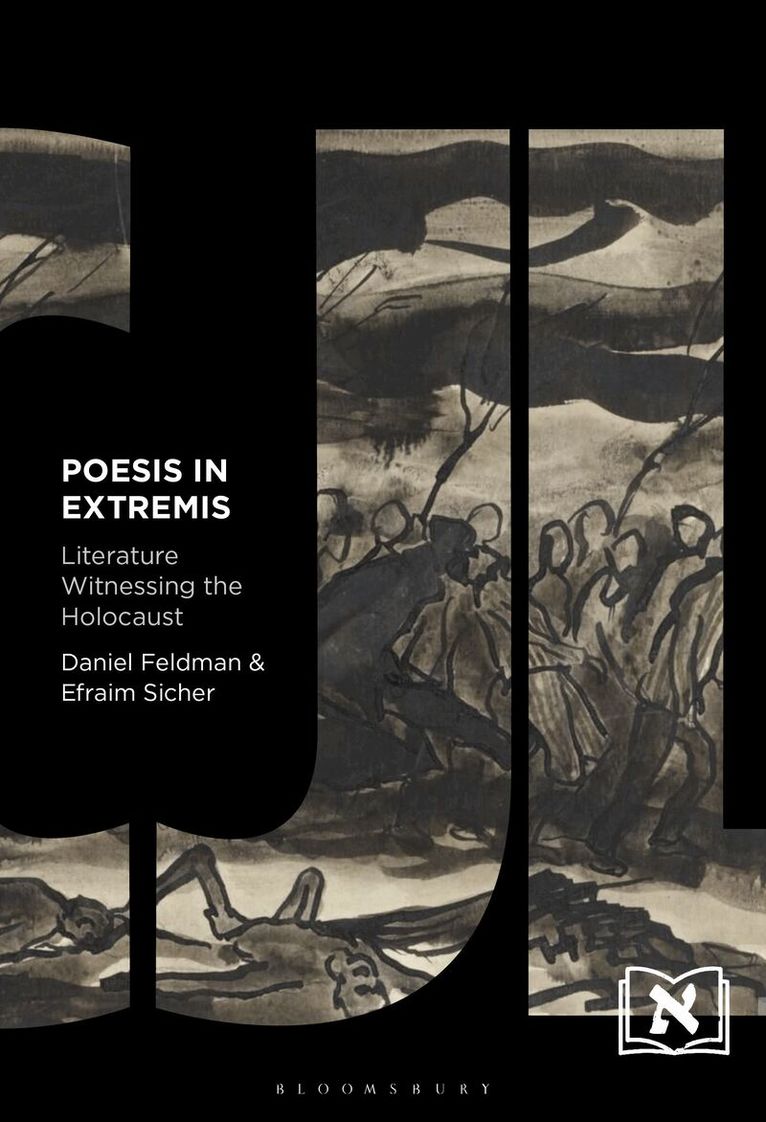
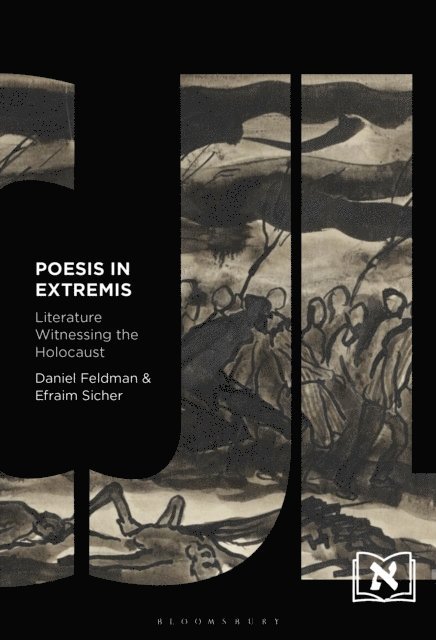
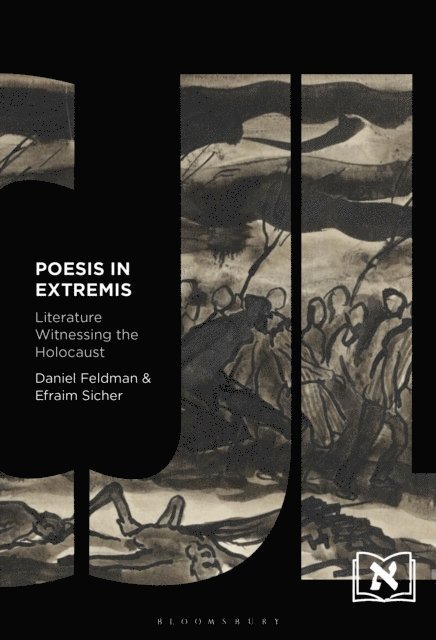
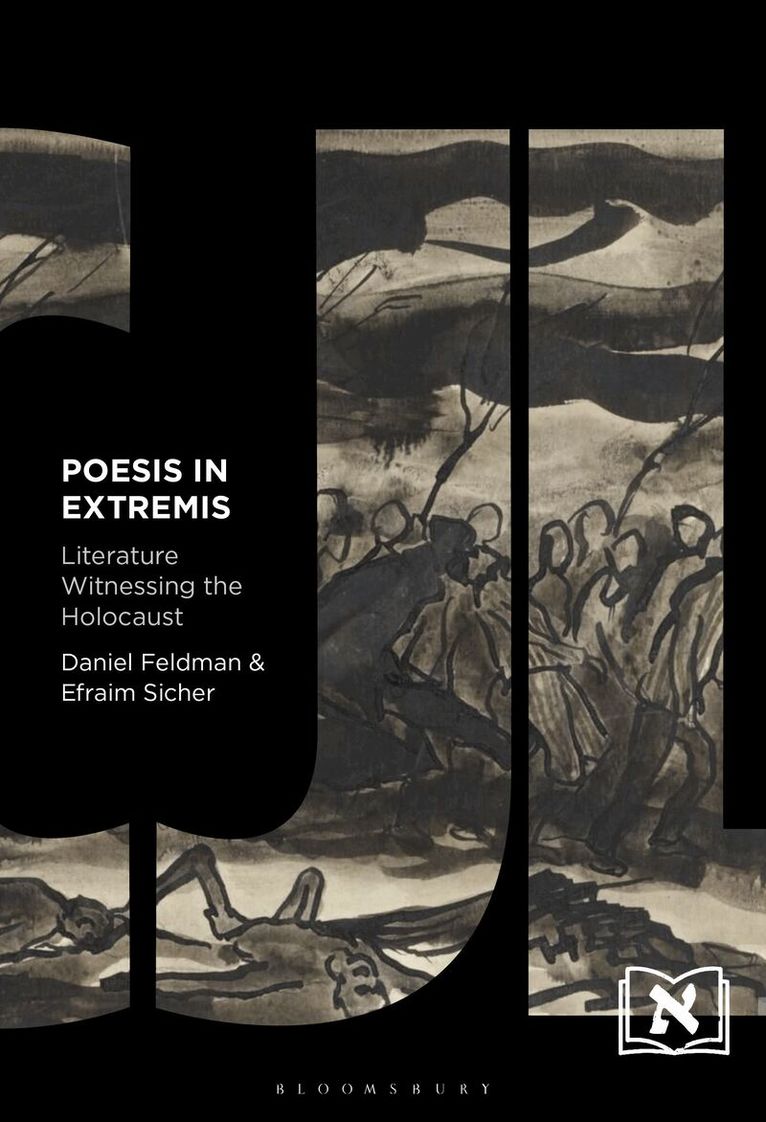
A Choice Outstanding Academic Title of 2025How can genocide be witnessed through imaginative literature? How can the Holocaust affect readers who were not there?Reading the work of major figures such as Elie Wiesel, Paul Celan, Avrom Sutzkever, Ida Fink, Wladyslaw Szlengel, Itzhak Katzenelson, and Czeslaw Milosz, Poesis in Extremis poses fundamental questions about how prose and poetry are written under extreme conditions, either in real time or immediately after the Holocaust. Framed by discussion of literary testimony, with Wiesel’s literary memoir Night as an entry point, this innovative study explores the blurred boundary of fact and fiction in Holocaust literature. It asks whether there is a poetics of the Holocaust and what might be the criteria for literary witnessing. Wartime writing in particular tests the limits of “poesis in extremis” when poets faced their own annihilation and wrote in the hope that their words, like a message in a bottle, would somehow reach readers. Through Poesis in Extremis, Daniel Feldman and Efraim Sicher probe the boundaries of Holocaust literature, as well as the limits of representation.
E-bok
Engelska, 2024481 kr
Läs direkt efter köp
How can genocide be witnessed through imaginative literature? How can the Holocaust affect readers who were not there?Reading the work of major figures such as Elie Wiesel, Paul Celan, Avrom Sutzkever, Ida Fink, Wladyslaw Szlengel, Itzhak Katzenelson, and Czeslaw Milosz, Poesis in Extremis poses fundamental questions about how prose and poetry are written under extreme conditions, either in real time or immediately after the Holocaust. Framed by discussion of literary testimony, with Wiesel''s literary memoir Night as an entry point, this innovative study explores the blurred boundary of fact and fiction in Holocaust literature. It asks whether there is a poetics of the Holocaust and what might be the criteria for literary witnessing. Wartime writing in particular tests the limits of “poesis in extremis” when poets faced their own annihilation and wrote in the hope that their words, like a message in a bottle, would somehow reach readers. Through Poesis in Extremis, Daniel Feldman and Efraim Sicher probe the boundaries of Holocaust literature, as well as the limits of representation.
E-bok
PDF, Engelska, 2024481 kr
Läs direkt efter köp
How can genocide be witnessed through imaginative literature? How can the Holocaust affect readers who were not there?Reading the work of major figures such as Elie Wiesel, Paul Celan, Avrom Sutzkever, Ida Fink, Wladyslaw Szlengel, Itzhak Katzenelson, and Czeslaw Milosz, Poesis in Extremis poses fundamental questions about how prose and poetry are written under extreme conditions, either in real time or immediately after the Holocaust. Framed by discussion of literary testimony, with Wiesel''s literary memoir Night as an entry point, this innovative study explores the blurred boundary of fact and fiction in Holocaust literature. It asks whether there is a poetics of the Holocaust and what might be the criteria for literary witnessing. Wartime writing in particular tests the limits of “poesis in extremis” when poets faced their own annihilation and wrote in the hope that their words, like a message in a bottle, would somehow reach readers. Through Poesis in Extremis, Daniel Feldman and Efraim Sicher probe the boundaries of Holocaust literature, as well as the limits of representation.
Häftad, Engelska, 2025
448 kr
Skickas inom 10-15 vardagar
A Choice Outstanding Academic Title of 2025How can genocide be witnessed through imaginative literature? How can the Holocaust affect readers who were not there?Reading the work of major figures such as Elie Wiesel, Paul Celan, Avrom Sutzkever, Ida Fink, Wladyslaw Szlengel, Itzhak Katzenelson, and Czeslaw Milosz, Poesis in Extremis poses fundamental questions about how prose and poetry are written under extreme conditions, either in real time or immediately after the Holocaust. Framed by discussion of literary testimony, with Wiesel’s literary memoir Night as an entry point, this innovative study explores the blurred boundary of fact and fiction in Holocaust literature. It asks whether there is a poetics of the Holocaust and what might be the criteria for literary witnessing. Wartime writing in particular tests the limits of “poesis in extremis” when poets faced their own annihilation and wrote in the hope that their words, like a message in a bottle, would somehow reach readers. Through Poesis in Extremis, Daniel Feldman and Efraim Sicher probe the boundaries of Holocaust literature, as well as the limits of representation.
Inbunden, Engelska
417 kr
Tillfälligt slut
Häftad, Engelska
417 kr
Tillfälligt slut