Inbunden, Engelska, 2026
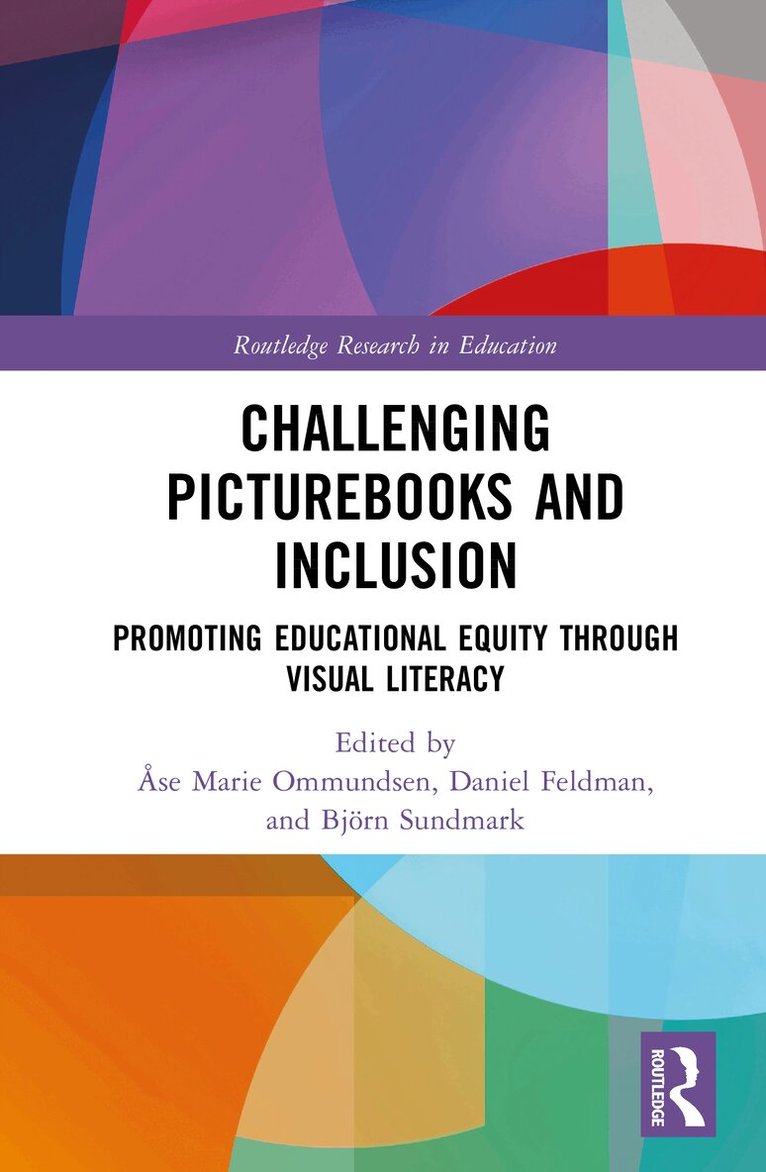
Challenging Picturebooks and Inclusion
Av Åse Marie Ommundsen, Daniel Feldman, Björn Sundmark
2399 kr
Kommande
Beskrivning
This book examines how challenging picturebooks—characterised by visual complexity, thematic depth, and formal innovation—forge pathways to inclusive learning across diverse educational settings.It highlights their potential to foster visual literacy, emotional engagement, and critical thinking. Drawing on international case studies, the volume combines theory and practice to show how picturebooks can challenge aesthetic norms, resist exclusionary narratives, and promote educational equity. Chapters explore their use in contexts shaped by war, disability, trauma, and contested identities, illustrating how multimodal storytelling can cultivate empathy, agency, and critical literacy.A valuable resource for researchers and educators in children’s literature and education, this collection offers practical insights into using picturebooks to advance inclusive pedagogy from early childhood through adult learning.
Produktinformation
- Utgivningsdatum: 2026-11-04
- Mått: 156 x 234 x undefined mm
- Format: Inbunden
- Språk: Engelska
- Serie: Routledge Research in Education
- Antal sidor: 304
- Förlag: Taylor & Francis Ltd
- ISBN: 9781041279945
Utforska kategorier
Betyg & recensioner
0 recensioner
Inga recensioner tillgängliga.