Danielle Herro - Böcker
Visar alla böcker från författaren Danielle Herro. Handla med fri frakt och snabb leverans.
6 produkter
6 produkter
377 kr
Skickas inom 7-10 vardagar
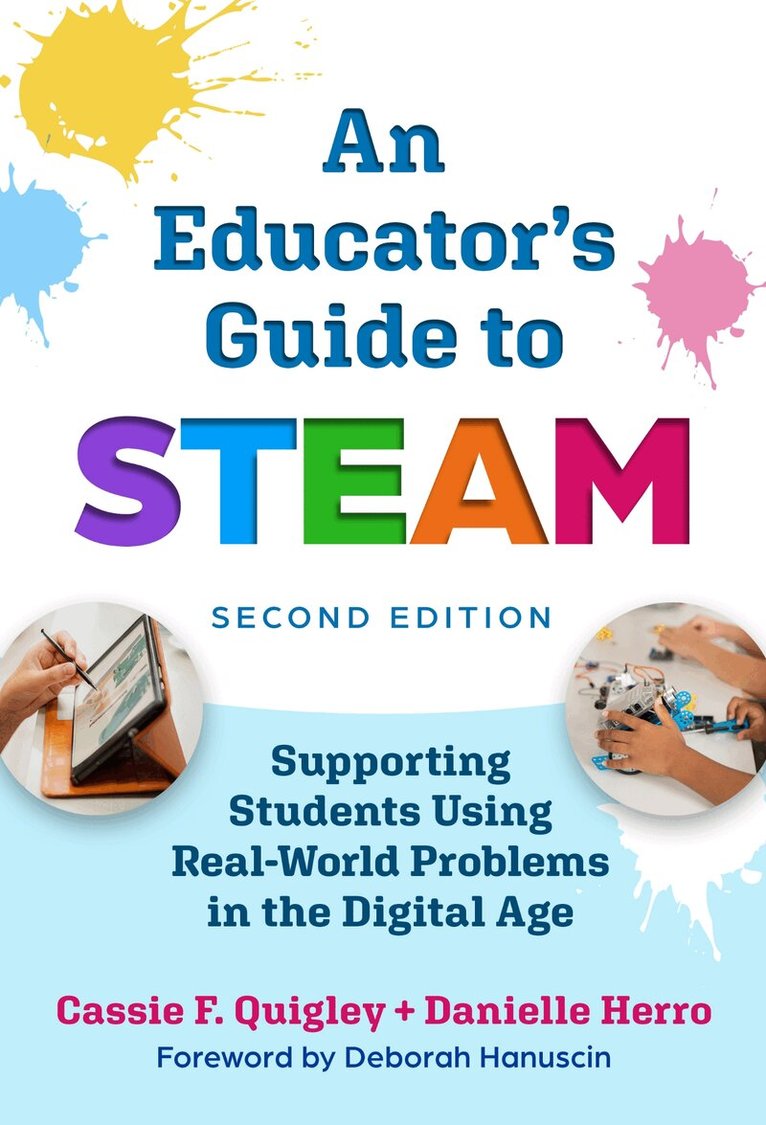
This practical book will help readers understand what STEAM is, how it differs from STEM, and how it can be used to engage students in K–8 classrooms. The authors present a conceptual model with classroom examples and specific strategies, such as problem-based learning, student choice, technology integration, and teacher facilitation.
1 263 kr
Skickas inom 11-20 vardagar
This practical book will help readers understand what STEAM is, how it differs from STEM, and how it can be used to engage students in K–8 classrooms. The authors present a conceptual model with classroom examples and specific strategies, such as problem-based learning, student choice, technology integration, and teacher facilitation.
Educator's Guide to STEAM
Engaging Students Using Real-World Problems in the Digital Age
Häftad, Engelska, 2025
416 kr
Skickas inom 7-10 vardagar
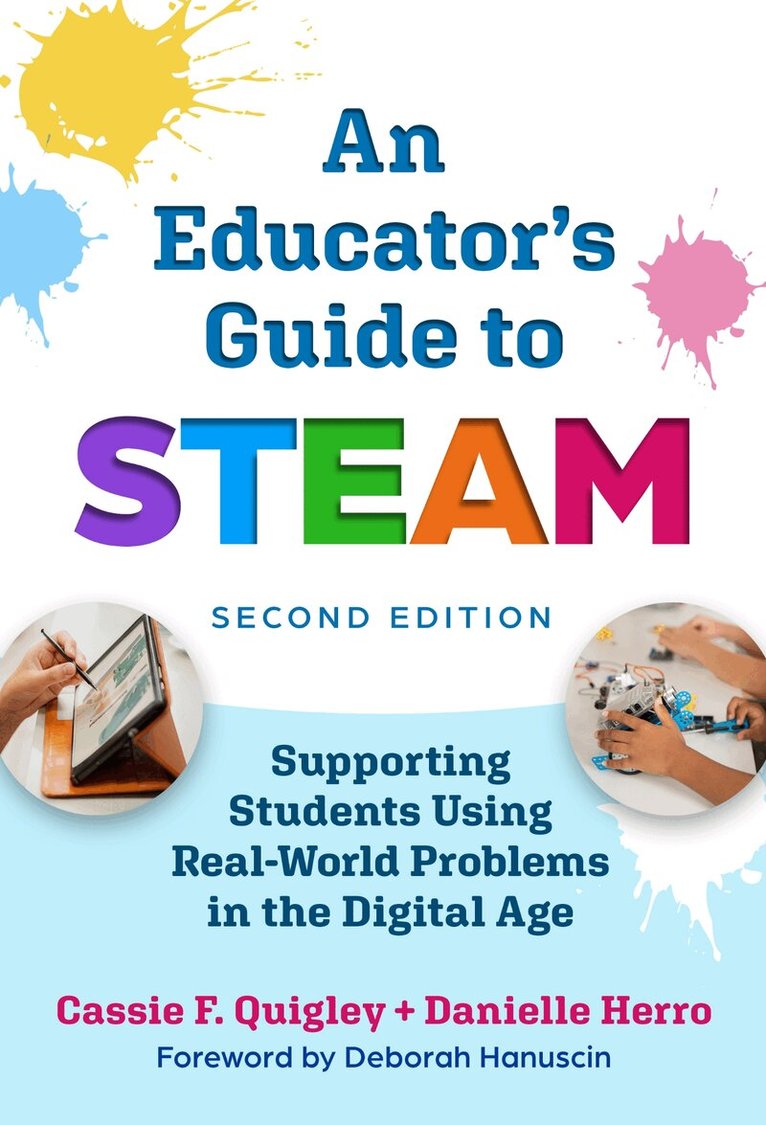
This practical book will help readers understand what STEAM is, how it differs from STEM, and how it can be used to engage students in K–8 classrooms.Readers will find easy-to-understand examples of what STEAM education looks like in a variety of classrooms and will hear from teachers, instructional coaches, principals, and administrators about what it takes to ensure that STEAM is a schoolwide success. Each chapter of this popular text incorporates elements of connected learning—a type of learning that draws on students’ interests that teachers can capitalize on when using STEAM to address real-world problems.This updated and expanded edition is essential reading for teachers who want to keep pace with fast-moving technological advancements and honor their students’ interests and cultures. The authors provide updated problem-solving scenarios to assist with STEAM curriculum design; additional information on AI-powered tools, with guidance for effective implementation; attention to current topics in science such as climate change, cybersecurity, and the ethical implications of AI; and lesson plans and activities to enhance the guide’s practical application in today’s classrooms.Book Features:A practical teaching guide that uses classroom scenarios relevant to today’s students.A conceptual model with specific strategies, such as problem-based learning, student choice, technology integration, and teacher facilitation.Updated with an increased focus on emerging technologies, culturally relevant strategies, and lessons from classrooms.Materials to support authentic assessment such as rubrics, STEAM units, and formative assessment examples.
Educator's Guide to STEAM
Engaging Students Using Real-World Problems in the Digital Age
Inbunden, Engelska, 2025
1 208 kr
Skickas inom 7-10 vardagar
This practical book will help readers understand what STEAM is, how it differs from STEM, and how it can be used to engage students in K–8 classrooms.Readers will find easy-to-understand examples of what STEAM education looks like in a variety of classrooms and will hear from teachers, instructional coaches, principals, and administrators about what it takes to ensure that STEAM is a schoolwide success. Each chapter of this popular text incorporates elements of connected learning—a type of learning that draws on students’ interests that teachers can capitalize on when using STEAM to address real-world problems.This updated and expanded edition is essential reading for teachers who want to keep pace with fast-moving technological advancements and honor their students’ interests and cultures. The authors provide updated problem-solving scenarios to assist with STEAM curriculum design; additional information on AI-powered tools, with guidance for effective implementation; attention to current topics in science such as climate change, cybersecurity, and the ethical implications of AI; and lesson plans and activities to enhance the guide’s practical application in today’s classrooms.Book Features:A practical teaching guide that uses classroom scenarios relevant to today’s students.A conceptual model with specific strategies, such as problem-based learning, student choice, technology integration, and teacher facilitation.Updated with an increased focus on emerging technologies, culturally relevant strategies, and lessons from classrooms.Materials to support authentic assessment such as rubrics, STEAM units, and formative assessment examples.
599 kr
Skickas inom 7-10 vardagar
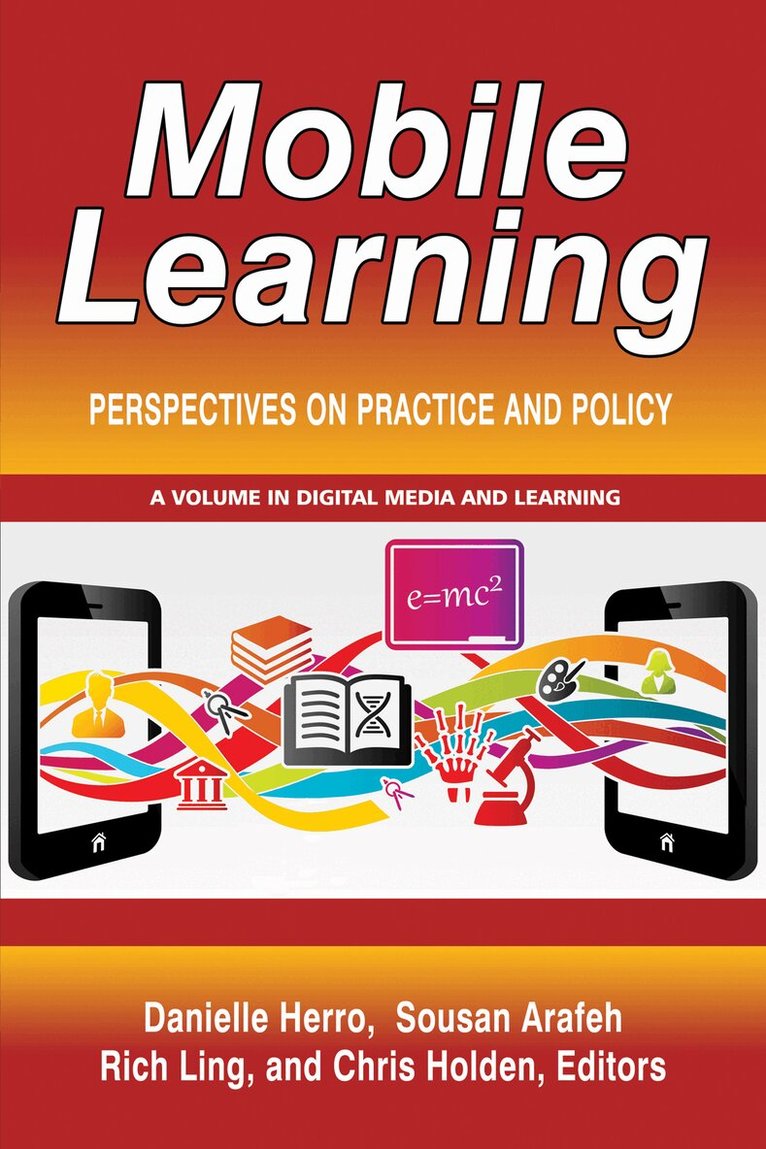
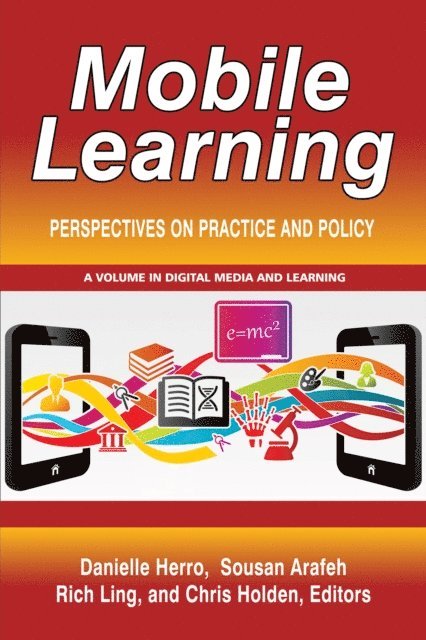
There can be no doubt that mobile technologies are here to stay. Global mobile traffic grew 74 percent in 2015 alone, with 563 million devices and connections added -- most of them tablets and Smartphones. This growth has been 4000-fold in the past 10 years and 400 million-fold in the past 15 years (Cisco, 2016). Mobile technologies permeate the lives of 21st century citizens as mainstays of organizational and institutional day-to-day operations, commerce, and communication and as tools used to support individuals’ personal, social, and career responsibilities. In both the corporate and educational worlds, e- and m-learning and marketing with mobile technologies are moving forward at breakneck speed with, in many cases, a blurring of traditional sector boundaries.As neither the technology nor the uses are static, exploring practices and policies that underpin this quickly shifting mobile technology context is crucial for ensuring its intelligent, purposeful, and equitable use. This edited book provides a venue for researchers to share their work on mobile learning with a focus on uses for mobiles in informal settings and PK-20 classrooms, language learning, mobile gaming, leadership and policy issues, and what mobile learning in the future may be. It assists researchers and educators to consider and answer questions such as: What is “mobile learning” today? How can mobiles be used to enable learning? How is mobile learning crossing or connecting economic, social, and/or cultural sectors? How do specific cultural practices with media influence mobile learning (e.g., youth practices, educator practices, parent practices, community practices)? What are policy and leadership implications in supporting mobile learning? What policies, practices, and/or pedagogical approaches are necessary to move forward with mobiles in schools or universities? In what ways is mobile learning impacting education; including how students learn and teachers teach? What will/ should/might mobile learning look like in the future?
1 059 kr
Skickas inom 7-10 vardagar
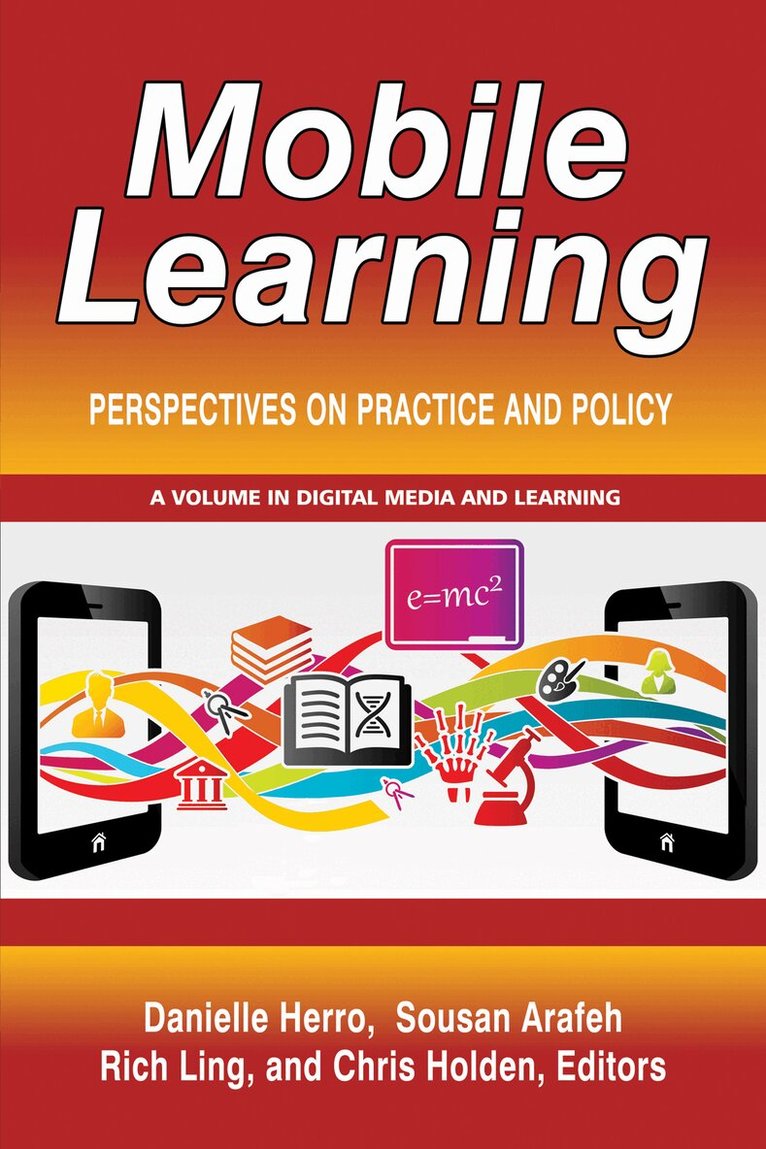
There can be no doubt that mobile technologies are here to stay. Global mobile traffic grew 74 percent in 2015 alone, with 563 million devices and connections added -- most of them tablets and Smartphones. This growth has been 4000-fold in the past 10 years and 400 million-fold in the past 15 years (Cisco, 2016). Mobile technologies permeate the lives of 21st century citizens as mainstays of organizational and institutional day-to-day operations, commerce, and communication and as tools used to support individuals’ personal, social, and career responsibilities. In both the corporate and educational worlds, e- and m-learning and marketing with mobile technologies are moving forward at breakneck speed with, in many cases, a blurring of traditional sector boundaries.As neither the technology nor the uses are static, exploring practices and policies that underpin this quickly shifting mobile technology context is crucial for ensuring its intelligent, purposeful, and equitable use. This edited book provides a venue for researchers to share their work on mobile learning with a focus on uses for mobiles in informal settings and PK-20 classrooms, language learning, mobile gaming, leadership and policy issues, and what mobile learning in the future may be. It assists researchers and educators to consider and answer questions such as: What is “mobile learning” today? How can mobiles be used to enable learning? How is mobile learning crossing or connecting economic, social, and/or cultural sectors? How do specific cultural practices with media influence mobile learning (e.g., youth practices, educator practices, parent practices, community practices)? What are policy and leadership implications in supporting mobile learning? What policies, practices, and/or pedagogical approaches are necessary to move forward with mobiles in schools or universities? In what ways is mobile learning impacting education; including how students learn and teachers teach? What will/ should/might mobile learning look like in the future?