David A Atwood - Böcker
Visar alla böcker från författaren David A Atwood. Handla med fri frakt och snabb leverans.
9 produkter
9 produkter
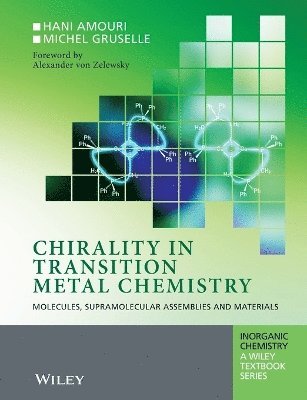
Chirality in Transition Metal Chemistry
Molecules, Supramolecular Assemblies and Materials
Inbunden, Engelska, 2008
1 849 kr
Tillfälligt slut
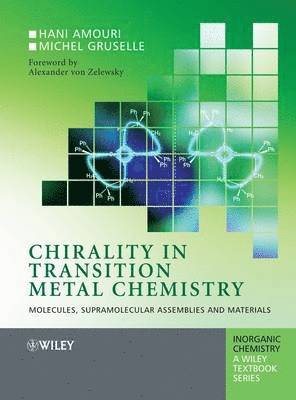
Chirality in Transition Metal Chemistry is an essential introduction to this increasingly important field for students and researchers in inorganic chemistry. Emphasising applications and real-world examples, the book begins with an overview of chirality, with a discussion of absolute configurations and system descriptors, physical properties of enantiomers, and principles of resolution and preparation of enantiomers. The subsequent chapters deal with the the specifics of chirality as it applies to transition metals.Some reviews of Chirality in Transition Metal Chemistry"...useful to students taking an advanced undergraduate course and particularly to postgraduates and academics undertaking research in the areas of chiral inorganic supramolecular complexes and materials." Chemistry World, August 2009"... the book offers an extremely exciting new addition to the study of inorganic chemistry, and should be compulsory reading for students entering their final year of undergraduate studies or starting a Ph.D. in structural inorganic chemistry."Applied Organometallic Chemistry Volume 23, Issue 5, May 2009"... In conclusion the book gives a wonderful overview of the topic. It is helpful for anyone entering the field through systematic and detailed introduction of basic information. It was time to publish a new and topical text book covering the important aspect of coordination chemistry. It builds bridges between Inorganic, organic and supramolecular chemistry. I can recommend the book to everybody who is interested in the chemistry of chiral coordination compounds."Angew. chem. Volume 48, Issue, April 2009About the SeriesChirality in Transition Metal Chemistry is the latest addition to the Wiley Inorganic Chemistry Advanced Textbook series. This series reflects the pivotal role of modern inorganic and physical chemistry in a whole range of emerging areas such as materials chemistry, green chemistry and bioinorganic chemistry, as well as providing a solid grounding in established areas such as solid state chemistry, coordination chemistry, main group chemistry and physical inorganic chemistry.
Chirality in Transition Metal Chemistry
Molecules, Supramolecular Assemblies and Materials
Häftad, Engelska, 2008
795 kr
Skickas inom 7-10 vardagar
Chirality in Transition Metal Chemistry is an essential introduction to this increasingly important field for students and researchers in inorganic chemistry. Emphasising applications and real-world examples, the book begins with an overview of chirality, with a discussion of absolute configurations and system descriptors, physical properties of enantiomers, and principles of resolution and preparation of enantiomers. The subsequent chapters deal with the the specifics of chirality as it applies to transition metals.Some reviews of Chirality in Transition Metal Chemistry"...useful to students taking an advanced undergraduate course and particularly to postgraduates and academics undertaking research in the areas of chiral inorganic supramolecular complexes and materials." Chemistry World, August 2009"... the book offers an extremely exciting new addition to the study of inorganic chemistry, and should be compulsory reading for students entering their final year of undergraduate studies or starting a Ph.D. in structural inorganic chemistry."Applied Organometallic Chemistry Volume 23, Issue 5, May 2009"... In conclusion the book gives a wonderful overview of the topic. It is helpful for anyone entering the field through systematic and detailed introduction of basic information. It was time to publish a new and topical text book covering the important aspect of coordination chemistry. It builds bridges between Inorganic, organic and supramolecular chemistry. I can recommend the book to everybody who is interested in the chemistry of chiral coordination compounds."Angew. chem. Volume 48, Issue, April 2009About the SeriesChirality in Transition Metal Chemistry is the latest addition to the Wiley Inorganic Chemistry Advanced Textbook series. This series reflects the pivotal role of modern inorganic and physical chemistry in a whole range of emerging areas such as materials chemistry, green chemistry and bioinorganic chemistry, as well as providing a solid grounding in established areas such as solid state chemistry, coordination chemistry, main group chemistry and physical inorganic chemistry.
2 227 kr
Skickas inom 5-8 vardagar
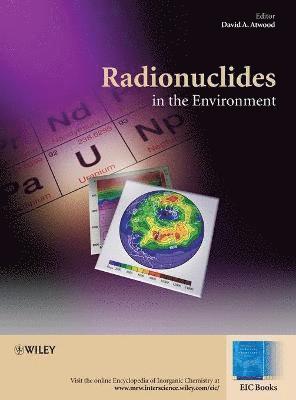
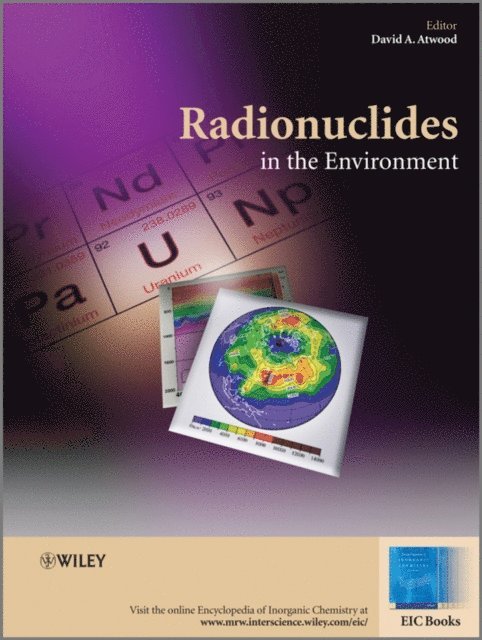
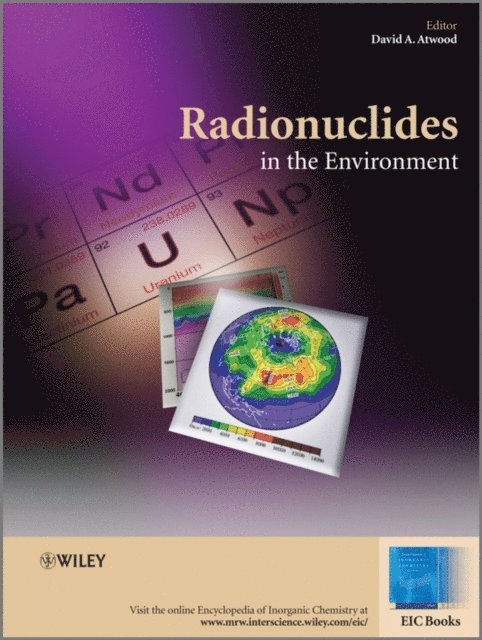
Nuclear energy is the one energy source that could meet the world's growing energy needs and provide a smooth transition from fossil fuels to renewable energy in the coming decades and centuries. It is becoming abundantly clear that an increase in nuclear energy capacity will, and probably must, take place. However, nuclear energy and the use of radionuclides for civilian and military purposes lead to extremely long-lived waste that is costly and highly problematic to deal with. Therefore, it is critically important ot understand the environmental implications of radionuclides for ecosystems and human health if nuclear energy is to be used to avoid the impending global energy crisis. The present volume of the EIC Books series addresses this critical need by providing fundamental information on environmentally significant radionuclides.The content of this book was developed in collaboration with many of the authors of the chapters. Given the enormity of the subject the Editor and the Authors had to be judicious in selecting the chapters that would appropriately encompass and describe the primary topics, particularly those that are of importance to the health of ecosystems and humans. The resulting chapters were chosen to provide this information in a book of useful and appropriate length. Each chapter provides fundamental information on the chemistry of the radionuclides, their occurrence and movement in the enivornment, separation and analyses, and the technologies needed for their remediation and mitigation. The chapters are structured with a common, systematic format in order to facilitate comparions between elements and groups of elements.About EIC BooksThe Encyclopedia of Inorganic Chemistry (EIC) has proved to be one of the defining standards in inorganic chemistry, and most chemistry libraries around the world have access either to the first of second print editon, or to the online version. Many readers, however, prefer to have more concise thematic volumes, targeted to their specific area of interest. This feedback from EIC readers has encouraged the Editors to plan a series of EIC Books, focusing on topics of current interest. They will appear on a regular basis, and will feature leading scholars in their fields. Like the Encyclopedia, EIC Books aims to provide both the starting research student and the confirmed research worker with a critical distillation of the leading concepts in inorganic and bioinorganic chemistry, and provide a structured entry into the fields covered.This volume is also available as part of Encyclopedia of Inorganic Chemistry, 5 Volume Set.This set combines all volumes published as EIC Books from 2007 to 2010, representing areas of key developments in the field of inorganic chemistry published in the Encyclopedia of Inorganic Chemistry. Find out more.
2 121 kr
Skickas inom 11-20 vardagar
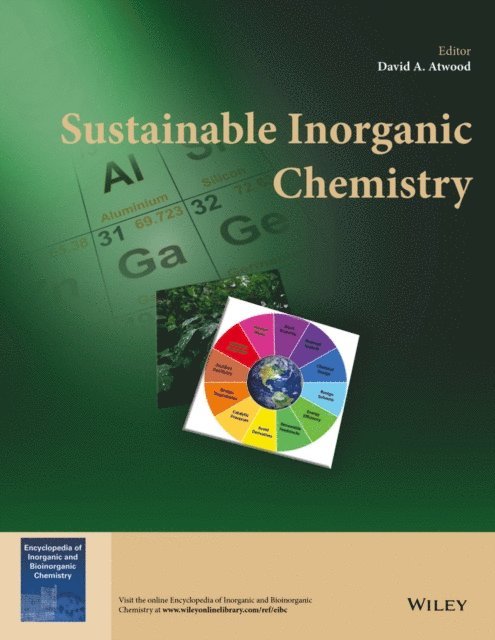
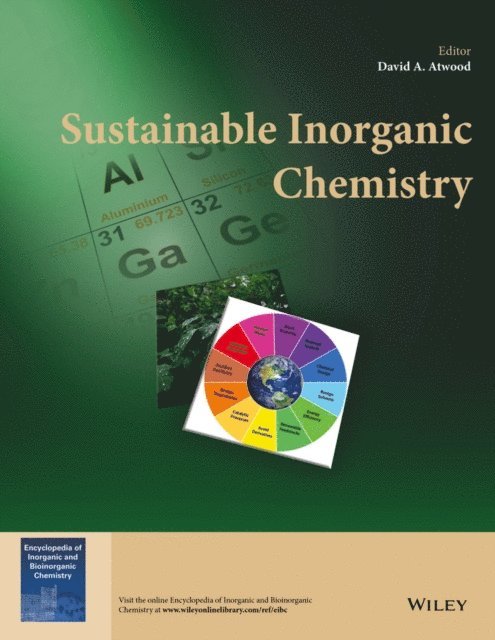
The Earth's natural resources are finite and easily compromised by contamination from industrial chemicals and byproducts from the degradation of consumer products. The growing field of green and sustainable chemistry seeks to address this through the development of products and processes that are environmentally benign while remaining economically viable. Inorganic chemistry plays a critical role in this endeavor in areas such as resource extraction and isolation, renewable energy, catalytic processes, waste minimization and avoidance, and renewable industrial feedstocks.Sustainable Inorganic Chemistry presents a comprehensive overview of the many new developments taking place in this rapidly expanding field, in articles that discuss fundamental concepts alongside cutting-edge developments and applications. The volume includes educational reviews from leading scientists on a broad range of topics including: inorganic resources, sustainable synthetic methods, alternative reaction conditions, heterogeneous catalysis, photocatalysis, sustainable nanomaterials, renewable and clean fuels, water treatment and remediation, waste valorization and life cycle sustainability assessment.The content from this book will be added online to the Encyclopedia of Inorganic and Bioinorganic Chemistry.
2 126 kr
Tillfälligt slut
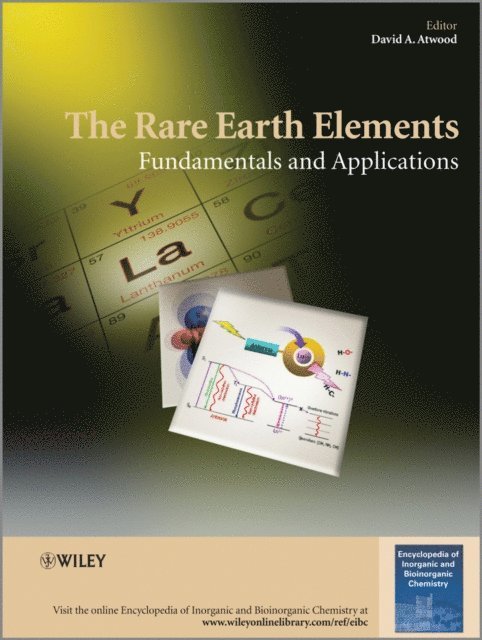
Lanthanides are of great importance for the electronic industries, this new book (from the EIBC Book Series) provides a comprehensive coverage of the basic chemistry, particularly inorganic chemistry, of the lanthanoid elements, those having a 4f shell of electrons. A chapter is describing the similarity of the Group 3 elements, Sc, Y, La, the group from which the lanthanoids originate and the group 13 elements, particularly aluminum, having similar properties. Inclusion of the group 3 and 13 elements demonstrates how the lanthanoid elements relate to other, more common, elements in the Periodic Table. Beginning chapters describe the occurrence and mineralogy of the elements, with a focus on structural features observed in compounds described in later chapters. The majority of the chapters is organized by the oxidation state of the elements, Ln(0), Ln(II), Ln(III), and Ln(IV). Within this organization the chapters are further distinguished by type of compound, inorganic (oxides and hydroxides, aqueous speciation, halides, alkoxides, amides and thiolates, and chelates) and organometallic. Concluding chapters deal with diverse and critically important applications of the lanthanoids in electronic and magnetic materials, and medical imaging.
3 149 kr
Skickas inom 10-15 vardagar
2 101 kr
Skickas inom 10-15 vardagar
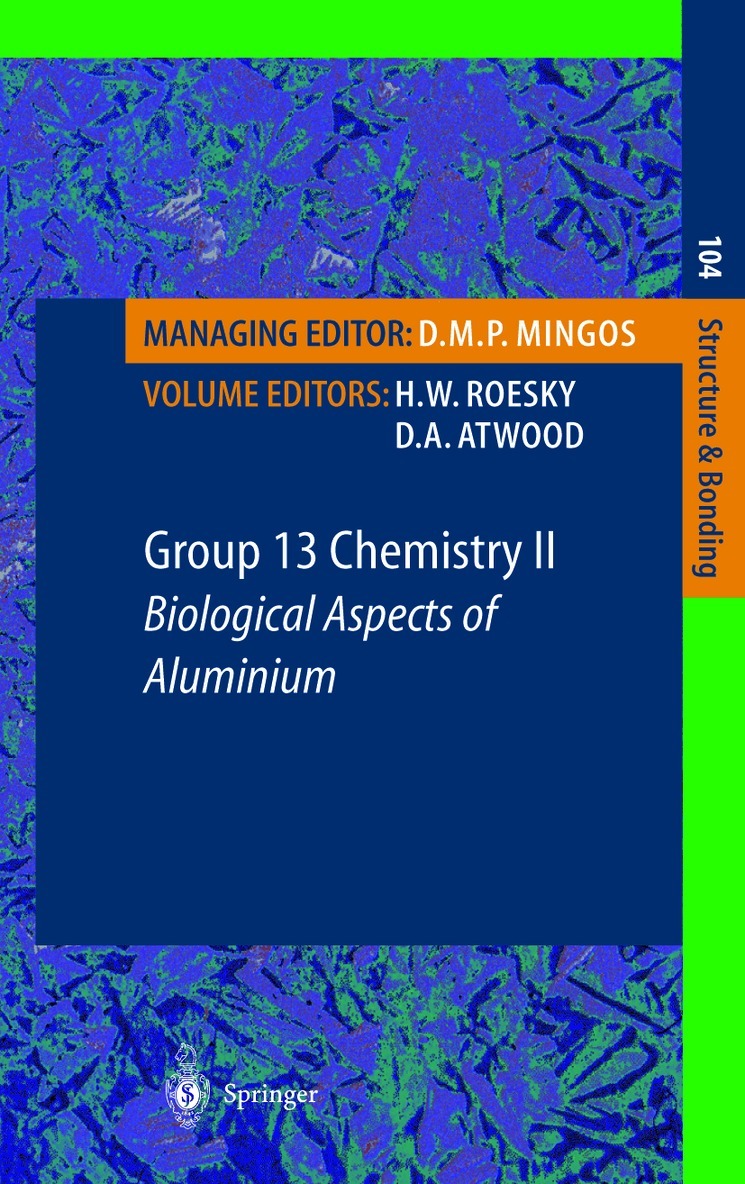
Aluminum, bound almost exclusively to oxygen in various combinations, is the most abundant metal in the earth's crust and, therefore, of great commercial potential. Once methods were developed (in the 1880's) to free useable quantities of the element from oxygen, applications for the element began developing rapidly. This growth has resulted in the ubiquity of the metal in today's world. Therefore it can be found intentionally introduced in many products in direct contact with human beings. It is commonly known that soluble forms of aluminum aretoxic to living organisms. However, aluminum is not known to be bioavailable under everyday conditions. In fact, the solubility product of common aluminum compounds, such as AI(OH)3 is so low as to make it essentially unavailable. This volume of Structure and Bonding seeks to provide in one source, a resource where the basic science related to aluminum toxicity may be obtained. It should be stressed that this volume is not intended to be a warning to avoid contact with aluminum. Living organisms have adequate defenses to prevent aluminum toxicity under normal conditions. Rather the volume was created to simply provide an understanding of the biological effects of aluminum. As such, the present volume should be considered in the context of the companion volumes in this three part series of Structure and Bonding. The first volume was devoted to fundamental developments in group 13 chemistry.
3 112 kr
Skickas inom 5-8 vardagar
2 101 kr
Skickas inom 10-15 vardagar
Aluminum, bound almost exclusively to oxygen in various combinations, is the most abundant metal in the earth's crust and, therefore, of great commercial potential. Once methods were developed (in the 1880's) to free useable quantities of the element from oxygen, applications for the element began developing rapidly. This growth has resulted in the ubiquity of the metal in today's world. Therefore it can be found intentionally introduced in many products in direct contact with human beings. It is commonly known that soluble forms of aluminum aretoxic to living organisms. However, aluminum is not known to be bioavailable under everyday conditions. In fact, the solubility product of common aluminum compounds, such as AI(OH)3 is so low as to make it essentially unavailable. This volume of Structure and Bonding seeks to provide in one source, a resource where the basic science related to aluminum toxicity may be obtained. It should be stressed that this volume is not intended to be a warning to avoid contact with aluminum. Living organisms have adequate defenses to prevent aluminum toxicity under normal conditions. Rather the volume was created to simply provide an understanding of the biological effects of aluminum. As such, the present volume should be considered in the context of the companion volumes in this three part series of Structure and Bonding. The first volume was devoted to fundamental developments in group 13 chemistry.