David B. Williams - Böcker
Visar alla böcker från författaren David B. Williams. Handla med fri frakt och snabb leverans.
20 produkter
20 produkter
1 279 kr
Skickas inom 7-10 vardagar
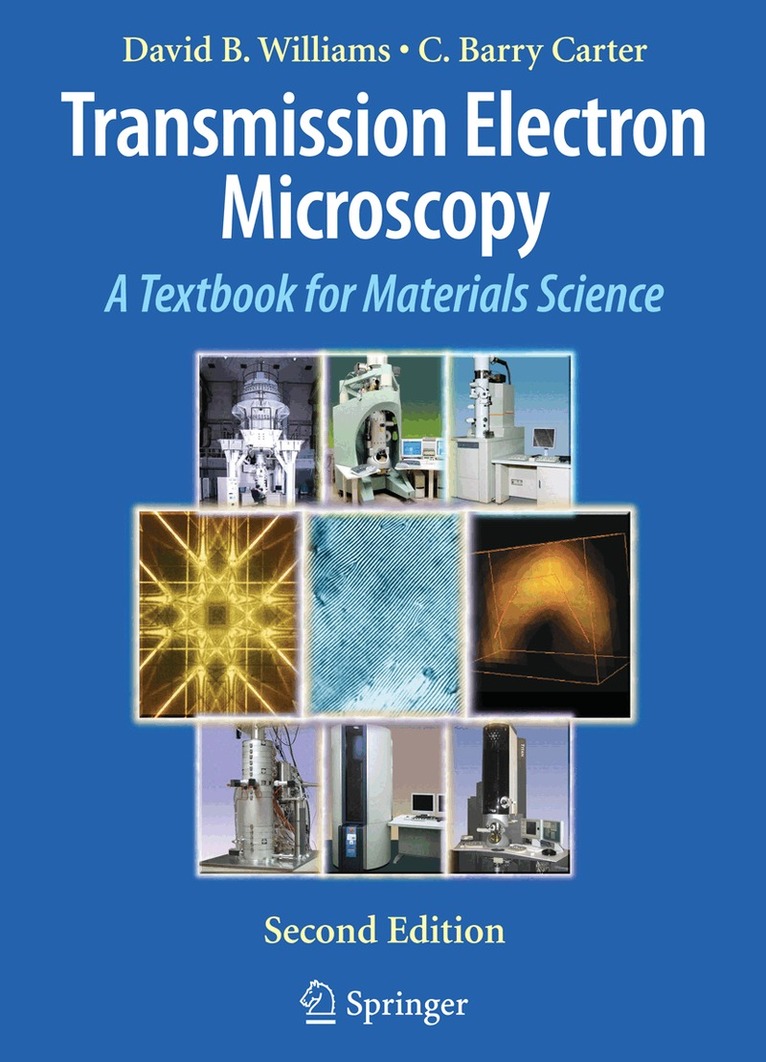
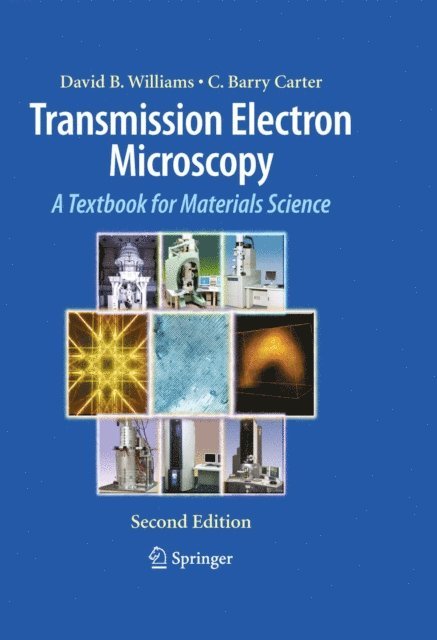
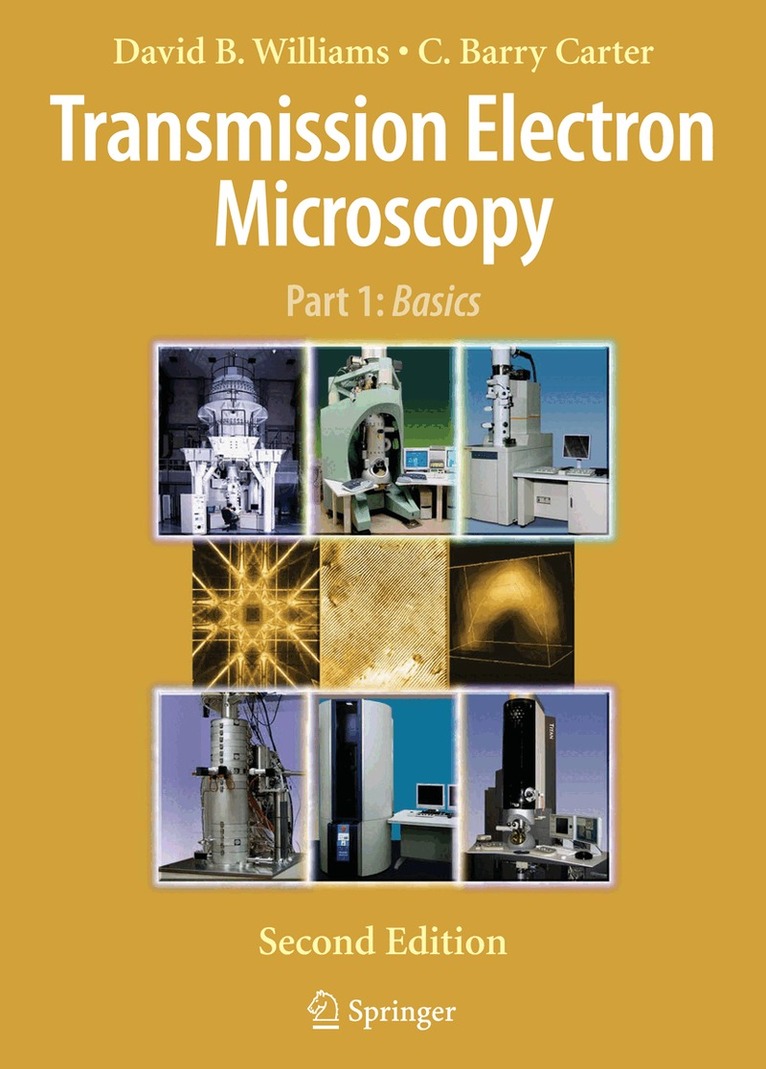
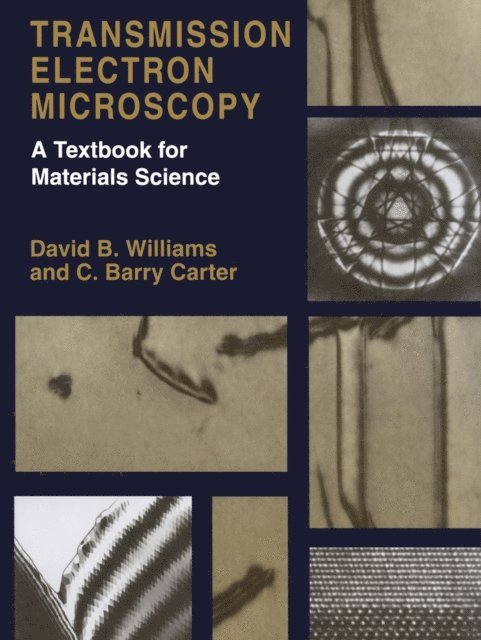
This groundbreaking text has been established as the market leader throughout the world. Profusely illustrated, Transmission Electron Microscopy: A Textbook for Materials Science provides the necessary instructions for successful hands-on application of this versatile materials characterization technique. For this first new edition in 12 years, many sections have been completely rewritten with all others revised and updated. The new edition also includes an extensive collection of questions for the student, providing approximately 800 self-assessment questions and over 400 questions that are suitable for homework assignment. Four-color illustrations throughout also enhance the new edition.Praise for the first edition:`The best textbook for this audience available.' – American Scientist`Ideally suited to the needs of a graduate level course. It is hard to imagine this book not fulfilling most of the requirements of a text for such a course.' – Microscope`This book is written in such a comprehensive manner that it is understandable to all people who are trained in physical science and it will be useful both for the expert as well as the student.' – Micron`The book answers nearly any question - be it instrumental, practical, or theoretical - either directly or with an appropriate reference...This book provides a basic, clear-cut presentation of how transmission electron microscopes should be used and of how this depends specifically on one's specific undergoing project.' – MRS Bulletin, May 1998`The only complete text now available which includes all the remarkable advances made in the field of TEM in the past 30-40 years....The authors can be proud of an enormous task, very well done.' – from the Foreword by Professor Gareth Thomas, University of California, Berkeley
855 kr
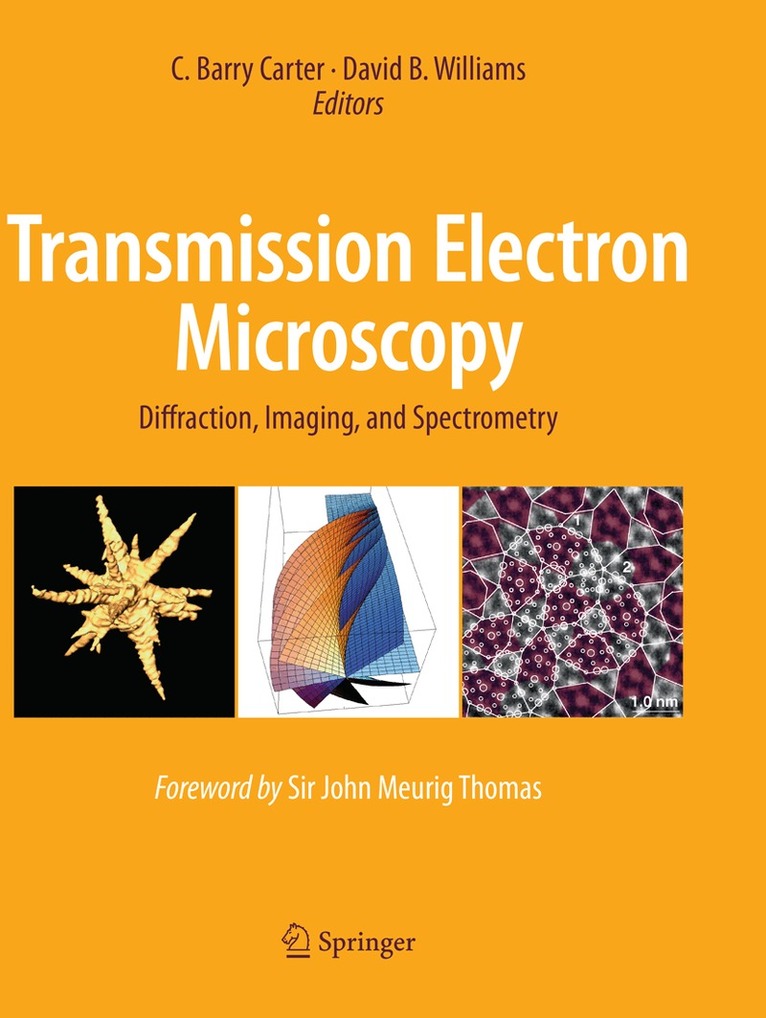
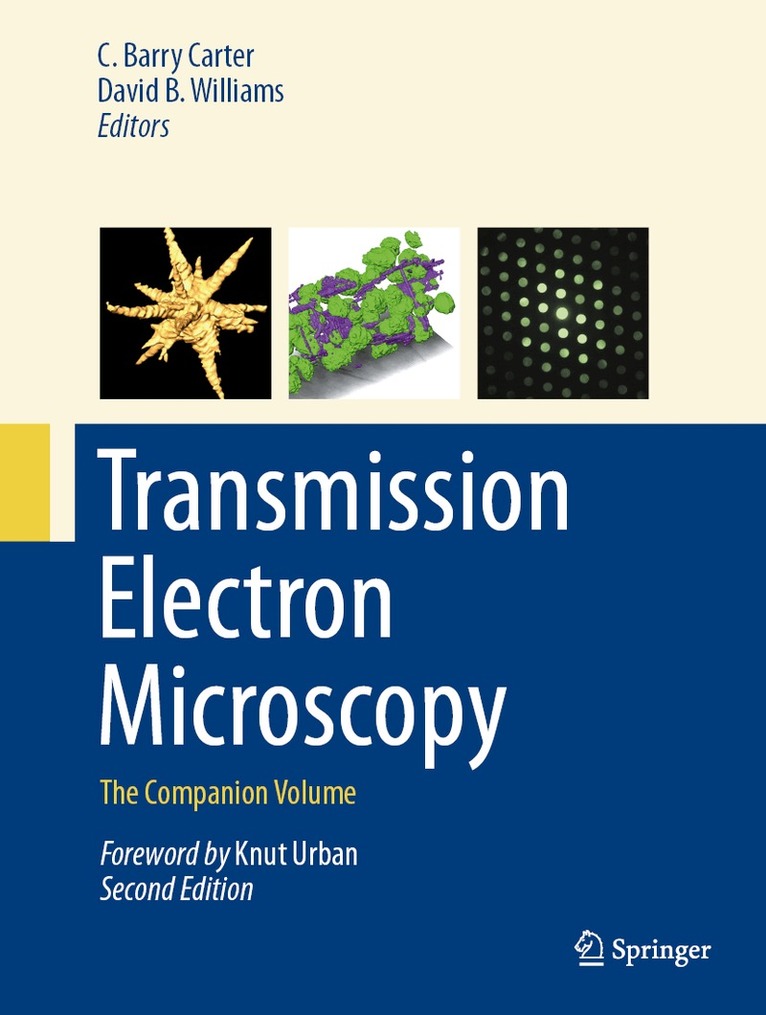
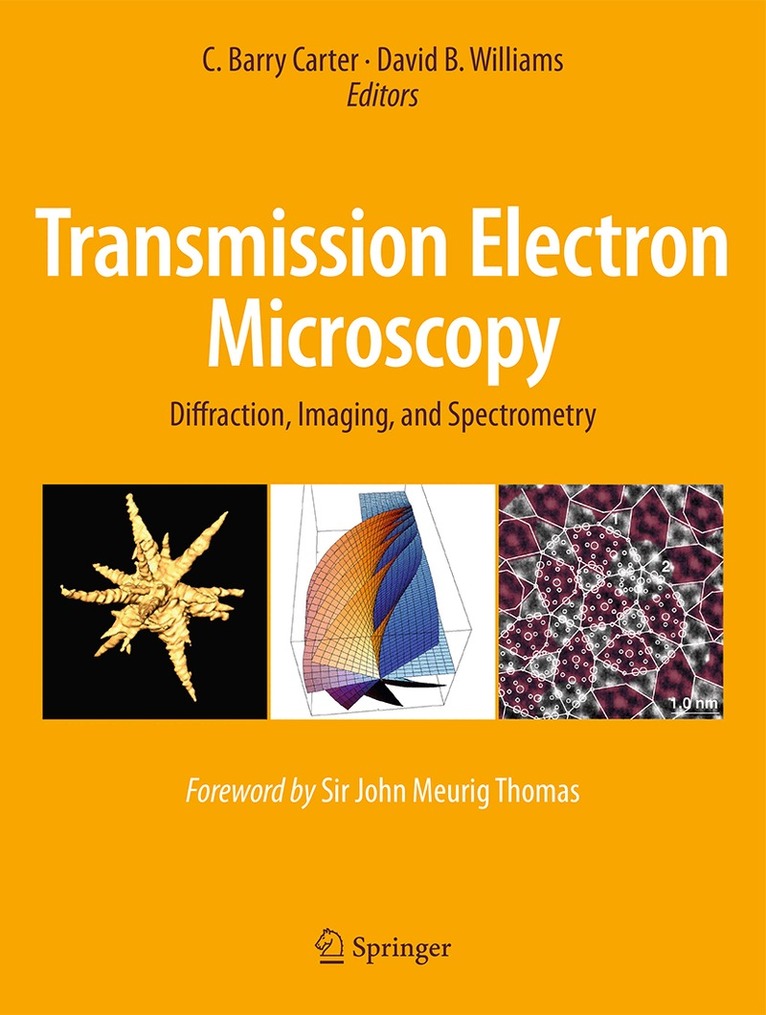
This text is a companion volume to Transmission Electron Microscopy: A Textbook for Materials Science by Williams and Carter. The aim is to extend the discussion of certain topics that are either rapidly changing at this time or that would benefit from more detailed discussion than space allowed in the primary text. World-renowned researchers have contributed chapters in their area of expertise, and the editors have carefully prepared these chapters to provide a uniform tone and treatment for this exciting material. The book features an unparalleled collection of color figures showcasing the quality and variety of chemical data that can be obtained from today’s instruments, as well as key pitfalls to avoid. As with the previous TEM text, each chapter contains two sets of questions, one for self assessment and a second more suitable for homework assignments. Throughout the book, the style follows that of Williams & Carter even when the subject matter becomes challenging—the aim is always to make the topic understandable by first-year graduate students and others who are working in the field of Materials ScienceTopics covered include sources, in-situ experiments, electron diffraction, Digital Micrograph, waves and holography, focal-series reconstruction and direct methods, STEM and tomography, energy-filtered TEM (EFTEM) imaging, and spectrum imaging. The range and depth of material makes this companion volume essential reading for the budding microscopist and a key reference for practicing researchers using these and related techniques.
1 566 kr
Skickas inom 7-10 vardagar
This spectacularly illustrated book celebrates the structural beauty of everyday materials and the space-age technologies used to probe their appearance. It introduces the reader to the various instruments and their uses: scanning electron, ion, and tunnelling microscopes, acoustic microscopy and transmission electron microscopy. The book describes how images are processed and analysed, and how modern materials science is based on these techniques and their ability to "see" materials at the atomic level. The book includes hundreds of illustrations and colour plates, making it a pleasure to the eye.
301 kr
Skickas inom 3-6 vardagar
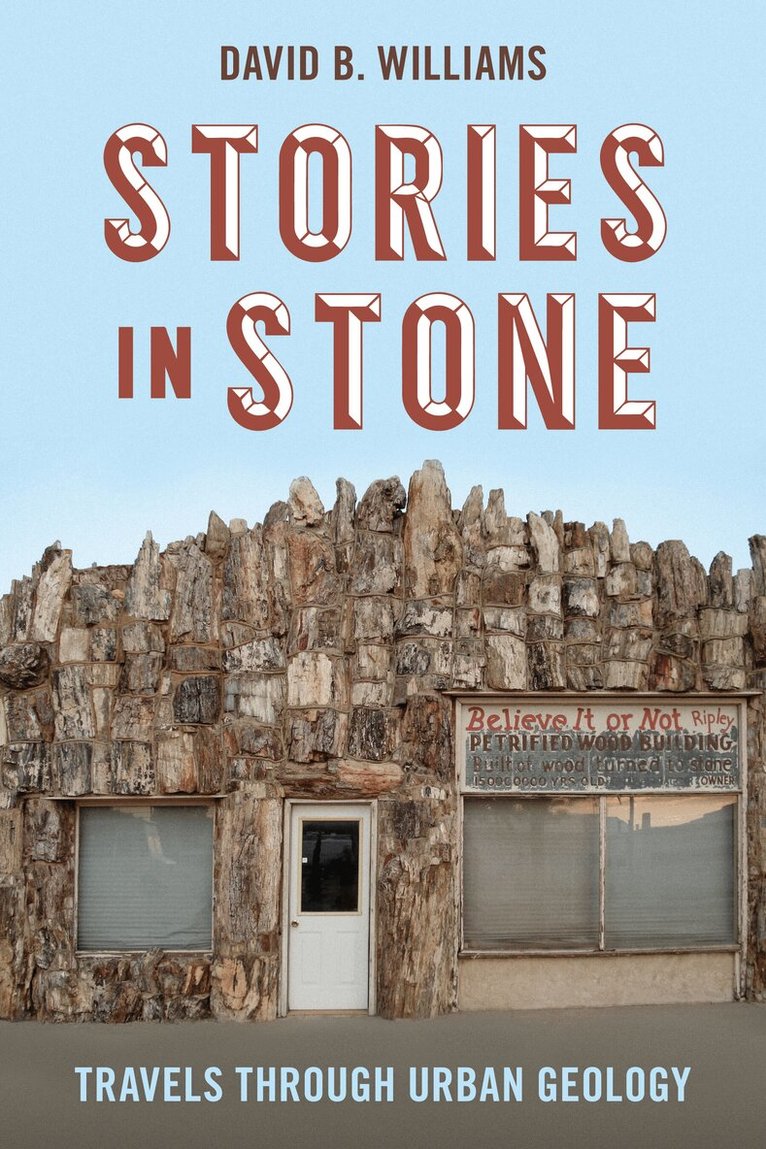
Most people do not think to observe geology from the sidewalks of a major city, but all David B. Williams has to do is look at building stone in any urban center to find a range of rocks equal to any assembled by plate tectonics. In Stories in Stone, he takes you on explorations to find 3.5-billion-year-old rock that looks like swirled pink-and-black taffy, a gas station made of petrified wood, and a Florida fort that has withstood three hundred years of attacks and hurricanes, despite being made of a stone that has the consistency of a granola bar.Williams also weaves in the cultural history of stone, explaining why a white fossil-rich limestone from Indiana became the only building stone used in all fifty states; how in 1825, the construction of the Bunker Hill Monument led to America’s first commercial railroad; and why when the same kind of marble used by Michelangelo clad a Chicago skyscraper it warped so much after nineteen years that all 44,000 panels of it had to be replaced. This love letter to building stone brings to life the geology you can see in the structures of every city.
507 kr
Skickas inom 7-10 vardagar
An intimate biography of place and an urgent call to conservationNot far from Seattle skyscrapers live 150-year-old clams, more than 250 species of fish, and underwater kelp forests as complex as any terrestrial ecosystem. For millennia, vibrant Coast Salish communities have lived beside these waters dense with nutrient-rich foods, with cultures intertwined through exchanges across the waterways. Transformed by settlement and resource extraction, Puget Sound and its future health now depend on a better understanding of the region's ecological complexities.Focusing on the area south of Port Townsend and between the Cascade and Olympic mountains, Williams uncovers human and natural histories in, on, and around the Sound. In conversations with archaeologists, biologists, and tribal authorities, Williams traces how generations of humans have interacted with such species as geoducks, salmon, orcas, rockfish, and herring. He sheds light on how warfare shaped development and how people have moved across this maritime highway, in canoes, the mosquito fleet, and today's ferry system. The book also takes an unflinching look at how the Sound's ecosystems have suffered from human behavior, including pollution, habitat destruction, and the effects of climate change.Witty, graceful, and deeply informed, Homewaters weaves history and science into a fascinating and hopeful narrative, one that will introduce newcomers to the astonishing life that inhabits the Sound and offers longtime residents new insight into and appreciation of the waters they call home.A Michael J. Repass Book
299 kr
Skickas inom 7-10 vardagar
An intimate biography of place and an urgent call to conservationNot far from Seattle skyscrapers live 150-year-old clams, more than 250 species of fish, and underwater kelp forests as complex as any terrestrial ecosystem. For millennia, vibrant Coast Salish communities have lived beside these waters dense with nutrient-rich foods, with cultures intertwined through exchanges across the waterways. Transformed by settlement and resource extraction, Puget Sound and its future health now depend on a better understanding of the region’s ecological complexities.Focusing on the area south of Port Townsend and between the Cascade and Olympic mountains, Williams uncovers human and natural histories in, on, and around the Sound. In conversations with archaeologists, biologists, and tribal authorities, Williams traces how generations of humans have interacted with such species as geoducks, salmon, orcas, rockfish, and herring. He sheds light on how warfare shaped development and how people have moved across this maritime highway, in canoes, the mosquito fleet, and today’s ferry system. The book also takes an unflinching look at how the Sound’s ecosystems have suffered from human behavior, including pollution, habitat destruction, and the effects of climate change.Witty, graceful, and deeply informed, Homewaters weaves history and science into a fascinating and hopeful narrative, one that will introduce newcomers to the astonishing life that inhabits the Sound and offers longtime residents new insight into and appreciation of the waters they call home.A Michael J. Repass Book
372 kr
Skickas inom 7-10 vardagar
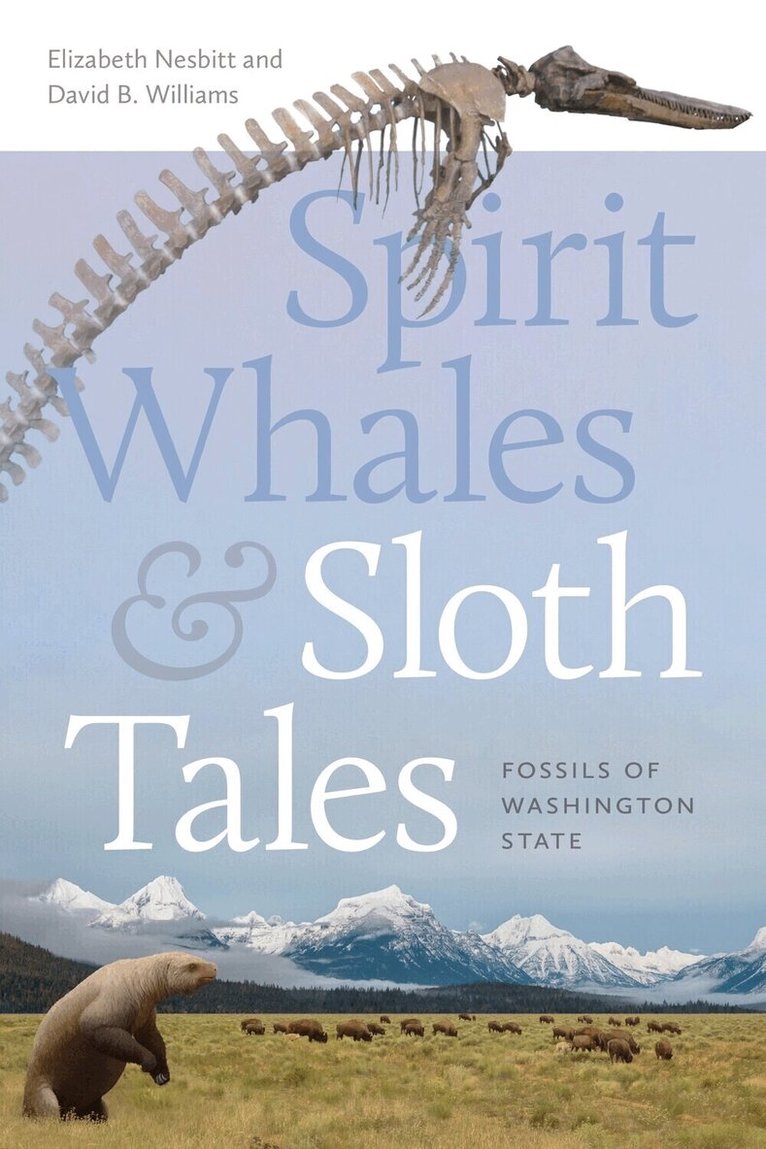
A guide to discovering the fascinating natural history beneath your feetFrom trilobites near the Idaho border and primitive horses on the Columbia Plateau to giant bird tracks near Bellingham and curious bear-like beasts on the Olympic Peninsula, fossils across Washington State are filled with clues of past life on Earth. With abundant and well-exposed rock layers, the state has fossils dating from Ice Age mammals only 12,000 years old back to marine invertebrates more than 500 million years old. In Spirit Whales and Sloth Tales, renowned paleontologist Elizabeth A. Nesbitt teams up with popular science writer David B. Williams to offer a fascinating, richly illustrated tour through more than a half billion years of natural history. Following an introduction to key concepts, twenty-four profiles—each featuring a unique plant, animal, or environment—tell the incredible stories of individual fossils, many of which are on display in Washington museums. The spectacular paleontology of Washington is brought to life with details of the fossils' discovery and extraction, their place in geological time, and the insights they provide into contemporary issues like climate change and species extinction.
284 kr
Skickas inom 7-10 vardagar
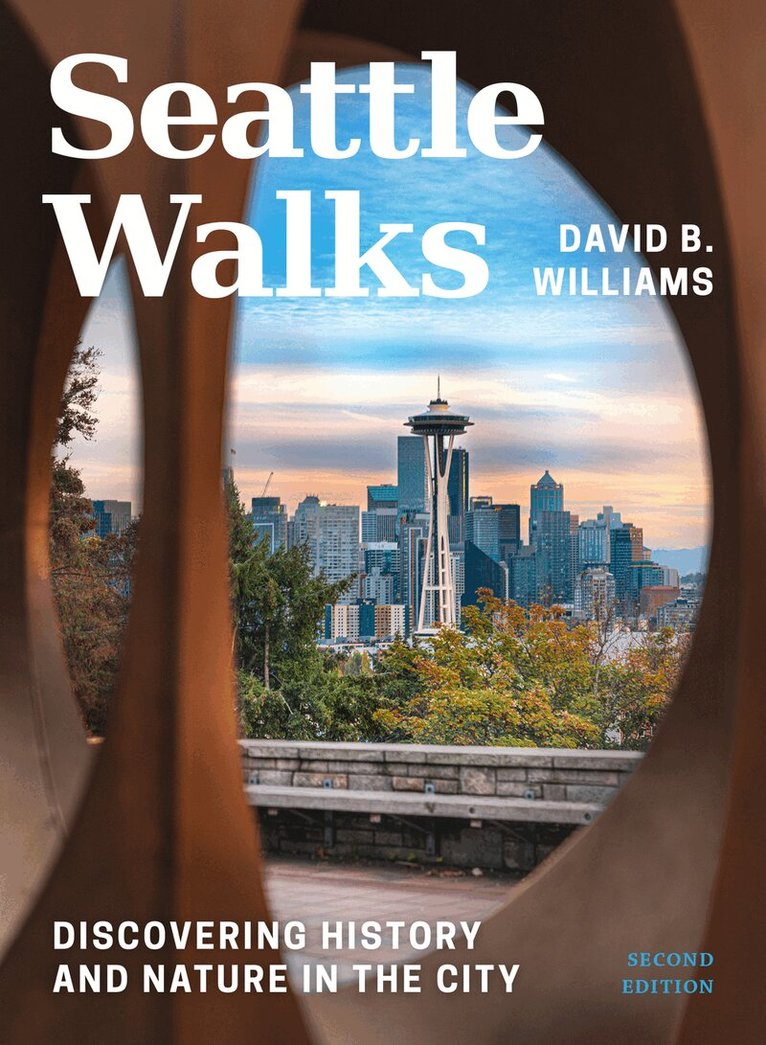
An updated and expanded new edition of the definitive walking guide to SeattleOne of America's most walkable cities, Seattle rewards urban trekkers with expansive scenery and architectural and historical riches. The second edition of this acclaimed guidebook offers eighteen walks chosen for interest and easy accessibility. Williams's compelling stories bring the city to life, revealing often-overlooked details of Seattle's past and present.This guide includes:• easy to follow maps• in-depth descriptions of places tied to map locations• sidebars with additional fun facts and advice on side trips• new walks that focus on the city's social justice historyExtensively revised and illustrated with full-color maps and photographs, this new edition of Seattle Walks is an invitation to lace up your shoes and embark on some unforgettable urban adventures.Seattle Walks was made possible in part by a grant from the Michael J. Repass Fund for Northwest Writers.
405 kr
Kommande
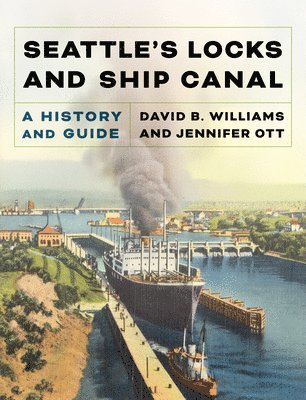
How one canal reshaped Seattle’s history, economy, and environment Seattle’s waterways are central to the city’s identity, and none more so than the Lake Washington Ship Canal and Ballard (Hiram M. Chittenden) Locks. Seattle’s Locks and Ship Canal: A History and Guide offers an accessible introduction to this engineering marvel and its ongoing significance. Adapted from the acclaimed Waterway, this portable edition distills decades of history into an engaging format ideal for both residents and visitors. David B. Williams and Jennifer Ott chart the vision that drove the canal’s creation and the dramatic changes it brought to the city’s economy, neighborhoods, and natural environment. Along the way, they highlight the political struggles, industrial ambitions, and ecological consequences that shaped one of Seattle’s defining projects. Enhanced with a map of the locks and another featuring key sites along the ship canal, this edition doubles as both a history and a practical guide. It illuminates how the locks, once designed for commercial shipping, have evolved into one of Seattle’s most popular destinations, where recreational boats, salmon ladders, and historic structures draw crowds year-round. Clear, informative, and visually rich, Seattle’s Locks and Ship Canal is both a primer on the city’s past and a companion for exploring part of its present-day waterfront. A Michael J. Repass Book
824 kr
Skickas inom 7-10 vardagar
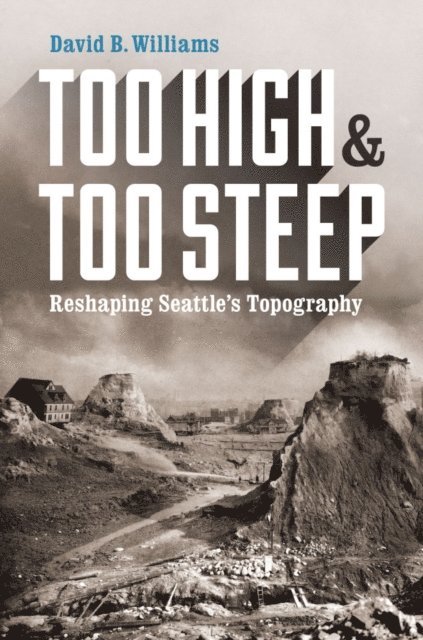
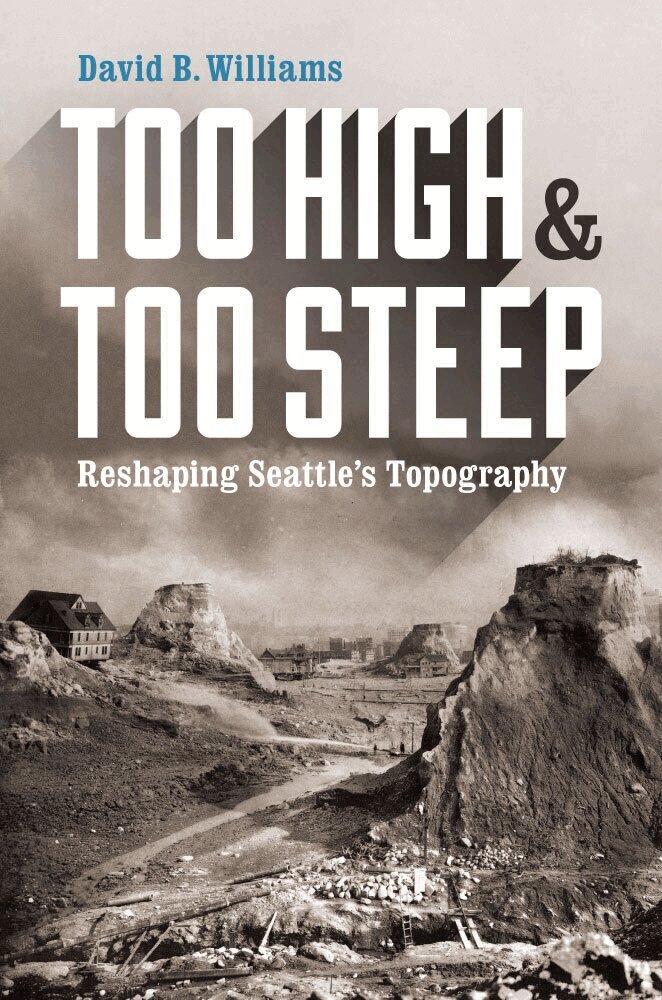
Residents and visitors in today’s Seattle would barely recognize the landscape that its founding settlers first encountered. As the city grew, its leaders and inhabitants dramatically altered its topography to accommodate their changing visions. In Too High and Too Steep, David B. Williams uses his deep knowledge of Seattle, scientific background, and extensive research and interviews to illuminate the physical challenges and sometimes startling hubris of these large-scale transformations, from the filling in of the Duwamish tideflats to the massive regrading project that pared down Denny Hill.In the course of telling this fascinating story, Williams helps readers find visible traces of the city’s former landscape and better understand Seattle as a place that has been radically reshaped.Too High and Too Steep was made possible in part by a grant from 4Culture's Heritage Program.
299 kr
Skickas inom 7-10 vardagar
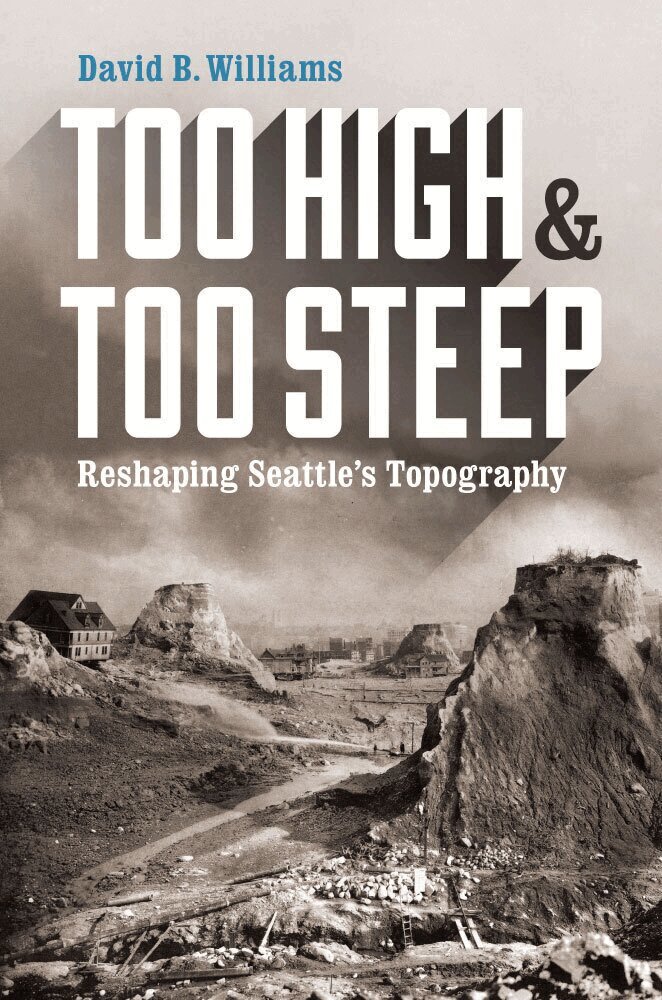
Residents and visitors in today’s Seattle would barely recognize the landscape that its founding settlers first encountered. As the city grew, its leaders and inhabitants dramatically altered its topography to accommodate their changing visions. In Too High and Too Steep, David B. Williams uses his deep knowledge of Seattle, scientific background, and extensive research and interviews to illuminate the physical challenges and sometimes startling hubris of these large-scale transformations, from the filling in of the Duwamish tideflats to the massive regrading project that pared down Denny Hill.In the course of telling this fascinating story, Williams helps readers find visible traces of the city’s former landscape and better understand Seattle as a place that has been radically reshaped.Too High and Too Steep was made possible in part by a grant from 4Culture's Heritage Program.
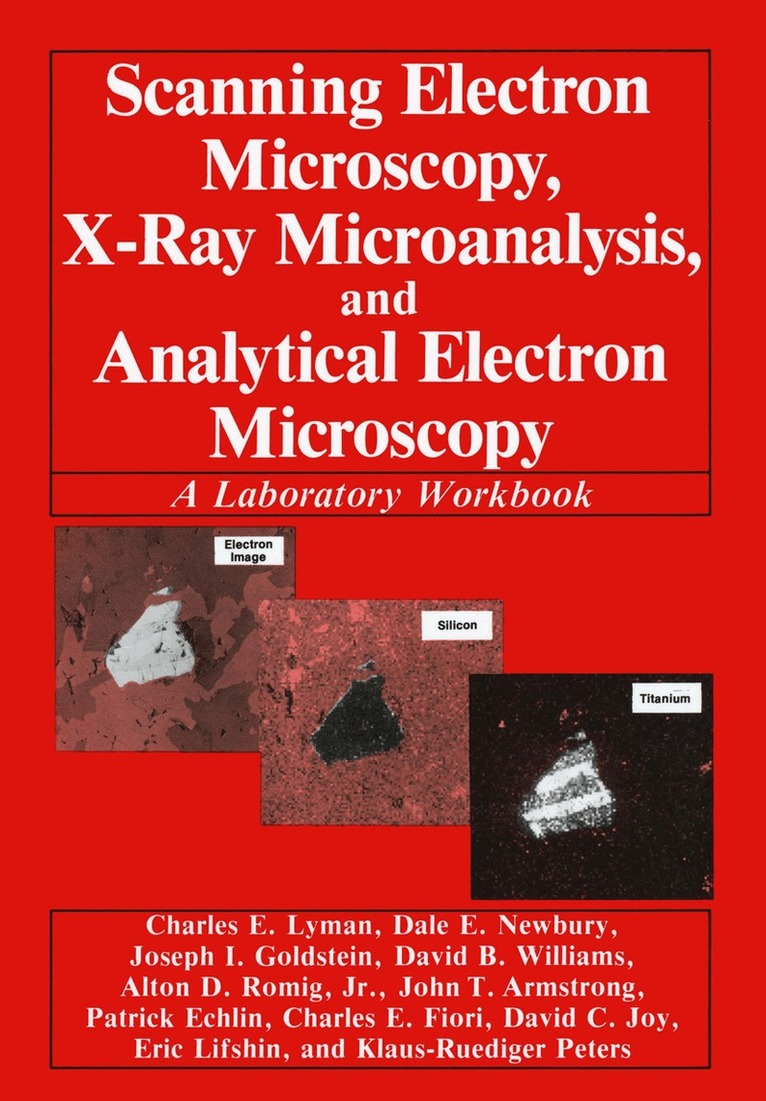
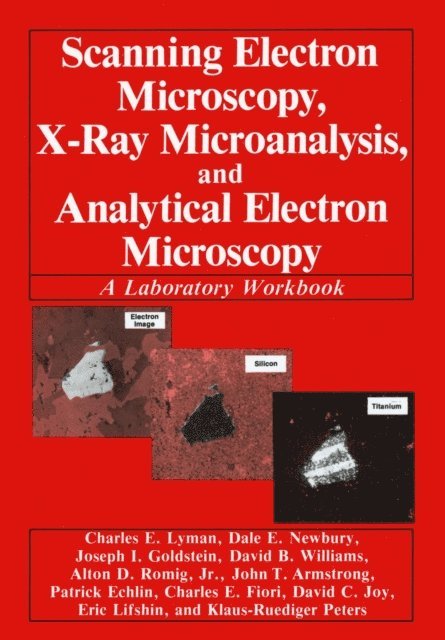
Scanning Electron Microscopy, X-Ray Microanalysis, and Analytical Electron Microscopy
A Laboratory Workbook
Häftad, Engelska, 1990
1 067 kr
Skickas inom 10-15 vardagar
During the last four decades remarkable developments have taken place in instrumentation and techniques for characterizing the microstructure and microcomposition of materials. Some of the most important of these instruments involve the use of electron beams because of the wealth of information that can be obtained from the interaction of electron beams with matter. The principal instruments include the scanning electron microscope, electron probe x-ray microanalyzer, and the analytical transmission electron microscope. The training of students to use these instruments and to apply the new techniques that are possible with them is an important function, which. has been carried out by formal classes in universities and colleges and by special summer courses such as the ones offered for the past 19 years at Lehigh University. Laboratory work, which should be an integral part of such courses, is often hindered by the lack of a suitable laboratory workbook. While laboratory workbooks for transmission electron microscopy have-been in existence for many years, the broad range of topics that must be dealt with in scanning electron microscopy and microanalysis has made it difficult for instructors to devise meaningful experiments. The present workbook provides a series of fundamental experiments to aid in "hands-on" learning of the use of the instrumentation and the techniques. It is written by a group of eminently qualified scientists and educators. The importance of hands-on learning cannot be overemphasized.
2 107 kr
Skickas inom 10-15 vardagar
From its early days in the 1950s, the electron microanalyzer has offered two principal ways of obtaining x-ray spectra: wavelength dispersive spectrometry (WDS), which utilizes crystal diffraction, and energy dispersive spectrometry (EDS), in which the x-ray quantum energy is measured directly. In general, WDS offers much better peak separation for complex line spectra, whereas EDS gives a higher collection efficiency and is easier and cheaper to use. Both techniques have undergone major transformations since those early days, from the simple focusing spectrometerand gas proportional counter of the 1950s to the advanced semiconductor detectors and programmable spectrometersoftoday. Becauseofthesedevelopments, thecapabilities and relative merits of EDS and WDS techniques have been a recurring feature of microprobeconferences for nearly40 years, and this volume bringstogetherthepapers presented at the Chuck Fiori Memorial Symposium, held at the Microbeam Analysis Society Meeting of 1993. Several themes are apparent in this rich and authoritative collection of papers, which have both a historical and an up-to-the-minute dimension. Light element analysis has long been a goal of microprobe analysts since Ray Dolby first detected K radiation with a gas proportional counter in 1960. WDS techniques (using carbon lead stearate films) were not used for this purpose until four years later. Now synthetic multilayers provide the best dispersive elements for quantitative light element analy sis-still used in conjunction with a gas counter.
1 279 kr
Skickas inom 10-15 vardagar
This groundbreaking text has been established as the market leader throughout the world. Profusely illustrated, Transmission Electron Microscopy: A Textbook for Materials Science provides the necessary instructions for successful hands-on application of this versatile materials characterization technique. For this first new edition in 12 years, many sections have been completely rewritten with all others revised and updated. The new edition also includes an extensive collection of questions for the student, providing approximately 800 self-assessment questions and over 400 questions that are suitable for homework assignment. Four-color illustrations throughout also enhance the new edition.Praise for the first edition:`The best textbook for this audience available.' – American Scientist`Ideally suited to the needs of a graduate level course. It is hard to imagine this book not fulfilling most of the requirements of a text for such a course.' – Microscope`This book is written in such a comprehensive manner that it is understandable to all people who are trained in physical science and it will be useful both for the expert as well as the student.' – Micron`The book answers nearly any question - be it instrumental, practical, or theoretical - either directly or with an appropriate reference...This book provides a basic, clear-cut presentation of how transmission electron microscopes should be used and of how this depends specifically on one's specific undergoing project.' – MRS Bulletin, May 1998`The only complete text now available which includes all the remarkable advances made in the field of TEM in the past 30-40 years....The authors can be proud of an enormous task, very well done.' – from the Foreword by Professor Gareth Thomas, University of California, Berkeley
2 107 kr
Skickas inom 10-15 vardagar
From its early days in the 1950s, the electron microanalyzer has offered two principal ways of obtaining x-ray spectra: wavelength dispersive spectrometry (WDS), which utilizes crystal diffraction, and energy dispersive spectrometry (EDS), in which the x-ray quantum energy is measured directly. In general, WDS offers much better peak separation for complex line spectra, whereas EDS gives a higher collection efficiency and is easier and cheaper to use. Both techniques have undergone major transformations since those early days, from the simple focusing spectrometerand gas proportional counter of the 1950s to the advanced semiconductor detectors and programmable spectrometersoftoday. Becauseofthesedevelopments, thecapabilities and relative merits of EDS and WDS techniques have been a recurring feature of microprobeconferences for nearly40 years, and this volume bringstogetherthepapers presented at the Chuck Fiori Memorial Symposium, held at the Microbeam Analysis Society Meeting of 1993. Several themes are apparent in this rich and authoritative collection of papers, which have both a historical and an up-to-the-minute dimension. Light element analysis has long been a goal of microprobe analysts since Ray Dolby first detected K radiation with a gas proportional counter in 1960. WDS techniques (using carbon lead stearate films) were not used for this purpose until four years later. Now synthetic multilayers provide the best dispersive elements for quantitative light element analy sis-still used in conjunction with a gas counter.
233 kr
Skickas inom 3-6 vardagar
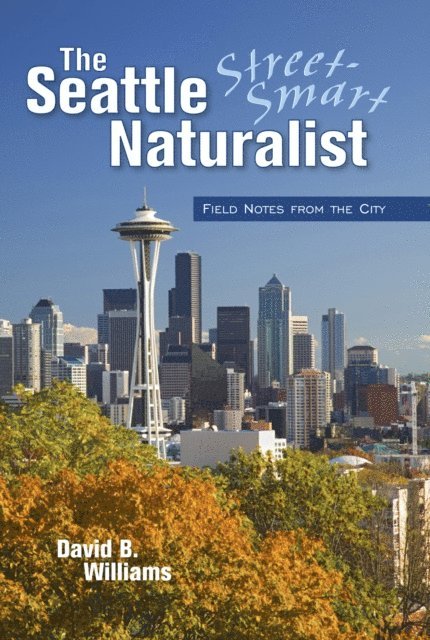
Naturalist and Seattle native David Williams offers his original perspectives on the wonder and resilience of nature in and around the Northwest's greatest population center.Illustrated by hand-drawn maps, Williams's writings are interesting, intelligent, and challenging at a personal level. He approaches the notion that his beloved city, as hip and urbane as it is, remains a wild place on the Northwest landscape-in the quarried rock of the historical buildings, in the branches of a pocket-sized city park, in the twists and turns of a stream that has been abused by polluters, hedged in by lawns, and buried under expressways. And yet it is a living thing, worthy of rescue. Williams looks beyond the skyline, beyond the postcard views of the Emerald City, and into its wild heart.Praise for The Seattle Street-Smart Naturalist:Like suddenly acquiring X-ray vision . . . Who knew that there was so much fascinating natural history crawling, flying, sprouting, flowing, drizzling, cawing, accreting, and sliding within the city limits of Seattle? Every page, every paragraph of Williams's book brought me revelations-not to mention the sheer pleasure of keeping company with such a sharp and enthusiastic writer.- David LaskinAuthor of The Children's Blizzard and Braving the ElementsA passion for nature and the love of a chosen city combine seamlessly in David Williams's sharp-eyed ramble through Seattle. These beautifully told "field notes" of this inspired urban naturalist bring to life our streets and hills, our downtown edifices and suburban green pockets, on levels infinitely more profound than the everyday.- Ivan DoigAuthor of This House of SkyRaised in Seattle, David Williams is a general naturalist with a bachelor's degree in geology. As a Park Ranger and educator, he has taught natural history both in the field and in the classroom and has written widely on the topic for the last decade. He has written for Sunset, the Seattle Times, High Country News, National Parks, and Geotimes. Other books include A Naturalist's Guide to Canyon Country and Grand Views of Canyon Country, and he has contributed to Insight Guides: Seattle and Caves, Cliffs, and Canyons.
397 kr
Skickas inom 3-6 vardagar
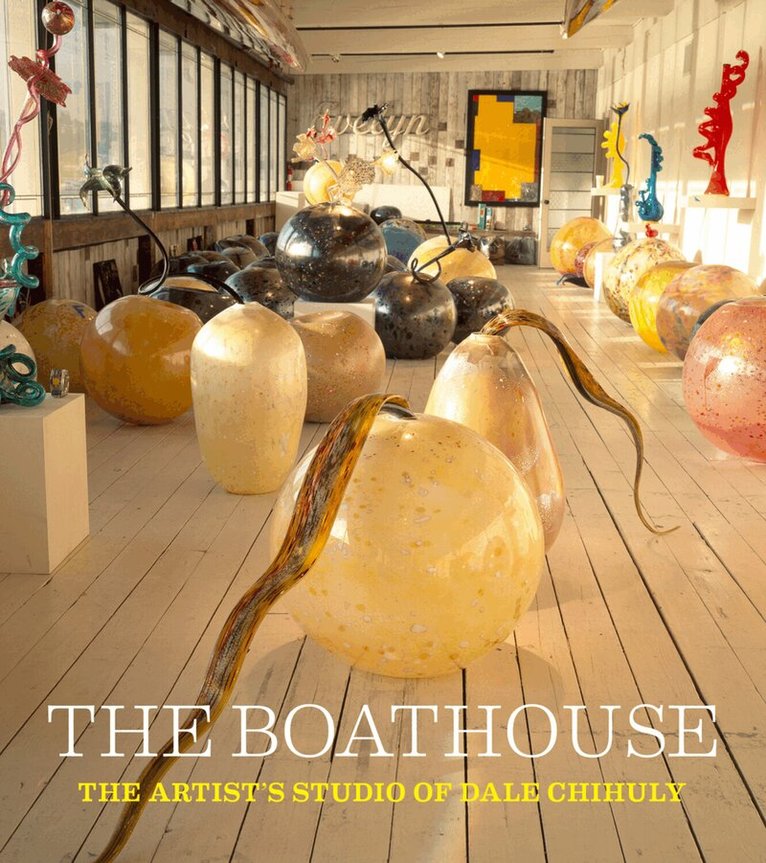
A behind-the-scenes look at the studio of artist Dale ChihulyThis book features an exclusive glimpse into The Boathouse, the private working studio of artist Dale Chihuly, and into the history of its location on the shores of Lake Union in Seattle. Inhabited for thousands of years, this area in the Pacific Northwest has witnessed significant historical changes, innovations, and reinventions. Similarly, The Boathouse has been a place for Chihuly to experiment with and give birth to new projects and ideas, as it was for its previous owner, renowned boatbuilder George Pocock. Inside, the space is representative of Chihuly's design aesthetic, showcasing pieces from his iconic bodies of work as well as his personal collections of art and unique objects. It is also home to one of the largest hot shops in the world, where Chihuly and his team of glassblowers create works in glass for art installations and exhibitions at museums and gardens.
194 kr
Skickas inom 5-8 vardagar
1 579 kr
Kommande
This volume is the second edition of Transmission Electron Microscopy: Diffraction, Imaging, and Spectrometry building upon the foundation of the first edition while significantly expanding and updating its scope. The book remains true to its mission of being a student-focused textbook, designed to complement the bestselling Transmission Electron Microscopy: A Textbook for Materials Science, by Williams and Carter.As a comprehensive guide to advanced topics in TEM (Transmission Electron Microscopy), this companion covers the latest technological advancements, new applications, and enduring techniques essential to the field. The chapters explore rapidly evolving areas like in-situ experiments, electron diffraction, STEM, energy-filtered TEM (EFTEM) imaging, holography, and tomography. It also emphasizes both theoretical and practical aspects of TEM, with expert insights from world-renowned researchers.Since the first edition of this book, the field of TEM has advanced significantly, particularly in the realms of computer-controlled instrumentation and data acquisition. This edition reflects the maturation of techniques like cryogenic electron microscopy, holography, and ptychography, all of which are now more accessible due to software-driven innovations.As in the first edition, this volume includes two sets of questions at the end of each chapter: one for self-assessment and another suitable for homework assignments. The text encourages a thoughtful, interactive learning process, prompting students to engage deeply with the material and further explore scientific literature and resources.Richly illustrated with high-quality color figures, this new edition offers unparalleled visual representations of the complex phenomena under study. It provides clarity on key challenges and pitfalls in modern TEM techniques, making it an essential resource for both novice and experienced microscopists.In keeping with its role as a textbook, this companion remains an important resource for graduate students and professionals in materials science, offering detailed discussion and practical guidance on a wide array of TEM technologies and methodologies.
1 279 kr
Skickas inom 10-15 vardagar
This text is a companion volume to Transmission Electron Microscopy: A Textbook for Materials Science by Williams and Carter. The aim is to extend the discussion of certain topics that are either rapidly changing at this time or that would benefit from more detailed discussion than space allowed in the primary text. World-renowned researchers have contributed chapters in their area of expertise, and the editors have carefully prepared these chapters to provide a uniform tone and treatment for this exciting material. The book features an unparalleled collection of color figures showcasing the quality and variety of chemical data that can be obtained from today’s instruments, as well as key pitfalls to avoid. As with the previous TEM text, each chapter contains two sets of questions, one for self assessment and a second more suitable for homework assignments. Throughout the book, the style follows that of Williams & Carter even when the subject matter becomes challenging—the aim is always to make the topic understandable by first-year graduate students and others who are working in the field of Materials ScienceTopics covered include sources, in-situ experiments, electron diffraction, Digital Micrograph, waves and holography, focal-series reconstruction and direct methods, STEM and tomography, energy-filtered TEM (EFTEM) imaging, and spectrum imaging. The range and depth of material makes this companion volume essential reading for the budding microscopist and a key reference for practicing researchers using these and related techniques.