David Gaimster – författare
Visar alla böcker från författaren David Gaimster. Handla med fri frakt och snabb leverans.
11 produkter
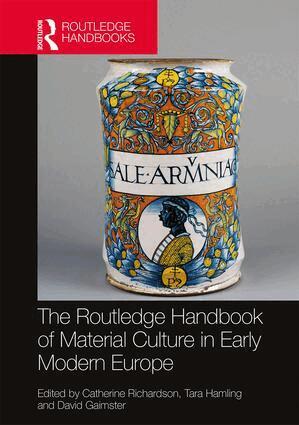
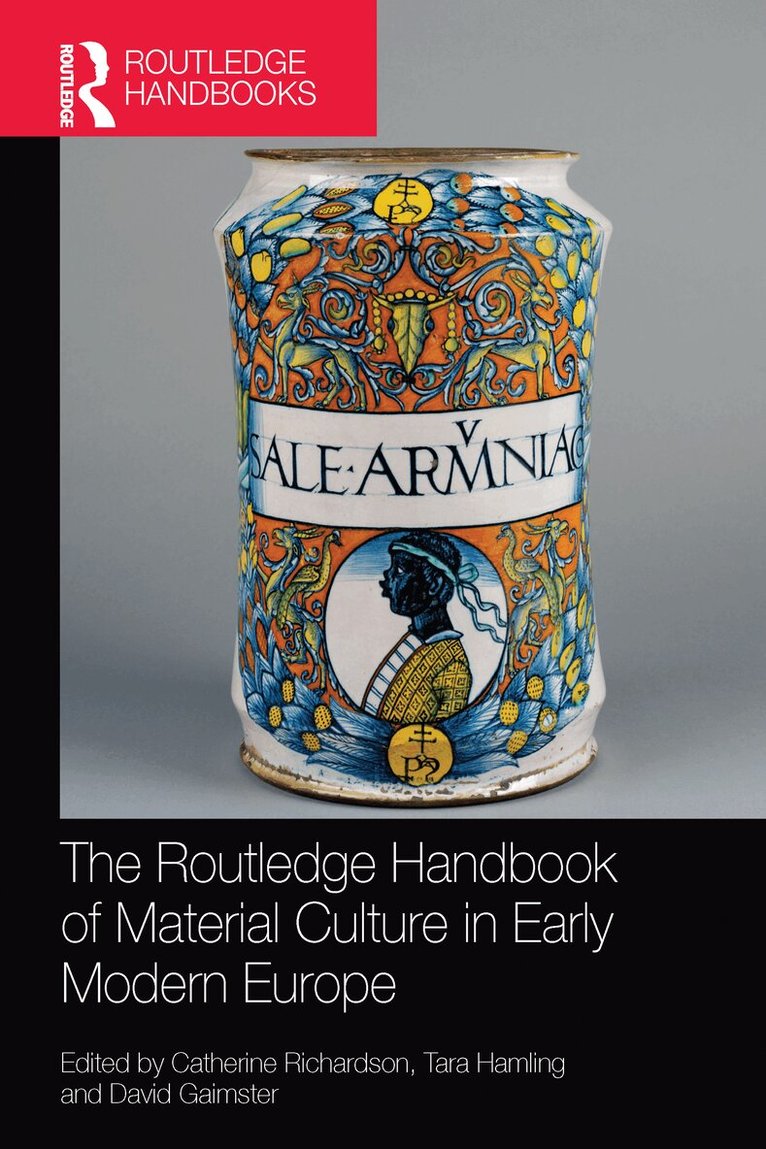
Routledge Handbook of Material Culture in Early Modern Europe
Av Catherine Richardson, Tara Hamling m. fl.
Inbunden, 2016
2578 kr
Lägg i varukorg
The Routledge Handbook of Material Culture in Early Modern Europe marks the arrival of early modern material culture studies as a vibrant, fully-established field of multi-disciplinary research.The volume provides a rounded, accessible collection of work on the nature and significance of …
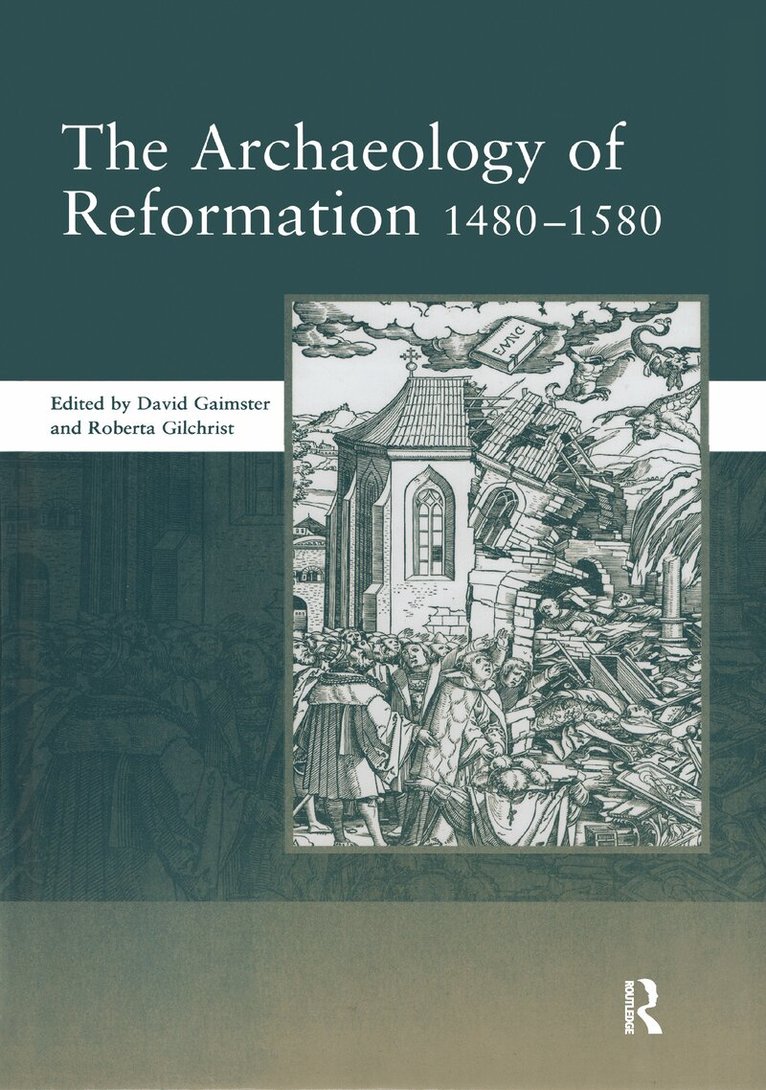
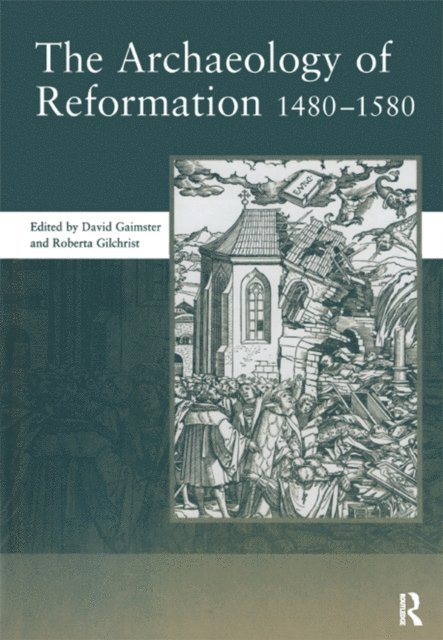
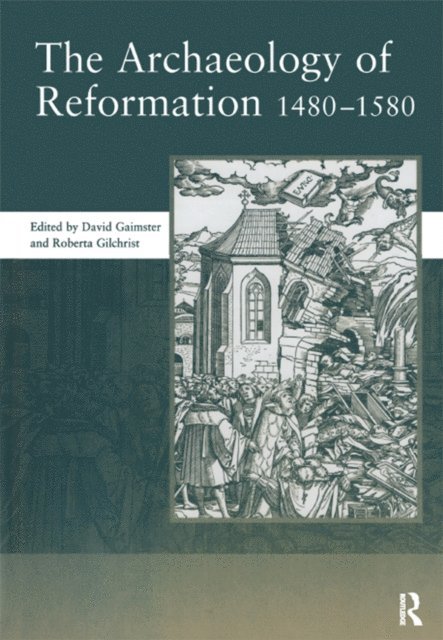
Archaeology of Reformation,1480-1580
Häftad, 2020
725 kr
Lägg i varukorg
This book demonstrates the potential of the discipline to contribute to Reformation studies in 1480–1580. It is the result of the second joint conference of the Society for Medieval Archaeology and the Society for Post-Medieval Archaeology.
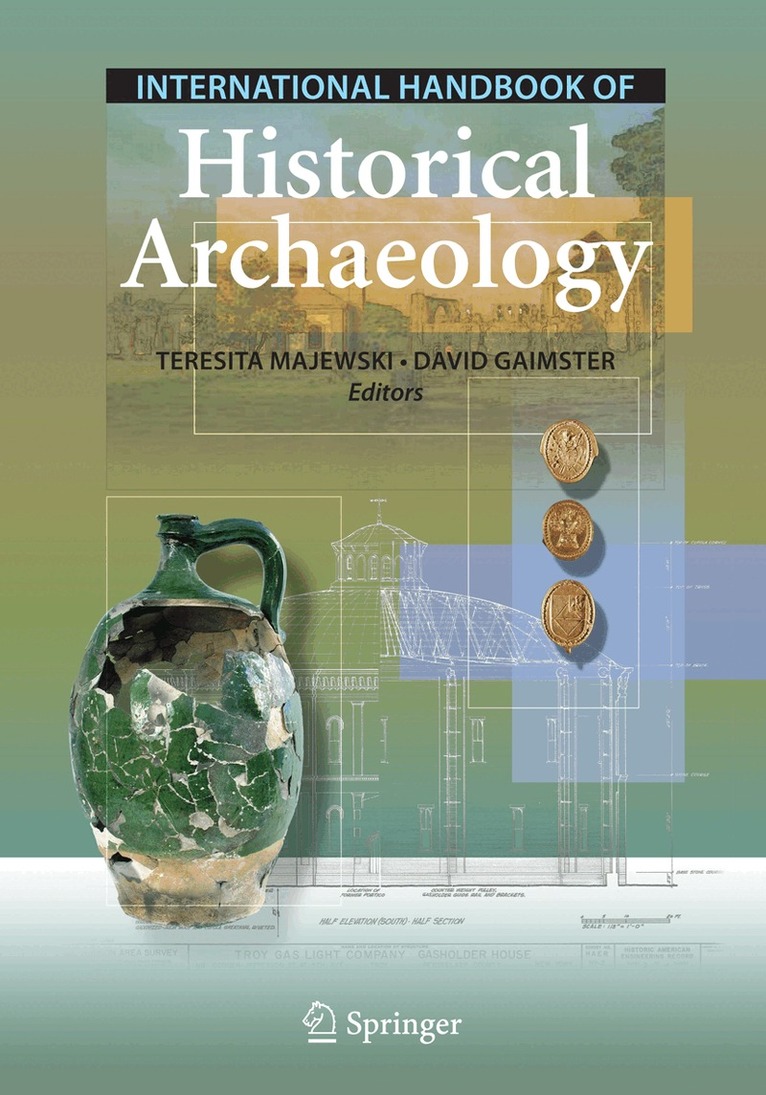
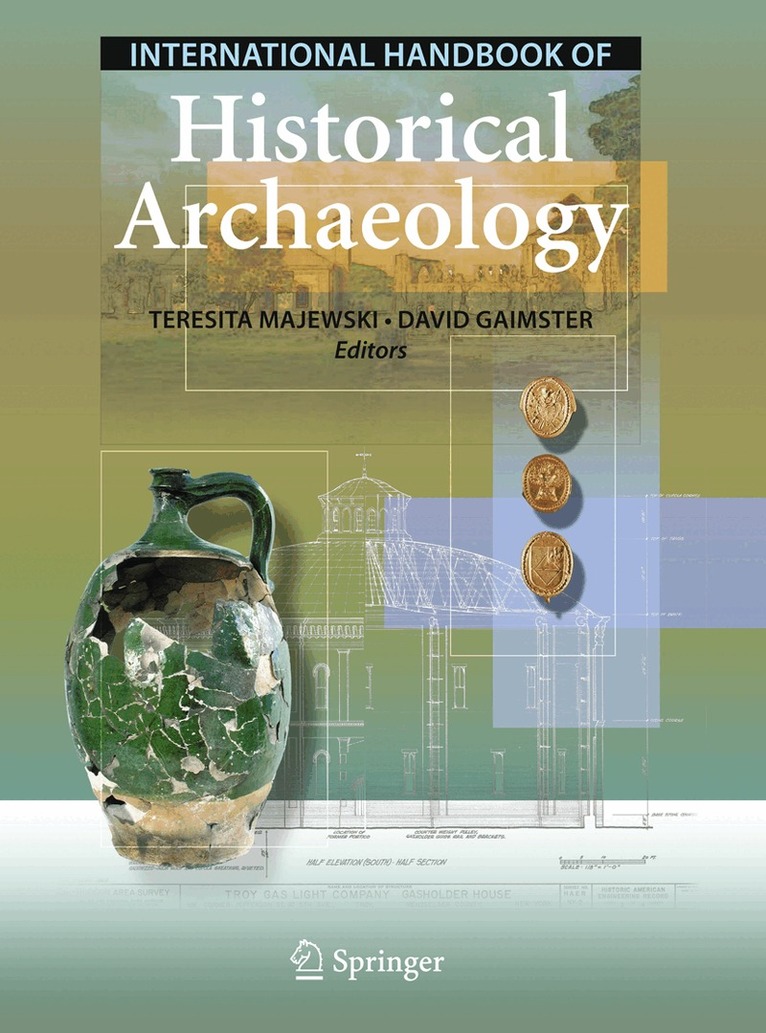
International Handbook of Historical Archaeology
Av Teresita Majewski, David Gaimster
Inbunden, 2009
1128 kr
Lägg i varukorg
In studying the past, archaeologists have focused on the material remains of our ancestors. Prehistorians generally have only artifacts to study and rely on the diverse material record for their understanding of past societies and their behavior. Those involved in studying historically documented …
International Handbook of Historical Archaeology
Av David Gaimster, Teresita Majewski
E-bok, 2009
1091 kr
Lägg i varukorg
In studying the past, archaeologists have focused on the material remains of our ancestors. Prehistorians generally have only artifacts to study and rely on the diverse material record for their understanding of past societies and their behavior. Those involved in studying historically documented …
Routledge Handbook of Material Culture in Early Modern Europe
Av Catherine Richardson, Tara Hamling m. fl.
Häftad, 2021
727 kr
Lägg i varukorg
The Routledge Handbook of Material Culture in Early Modern Europe marks the arrival of early modern material culture studies as a vibrant, fully-established field of multi-disciplinary research.The volume provides a rounded, accessible collection of work on the nature and significance of …
Routledge Handbook of Material Culture in Early Modern Europe
Av David Gaimster, Tara Hamling m. fl.
E-bok, 2016
838 kr
Lägg i varukorg
The Routledge Handbook of Material Culture in Early Modern Europe marks the arrival of early modern material culture studies as a vibrant, fully-established field of multi-disciplinary research. The volume provides a rounded, accessible collection of work on the nature and significance of …
Routledge Handbook of Material Culture in Early Modern Europe
Av David Gaimster, Tara Hamling m. fl.
E-bok, 2016
856 kr
Lägg i varukorg
The Routledge Handbook of Material Culture in Early Modern Europe marks the arrival of early modern material culture studies as a vibrant, fully-established field of multi-disciplinary research. The volume provides a rounded, accessible collection of work on the nature and significance of …
Archaeology of Reformation,1480-1580
E-bok, 2018
856 kr
Lägg i varukorg
Traditionally the Reformation has been viewed as responsible for the rupture of the medieval order and the foundation of modern society. Recently historians have challenged the stereotypical model of cataclysm, and demonstrated that the religion of Tudor England was full of both continuities and …
Archaeology of Reformation,1480-1580
E-bok, 2018
856 kr
Lägg i varukorg
Traditionally the Reformation has been viewed as responsible for the rupture of the medieval order and the foundation of modern society. Recently historians have challenged the stereotypical model of cataclysm, and demonstrated that the religion of Tudor England was full of both continuities and …
International Handbook of Historical Archaeology
Av Teresita Majewski, David Gaimster
Häftad, 2011
848 kr
Lägg i varukorg
In studying the past, archaeologists have focused on the material remains of our ancestors. Prehistorians generally have only artifacts to study and rely on the diverse material record for their understanding of past societies and their behavior. Those involved in studying historically documented …
Archaeology of Reformation,1480-1580
Inbunden, 2003
2542 kr
Lägg i varukorg
This book demonstrates the potential of the discipline to contribute to Reformation studies in 1480–1580. It is the result of the second joint conference of the Society for Medieval Archaeology and the Society for Post-Medieval Archaeology.