David Laycock – författare
2 438 kr
Skickas inom 10-15 vardagar
671 kr
Skickas inom 10-15 vardagar
2 269 kr
Skickas inom 10-15 vardagar
1 159 kr
Skickas inom 5-8 vardagar
1 090 kr
Skickas inom 5-8 vardagar
377 kr
Skickas inom 5-8 vardagar
665 kr
Skickas inom 5-8 vardagar
779 kr
Läs direkt efter köp
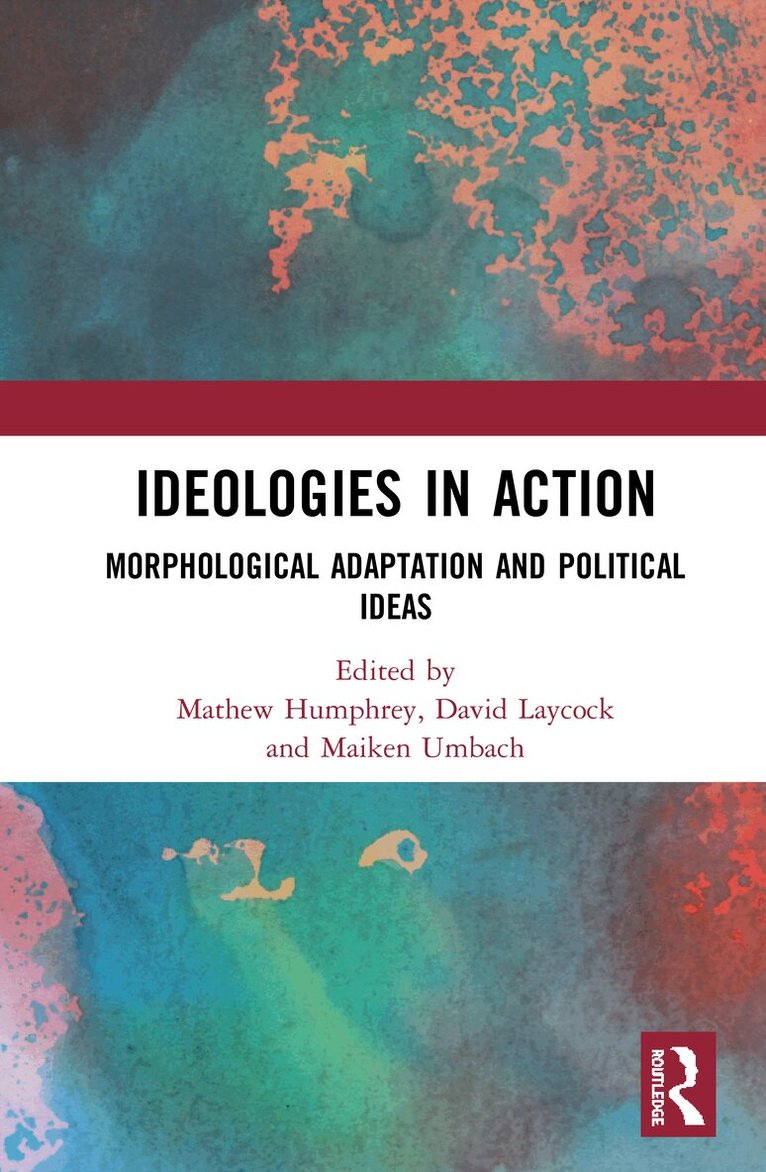
Ideologies in Action: Morphological Adaptation and Political Ideas explores how political ideas move across geographical, social and chronological boundaries.
Focusing on North American and European case studies ranging from populist tax revolts through parenting advice manuals to online learning environments, the contributors propose new methods for understanding how political entrepreneurs, intellectuals and ordinary citizens deploy and redefine ideologies. All of these groups are consumers of ideology, drawing on pre-existing, transnational ideological concepts and narratives in order to make sense of the world. They are also all producers of ideology, adapting and reconfiguring ideological material to support their own political aims, desires and policy objectives. In doing so, they combine common conceptual elements – interpretations of freedom, order, national identity, democracy, community or equality – with sentiments and imaginations deeply embedded in cultural and social practice. To render these ideological practices intelligible, the contributors to this volume blend conceptual morphology, which emphasizes how meaning emerges in and through connections between political ideas, with close readings of the vernacular and experiential dimensions of ideologies in action.
This book offers new insights into how ideologies in varied social and political settings can be decoded, and challenges hierarchical distinctions between ideological ‘producers’ and ‘consumers’. The chapters in this book were originally published as a special issue of the Journal of Political Ideologies.
779 kr
Läs direkt efter köp
Ideologies in Action: Morphological Adaptation and Political Ideas explores how political ideas move across geographical, social and chronological boundaries.
Focusing on North American and European case studies ranging from populist tax revolts through parenting advice manuals to online learning environments, the contributors propose new methods for understanding how political entrepreneurs, intellectuals and ordinary citizens deploy and redefine ideologies. All of these groups are consumers of ideology, drawing on pre-existing, transnational ideological concepts and narratives in order to make sense of the world. They are also all producers of ideology, adapting and reconfiguring ideological material to support their own political aims, desires and policy objectives. In doing so, they combine common conceptual elements – interpretations of freedom, order, national identity, democracy, community or equality – with sentiments and imaginations deeply embedded in cultural and social practice. To render these ideological practices intelligible, the contributors to this volume blend conceptual morphology, which emphasizes how meaning emerges in and through connections between political ideas, with close readings of the vernacular and experiential dimensions of ideologies in action.
This book offers new insights into how ideologies in varied social and political settings can be decoded, and challenges hierarchical distinctions between ideological ‘producers’ and ‘consumers’. The chapters in this book were originally published as a special issue of the Journal of Political Ideologies.
3 682 kr
Skickas inom 10-15 vardagar
925 kr
Läs direkt efter köp
925 kr
Läs direkt efter köp
176 kr
Skickas inom 5-8 vardagar
992 kr
Läs direkt efter köp
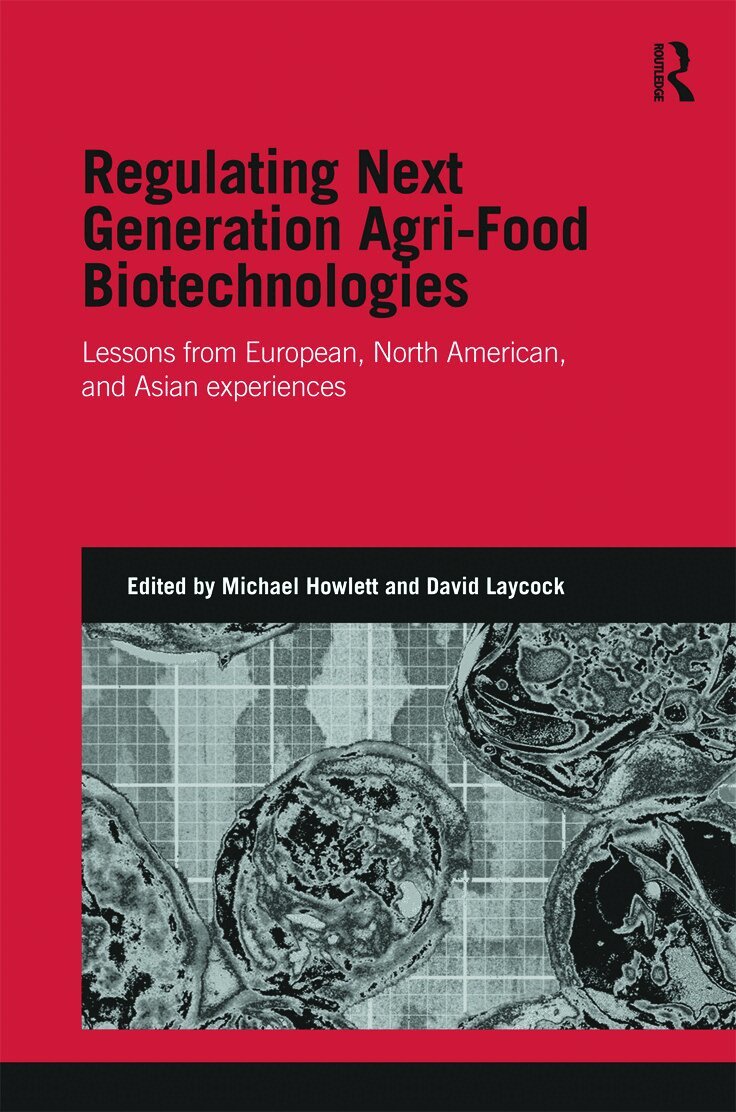
Agri-food bio-technology policy and regulation is transitioning from an early period focused on genetic engineering technologies to ‘next-generation’ rules and regulatory processes linked to challenges originating in a wide variety of new technological processes and applications. Can lessons learned from past and current regulatory oversights of agricultural biotechnology – and other high-technology sectors – help us address new and emerging regulatory challenges in the agri-food genetics sector?
The expert contributors in this volume discuss the experiences of a wide range of North American, European and Asian countries with high technology regulation to address four key questions related to the past and future development of agri-food genomics regulation across the globe.
how unique is agri-food biotechology regulation, and how can it be evaluated using the existing tools of regulatory analysis developed in examinations of other sectors? is a ‘government to governance’ model of regulatory regime development found in many other sectors relevant in this rapidly evolving sphere of activity? is a stages model of regulatory regime development accurate? And, if so, at which stage are we currently positioned in the regulation of agri-food genomics products and technologies? what drives movement between stages in different countries and sectors? In assessing such drivers, what are the key links between sectoral (meso) developments and more general macro and micro developments such as international relations and administrative behaviour?
By updating, extending and challenging earlier empirical and theoretical social science perspectives on agricultural bio-technological regulation, this volume helps to inform future policy formulation. It will be of interest to practitioners and students of biotechnology, agriculture, and science and technology policy, and regulatory processes more generally.
992 kr
Läs direkt efter köp
Agri-food bio-technology policy and regulation is transitioning from an early period focused on genetic engineering technologies to ‘next-generation’ rules and regulatory processes linked to challenges originating in a wide variety of new technological processes and applications. Can lessons learned from past and current regulatory oversights of agricultural biotechnology – and other high-technology sectors – help us address new and emerging regulatory challenges in the agri-food genetics sector?
The expert contributors in this volume discuss the experiences of a wide range of North American, European and Asian countries with high technology regulation to address four key questions related to the past and future development of agri-food genomics regulation across the globe.
how unique is agri-food biotechology regulation, and how can it be evaluated using the existing tools of regulatory analysis developed in examinations of other sectors? is a ‘government to governance’ model of regulatory regime development found in many other sectors relevant in this rapidly evolving sphere of activity? is a stages model of regulatory regime development accurate? And, if so, at which stage are we currently positioned in the regulation of agri-food genomics products and technologies? what drives movement between stages in different countries and sectors? In assessing such drivers, what are the key links between sectoral (meso) developments and more general macro and micro developments such as international relations and administrative behaviour?
By updating, extending and challenging earlier empirical and theoretical social science perspectives on agricultural bio-technological regulation, this volume helps to inform future policy formulation. It will be of interest to practitioners and students of biotechnology, agriculture, and science and technology policy, and regulatory processes more generally.
841 kr
Skickas inom 10-15 vardagar
839 kr
Läs direkt efter köp
809 kr
Läs direkt efter köp