David Slucki - Böcker
Visar alla böcker från författaren David Slucki. Handla med fri frakt och snabb leverans.
6 produkter
6 produkter
416 kr
Skickas inom 7-10 vardagar
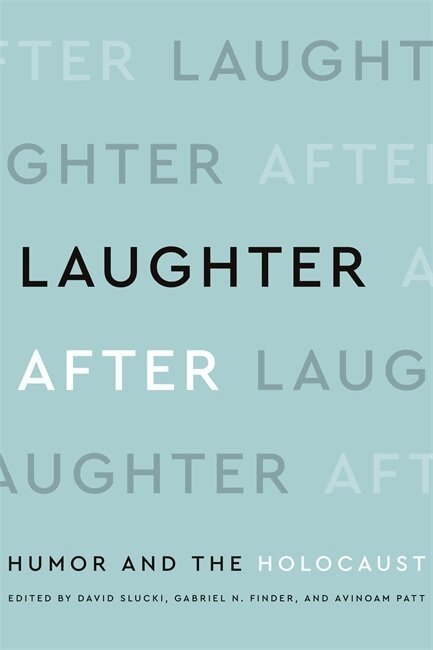
Laughter After: Humor and the Holocaust argues that humor performs political, cultural, and social functions in the wake of horror. Co-editors David Slucki, Gabriel N. Finder, and Avinoam Patt have assembled an impressive list of contributors who examine what is at stake in deploying humor in representing the Holocaust. Namely, what are the boundaries? Clearly, there have been comedy and laughter in the decades since. However, the extent to which humor can be ethically deployed in representing and discussing the Holocaust is not as clear. This book comes at an important moment in the trajectory of Holocaust memory. As the generation of survivors continues to dwindle, there is great concern among scholars and community leaders about how memories and lessons of the Holocaust will be passed to future generations. Without survivors to tell their stories, to serve as constant reminders of what they experienced, how will future generations understand and relate to the Shoah?Laughter After is divided into two sections: "Aftermath" and "Breaking Taboos." The contributors to this volume examine case studies from World War II to the present day in considering and reconsidering what role humor can play in the rehabilitation of survivors, of Jews and of the world more broadly. More recently, humor has been used to investigate the role that Holocaust memory plays in contemporary societies, while challenging memorial conventions around the Holocaust and helping shape the way we think about the past. In a world in which Holocaust memory is ubiquitous, even if the Holocaust itself is inadequately understood, it is perhaps not surprising that humor that invokes the Holocaust has become part of the memorial landscape. This book seeks to uncover how and why such humor is deployed, and what the factors are that shape its production and reception. Laughter After will appeal to a number of audiences-from students and scholars of Jewish and Holocaust studies to academics and general readers with an interest in media and performance studies.
299 kr
Skickas
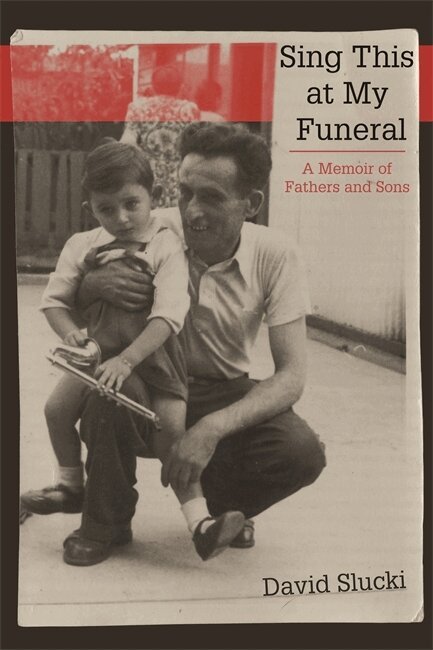
In 1978, Jakub Slucki passed away peacefully in his sleep at the age of seventy-seven. A Holocaust survivor whose first wife and two sons had been murdered at the Nazi death camp in Chelmno, Poland, Jakub had lived a turbulent life. Just over thirty-seven years later, his son Charles died of a heart attack. David Slucki's Sing This at My Funeral: A Memoir of Fathers and Sons tells the story of his father and his grandfather, and the grave legacy that they each passed on to him. This is a story about the Holocaust and its aftermath, about absence and the scars that never heal, and about fathers and sons and what it means to raise young men.In Sing This at My Funeral, tragedy follows the Slucki family across the globe: from Jakub's early childhood in Warsaw, where he witnessed the death of his parents during World War I, to the loss of his family by the hand of the Nazis in April 1942 to his remarriage and relocation in Paris, where after years of bereavement he welcomes the birth of his third son before finally settling in Melbourne, Australia in 1950 in an attempt to get as far away from the ravages of war-torn Europe as he could. Charles (Shmulik in Yiddish) was named both after Jakub's eldest son and his slain grandfather-a burden he carried through his life, which was one otherwise marked by optimism and adventure. The ghosts of these relatives were a constant in the Slucki home, a small cottage that became the lifeblood of a small community of Jewish immigrants. despite having been shaped by the ghosts of his father's constantly hovering sorrow. This book interweaves the stories of these men with that of Slucki's own upbringing, showing how traumatic family histories leave their mark for generations. Slucki's memoir blends the scholarly and literary, grounding the story of his grandfather and father in the broader context of the twentieth century. Based on thirty years of letters from Jakub to his brother Mendel, on archival materials, and on interviews with family members, this is a unique story and an innovative approach to writing both history and family narrative. Students, scholars, and general readers of memoirs will enjoy this deeply personal reflection on family and grief.
909 kr
Skickas
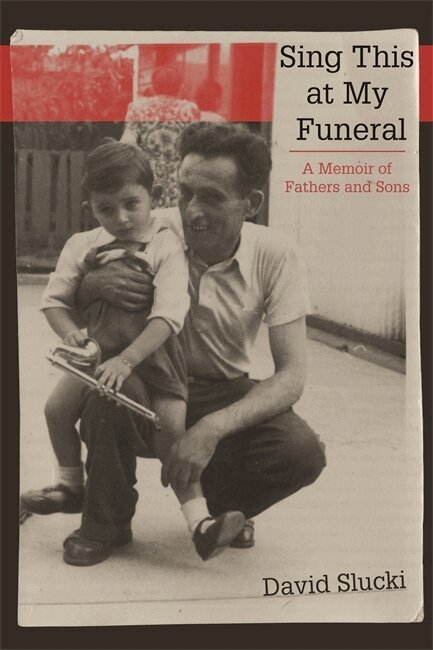
In 1978, Jakub Slucki passed away peacefully in his sleep at the age of seventy-seven. A Holocaust survivor whose first wife and two sons had been murdered at the Nazi death camp in Chelmno, Poland, Jakub had lived a turbulent life. Just over thirty-seven years later, his son Charles died of a heart attack. David Slucki's Sing This at My Funeral: A Memoir of Fathers and Sons tells the story of his father and his grandfather, and the grave legacy that they each passed on to him. This is a story about the Holocaust and its aftermath, about absence and the scars that never heal, and about fathers and sons and what it means to raise young men.In Sing This at My Funeral, tragedy follows the Slucki family across the globe: from Jakub's early childhood in Warsaw, where he witnessed the death of his parents during World War I, to the loss of his family by the hand of the Nazis in April 1942 to his remarriage and relocation in Paris, where after years of bereavement he welcomes the birth of his third son before finally settling in Melbourne, Australia in 1950 in an attempt to get as far away from the ravages of war-torn Europe as he could. Charles (Shmulik in Yiddish) was named both after Jakub's eldest son and his slain grandfather-a burden he carried through his life, which was one otherwise marked by optimism and adventure. The ghosts of these relatives were a constant in the Slucki home, a small cottage that became the lifeblood of a small community of Jewish immigrants. despite having been shaped by the ghosts of his father's constantly hovering sorrow. This book interweaves the stories of these men with that of Slucki's own upbringing, showing how traumatic family histories leave their mark for generations. Slucki's memoir blends the scholarly and literary, grounding the story of his grandfather and father in the broader context of the twentieth century. Based on thirty years of letters from Jakub to his brother Mendel, on archival materials, and on interviews with family members, this is a unique story and an innovative approach to writing both history and family narrative. Students, scholars, and general readers of memoirs will enjoy this deeply personal reflection on family and grief.
1 082 kr
Skickas inom 10-15 vardagar
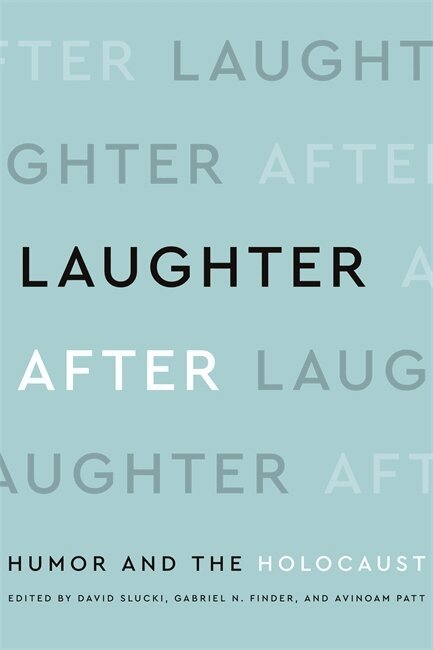
Laughter After: Humor and the Holocaust argues that humor performs political, cultural, and social functions in the wake of horror. Co-editors David Slucki, Gabriel N. Finder, and Avinoam Patt have assembled an impressive list of contributors who examine what is at stake in deploying humor in representing the Holocaust. Namely, what are the boundaries? Clearly, there have been comedy and laughter in the decades since. However, the extent to which humor can be ethically deployed in representing and discussing the Holocaust is not as clear. This book comes at an important moment in the trajectory of Holocaust memory. As the generation of survivors continues to dwindle, there is great concern among scholars and community leaders about how memories and lessons of the Holocaust will be passed to future generations. Without survivors to tell their stories, to serve as constant reminders of what they experienced, how will future generations understand and relate to the Shoah?Laughter After is divided into two sections: "Aftermath" and "Breaking Taboos." The contributors to this volume examine case studies from World War II to the present day in considering and reconsidering what role humor can play in the rehabilitation of survivors, of Jews and of the world more broadly. More recently, humor has been used to investigate the role that Holocaust memory plays in contemporary societies, while challenging memorial conventions around the Holocaust and helping shape the way we think about the past. In a world in which Holocaust memory is ubiquitous, even if the Holocaust itself is inadequately understood, it is perhaps not surprising that humor that invokes the Holocaust has become part of the memorial landscape. This book seeks to uncover how and why such humor is deployed, and what the factors are that shape its production and reception. Laughter After will appeal to a number of audiences-from students and scholars of Jewish and Holocaust studies to academics and general readers with an interest in media and performance studies.
425 kr
Tillfälligt slut
1 368 kr
Tillfälligt slut